Have you ever wondered just how much an air conditioner can cool down your space? When the heat feels unbearable, you want quick and effective relief.
But how low can your AC really take the temperature? Knowing this can help you set realistic expectations and make smarter choices for your comfort and energy bills. Keep reading to discover the surprising facts about how much an air conditioner can lower the temperature—and what that means for you on those hot, sticky days.

Credit: www.reddit.com
Air Conditioner Cooling Basics
An air conditioner cools the air inside a room. It removes heat and lowers the temperature.
The amount an air conditioner can lower the temperature depends on different factors. These include the type of AC and the room size.
How Ac Units Work
An air conditioner uses a refrigeration cycle to cool the air. It absorbs heat from inside and releases it outside.
The main parts are the compressor, condenser, expansion valve, and evaporator. The compressor pumps refrigerant through these parts.
- The evaporator absorbs heat from indoor air.
- The refrigerant carries heat to the condenser.
- The condenser releases heat outside.
- Cooled air is blown back into the room.
Types Of Air Conditioners
There are several types of air conditioners. Each type cools spaces differently.
- Window ACs fit in a window and cool one room.
- Split ACs have two units, one inside and one outside.
- Portable ACs can be moved from room to room.
- Central ACs cool whole buildings through ducts.
The cooling power varies by type and size. Larger units cool bigger areas more effectively.
Factors Influencing Cooling
Several factors affect how much an AC can lower temperature. Room size and insulation are key factors.
- Room size: Bigger rooms need stronger ACs.
- Insulation: Good insulation keeps cool air inside.
- Outside temperature: Hotter days make cooling harder.
- AC capacity: Measured in BTUs, shows cooling power.
- Airflow: Proper vents help spread cool air evenly.
On average, an air conditioner can lower indoor temperature by about 15 to 20 degrees Fahrenheit. This depends on the conditions above.
Typical Temperature Reduction
An air conditioner cools a room by removing heat from the air. It lowers the temperature to make the space more comfortable.
The amount an air conditioner can cool depends on several factors like the unit’s power and the room’s conditions.
Average Cooling Range
Most air conditioners can lower the room temperature by about 15 to 20 degrees Fahrenheit.
This range keeps the room cool without overworking the unit or using too much energy.
- Small units may cool less than 15 degrees
- Medium units usually cool around 15 to 20 degrees
- Large units can cool more but use more electricity
Impact Of Room Size
Room size affects how well an air conditioner cools. Bigger rooms need stronger units to cool well.
If the air conditioner is too small for the room, it will not lower the temperature enough.
- Small rooms cool faster and more evenly
- Large rooms take longer to cool down
- Oversized units may cool quickly but waste energy
Effect Of Insulation
Good insulation helps keep cool air inside the room. Poor insulation lets heat in and cool air out.
Rooms with better insulation need less effort from the air conditioner to stay cool.
- Well-insulated rooms keep temperatures steady
- Windows and doors with gaps reduce cooling efficiency
- Adding curtains or shades can improve insulation
Limits Of Air Conditioner Cooling
Air conditioners help cool indoor spaces by removing heat. They lower the room temperature to make you comfortable.
But air conditioners have limits on how much they can cool. Knowing these limits helps set the right expectations.
Outdoor Temperature Influence
The outside temperature affects how well an air conditioner works. When it is very hot outside, the AC must work harder.
Most air conditioners can cool a room about 15 to 20 degrees cooler than the outdoor temperature. If it is 100°F outside, the room may only cool to 80°F.
- High outdoor heat reduces cooling power
- AC struggles to cool below 60°F indoors
- Extreme heat can shorten AC lifespan
Thermostat Settings And Limits
Thermostats control the target temperature for your air conditioner. Setting it too low makes the AC run longer but does not cool more.
Most air conditioners have a minimum temperature they can reach. Setting the thermostat below this limit will not make the room colder.
- Thermostat sets the cooling goal
- AC stops when room hits the set temperature
- Too low settings waste energy without more cooling
Energy Efficiency Considerations
Energy efficiency affects how well an air conditioner cools without using too much electricity. Efficient units cool better at lower costs.
Older or poorly maintained air conditioners use more energy and cool less. Improving insulation and sealing leaks helps the AC work efficiently.
- High SEER ratings mean better efficiency
- Regular maintenance keeps AC effective
- Good home insulation reduces cooling load

Credit: www.reddit.com
Common Misconceptions
Many people have wrong ideas about how much an air conditioner can cool a room. These ideas can lead to frustration and wrong expectations.
Understanding the facts helps you use your air conditioner better and stay comfortable.
Instant Cooling Myths
Some believe air conditioners cool the room instantly after turning on. This is not true. Cooling a room takes time.
The air conditioner needs to remove heat from the room first. This process can take several minutes or more.
Overestimating Temperature Drop
People often expect their air conditioner to lower the temperature by a large number quickly. Most units lower the temperature by 15 to 20 degrees Fahrenheit.
- Small air conditioners cool less area and drop less temperature.
- Large rooms need stronger units to cool effectively.
- Setting very low temperatures can make the unit work harder without faster cooling.
Role Of Humidity
Humidity affects how cool the room feels. Air conditioners remove humidity, which helps make the air feel cooler.
Even if the temperature drops only a little, lower humidity can make the room feel much more comfortable.
Enhancing Ac Performance
An air conditioner can lower room temperature by about 15 to 20 degrees Fahrenheit. Its efficiency depends on many factors. You can improve how well your AC cools by following simple steps.
Enhancing AC performance helps save energy and keeps your home comfortable. Small changes make a big difference in cooling power and cost.
Proper Maintenance Tips
Regular maintenance keeps your AC working well and cooling better. Dirty filters and coils reduce cooling power and increase energy use.
Check and clean filters every month during heavy use. Clean the coils and remove debris around the unit to help airflow.
- Replace or clean air filters monthly
- Clear leaves and dirt near outdoor units
- Check for leaks or damaged parts
- Schedule yearly professional tune-ups
Using Fans And Ventilation
Fans help spread cool air from the AC around the room. They make the space feel cooler without lowering the temperature more.
Ventilation removes hot air and brings fresh air inside. Use exhaust fans in kitchens and bathrooms to reduce heat buildup.
- Use ceiling or portable fans with the AC
- Keep doors and windows closed when AC runs
- Use exhaust fans to remove hot air
- Open windows during cooler parts of the day
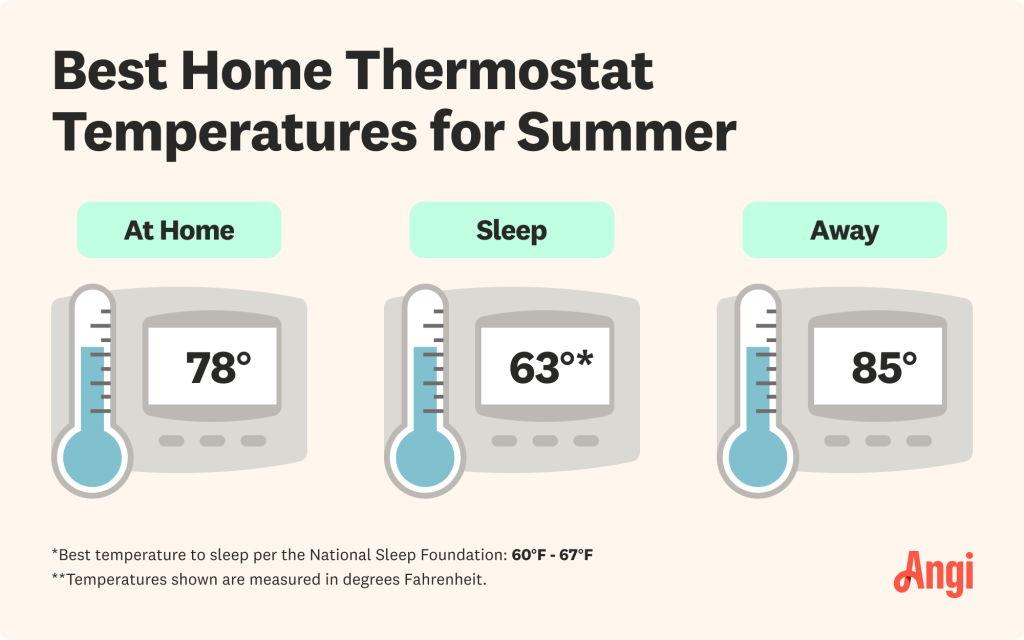
Optimal Thermostat Settings
Set your thermostat to a comfortable but efficient temperature. Lower settings do not cool faster and waste energy.
Use programmable thermostats to adjust temperature when you are away. This saves energy and keeps your home cool when you return.
- Set thermostat between 75°F and 78°F
- Avoid setting temperature too low
- Use programmable thermostat for schedule
- Raise temperature when no one is home
Credit: heatable.co.uk
Energy Costs And Savings
Air conditioners can lower indoor temperatures by about 15 to 20 degrees Fahrenheit. The exact drop depends on the AC unit and outdoor heat.
Using an air conditioner affects your energy bills. It is important to balance comfort with saving money on electricity.
Balancing Comfort And Bills
Setting your AC too cold raises energy use and costs. A higher temperature saves energy but may feel less comfortable.
Try keeping the thermostat at 78°F when you are home. This temperature balances cool air and lower bills.
- Close doors and windows to keep cool air inside
- Use fans to help spread cool air
- Turn off AC when rooms are empty
Smart Cooling Technologies
Smart thermostats learn your schedule and adjust cooling automatically. This reduces wasted energy and cuts costs.
Some AC units have sensors that detect room occupancy. They lower cooling when no one is inside, saving power.
- Smart thermostats save energy by adjusting temperatures
- Mobile apps let you control AC remotely
- Energy-efficient models use less electricity
Seasonal Usage Strategies
Use AC only during hot months to save energy. Turning it off in cooler seasons lowers bills.
Regular maintenance keeps the AC efficient. Clean filters and check for leaks to reduce energy waste.
- Turn off AC in spring and fall
- Use ceiling fans to stay cool when AC is off
- Schedule yearly AC check-ups for best performance
Frequently Asked Questions
How Many Degrees Can An Air Conditioner Lower Temperature?
An air conditioner typically lowers indoor temperature by 15 to 20 degrees Fahrenheit. The exact drop depends on the AC unit’s capacity and room size. Proper insulation and outdoor heat also affect cooling efficiency.
What Factors Affect An Air Conditioner’s Cooling Ability?
Cooling ability depends on unit size, room insulation, outdoor temperature, and humidity. A correctly sized AC cools efficiently, while poor insulation or high heat reduces effectiveness.
How Long Does It Take For An Ac To Cool A Room?
Most air conditioners take 15 to 30 minutes to significantly lower room temperature. Cooling speed varies with AC power, room size, and initial indoor temperature.
Can Air Conditioners Cool Large Rooms Effectively?
Large rooms require higher capacity AC units for effective cooling. Undersized units struggle to cool big spaces, leading to uneven temperatures and higher energy use.
Conclusion
Understanding how much an air conditioner can lower temperature is crucial. It helps in choosing the right model for your needs. Most air conditioners can reduce the temperature by 15-20 degrees. This offers a comfortable environment during hot days. Consider the size of the room and the unit’s capacity.
Proper maintenance also enhances efficiency. Regular cleaning and servicing ensure optimal performance. An efficient air conditioner not only cools effectively but saves energy. It’s about comfort and smart choices. Prioritize cooling needs and energy efficiency for the best results.