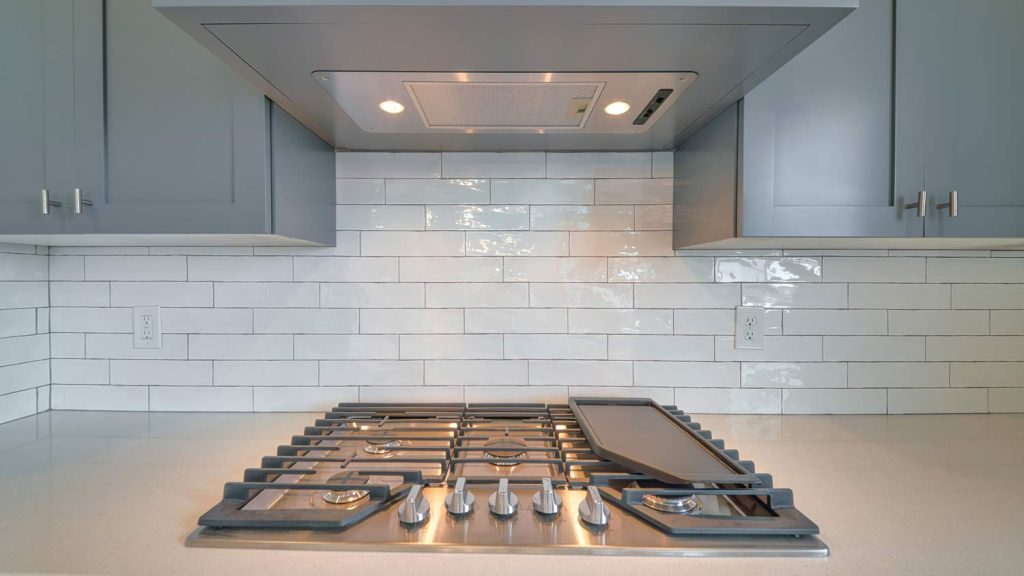
Are you planning a kitchen upgrade or facing issues with smoke and odors while cooking? Choosing the right range hood can transform your cooking experience.
One of the most important factors to consider is the CFM, or cubic feet per minute, which measures the airflow of your range hood. But how much CFM do you really need to keep your kitchen fresh and clean? The answer might surprise you.
By understanding your specific cooking habits and kitchen setup, you can make an informed decision that enhances both functionality and comfort. Stick around as we dive into the essentials of CFM and guide you toward the perfect choice for your kitchen. Your culinary adventures deserve the best atmosphere, and we’re here to help you achieve just that!
Why Cfm Matters For Range Hoods
Choosing the right CFM for your range hood is crucial for a healthy kitchen. CFM, or cubic feet per minute, measures how much air the hood moves. This number tells you how quickly the hood can remove smoke, steam, and odors. Picking the right CFM ensures your kitchen air stays fresh and clean.
Impact On Air Quality
Higher CFM means better air cleaning. It removes cooking smoke and harmful gases fast. This keeps the kitchen air clear and safe to breathe. Without enough CFM, smoke can build up and cause discomfort. It also stops grease from settling on walls and cabinets.
Effects On Kitchen Comfort
Good airflow controls heat and humidity. It stops the kitchen from feeling too hot or sticky. Proper CFM helps reduce cooking smells that linger. This creates a more pleasant space for cooking and eating. Low CFM can make the kitchen uncomfortable and stuffy.

Credit: www.rokhardware.com
Factors Influencing Cfm Requirements
Choosing the right CFM (cubic feet per minute) for your range hood depends on several key factors. These elements determine how effectively your hood will remove smoke, odors, and grease from your kitchen. Understanding what influences CFM needs helps you pick a hood that keeps your cooking space fresh without wasting energy or money.
Size Of Your Kitchen
The bigger your kitchen, the more air your range hood needs to move. Larger kitchens often require higher CFM to circulate and filter the air efficiently. Think about the volume of the space—tall ceilings or open floor plans may demand stronger ventilation.
Ask yourself: Does your kitchen connect to other rooms? Open layouts can spread cooking smells further, meaning your hood must work harder. A compact kitchen might get by with a lower CFM, but don’t underestimate how much air needs refreshing during heavy cooking.
Type Of Cooking You Do
Do you simmer gently or often fry and grill at high heat? The type of cooking impacts how much smoke and grease your hood must handle. Intense cooking styles create more airborne particles, requiring a more powerful hood.
If you frequently use a wok or do a lot of frying, your range hood should have a higher CFM to clear the air quickly. Conversely, if boiling and baking dominate your routine, a moderate CFM might be enough.
Range Hood Size And Style
Your hood’s size matters as much as its power. It should ideally be at least as wide as your cooking surface, or wider, to capture all the smoke and fumes. Different styles—like under-cabinet, wall-mounted, or island hoods—also affect airflow efficiency.
Wall-mounted hoods often handle air better than under-cabinet ones. Island hoods might need extra power because they pull air from all sides. Match the hood size and style to your cooking habits and kitchen layout for best results.
Cooking Appliance Btu Output
BTU (British Thermal Unit) measures your stove’s heat output and directly relates to ventilation needs. Higher BTU means more heat and potentially more smoke, requiring a stronger range hood. As a rule of thumb, you want about 100 CFM per 10,000 BTUs.
For example, if your stove has 40,000 BTUs total, aim for a range hood with at least 400 CFM. Overlooking BTU can lead to underpowered ventilation, leaving your kitchen smoky and uncomfortable.
Calculating The Right Cfm
Calculating the right CFM (cubic feet per minute) for your range hood is crucial to ensure efficient ventilation. Too low a CFM means lingering smoke and odors; too high can be noisy and waste energy. Getting this balance right starts with understanding the basics of airflow needs for your cooking space.
Simple Cfm Estimation Methods
A quick way to estimate CFM is to multiply the width of your cooktop by a factor based on its size. For example, a range hood should have about 100 CFM for every 10 inches of cooktop width.
- If you have a 30-inch stove, aim for around 300 CFM.
- For a 36-inch stove, about 360 CFM works well.
This method offers a straightforward starting point without diving deep into technical details. However, it may not fit every kitchen perfectly.
Using Btu For Precise Calculation
If you want more accuracy, consider your cooktop’s total BTU (British Thermal Units). The general rule is to have 1 CFM for every 100 BTUs.
| Cooktop BTU | Recommended CFM |
|---|---|
| 40,000 BTU | 400 CFM |
| 60,000 BTU | 600 CFM |
| 80,000 BTU | 800 CFM |
This method ensures your hood can handle the heat output, especially if you use high-powered burners. Have you checked your cooktop’s BTU rating yet? It might surprise you how much airflow you actually need.
Adjusting For Kitchen Layout
The layout of your kitchen affects how well your range hood performs. If your kitchen is open to other rooms, you might need a higher CFM to prevent cooking smells from spreading.
Long duct runs or multiple bends in the vent can reduce airflow. In these cases, increasing your CFM by 10-20% helps maintain effective ventilation.
Think about where your hood will vent outside. Is the path short and direct, or does it twist and turn? These details make a big difference in choosing the right CFM for your space.
Credit: streamlinebath.com
Range Hood Types And Their Cfm Ranges
Range hoods come in several styles, each designed for different kitchen layouts. The airflow capacity, measured in cubic feet per minute (CFM), varies by type. Choosing the right CFM helps remove smoke, odors, and grease efficiently.
Understanding the typical CFM ranges for each type helps pick the best hood. Below are common range hood types and their usual CFM capacities.
Under-cabinet Hoods
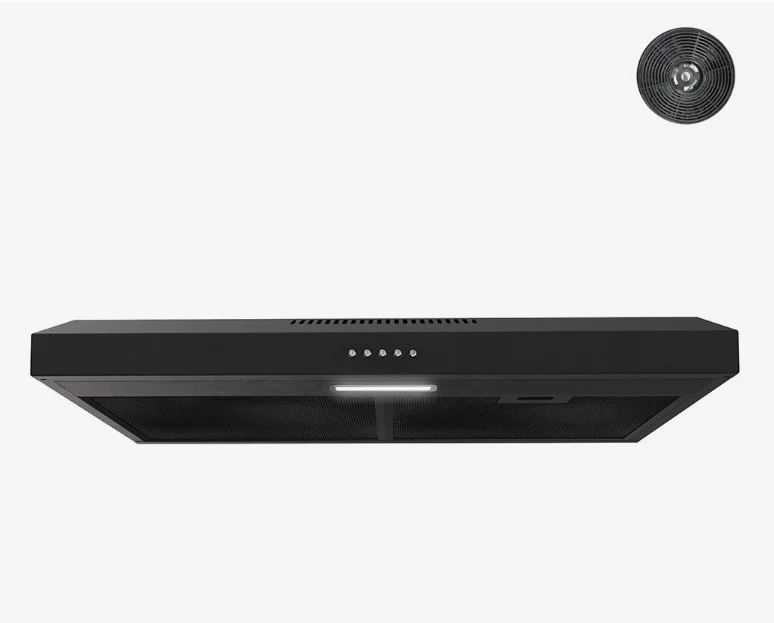
Under-cabinet hoods fit beneath kitchen cabinets. They are compact and suit small to medium kitchens. Their CFM usually ranges from 200 to 600. This range covers most everyday cooking needs. They work best for standard stovetops and light cooking tasks.
Wall-mounted Chimney Hoods
Wall-mounted chimney hoods attach to the wall above the stove. They offer strong ventilation and a stylish look. Their CFM range is often between 400 and 1,000. These hoods suit larger kitchens and heavy cooking. They handle smoke and steam effectively in busy cooking spaces.
Island Hoods
Island hoods hang from the ceiling over kitchen islands. They need higher power to ventilate open areas. The typical CFM range is from 600 to 1,200 or more. These hoods remove odors and smoke from all sides. They are ideal for spacious kitchens with central cooktops.
Downdraft Ventilation
Downdraft ventilation pulls air down through vents near the cooktop. These hoods are hidden and save overhead space. Their CFM ranges from 200 to 500, usually lower than other types. They suit kitchens with limited space or specific designs. Downdraft systems work best for light to moderate cooking.
Balancing Noise And Power
Finding the right balance between noise and power in a range hood is crucial for a comfortable kitchen experience. You want a hood strong enough to clear smoke and odors but quiet enough to avoid disrupting your conversations or concentration. Striking this balance means understanding how noise levels are measured and identifying models that deliver effective ventilation without the roar.
Understanding Sones And Noise Levels
Noise in range hoods is measured in sones, a unit that reflects how loud the fan sounds to the human ear. A lower sone number means a quieter hood. For reference, a whisper is about 1 sone, while a normal conversation is around 5 sones.
Keep in mind that noise can vary depending on fan speed—the highest speed usually produces the most noise. Some manufacturers provide sones ratings at different speeds, so check these before making a choice. Have you ever been distracted by a noisy kitchen appliance? Knowing the sone rating helps you avoid that frustration.
Choosing Quiet Yet Effective Models
Look for range hoods that offer strong airflow (measured in CFM) while keeping noise below 3 sones on lower speeds. Models with variable speed controls let you adjust power and noise according to your cooking needs.
Consider hoods with sound-absorbing materials or insulated motors designed to reduce noise. Ducted hoods typically run quieter than ductless ones because they vent air outside, reducing sound inside the kitchen.
- Check user reviews for real-world noise feedback.
- Compare sones and CFM ratings side by side.
- Think about how often you cook and what noise level you can tolerate.
Balancing noise and power is about matching your kitchen habits with the right hood features. What noise level feels comfortable to you while still clearing the air effectively?
Installation Tips For Optimal Ventilation
Installing a range hood correctly ensures it removes smoke, odors, and grease effectively. Proper installation helps maintain clean air and a comfortable kitchen environment. Paying attention to key details during setup improves ventilation performance and extends hood life.
Proper Hood Height And Placement
Mount the hood at the right height above the cooktop. Too low, and it blocks your view or catches fire. Too high, and it loses suction power.
- For electric cooktops, place the hood 20 to 24 inches above.
- For gas cooktops, place it 24 to 30 inches above.
- Center the hood directly over the cooking surface for best capture.
Ductwork Considerations
Use smooth, straight ductwork to reduce airflow resistance. Avoid sharp bends and long runs that lower ventilation efficiency.
- Choose ducts with a diameter matching the hood’s outlet size.
- Seal all joints tightly to prevent air leaks.
- Use metal ducts for durability and fire safety.
Avoiding Common Installation Mistakes
Prevent errors that reduce hood effectiveness or cause damage. Plan carefully before installation.
- Do not install the hood too far from the cooking area.
- Avoid using flexible plastic ducts, which trap grease and catch fire.
- Ensure power supply meets the hood’s electrical requirements.
- Check local building codes for venting rules and permits.
Maintenance To Keep Cfm Performance High
Keeping your range hood’s CFM (cubic feet per minute) performance high relies heavily on regular maintenance. Without proper care, even the most powerful hood can lose efficiency, leaving your kitchen smoky and uncomfortable. A few simple habits can help you maintain strong airflow and prolong the life of your appliance.
Regular Filter Cleaning
Grease and dust quickly clog filters, reducing the airflow and lowering your hood’s CFM. Cleaning or replacing filters every month or two keeps air moving freely. If you cook often, especially with oily foods, you might need to clean filters more frequently.
Some filters are dishwasher-safe, making cleaning easier. Others require soaking in warm, soapy water and scrubbing with a brush. When was the last time you checked your filters? Neglecting this step can cause your hood to work harder, using more energy and losing suction power.
Checking And Cleaning Ducts
Ducts carry the air outside, so blockages here directly impact CFM. Over time, grease and debris build up inside ducts, slowing airflow. Inspect your ducts regularly for any signs of buildup or damage.
Cleaning ducts might seem like a hassle, but it’s essential. You can hire professionals or, if you’re comfortable, use a long brush or vacuum attachment to clear out the ductwork yourself. Have you noticed your kitchen smelling smoky despite the hood running at full power? It might be time to check your ducts.
Signs Your Hood Needs Service
Sometimes, maintenance isn’t enough. If your hood is unusually noisy, produces less suction, or the fan speed settings feel weaker, it could need professional servicing. Electrical or motor issues can reduce airflow significantly.
Pay attention to any burning smells or unusual vibrations—these can indicate serious problems. Scheduling a service check every year helps catch issues early, keeping your hood running at its best. Would you wait until your kitchen fills with smoke to get your hood checked?
Energy Efficiency And Ventilation
Energy efficiency and ventilation go hand in hand when choosing the right CFM (cubic feet per minute) for your range hood. You want a hood that clears out smoke, steam, and odors effectively without wasting energy or driving up your utility bills. Finding this balance means understanding both the power of ventilation and how energy-efficient technology can help you keep your kitchen comfortable and your costs low.
Energy Star Rated Range Hoods
Energy Star rated range hoods use less electricity while still providing strong ventilation. These models are tested to meet strict energy efficiency guidelines, which means you get good airflow without unnecessary power use.
Choosing an Energy Star hood can save you money over time. Plus, they often operate more quietly, which makes cooking more pleasant. Have you noticed how some hoods create a noisy distraction? Energy Star models tend to avoid this problem.
Balancing Ventilation And Energy Use
Higher CFM means stronger ventilation, but it also usually means more energy consumption. You don’t need to max out the CFM if your kitchen size and cooking habits don’t demand it.
Consider how often and what types of meals you cook. If you mostly simmer and bake, a lower CFM with energy-saving features might be enough. But if you fry or grill often, a higher CFM is worth the extra energy cost to maintain air quality.
Ask yourself: Are you prioritizing energy savings or maximum airflow? Your answer will guide the ideal CFM range and the type of range hood you should choose.

Credit: www.angi.com
Frequently Asked Questions
How Do I Calculate Cfm For My Range Hood?
To calculate CFM, multiply your kitchen’s width, length, and ceiling height. Then multiply by 0. 12 for light cooking or 0. 15 for heavy cooking. This gives an estimate of airflow needed to clear smoke and odors effectively.
What Is The Ideal Cfm For A 30-inch Range Hood?
For a 30-inch range, a hood with 300 to 400 CFM is ideal. This range ensures efficient smoke and odor removal without excessive noise or energy use.
Does Higher Cfm Mean Better Ventilation?
Higher CFM means more airflow, but not always better ventilation. Choose CFM based on stove size and cooking habits to avoid noise and wasted energy.
How Does Stove Type Affect Cfm Requirements?
Gas stoves release more heat and fumes, needing higher CFM (400-600). Electric stoves require less airflow, usually 300-400 CFM, for effective ventilation.
Conclusion
Choosing the right CFM for your range hood matters a lot. It helps keep your kitchen fresh and clean. Too low, and smoke stays inside. Too high, and you waste energy. Measure your kitchen size and cooking habits first. This makes picking easier and smarter.
Good ventilation means better air and a healthier home. Remember, a well-chosen range hood makes cooking more pleasant and safe. Take your time to find the best fit for your needs.