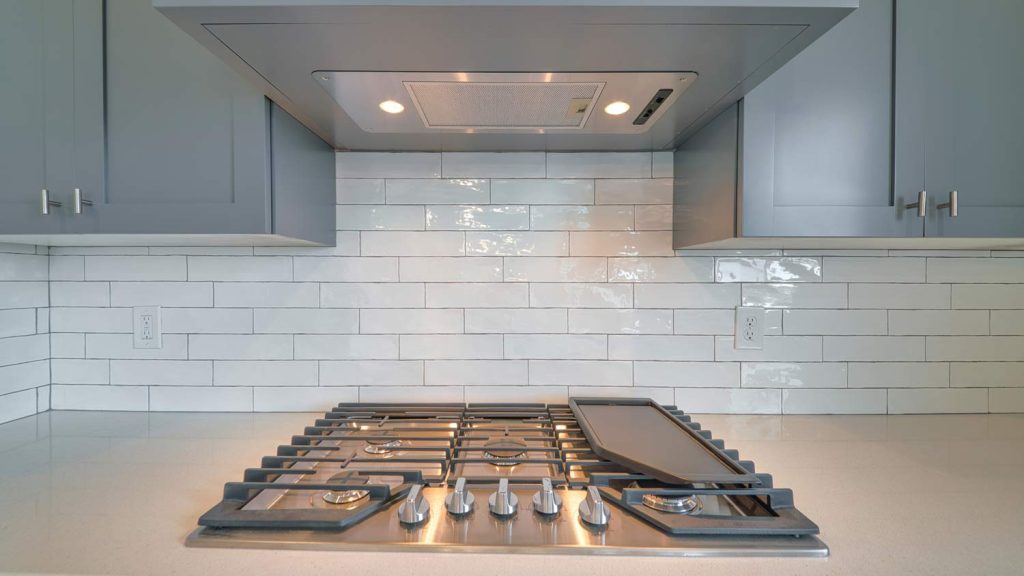
Are you wondering how much CFM your range hood really needs? Choosing the right airflow power is key to keeping your kitchen fresh and free from smoke, grease, and odors.
If your range hood is too weak, it won’t clear the air properly. Too strong, and you might waste energy and face unnecessary noise. You’ll discover exactly how to find the perfect CFM for your cooking space, so you can breathe easy while you cook.
Keep reading to make sure your kitchen stays clean and comfortable every time you turn on the stove.
Credit: crownhome.ca
What Is Cfm In Range Hoods
Understanding CFM in range hoods is crucial for your kitchen. CFM stands for Cubic Feet per Minute. It measures the airflow of your range hood. Knowing this helps in choosing the right hood for your kitchen needs.
What Is Cfm?
CFM indicates how much air your range hood can move. It shows the power of the hood. Higher CFM means more air is moved out of the kitchen.
Why Cfm Matters
CFM affects how well your range hood performs. It helps in removing smoke, odors, and grease. A higher CFM ensures a cleaner kitchen environment.
How To Determine The Right Cfm
Consider your cooking habits and kitchen size. Heavy cooking needs a higher CFM. A large kitchen also requires more CFM to keep air clean.
Calculating Cfm For Your Kitchen
First, measure your kitchen’s volume. Multiply length, width, and height. Next, decide how often you want the air replaced each hour. Then calculate the CFM needed based on these factors.
Cfm Recommendations For Different Cooking Styles
- Light Cooking:100-300 CFM
- Moderate Cooking:300-500 CFM
- Heavy Cooking:500+ CFM
Why Cfm Matters For Ventilation
Understanding why CFM matters for your range hood’s ventilation can save you from a frustrating kitchen experience. CFM, or cubic feet per minute, measures how much air your range hood can move. Choosing the right CFM ensures your kitchen stays free of smoke, odors, and excess moisture.
Imagine cooking a big family dinner and your kitchen fills with smoke because your range hood can’t keep up. That’s where knowing the right CFM becomes crucial. It affects not just air quality but also your comfort and even your kitchen’s cleanliness.
What Cfm Means For Air Quality
Your range hood’s main job is to remove airborne grease, smoke, and smells. If the CFM is too low, these particles linger, making your kitchen unpleasant and harder to clean. High CFM means faster removal, so you breathe cleaner air while cooking.
Balancing Noise And Power
Higher CFM often means a louder fan, but modern range hoods balance power and noise. You don’t want a fan so loud it drowns out conversation, but you also don’t want one so weak that it leaves your kitchen smoky. Finding that balance is key.
How Kitchen Size Affects Cfm Needs
The size of your kitchen and your cooking style directly impact the CFM you need. A small kitchen might only need 300-400 CFM, while larger kitchens or those with heavy cooking demand 600 CFM or more. Are you cooking meals that produce a lot of smoke or steam?
Energy Efficiency And Ventilation
Choosing the right CFM isn’t just about power; it’s also about energy use. A hood with unnecessarily high CFM wastes electricity and can increase your bills. Selecting a properly sized range hood keeps your kitchen ventilated without extra costs.
Calculating Required Cfm
Calculating the required CFM (cubic feet per minute) for a range hood is essential for effective kitchen ventilation. The right CFM ensures smoke, odors, and heat leave your kitchen quickly. Choosing a hood with too low CFM means poor air quality. Too high CFM wastes energy and increases noise. Several factors influence the needed airflow rate.
Considering Stove Size And Type
The size and type of your stove affect the CFM needed. Gas stoves typically need more ventilation than electric ones. Larger burners produce more heat and smoke, requiring higher CFM. A good rule is 100 CFM per 10,000 BTUs for gas ranges. For electric stoves, a lower CFM may be sufficient. Measuring your stove’s width can also guide you. A wider stove usually demands a stronger hood.
Impact Of Cooking Habits
Your cooking style influences CFM requirements. Frequent frying or grilling creates more smoke and grease. These habits need stronger ventilation to keep the air clean. Light cooking, like boiling or steaming, produces less smoke and odors. In that case, a lower CFM range hood works well. Consider how often and what you cook to pick the right airflow.
Kitchen Size And Layout
The size and shape of your kitchen matter for ventilation needs. A larger kitchen holds more air, so a higher CFM hood moves it efficiently. Open kitchen layouts might need stronger ventilation due to air circulation. Small kitchens may require less powerful hoods. Ceiling height and distance between the stove and hood also impact airflow. Measure your kitchen space to match the hood’s capacity properly.
Credit: homeoutletdirect.ca
Cfm Recommendations By Stove Type
Choosing the right CFM (cubic feet per minute) for your range hood depends heavily on the type of stove you use. Different stoves produce varying amounts of heat, smoke, and odors, which directly impacts how powerful your ventilation system needs to be. Understanding these requirements helps you pick a range hood that keeps your kitchen air fresh without wasting energy or money.
Electric Stoves
Electric stoves generally produce less heat and fewer fumes compared to gas stoves. A range hood with a CFM rating between 300 and 600 usually works well for most electric cooktops. If you cook frequently or use high heat settings, aim for the higher end of that range.
Think about how much steam or smoke your cooking generates. If you mainly boil or simmer, a lower CFM might suffice. But if you often fry or sauté, boosting your hood’s power prevents lingering smells and grease buildup.
Gas Stoves
Gas stoves release combustion byproducts like nitrogen dioxide and carbon monoxide, which makes proper ventilation critical. You should select a range hood with a CFM rating of 400 to 1,000, depending on the burner size and how often you cook.
For example, a standard gas stove with burners around 9,000 to 12,000 BTUs typically needs around 400 to 600 CFM. If you have larger burners, you’ll want to increase that number to ensure all fumes are effectively removed.
High-output Burners
High-output burners, often found in professional or gourmet stoves, can produce intense heat and significant smoke. These burners usually exceed 15,000 BTUs each and demand a range hood with at least 1,000 to 1,200 CFM.
Ignoring this need can lead to poor air quality and grease accumulation on your kitchen surfaces. Have you noticed stubborn cooking odors that linger despite regular cleaning? Upgrading your hood’s CFM might be the solution.
Range Hood Sizes And Cfm Needs
Choosing the right size range hood and matching it with the correct CFM (cubic feet per minute) is essential for a kitchen that stays fresh and smoke-free. Your cooking habits and kitchen layout directly affect how much ventilation power you need. Understanding the different types of range hoods and their typical CFM requirements can help you make a smart choice.
Under-cabinet Hoods
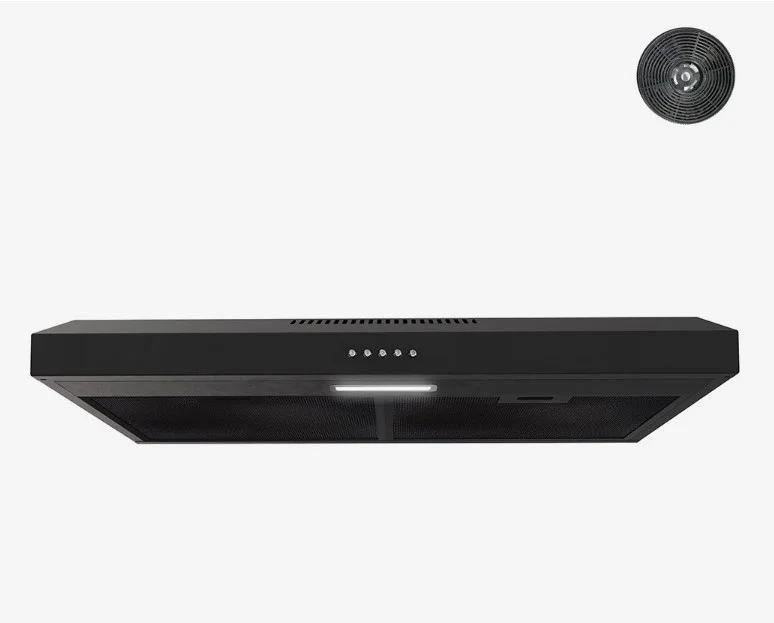
Under-cabinet hoods fit snugly beneath your kitchen cabinets, making them a popular choice for smaller or traditional kitchens. They usually cover standard cooktop sizes, typically 30 to 36 inches wide.
For these hoods, a CFM range of 300 to 600 often works well. If you frequently cook with high heat or fry foods, aim for the higher end of that range to effectively remove smoke and odors.
Think about your stove size and cooking style—do you simmer most meals, or do you often sear and sauté? That can make a big difference in your CFM needs.
Wall-mounted Hoods
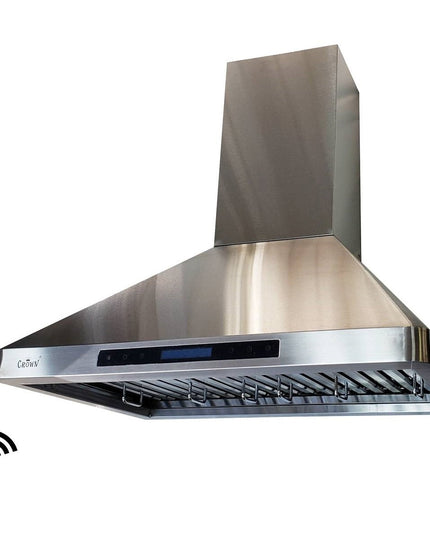
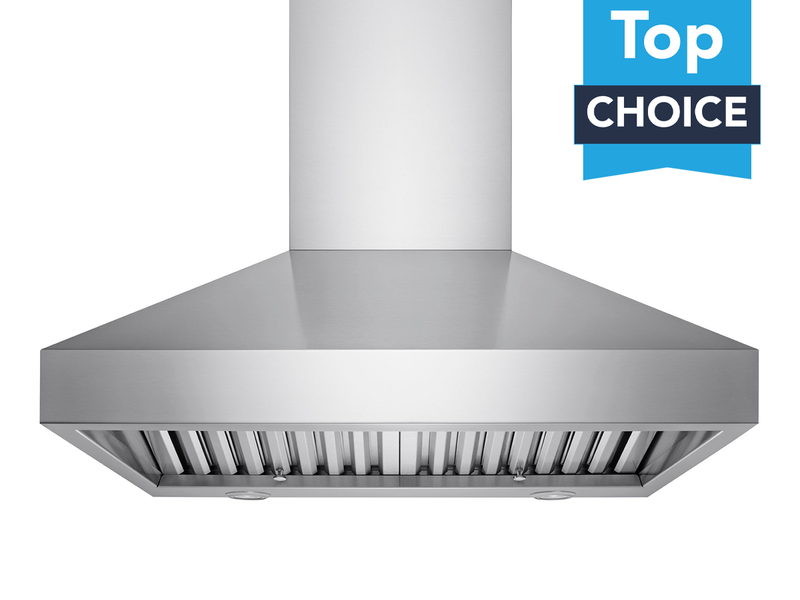
Wall-mounted hoods are installed on the wall and often have a more prominent design, giving your kitchen a modern look. They usually cover larger cooktops, often 36 inches or wider.
These hoods typically require 400 to 1,000 CFM, depending on the size and how powerful you want your ventilation. If your cooking produces a lot of smoke or grease, you should lean toward higher CFM models.
Have you noticed lingering smells after heavy cooking sessions? Upgrading to a wall-mounted hood with sufficient CFM can clear the air faster.
Island Hoods
Island hoods hang from the ceiling above cooktops on kitchen islands, where no walls are available for venting. These hoods generally need to be wider and more powerful to cover open spaces.
Expect to need 600 to 1,200 CFM or more for island hoods, especially if your island cooktop is large or you cook intensely. Proper airflow is crucial here to keep your entire kitchen comfortable.
Do you have an open-concept kitchen? High CFM island hoods prevent smoke and odors from drifting into your living areas.
Noise Levels And Cfm
Noise levels and CFM (cubic feet per minute) are two key factors in choosing the right range hood. CFM measures the airflow power, while noise levels affect comfort in your kitchen. Finding the right balance is important to keep your space quiet and well-ventilated.
Balancing Power And Quiet Operation
Higher CFM means stronger airflow to remove smoke and odors quickly. But stronger airflow often creates more noise. A loud range hood can disturb conversations or relaxation in the kitchen.
Many modern range hoods offer variable speeds. You can use high CFM for heavy cooking and lower speeds for light tasks. This helps keep noise down without losing ventilation power.
Look for models with sound-reducing features like insulated blower chambers or anti-vibration mounts. These can cut down noise while maintaining good airflow.
Decibel Ratings Explained
Noise is measured in decibels (dB). Typical range hoods run between 40 dB and 70 dB.
- 40-50 dB: Quiet, like a soft conversation or library.
- 50-60 dB: Moderate noise, similar to background music.
- 60-70 dB: Loud, like a busy restaurant or vacuum cleaner.
Choose a range hood with a decibel level that suits your kitchen size and noise tolerance. Lower decibels are better for open-plan spaces or small kitchens.
Ductwork And Installation Effects
The efficiency of your range hood depends heavily on how the ductwork is installed. Poor installation can reduce airflow and force your hood to work harder, wasting energy and leaving your kitchen smoky. Understanding the effects of duct size, length, and venting methods helps you get the right CFM and maintain proper ventilation.
Duct Size And Length
The size of your duct affects how easily air moves through it. If the duct is too small, it creates resistance and lowers the hood’s performance. A 6-inch diameter duct is common for most range hoods, but bigger hoods may need 8 inches or more.
Length matters too. Longer ducts reduce airflow, so you may need a higher CFM to compensate. If your duct runs a long way, consider upgrading the fan or shortening the duct if possible.
Impact Of Turns And Bends
Every bend or turn in your ductwork reduces airflow. Sharp 90-degree turns create more resistance than gradual curves. Too many bends can cut your range hood’s efficiency by as much as 30%.
Ask yourself: Can you rearrange the duct to reduce turns? Even small changes, like replacing tight elbows with wider curves, can improve airflow significantly.
Proper Venting Techniques
How you vent your range hood affects both performance and safety. Always vent outside to avoid moisture and odors lingering inside your kitchen. Avoid venting into attics or crawl spaces, which can cause mold and damage.
Use smooth, rigid metal ducts rather than flexible foil or plastic to minimize airflow loss. Seal all joints tightly with metal tape to prevent leaks. Simple steps like these can make a big difference in the hood’s actual CFM output.
Credit: streamlinebath.com
Energy Efficiency And Cfm
Energy efficiency plays a crucial role when selecting the right CFM (cubic feet per minute) for your range hood. Higher CFM means stronger airflow, but it often comes with increased energy use and noise. Balancing power and efficiency ensures you keep your kitchen fresh without wasting electricity or disturbing your home’s quiet.
Variable Speed Fans
Variable speed fans let you adjust airflow depending on your cooking needs. Instead of running at full power all the time, you can lower the fan speed for light cooking, saving energy and cutting down noise. I once installed a range hood with variable speeds and noticed my electric bill dropped while my kitchen stayed odor-free.
Think about how often you cook heavy meals. Do you really need maximum airflow every time? Variable speed fans give you flexibility and control, making your range hood work smarter, not harder.
Energy Star Ratings
Energy Star-rated range hoods meet strict energy efficiency guidelines set by the EPA. These models use advanced technology to provide powerful ventilation without guzzling electricity. Choosing an Energy Star hood means you get reliable performance and lower utility bills.
Besides saving energy, these hoods often have features like LED lighting and efficient motors that add value. When shopping, look for the Energy Star label to ensure your range hood balances CFM needs with energy-conscious design.
Common Mistakes In Choosing Cfm
Choosing the right CFM (Cubic Feet per Minute) for your range hood can be tricky. Many homeowners make mistakes that lead to poor ventilation or wasted energy. Understanding common errors can help you pick the perfect range hood that matches your kitchen’s needs.
Overestimating Needs
It’s tempting to think bigger is always better. You might believe a higher CFM means faster smoke removal and fresher air. But oversized range hoods can be noisy and pull too much heat from your kitchen, making cooking uncomfortable.
Consider this: I once installed a 900 CFM hood in a small kitchen. The noise was so loud it drowned out conversations. A 400-600 CFM hood would have been more suitable and quieter.
Ignoring Kitchen Layout
Your kitchen’s size and shape matter more than you might expect. Placing a powerful hood in a cramped space or one with poor ventilation paths can reduce effectiveness. Make sure your CFM matches your kitchen layout, including ceiling height and window placement.
Ask yourself: Does your kitchen have open windows or doors to help airflow? Are there any obstacles like cabinets blocking the hood’s suction? Ignoring these factors can make even a high-CFM hood underperform.
Neglecting Maintenance
Choosing the right CFM means little if you don’t maintain your range hood properly. Grease buildup and clogged filters reduce airflow, no matter how strong your fan is. Regular cleaning keeps your hood working at peak efficiency.
Think about your schedule: Can you commit to cleaning filters every few weeks? If not, a model with easy-to-clean or dishwasher-safe filters might save you frustration and keep your kitchen air fresh.
Upgrading Existing Range Hoods
Upgrading an existing range hood can improve kitchen air quality and cooking comfort. Over time, your current hood might not clear smoke and odors effectively. Understanding when to upgrade helps keep your kitchen fresh and safe. Small changes often boost performance without a full replacement.
When To Replace
Replace your range hood if it fails to remove smoke and steam well. Loud noise, visible grease buildup, or a weak fan signal poor ventilation. Older models may lack enough CFM (cubic feet per minute) to handle your cooking style. If repairs are frequent or costly, replacement is a smart choice.
Consider upgrading when your cooking habits change. More frequent frying or grilling needs stronger ventilation. Kitchens with open layouts also require higher CFM to prevent smells from spreading. Newer hoods offer better efficiency and quieter operation.
Improving Ventilation Without Full Replacement
Boost your current hood’s performance by cleaning or replacing filters. Grease and dirt reduce airflow and fan power. Check the ductwork for blockages or leaks that lower ventilation speed. Sealing gaps improves air movement and odor removal.
Switching to LED lights can brighten the cooking area without extra heat. Adding a variable speed control lets you adjust the fan power for different cooking needs. Installing a booster fan in the duct can increase airflow if the existing fan is weak.
These upgrades cost less and avoid the hassle of installing a new hood. They can extend your range hood’s life and make your kitchen more comfortable.
Frequently Asked Questions
What Cfm Range Is Ideal For A Standard Kitchen Hood?
A standard kitchen hood should have 300 to 600 CFM. This range effectively removes smoke, odors, and grease. It suits most residential cooking needs and ensures proper ventilation without excess noise or power use.
How Do I Calculate The Cfm Needed For My Range Hood?
Multiply your cooktop width by 100 CFM per linear foot. For example, a 3-foot cooktop needs about 300 CFM. Adjust higher if you cook frequently or use high-BTU burners for better air quality.
Can A Higher Cfm Improve Kitchen Air Quality?
Yes, higher CFM improves air removal speed. It reduces lingering smoke and odors faster. However, very high CFM may cause drafts or noise. Balance is key for effective and comfortable ventilation.
Is Cfm The Only Factor In Choosing A Range Hood?
No, consider hood size, ducting, and noise levels too. Proper duct size matches CFM to prevent airflow issues. Quiet operation and hood style also affect your kitchen experience.
Conclusion
Choosing the right CFM for your range hood matters a lot. It helps remove smoke, smell, and grease from your kitchen. Too low CFM won’t clean the air well. Too high CFM can waste energy and be noisy. Think about your stove size and cooking habits.
Measure your kitchen space to find the best fit. A good range hood keeps your kitchen fresh and safe. Take time to pick the right airflow. Your cooking will feel better every day.