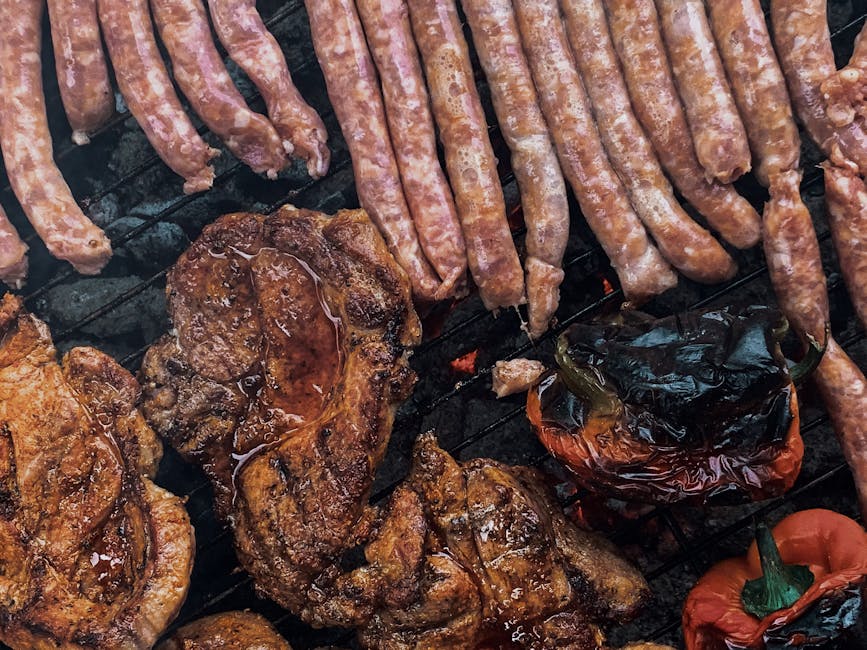
Are you ready to fire up your grill but unsure how much charcoal to use? Getting the right amount can make all the difference between perfectly cooked food and a frustrating grilling experience.
Too little charcoal means your grill won’t stay hot enough, while too much can waste fuel and create flare-ups. In this guide, you’ll learn exactly how much charcoal to put in your grill to achieve the best heat, save money, and impress your guests every time.
Keep reading, and you’ll master the art of charcoal grilling with ease!
Choosing The Right Charcoal
Using the right charcoal can change how your food tastes and cooks. It also affects how long your grill stays hot.
Knowing the types and quality of charcoal helps you pick the best for your grilling needs.
Types Of Charcoal
There are mainly two types of charcoal used for grilling: lump charcoal and briquettes. Each has its own features and cooking style.
- Lump Charcoal:Made from pure wood pieces. Lights quickly and burns hotter. It produces less ash but burns faster.
- Briquettes:Made from compressed sawdust and other wood by-products. Burns longer and more evenly. Produces more ash than lump charcoal.
Quality And Size Matters
Good charcoal has consistent size and quality. This helps you control the heat and cooking time better.
| Charcoal Quality | Effect on Grilling | What to Look For |
|---|---|---|
| High Quality | Burns evenly and long | Uniform pieces, few dust or fines |
| Low Quality | Burns unevenly, more ash | Varied sizes, many small pieces |
| Large Pieces | Longer burn time | Good for slow cooking |
| Small Pieces | Faster heat and quick burn | Best for searing |
Factors Influencing Charcoal Amount
Grilling with charcoal is an art. The amount of charcoal you use can change the way your food tastes. Several factors influence how much charcoal you need.
Let’s explore the key factors that determine the right amount of charcoal for your grill.
Grill Size And Shape
The size and shape of your grill decide how much charcoal to use. Larger grills need more charcoal to maintain heat. Different grill shapes distribute heat in unique ways.
| Grill Type | Charcoal Amount |
| Small Round | 15–20 briquettes |
| Large Rectangular | 50–60 briquettes |
| Kettle | 30–40 briquettes |
Cooking Time And Temperature
Cooking time and temperature affect charcoal usage. Longer cooking needs more charcoal. High temperatures demand more fuel to sustain heat.
- Short cooking time: fewer briquettes
- Medium cooking time: moderate amount
- Long cooking time: add more as needed
Food Quantity And Type
The type and amount of food you cook influence charcoal needs. Larger quantities or denser foods require more heat. Consider this when grilling meats like steaks or chicken.
For example, grilling vegetables needs less charcoal compared to thick cuts of meat.
Measuring Charcoal For Different Grills
Knowing how much charcoal to use is key for good grilling. Different grills need different amounts of charcoal. This guide helps you measure charcoal for your grill type.
Using the right amount of charcoal saves fuel and keeps your food cooking evenly. Read on to see how to measure charcoal for small, medium, and large grills.
Small Portable Grills
Small portable grills usually need less charcoal. They are great for quick meals or camping. Start with enough charcoal to cover the grill’s bottom in a single layer.
- Fill the grill with 15 to 20 briquettes.
- Arrange them in a circle for even heat.
- Add more briquettes if cooking for longer than 30 minutes.
Medium-sized Charcoal Grills
Medium grills need more charcoal to keep a steady temperature. They hold more food and require longer cooking times.
| Grill Size | Charcoal Amount | Notes |
| 18-inch grill | 30-40 briquettes | Full base coverage |
| 22-inch grill | 40-50 briquettes | Use two layers for longer cook |
| 26-inch grill | 50-60 briquettes | Good for indirect cooking |
Large And Kamado Grills
Large grills and kamado grills need the most charcoal. Kamado grills hold heat well and use lump charcoal. You need enough charcoal to fill half or more of the grill chamber.
Use this simple table for kamado grill charcoal:
| Kamado Size | Charcoal Needed | Cooking Style |
|---|---|---|
| Small (13-16 inches) | 4-6 pounds lump charcoal | Grilling or smoking |
| Medium (18-20 inches) | 6-8 pounds lump charcoal | Low and slow cooking |
| Large (22 inches and up) | 8-12 pounds lump charcoal | High heat or long cooks |
Credit: www.hungryhuy.com
Charcoal Arrangement Techniques
Knowing how to arrange charcoal in your grill can improve cooking results. The right setup depends on the food and cooking style.
Different charcoal layouts create different heat zones. This helps you cook food evenly and control temperature.
Direct Heat Setup
Direct heat means placing charcoal evenly across the grill’s bottom. This creates high, steady heat.
This setup is best for foods that cook quickly, like burgers or steaks.
- Arrange charcoal in a single layer across the grill
- Use enough charcoal to cover the cooking area
- Keep the grill lid open or closed depending on the recipe
Indirect Heat Setup
Indirect heat means placing charcoal to one side or around the edges. Food cooks away from the direct flame.
This method is good for slow cooking or large cuts like ribs or whole chicken.
- Pile charcoal on one side of the grill
- Leave the opposite side empty for the food
- Close the lid to keep heat circulating
Two-zone Cooking
Two-zone cooking combines direct and indirect heat. One side has hot charcoal, the other side has none.
This setup lets you sear food on the hot side, then move it to the cooler side to finish cooking.
- Arrange charcoal in a thick pile on one side
- Keep the other side free of charcoal
- Use this setup for steaks, chicken, and vegetables
Lighting And Maintaining Charcoal
Knowing how much charcoal to use helps keep your grill hot and ready. Proper lighting and care keep the heat steady during cooking.
Follow simple steps to light charcoal and keep it burning well. This ensures your food cooks evenly and tastes great.
Best Lighting Methods
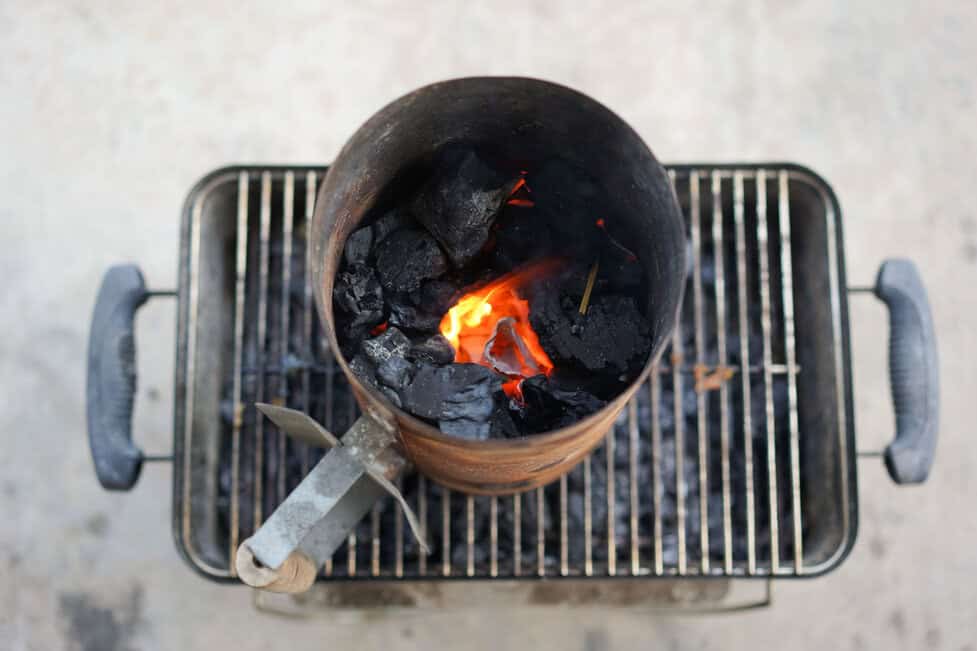
Start by choosing a good charcoal lighting method. Using a chimney starter is safe and quick. Avoid using too much lighter fluid.
- Fill a chimney starter with charcoal
- Place crumpled paper or fire starters below
- Light the paper and wait 15-20 minutes
- Pour hot coals into the grill
This method gives even heat and avoids chemical tastes. If you do use lighter fluid, wait for it to burn off before cooking.
Managing Airflow
Airflow controls how hot your charcoal burns. Open vents let in oxygen and make coals burn hotter. Close vents to lower heat.
Adjust vents during cooking to keep temperature steady. Good airflow helps charcoal last longer and cooks food well.
- Open bottom vents to increase heat
- Close vents slightly to reduce heat
- Keep top vents open for smoke to escape
- Use vents to control cooking speed
Adding Charcoal Mid-cook
Add fresh charcoal if heat drops during cooking. Place new coals near hot ones to light them fast. Avoid adding too many at once.
Use tongs to spread new charcoal evenly. Wait for the new coals to turn gray before cooking over them. This keeps heat consistent.
- Add a small amount of charcoal at a time
- Place new coals next to hot ones
- Wait 5-10 minutes for new coals to ash over
- Spread coals evenly for balanced heat

Credit: au.lifehacker.com
Common Mistakes To Avoid
Using the right amount of charcoal is important for grilling success. Too much or too little can affect cooking.
Knowing charcoal quality also helps you get better heat and flavor. Avoid these common mistakes for best results.
Using Too Much Charcoal
Putting too much charcoal in your grill can cause uneven cooking and flare-ups. It wastes fuel and makes food burn.
- Excess heat can burn food outside while leaving inside raw.
- It is harder to control grill temperature with too much charcoal.
- More ash is produced, making cleanup tough and blocking airflow.
Using Too Little Charcoal
Using too little charcoal means the grill won’t get hot enough. Cooking takes longer and food may not cook well.
| Problem | Effect |
|---|---|
| Low heat | Food cooks slowly and unevenly |
| Long cooking time | Food loses moisture and flavor |
| Hard to maintain temperature | Grill may go out or burn out quickly |
Ignoring Charcoal Quality
Low-quality charcoal can ruin your grilling experience. It burns unevenly and produces bad smoke.
Tips to choose good charcoal:
- Pick lump charcoal over briquettes for cleaner burn
- Avoid charcoal with fillers or chemicals
- Look for charcoal that lights easily and burns long
Tips For Consistent Bbq Results
Using the right amount of charcoal in your grill is important for good BBQ results. Too much or too little charcoal affects the cooking temperature and time.
These tips will help you manage charcoal and get steady heat for your BBQ every time.
Preheating Time
Let your charcoal burn before you start cooking. Preheating helps the coals reach the right temperature.
Usually, it takes about 15 to 20 minutes for charcoal to turn gray and hot. This shows they are ready.
- Light the charcoal evenly
- Wait until ash covers the coals
- Spread coals for even heat
Using A Charcoal Chimney
A charcoal chimney helps start charcoal faster and evenly. It avoids using lighter fluid, which can affect flavor.
Fill the chimney with the right amount of charcoal for your grill size. Light the newspaper under it and wait about 15 minutes.
- Use a chimney for quick, even heating
- Fill it to match your grill’s fuel needs
- Transfer hot coals carefully into the grill
Monitoring Temperature
Check the grill temperature often while cooking. This helps keep food from burning or undercooking.
Use a grill thermometer or a handheld one. Adjust charcoal amount or grill vents to control heat.
- Keep an eye on the thermometer reading
- Add charcoal for more heat if needed
- Open vents to increase airflow and temperature
- Close vents to lower the heat

Credit: ddrbbqsupply.com
Frequently Asked Questions
How Much Charcoal Is Needed For A Small Grill?
For a small grill, use about 30 briquettes or 3 pounds of lump charcoal. This amount ensures steady heat for grilling small portions effectively without waste.
How To Measure Charcoal For A Medium Grill?
A medium grill typically requires 50 to 70 briquettes or 5 pounds of lump charcoal. This quantity provides sufficient heat for cooking moderate-sized meals evenly.
How Much Charcoal For Indirect Grilling?
Use twice the normal charcoal amount for indirect grilling. Arrange coals on one side, leaving the other empty for slow, even cooking.
Can Too Much Charcoal Affect Grilling?
Yes, too much charcoal can cause excessive heat, burning food quickly. Proper charcoal amounts help maintain consistent temperatures and better cooking control.
Conclusion
Choosing the right amount of charcoal makes grilling easier and tastier. Start with enough charcoal to cover the grill’s bottom in a single layer. Add more if you want longer cooking times or higher heat. Watch the flames and adjust the charcoal as needed.
This simple step helps food cook evenly and stay juicy. Enjoy your grilling with confidence and good flavor every time. Keep practicing, and you’ll find the perfect balance for your grill.