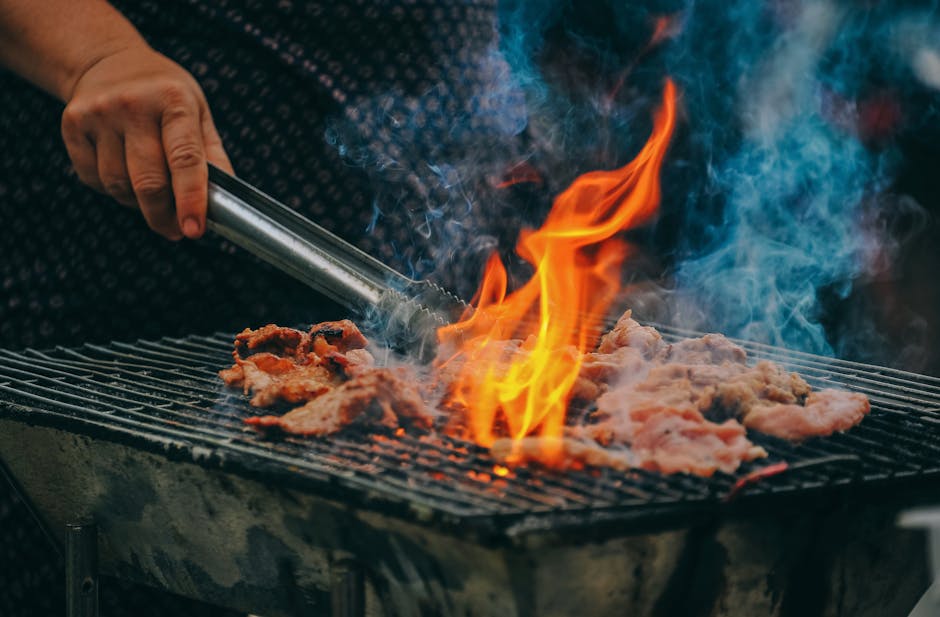
Grilling is one of the best ways to enjoy tasty, smoky flavors outdoors. But have you ever wondered how much charcoal you actually need to get the perfect fire going?
Using too little charcoal can leave your food undercooked, while too much can waste fuel and make your grill too hot to handle. If you want to master your grilling game and cook like a pro, understanding the right amount of charcoal is key.
Keep reading, and you’ll learn simple tips to get your fire just right every time.
Choosing Charcoal Types
Grilling with charcoal needs the right type for best results. Different charcoals burn differently and affect taste.
This guide explains lump charcoal and briquettes. Learn their benefits and drawbacks to pick what suits your grill.
Lump Charcoal Vs Briquettes
Lump charcoal is made by burning wood in low oxygen. Briquettes are made from compressed charcoal dust and other ingredients.
- Lump charcoal lights faster than briquettes.
- Lump burns hotter but shorter.
- Briquettes burn more evenly and last longer.
- Briquettes produce more ash than lump charcoal.
Pros And Cons Of Each Type
| Charcoal Type | Pros | Cons |
|---|---|---|
| Lump Charcoal | Burns hotter Lights quickly Less ash | Burns fast Uneven heat More expensive |
| Briquettes | Even heat Long burn time Affordable | More ash Slower to light May contain additives |

Credit: au.lifehacker.com
Factors Affecting Charcoal Amount
The right amount of charcoal is key for good grilling results. Several factors affect how much charcoal you need. Understanding these helps you cook food evenly and safely.
Charcoal use depends on your grill, the heat level, and what you are cooking. Adjusting the charcoal amount improves your grilling experience.
Grill Size And Shape
The size and shape of your grill change how much charcoal you should use. Bigger grills need more charcoal to cover the whole cooking area. Round grills spread heat differently than rectangular ones.
| Grill Type | Recommended Charcoal Amount |
| Small (up to 18 inches) | 3 to 4 pounds |
| Medium (18 to 22 inches) | 4 to 6 pounds |
| Large (over 22 inches) | 6 to 8 pounds |
Cooking Temperature
The heat you want affects charcoal use. High heat needs more charcoal to keep the fire hot. Lower heat uses less charcoal but lasts longer. Adjust charcoal piles to control temperature.
- High heat: Use a full pile of charcoal for searing.
- Medium heat: Use half the pile for slow cooking.
- Low heat: Use a small amount for warming or smoking.
Food Quantity And Type
The amount and kind of food change how much charcoal you need. More food needs more heat to cook well. Thick cuts or dense foods need more charcoal than thin or quick-cooking items.
- Steaks and burgers: Use more charcoal for high heat.
- Chicken and pork: Medium charcoal for even cooking.
- Vegetables and fish: Less charcoal for gentle heat.
Charcoal Measurement Tips
Grilling with charcoal adds a unique flavor to your food. Knowing how much charcoal to use can make your grilling experience better.
Here are some tips to help you measure the right amount of charcoal for your grill.
Estimating By Weight
Weighing charcoal can give you a precise measure. This helps in keeping the grill temperature steady.
- Use a kitchen scale to weigh the charcoal.
- A general rule is 2 pounds for a small grill.
- For a larger grill, use 4-6 pounds.
Using Volume For Quick Measures
When you don’t have a scale, use a chimney starter. This is a quick way to measure charcoal by volume.
Fill a standard chimney starter full for high heat grilling.
For medium heat, fill it halfway.
Use one-third for low heat cooking.
| Grill Size | Weight of Charcoal | Chimney Fullness |
| Small | 2 pounds | Half-full |
| Medium | 4 pounds | Full |
| Large | 6 pounds | Full + extra |
Setting Up The Charcoal
Setting up charcoal correctly is key for good grilling. The way you arrange the coals affects cooking time and heat control.
This guide explains how to arrange charcoal for both direct and indirect heat grilling methods.
Arranging For Direct Heat
Direct heat grilling means placing food right above the hot coals. This method cooks food fast and gives a good sear.
- Use a full chimney of charcoal for high heat.
- Spread the lit coals evenly across the grill base.
- Keep the coals close together for steady heat.
- Adjust the grill grate height to control cooking speed.
Arranging For Indirect Heat
Indirect heat grilling uses charcoal placed to the side. Food cooks slowly without direct flame contact.
| Charcoal Placement | Purpose | Amount to Use |
|---|---|---|
| Charcoal on one side | Cook larger cuts slowly | Half a chimney of charcoal |
| Charcoal on both sides | Cook bigger meals evenly | Two halves of chimney, sides only |
| No charcoal in center | Place food in middle for indirect heat | N/A |
Adjusting Charcoal For Longer Cooking
Grilling foods that take longer needs more attention to charcoal. You must add charcoal and control heat carefully. This keeps the cooking steady and food tasty.
Knowing how to adjust charcoal mid-cook helps you avoid undercooked or burnt food. Use these tips to keep your grill hot enough for slow cooking.
Adding Charcoal Mid-cook
Add fresh charcoal to keep heat strong during long cooks. This prevents temperature drops that slow cooking. Add charcoal safely and in small amounts.
- Use tongs to place new charcoal on hot coals.
- Light fresh charcoal in a chimney starter for faster ignition.
- Avoid piling too much charcoal at once to prevent flare-ups.
- Spread new coals evenly to keep heat balanced.
- Wait a few minutes for new coals to ash over before cooking again.
Managing Airflow To Control Heat
Airflow controls how hot your charcoal burns. More air means hotter fire. Less air cools the fire down. Adjust vents to keep the right heat.
| Vent Setting | Effect on Heat |
| Fully Open | Maximum heat and faster burn |
| Half Open | Medium heat for steady cooking |
| Mostly Closed | Low heat, slow burn |
| Fully Closed | Fire dies out quickly |

Credit: ddrbbqsupply.com
Common Mistakes To Avoid
Using the right amount of charcoal is key for good grilling. Too much or too little can spoil your food.
Let’s look at common mistakes people make with charcoal. Avoid these to cook better every time.
Using Too Much Charcoal
Adding too much charcoal causes very high heat. This can burn food on the outside while leaving the inside raw.
Too much charcoal also wastes fuel and creates excess ash. This makes cleaning harder and can block airflow.
- Food cooks too fast outside but stays raw inside
- More ash buildup blocks air and lowers fire quality
- Wastes charcoal and increases grilling cost
- Harder to control temperature for slow cooking
Using Too Little Charcoal
Using too little charcoal does not make enough heat. Your food may take longer to cook or stay cold in the middle.
Too little charcoal can cause uneven heat. Some parts of the grill stay hot while others stay cool, making cooking tricky.
- Food cooks slowly and may be unsafe to eat
- Heat spreads unevenly, causing hot and cold spots
- Grill takes longer to reach cooking temperature
- Hard to maintain steady temperature for recipes
Tools To Measure Charcoal Accurately
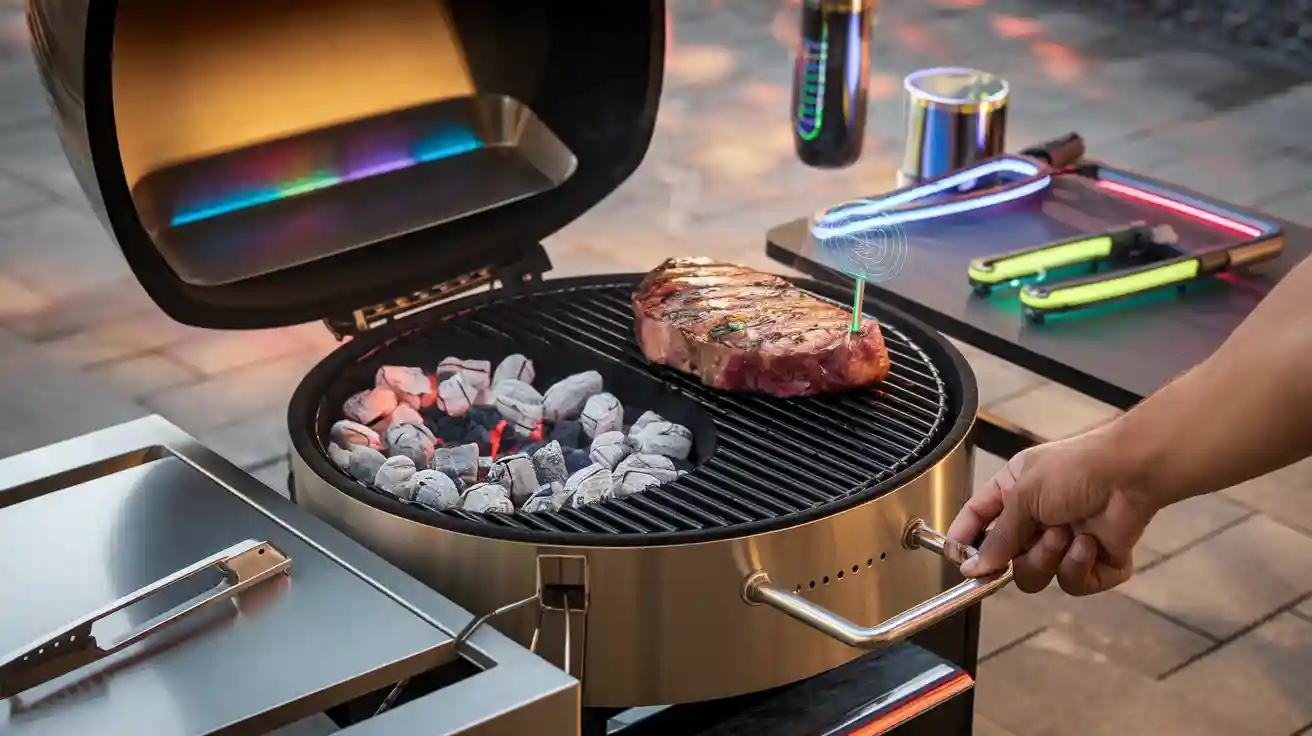
Using the right amount of charcoal is important for good grilling. Too much or too little can change cooking time and flavor. Tools help you measure charcoal easily and correctly.
These tools give you control over how much heat you create. They also save charcoal and avoid waste. Let’s look at some common tools to measure charcoal.
Charcoal Rulers And Scoops
Charcoal rulers help you measure the height of charcoal piles in your grill. They give a quick estimate of how much charcoal is there. Scoops come in set sizes to scoop the right amount every time.
Using rulers and scoops keeps your charcoal amount consistent. This makes grilling results more predictable. You can use them to follow recipes or your own grilling style.
- Charcoal rulers measure pile height in inches or centimeters
- Scoops come in small, medium, and large sizes
- Scoops often hold about 1 cup or 2 cups of charcoal
- Rulers are easy to use and clean
- Scoops help portion charcoal quickly and evenly
Digital Scales
Digital scales measure charcoal by weight. This gives very accurate amounts for grilling. You can use any kitchen scale that shows grams or ounces.
Weighing charcoal helps if recipes list charcoal by weight. It also helps when you want to match heat exactly. Digital scales provide precise control for better cooking.
- Place a bowl on the scale to hold charcoal
- Tare the scale to zero before adding charcoal
- Measure charcoal in grams or ounces
- Use scales for small or large charcoal amounts
- Keep scales clean and dry for best use
Credit: www.siuhaau.com
Frequently Asked Questions
How Much Charcoal Is Needed For A Small Grill?
For a small grill, use about 30 briquettes or one chimney starter. This amount provides enough heat for 30 minutes of grilling. Adjust depending on cooking time and food quantity.
How To Measure Charcoal For A Medium-sized Grill?
Use 40 to 50 briquettes for a medium grill. This amount ensures consistent heat for up to an hour. Add more if cooking larger meals or longer.
What Is The Charcoal Amount For A Large Grill?
A large grill typically requires 70 to 100 briquettes. This quantity provides steady heat for extended grilling sessions. Distribute evenly for best results.
How To Adjust Charcoal Based On Cooking Time?
Increase charcoal for longer cooking times and decrease for shorter ones. More charcoal maintains heat longer; less charcoal cools faster. Adjust to avoid undercooking or burning.
Conclusion
Grilling with the right amount of charcoal makes all the difference. Too little charcoal means weak heat and slow cooking. Too much charcoal can burn your food or waste fuel. Aim for the right balance based on your grill size and cooking time.
Adjust charcoal as needed for different recipes. Good heat control helps you cook delicious meals every time. Keep practicing to find what works best for you. Happy grilling!