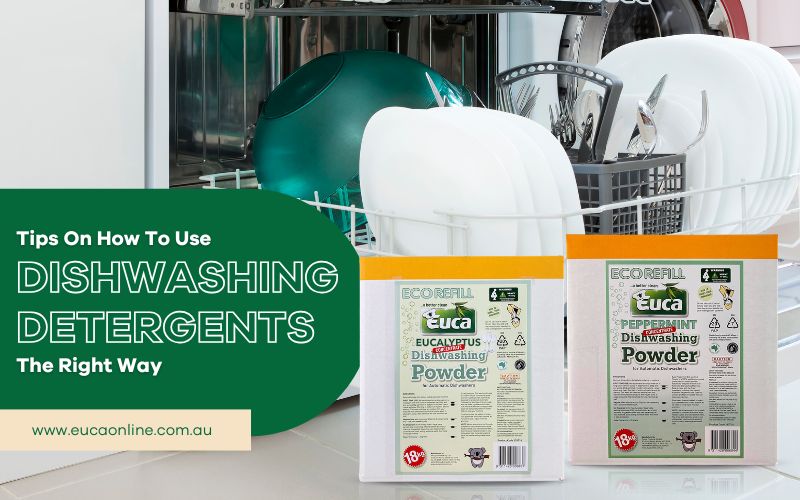
Are you tired of streaky glasses and grimy plates after running a full cycle in your dishwasher? It might not be your machine’s fault.
The secret to sparkling clean dishes often lies in the amount of dishwasher powder you use. Too little, and your dishes may not get clean. Too much, and you could end up with residue or even damage your dishwasher. Finding the perfect balance can feel like a guessing game, but it doesn’t have to be.
We will reveal the precise amount of dishwasher powder you should be using for optimal results. Stick around to discover tips and tricks that can save you time, money, and ensure your dishes come out perfect every time.

Credit: www.eucaonline.com.au
Choosing The Right Amount
Choosing the right amount of dishwasher powder is key to clean dishes and a well-functioning machine. Too little powder may leave food residue and stains. Too much powder can cause excess suds and damage the dishwasher. Understanding how to measure the correct dosage helps you save money and protect your appliance.
Factors Affecting Dosage
Several factors influence how much dishwasher powder you need to use. Hard water areas usually require more detergent to tackle mineral buildup. The level of soil on your dishes also affects the dose; heavily soiled plates need more powder. The type of dishwasher powder matters too, as some formulas are more concentrated than others.
Manufacturer Guidelines
Always check the dishwasher powder packaging for manufacturer instructions. These guidelines provide the recommended amount per load size and soil level. Following these directions ensures the best cleaning results. Ignoring guidelines can lead to poor washing or machine damage.
Dishwasher Capacity
The size of your dishwasher affects the powder amount. Compact dishwashers need less detergent than full-sized models. Loading your dishwasher to its capacity helps use detergent efficiently. Overloading or underloading can reduce cleaning performance even with the right powder amount.

Credit: puracy.com
Types Of Dishwasher Powder
Dishwasher powders come in different types to suit various needs and preferences. Choosing the right type can improve cleaning results and protect your dishwasher. Understanding the main options helps you decide the best powder for your dishes and dishwasher.
Standard Powders
Standard dishwasher powders are the most common choice. They contain enzymes and cleaning agents that remove food and grease. These powders usually dissolve quickly and work well in most water types. They are affordable and widely available in stores. Using the right amount avoids residue on dishes.
Eco-friendly Options
Eco-friendly dishwasher powders focus on natural ingredients. They avoid harsh chemicals that can harm the environment. These powders are biodegradable and often phosphate-free. They clean gently but effectively. Ideal for sensitive skin and homes with children. Check labels to ensure true eco-friendly claims.
Powder Vs. Tablets
Powder offers flexibility in dosing. You can adjust the amount based on the load size and soil level. Tablets provide a pre-measured dose for convenience. They dissolve slowly and often include rinse aid and salt. Tablets may cost more but reduce measuring mistakes. Both types work well with the right dishwasher settings.
Measuring Dishwasher Powder
Measuring dishwasher powder correctly is key to getting your dishes sparkling clean without wasting detergent or damaging your machine. Using the right amount ensures effective cleaning and protects your dishwasher from buildup. Let’s break down how you can measure dishwasher powder accurately and avoid common pitfalls.
Using Measuring Tools
Measuring tools like scoops or small cups are designed to help you add the exact amount of powder needed. Many dishwasher powders come with a scoop inside the package—use it every time to maintain consistency.
If your powder doesn’t have a scoop, you can use a tablespoon or a kitchen measuring spoon. Typically, the recommended amount ranges from one to two tablespoons per load, but always check your dishwasher’s manual for specific advice.
Using a measuring tool prevents adding too much detergent, which can cause excess suds and leave residue on your dishes. It also avoids using too little, which might leave your dishes dirty.
Estimating Without Tools
Don’t have a measuring scoop handy? You can estimate by using your fingers or the size of the powder compartment in your dishwasher.
- Pinch a small amount of powder roughly equal to a tablespoon between your thumb and forefinger.
- Look at the detergent compartment’s fill line—most have markings indicating the ideal powder level.
- Start with a smaller amount if unsure; you can always add more next time if your dishes aren’t clean enough.
Have you noticed your dishes still look cloudy or spotty even after washing? This could be a sign that your powder amount is off and needs adjusting.
Common Mistakes To Avoid
A common error is overloading the detergent compartment. More powder doesn’t mean cleaner dishes—it often leads to residue buildup on glassware and inside the dishwasher.
Another mistake is ignoring the dishwasher’s instructions. Each model may have different detergent needs based on water hardness and cycle type.
Don’t forget to store your dishwasher powder in a dry place. Moisture causes clumping, which makes measuring and dispensing inconsistent.
What’s the last dishwasher mishap you faced? Reflecting on that can help you fine-tune how much powder to use next time.
Adjusting Powder Based On Load
Adjusting the amount of dishwasher powder based on the type of load helps achieve cleaner dishes. Different loads need different powder amounts to work well. Using too much powder can leave residue, while too little may not clean properly. Understanding the load type guides the right powder use.
Light Loads
Light loads include a few plates, glasses, or cups. These items usually have little dirt or food residue. Use less dishwasher powder to avoid waste and residue. Half the recommended dose often works well for light loads. This saves powder and keeps dishes spotless.
Heavy Or Greasy Loads
Heavy loads have pots, pans, or dishes with stuck-on food. Greasy plates need more cleaning power to remove oil and grime. Use a full dose or slightly more dishwasher powder for these loads. This ensures all grease and food bits dissolve completely. It prevents spots and leftover stains.
Mixed Loads
Mixed loads contain both light and heavy items. Balance the powder amount to handle all dish types. Use about three-quarters of the full dose as a good starting point. This amount cleans well without wasting powder. Adjust slightly based on how dirty the dishes look.
Water Hardness And Its Impact
Water hardness plays a crucial role in how much dishwasher powder you should use. Hard water contains high levels of minerals like calcium and magnesium, which can reduce the effectiveness of your detergent. Understanding your water’s hardness can help you avoid spots on dishes and keep your dishwasher running smoothly.
Testing Water Hardness
You can easily find out your water hardness using a simple test kit from a hardware store or online. These kits usually involve dipping a strip into your tap water and comparing the color change to a chart. Knowing your water hardness level gives you a clear idea of how much dishwasher powder to add.
Adjusting Powder For Hard Water
If your water is hard, you’ll need to use more dishwasher powder to combat the mineral buildup. Start by increasing the amount slightly and observe your dishes for spots or film. You can also use water softening agents or a built-in water softener in your dishwasher to improve results.
Soft Water Considerations
Soft water requires less dishwasher powder because it doesn’t have many minerals to interfere with cleaning. Using too much powder in soft water can cause excess suds and leave a residue on your dishes. Try using less powder than recommended and adjust based on how clean your dishes come out.
Enhancing Cleaning Performance
Enhancing your dishwasher’s cleaning performance involves more than just using the right amount of powder. Small adjustments can lead to cleaner dishes and less residue. Understanding how rinse aids, pre-rinsing, and maintenance work together helps maximize results.
Combining With Rinse Aids
Rinse aids help water slide off dishes quickly. This reduces spots and streaks. Using rinse aids alongside dishwasher powder improves drying and cleanliness. Most machines have a rinse aid dispenser; fill it regularly. This combination ensures dishes come out spotless and dry.
Pre-rinsing Tips
Pre-rinsing removes large food particles before washing. It prevents clogs and helps detergent work better. Use cold water for a quick rinse. Avoid heavy scrubbing, which wastes effort. A light rinse saves energy and improves cleaning results.
Regular Dishwasher Maintenance
Keep your dishwasher clean to maintain peak performance. Check and clean filters weekly. Wipe door seals and spray arms to remove buildup. Run an empty cycle with dishwasher cleaner monthly. Regular care prevents odors and ensures powder dissolves well.
Common Problems And Solutions
Using the right amount of dishwasher powder can make or break your dishwashing experience. Too much or too little powder often leads to common problems that affect your dishes, dishwasher, and even your daily routine. Understanding these issues and how to solve them helps you get the best results every time.
Powder Residue On Dishes
Have you ever opened your dishwasher only to find a white, powdery film on your plates and glasses? This usually happens when you add too much detergent or the powder doesn’t dissolve properly.
To fix this, try using a smaller amount of powder and check if your water temperature is hot enough—ideally around 120°F (49°C). Also, make sure your dishwasher’s filter and spray arms are clean so water flows freely and rinses the detergent away.
Poor Cleaning Results
Sometimes your dishes come out still greasy or with stuck-on food. This often means you’re not using enough dishwasher powder or the wrong type for your water hardness level.
Adjust the amount of powder according to your water type—soft water requires less powder, while hard water demands more. If you notice persistent issues, try switching to a powder designed for tough stains or consider adding a rinse aid for better cleaning performance.
Dishwasher Damage Risks
Overusing dishwasher powder can harm your machine. Excess detergent can cause buildup inside the dishwasher, leading to clogged spray arms and damaged seals.
Using the right amount protects your appliance and extends its life. Pay attention to the manufacturer’s guidelines and avoid “more is better” thinking. Have you checked your dishwasher manual lately to see the exact powder quantity recommended?

Credit: www.getcleanpeople.com
Frequently Asked Questions
How Much Dishwasher Powder Is Needed Per Load?
Use about one to two tablespoons of dishwasher powder per load. Adjust based on your dishwasher’s size and soil level for best results.
Can Too Much Dishwasher Powder Harm Dishes?
Yes, using too much powder can leave residue on dishes. It may also cause excessive suds, leading to poor cleaning and appliance damage.
Is Dishwasher Powder Better Than Liquid Detergent?
Dishwasher powder often works well for hard water and heavy soils. However, liquid detergent dissolves faster and can be gentler on delicate dishes.
How Do I Measure Dishwasher Powder Accurately?
Use the scoop provided with the powder or a tablespoon measure. Avoid guessing to ensure proper cleaning and prevent residue buildup.
Conclusion
Using the right amount of dishwasher powder saves money and cleans better. Too much powder can leave residue on dishes. Too little may not clean well. Check your dishwasher’s instructions for the best dose. Adjust the amount based on how dirty your dishes are.
Keep your dishwasher powder dry and sealed to stay fresh. Simple steps like these help your dishwasher work well every time. Clean dishes with less waste. Easy and smart.