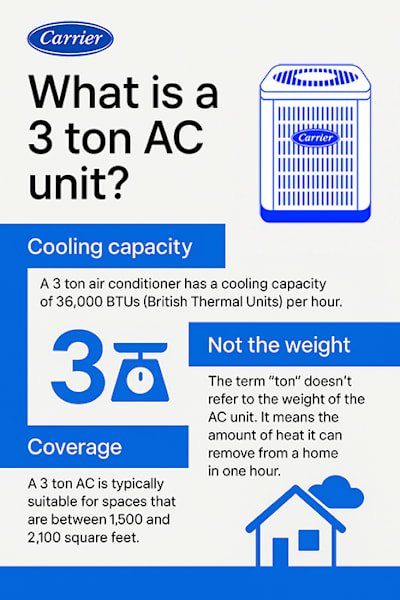
Have you ever wondered how much your air conditioner weighs? Whether you’re planning to move it, install a new unit, or just curious about what’s behind that bulky machine, knowing its weight is more important than you might think.
It affects everything from handling and installation to the safety of your home setup. You’ll discover the typical weights of different types of air conditioners and learn how this simple fact can make your next cooling project much easier. Keep reading—you’ll be surprised at what a difference this knowledge can make!
Types Of Air Conditioners
Window unitsare compact and fit into window frames. They usually weigh between 40 to 80 pounds. These units cool single rooms and are easy to install.
Portable modelsare smaller and can be moved from room to room. Their weight ranges from 30 to 50 pounds. They need a vent to the outside for hot air.
| Type | Weight Range (pounds) | Use |
|---|---|---|
| Window Units | 40 – 80 | Single room cooling |
| Portable Models | 30 – 50 | Moveable room cooling |
| Split Systems | 100 – 250 | Multiple rooms, wall-mounted |
| Central Air Conditioners | 150 – 400 | Whole house cooling |
Split systemshave two parts: inside and outside units. They weigh from 100 to 250 pounds. These cool several rooms and are quieter.
Central air conditionersare large and heavy, from 150 to 400 pounds. They cool the entire house through ducts.
Weight Range By Type
Window air conditionersusually weigh between 40 to 80 pounds. These units are compact and designed to fit in a window. Their weight depends on size and cooling power.
Portable air conditionersare heavier, generally ranging from 50 to 100 pounds. They have wheels for easier movement but still need some effort to carry.
Split system air conditionershave two parts: indoor and outdoor units. The indoor unit weighs around 15 to 40 pounds. The outdoor unit is heavier, from 50 to 150 pounds, depending on capacity.
Central air conditioning unitsare the heaviest. They can weigh from 150 to over 300 pounds. These systems cool whole homes and require professional installation.
Factors Influencing Weight
The size and cooling capacityof an air conditioner greatly affect its weight. Bigger units with higher cooling power usually weigh more. Small window ACs can weigh around 30-60 pounds. Larger central AC systems can weigh hundreds of pounds.
Materials usedin the unit also change the weight. Metals like steel add more weight than plastics. Quality compressors and coils inside can make the unit heavier too.
Extra features and componentsadd to the total weight. Built-in heaters, air purifiers, or smart controls increase weight. The more parts, the heavier the AC tends to be.

Credit: www.ktaxon.com
Why Weight Matters
Air conditionerscome in different sizes and weights. Knowing the weighthelps in many ways.
Installationneeds careful thought. Heavier units require strong mounts and secure fixings. Light units are easier to place but may not cool large rooms well.
Transportation and handlingcan be tricky. Heavy air conditioners need more than one person to move safely. Special equipment might be needed for very large units.
Structural supportis very important. Walls and roofs must hold the unit’s weight safely. Older buildings might need extra support to avoid damage.
Tips For Moving Heavy Units
Heavy air conditioner units can be hard to move safely. Taking proper safety precautionsis very important. Always wear protective glovesand shoes to avoid injuries. Clear the path to avoid tripping over objects. Use a buddy system to share the weight and keep balance.
Some useful tools and equipmentinclude dollies, straps, and lifting belts. These help carry the unit without hurting your back. Use a dolly to roll the unit instead of lifting it. Secure the unit tightly with straps during transport.
Sometimes, getting professional helpis the safest choice. Experts have the right tools and skills to move heavy air conditioners. They reduce the risk of damage to the unit and injury to yourself. Professionals save time and effort during the move.

Credit: www.amazon.ca
Weight And Energy Efficiency
Air conditioner weightoften relates to its size and power. Larger units usually weigh more because they have bigger compressors and more metal parts. These parts help the unit cool larger spaces efficiently. Smaller units are lighter but may use more energy to cool the same area.
Energy efficiency depends on design, not just weight. Some heavy units use advanced technology to save power. Lightweight units might be less efficient if they lack these features.
| Unit Type | Weight Range | Energy Efficiency | Best For |
|---|---|---|---|
| Lightweight Units | 20-50 lbs | Moderate | Small rooms or portable use |
| Heavy Units | 50-150 lbs or more | High | Large rooms or whole house cooling |
- Heavy units can last longer due to sturdy parts.
- Lightweight units are easier to install and move.
- Choosing depends on room size and energy goals.

Credit: www.popularmechanics.com
Frequently Asked Questions
How Much Does A Window Ac Weigh?
Window air conditioners typically weigh between 40 and 120 pounds. The weight varies based on the unit’s size and cooling capacity. Smaller units designed for single rooms weigh less, while larger units for bigger spaces are heavier.
What Is The Weight Of A Central Ac Unit?
Central AC units usually weigh between 150 and 300 pounds. The weight depends on the unit’s size and efficiency. Larger homes require bigger units, which are generally heavier due to additional components.
Do Portable Ac Units Weigh A Lot?
Portable air conditioners generally weigh between 50 and 80 pounds. They are designed for easy movement and flexibility. The weight varies based on the cooling capacity and additional features like dehumidifiers.
Why Do Air Conditioners Vary In Weight?
Air conditioners vary in weight due to size, type, and capacity. Larger units with higher cooling capacities weigh more. Construction materials and additional features also contribute to the overall weight differences.
Conclusion
Air conditioners come in many sizes and weights. Small window units weigh less than larger central systems. Knowing the weight helps when moving or installing them. It also affects shipping and handling costs. Always check the product details before buying.
This ensures you get the right unit for your needs. Understanding weight makes the process easier and safer. Choose carefully for a comfortable and cool home.