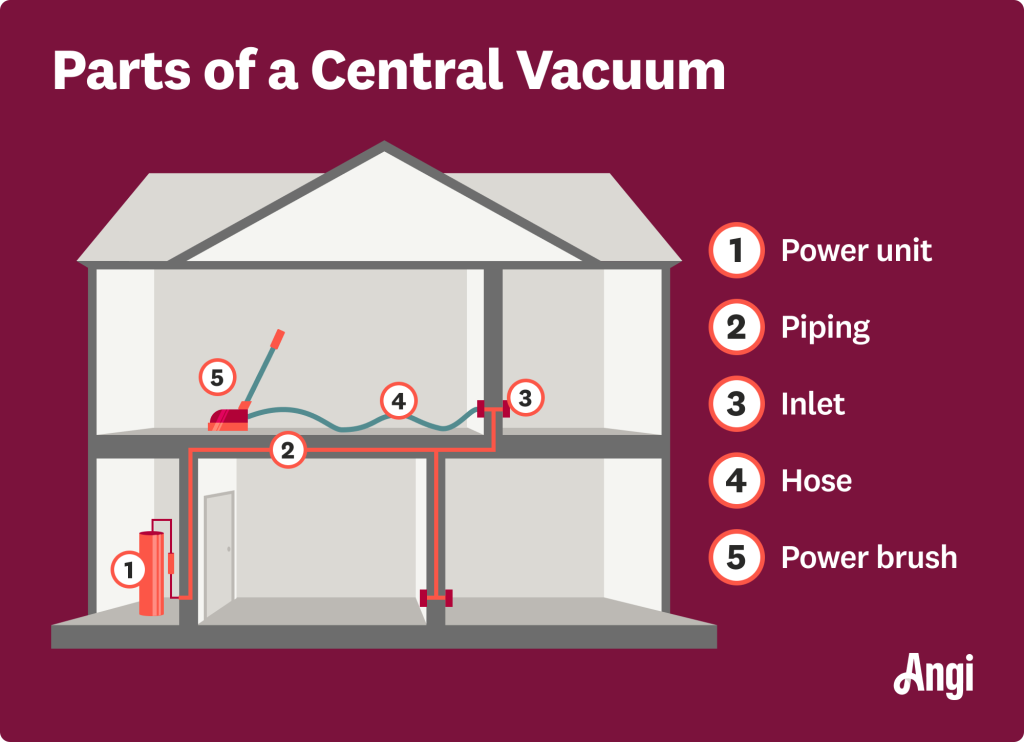
Are you tired of lugging around a heavy vacuum cleaner from room to room? Have you ever wondered if there’s a more efficient way to keep your home spotless?
Central vacuum systems might be the answer you’ve been looking for. But before you dive into this modern convenience, you’re probably asking, “How much do central vacuum systems cost? ” You’re not alone. Many homeowners are curious about the investment involved in upgrading to this sleek cleaning solution.
We’ll break down the costs, explore the benefits, and help you determine if a central vacuum system is the right choice for your home. Stick around, because understanding the true value of these systems could change the way you clean forever.
Factors Affecting Central Vacuum Costs
Several factors influence the total cost of a central vacuum system. These elements affect both the initial investment and long-term value. Understanding each factor helps in making a smart purchase decision.
System Size And Capacity
The size of the system depends on your home’s area and layout. Larger homes need more powerful units and extensive piping. This increases the price due to extra materials and labor. Smaller systems cost less but suit only compact spaces.
Installation Complexity
Installing a central vacuum in a new build is simpler and cheaper. Older homes require more work to fit pipes inside walls and floors. Difficult access or complex layouts raise installation costs. Professional installation ensures proper setup and system efficiency.
Brand And Model Variations
Different brands offer a range of models with various features. Well-known brands often charge more for quality and warranty. Basic models focus on essential functions and cost less. Premium models may include noise reduction or advanced filters, adding to the price.
Additional Accessories
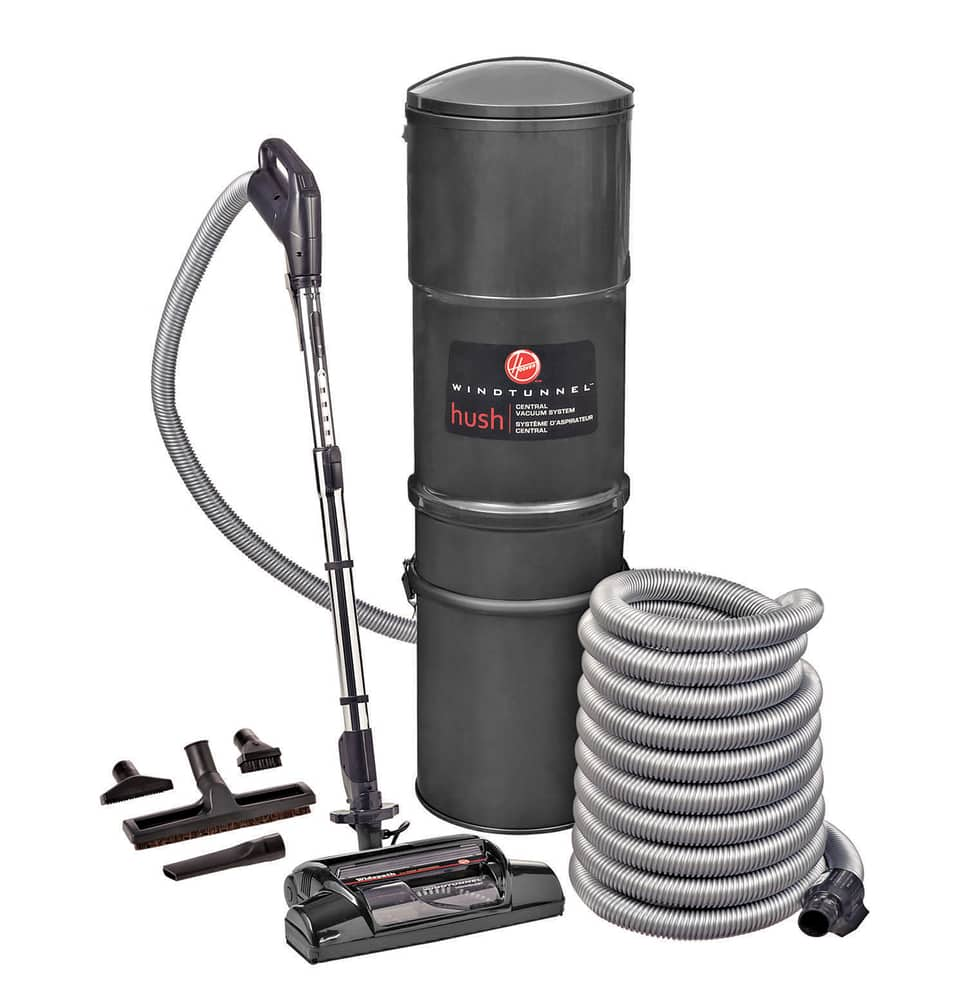
Accessories like hoses, brushes, and wall inlets add to the total cost. Specialized tools for pet hair or upholstery raise expenses. More accessories increase system versatility and convenience but also the initial price.
Price Range For Central Vacuum Systems
The price range for central vacuum systems varies widely. Several factors influence the cost, including the system’s power, features, and brand. Understanding different price levels helps you choose the right system for your home and budget.
Central vacuum systems generally fall into three price categories. Each category offers distinct benefits and suits different needs. Below is a breakdown of these categories to guide your decision.
Entry-level Options
Entry-level central vacuum systems usually cost between $500 and $1,000. These systems offer basic suction power and fewer features. They work well for small homes or occasional use.
- Simple installation
- Basic motor power
- Limited accessories
These systems are ideal for budget-conscious buyers wanting convenience without extra features.
Mid-range Models
Mid-range systems typically cost from $1,000 to $2,000. They provide stronger suction and more accessories than entry-level models. These systems suit medium to large homes.
- Improved motor performance
- More hose and tool options
- Better filtration systems
These models offer a good balance between price and functionality.
High-end Systems
High-end central vacuum systems start at $2,000 and can exceed $3,500. They deliver powerful suction and advanced features. These systems are built for large homes and heavy-duty cleaning.
- High-capacity motors
- Smart controls and automation
- Premium filtration and noise reduction
These top-tier systems provide long-term durability and superior performance.
Installation Cost Breakdown
Understanding the installation cost breakdown of central vacuum systems helps you plan your budget better. Costs vary widely depending on factors like labor, materials, and whether you’re installing in a new build or an existing home. Let’s look at these elements closely to give you a clear picture of what to expect.
Labor Expenses
Labor often accounts for a significant portion of the installation cost. Technicians need to carefully route the vacuum pipes through walls, floors, or ceilings, which can be time-consuming. If your home has tricky layouts or limited access, labor costs can rise due to the extra work involved.
I once had a friend pay nearly double because his house had stone walls, making pipe installation much harder. Ask your installer about their hourly rates and estimated hours. Knowing this upfront helps you avoid surprises.
Material Costs
Material costs include the vacuum pipes, fittings, inlets, and the central power unit. Quality matters here—durable PVC pipes and reliable power units may cost more but last longer and perform better. Cheaper materials might save you money upfront but could lead to repairs or replacements sooner.
- Pipes and fittings typically make up about 30-40% of the material cost.
- The vacuum power unit is usually the most expensive single item.
- Additional parts like wall plates and brushes also add to the total.
Have you checked whether the system you’re considering has warranty coverage? This can save you money on future repairs.
Retrofit Vs New Construction
Installing a central vacuum system during new construction is usually cheaper and less disruptive. Builders can plan pipe routes early, and access is easier with open walls and ceilings. This often reduces labor time and complexity.
Retrofit installations in existing homes can be more costly. You might face challenges like cutting into drywall or working around existing plumbing and electrical systems. This can increase both labor and material costs.
Think about your home’s current stage. Are you building new or upgrading? This decision impacts your budget significantly. What trade-offs are you willing to make between cost and convenience?

Credit: www.amazon.ca
Maintenance And Operating Expenses
Understanding the maintenance and operating expenses of central vacuum systems is crucial to managing your overall budget. These costs can add up over time, impacting how much you truly spend beyond the initial installation. Paying attention to specific factors like filter replacements, energy use, and repairs helps you plan better and avoid unexpected bills.
Filter And Bag Replacements
Filters and bags don’t last forever. Most central vacuum systems require you to change or clean filters every 6 to 12 months, depending on usage. Bags, if your system uses them, might need replacement more frequently.
Choosing the right replacement parts can save money. Generic filters often cost less than brand-name ones but check if they affect your vacuum’s efficiency. Have you checked your system’s manual lately to see the recommended replacement schedule? Staying on top of this prevents clogging and keeps suction power strong.
Energy Consumption
Central vacuum systems generally use less electricity than portable vacuums because they operate with a powerful motor located outside living areas. However, the total energy cost depends on how often and how long you run the system.
Some models come with energy-saving features like automatic shut-off. If your unit doesn’t, consider using a timer to limit operation time. Ever wondered how much your vacuum adds to your electricity bill? Tracking usage can reveal surprising savings.
Repair And Service Fees
Repairs are part of owning any appliance. Common issues include motor problems, hose leaks, or switch failures. Regular maintenance can reduce the likelihood of costly repairs.
Service fees vary widely based on the problem and your location. Some homeowners handle minor fixes themselves, which saves money. But for complex repairs, hiring a professional ensures safety and longevity. Are you prepared for unexpected repair costs, or have you set aside a small emergency fund for your system?
Cost Comparison With Traditional Vacuums
Comparing the cost of central vacuum systems to traditional vacuums often reveals a more complex picture than just the upfront price. While traditional vacuums may seem cheaper initially, central vacuum systems offer unique benefits that affect your overall expenses and home value. Understanding these differences helps you make a smarter investment in cleaning technology.
Long-term Savings
Central vacuum systems typically cost more to install, with prices ranging from $1,000 to $3,000 depending on home size and system quality. Traditional vacuums usually cost between $100 and $500. However, central systems require less maintenance and have longer lifespans, reducing replacement and repair costs.
With a central system, you won’t need to buy bags or filters frequently, which saves money over the years. Imagine not having to replace your vacuum every few years—how much could that add up to?
Convenience And Efficiency
Central vacuum systems make cleaning faster and easier since you avoid lugging a heavy machine around. The hoses are lighter, and the suction power is stronger, meaning you clean more effectively in less time. Traditional vacuums can struggle with deep carpet cleaning or large spaces, which may require multiple passes and extra effort.
Consider how much time you spend vacuuming weekly. Would a system that cuts that time in half be worth the initial investment?
Resale Value Impact
Homes equipped with central vacuum systems often attract buyers looking for modern amenities and low-maintenance features. This can increase your home’s resale value by a few thousand dollars. Traditional vacuum ownership doesn’t add any appeal or value to your property.
If you’re planning to sell your home in the next 5 to 10 years, would a central vacuum system give you an edge in the market?
Credit: www.canadiantire.ca
Tips To Save On Central Vacuum Installation
Installing a central vacuum system can feel like a big investment. But with the right approach, you can save a significant amount on installation costs without sacrificing quality. These tips focus on practical ways to keep your expenses manageable while getting a reliable system in place.
Choosing The Right Contractor
Finding a skilled contractor who offers transparent pricing is crucial. Don’t just go with the first quote you receive; compare multiple bids and ask for detailed breakdowns. A trustworthy contractor will explain labor, materials, and any extra fees upfront.
Also, check reviews and ask for references to ensure their work is reliable. Sometimes, paying a bit more for experience saves you money on repairs and adjustments later. Have you thought about asking if they offer package deals or discounts for multiple installations?
Scheduling During Off-peak Times
Timing your installation can impact the overall cost. Contractors may charge less during slower seasons or weekdays when demand is lower. If your schedule is flexible, ask about discounts for booking during these off-peak periods.
This approach not only saves money but might also speed up your installation since the contractor isn’t juggling many jobs. Could shifting your installation date by a few weeks reduce your costs?
Selecting Cost-effective Models
Not all central vacuum systems cost the same, and a high price tag doesn’t always mean better performance. Look for models that balance price and features to fit your home’s size and cleaning needs.
Focus on essential functions like suction power and durability rather than fancy extras you might rarely use. Often, mid-range models provide the best value and longer warranties. Have you reviewed customer feedback to spot reliable, budget-friendly options?
Where To Buy Central Vacuum Systems
Finding the right place to buy a central vacuum system can make a big difference in your purchase experience and satisfaction. You want a source that offers quality products, fair prices, and helpful support. Where you choose to shop affects not just the cost but also the installation options and warranty services you receive.
Online Retailers
Online stores offer a wide range of central vacuum systems, often at competitive prices. Websites like Amazon, Home Depot, and specialized vacuum retailers provide detailed product descriptions and customer reviews to help you decide.
Shopping online lets you compare brands and models quickly. However, you might miss out on personalized advice or hands-on inspection before buying. Have you checked if the seller offers installation guidance or after-sale support?
Specialty Stores
Specialty stores focus solely on vacuum systems and related accessories. Staff at these stores usually have deep product knowledge and can recommend systems suited to your home size and cleaning needs.
Visiting a specialty store allows you to see models in action and ask specific questions. This personal interaction can clarify doubts that online descriptions can’t fully address. Would you consider testing a unit before making a decision?
Local Dealers
Local dealers often combine product sales with installation services. Buying from them can simplify the process since they handle both supply and setup, ensuring compatibility with your home.
Supporting local businesses may lead to quicker service and direct communication if any issues arise. They might also offer maintenance plans or warranties tailored to your region. Do you value having an expert nearby for ongoing support?

Credit: www.amazon.ca
Frequently Asked Questions
How Much Does A Central Vacuum System Cost?
Central vacuum systems typically cost between $700 and $2,500. The price depends on unit size, home size, and installation complexity. Higher-end models and professional installation increase costs. Budgeting for additional accessories is also important for a complete setup.
What Affects The Price Of Central Vacuum Systems?
Price depends on unit capacity, brand, and features. Larger homes need more powerful units, increasing cost. Installation complexity, such as wall types and home layout, also affects pricing. Accessories and warranty plans add to the overall expense.
Is Professional Installation Necessary For Central Vacuum Systems?
Professional installation is recommended for optimal performance and safety. Experts ensure proper placement, wiring, and sealing. DIY installation can save money but risks inefficiency and damage. Most warranties require professional installation to remain valid.
Are There Ongoing Costs For Central Vacuum Systems?
Yes, ongoing costs include replacement filters, bags, and maintenance. Periodic cleaning and occasional repairs may be needed. Energy costs are typically low, as units run efficiently. Budgeting for maintenance helps prolong system lifespan.
Conclusion
Central vacuum systems vary in price based on size and features. Basic models cost less, while advanced ones are pricier. Installation adds to the total expense. Think about your home’s size and cleaning needs before choosing. A good system can save time and effort daily.
Consider it a long-term investment in cleanliness. Check local dealers for accurate prices and options. This helps find a system that fits your budget and needs well.