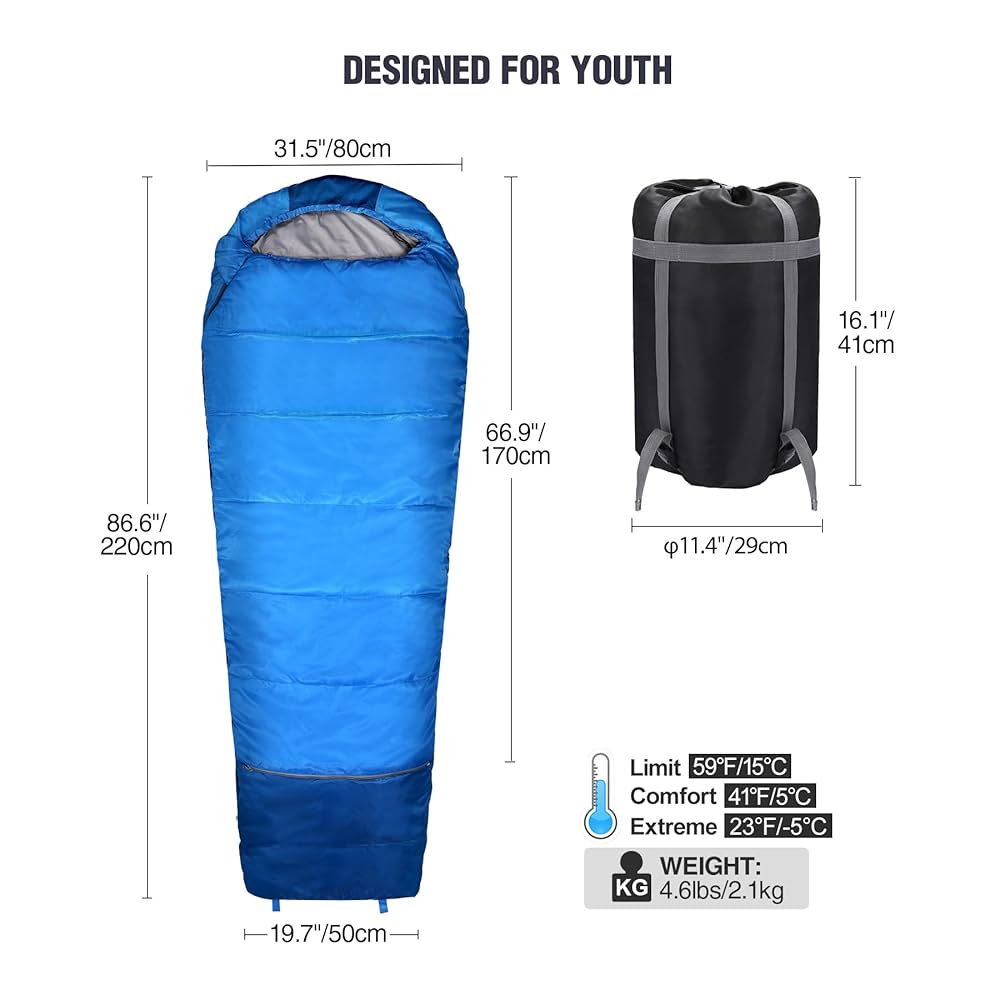
When you’re packing for a camping trip or an outdoor adventure, every ounce counts. You might be wondering, “How much do sleeping bags weigh?” This question is more important than you think.
Your sleeping bag’s weight can affect how far you can hike, how comfortable you’ll be, and how easily you can carry your gear. You’ll discover the key factors that influence sleeping bag weight and find the perfect balance between warmth and lightness.
Keep reading to make sure your next trip feels easier and more enjoyable from the very first step.

Credit: www.nemoequipment.com
Factors Affecting Sleeping Bag Weight
Sleeping bag weight matters for hikers and campers. It affects how easy it is to carry and pack.
Many factors change a sleeping bag’s weight. Knowing these helps you pick the right bag for your trip.
Material Types And Their Impact
Sleeping bags use different materials for the shell and lining. These materials change the bag’s weight.
Nylon and polyester are common. Nylon is light and strong, but polyester can be heavier.
- Nylon: lightweight and durable
- Polyester: heavier but soft
- Ripstop fabrics: add weight but resist tears
Insulation Options And Weight
Insulation keeps you warm but adds weight. There are two main types: down and synthetic.
Down is very light and compresses small. Synthetic fills weigh more but work well when wet.
- Down insulation: lightest and warmest
- Synthetic insulation: heavier but water-resistant
Size And Shape Considerations
Larger sleeping bags weigh more. The size depends on your height and sleeping style.
Shape also affects weight. Mummy bags are smaller and lighter. Rectangular bags offer more space but add weight.
- Mummy shape: compact and light
- Rectangular shape: roomy but heavier
- Length and width increase weight
Weight Categories Of Sleeping Bags
Sleeping bags come in different weights. The weight affects how easy they are to carry. It also relates to how warm they keep you.
Understanding weight categories helps you pick the right bag. Choose one that matches your activity and comfort needs.
Ultralight Sleeping Bags
Ultralight sleeping bags weigh less than 2 pounds (about 900 grams). They are best for backpackers who want to carry less weight.
These bags use lightweight materials and less insulation. They may not be as warm in very cold weather.
- Weight: under 2 pounds (900 grams)
- Best for: summer or mild weather
- Good for: long hikes and light packing
Lightweight Sleeping Bags
Lightweight sleeping bags weigh between 2 and 3 pounds (900 to 1400 grams). They offer more warmth than ultralight bags.
These bags suit most camping trips and mild to cool weather. They balance weight and comfort well.
- Weight: 2 to 3 pounds (900 to 1400 grams)
- Best for: spring, summer, and fall camping
- Good for: backpackers who want warmth and lightness
Midweight Sleeping Bags
Midweight sleeping bags weigh between 3 and 4.5 pounds (1400 to 2000 grams). They give more insulation for colder nights.
These bags work well in cool to cold weather. They are heavier but keep you warmer.
- Weight: 3 to 4.5 pounds (1400 to 2000 grams)
- Best for: fall and early winter camping
- Good for: campers needing extra warmth
Heavyweight Sleeping Bags
Heavyweight sleeping bags weigh over 4.5 pounds (more than 2000 grams). They provide the most warmth for cold conditions.
These bags suit winter camping and very cold weather. They are bulkier and heavier to carry.
- Weight: over 4.5 pounds (2000 grams)
- Best for: winter and extreme cold
- Good for: campers in freezing temperatures
Materials That Keep Weight Down
Choosing a lightweight sleeping bag helps you carry less on your trips. The materials used greatly affect how heavy your sleeping bag feels.
This guide looks at the main materials that keep sleeping bags light without losing comfort and warmth.
Down Vs Synthetic Fill
Down fill is very light and compresses well. It traps heat in small air pockets, making it warm and fluffy.
Synthetic fill is heavier but works better when wet. It dries faster and keeps warmth even if damp.
- Down fill weighs less than synthetic for the same warmth.
- Down compresses smaller for easier packing.
- Synthetic fill keeps warmth when wet but adds weight.
- Down is more expensive but lasts longer with care.
- Synthetic is cheaper and easier to clean.
Shell Fabrics And Weight
The outer fabric affects the sleeping bag’s weight and durability. Lightweight nylon or polyester is common.
Thinner fabrics reduce weight but may tear easier. Heavier fabrics add protection but increase bulk.
| Fabric Type | Weight | Durability | Water Resistance |
| Ripstop Nylon | Light | High | Good |
| Polyester Taffeta | Medium | Medium | Fair |
| Silnylon | Very Light | Low | Excellent |
| Canvas | Heavy | Very High | Poor |
Compression And Packability
Compression reduces the size and weight of your sleeping bag in your pack. Some materials compress better than others.
Down fill compresses tightly, making the sleeping bag smaller and lighter to carry.
- Synthetic fills are bulkier and do not compress as well.
- Compression sacks help reduce size for all sleeping bags.
- Choose bags with high fill power for better warmth-to-weight ratio.
- Good packability makes hiking easier and saves space.
Choosing The Right Weight For Your Trip
Sleeping bags come in many weights. Choosing the right one helps you stay comfortable. It also affects how much you carry on your trip.
This guide looks at sleeping bag weight needs for different activities. You will learn what works best for your trip style and weather.
Backpacking And Hiking Needs
Backpackers need light sleeping bags. Carrying a heavy bag slows you down. It also makes your pack bulky and tiring.
- Look for bags under 3 pounds (1.4 kg) if possible.
- Use compact bags that fit small in your pack.
- Choose bags with good insulation to stay warm without weight.
- Consider down bags for lighter weight and better pack size.
Car Camping And Casual Use
Car campers can choose heavier sleeping bags. Weight is less of a concern when you drive to the site. Comfort and warmth become the priority.
| Weight Range | Use Case | Advantages |
| 4 to 6 pounds (1.8 – 2.7 kg) | Car camping | More padding and warmth |
| 6+ pounds (2.7+ kg) | Casual use | Extra comfort and durability |
Extreme Weather Considerations
Cold weather needs heavier, insulated sleeping bags. These bags protect you from freezing temperatures. Weight is higher but safety is key.
Factors to consider for extreme weather bags:
- Temperature rating below freezing
- Extra insulation layers
- Wind-resistant shell material
- Water-resistant features
Top Lightweight Sleeping Bag Picks
Choosing the right sleeping bag weight is key for comfort and easy carrying. Lightweight bags help you move faster on hikes.
This guide covers top lightweight sleeping bags. Find the best ultralight, budget-friendly, and high-performance options.
Best Ultralight Options
Ultralight sleeping bags weigh less than 2 pounds. They use special materials to keep weight down.
These bags are great for long hikes where every ounce counts. They pack small and are easy to carry.
- Weight: Often between 1 to 2 pounds
- Materials: Lightweight down or synthetic fills
- Use: Warm weather or mild conditions
Budget-friendly Lightweight Bags
Budget-friendly lightweight bags cost less but still stay light. They usually weigh around 2 to 3 pounds.
These bags work well for casual campers or short trips. They offer good value without heavy weight.
- Weight: About 2 to 3 pounds
- Materials: Synthetic fills or mixed insulation
- Use: Weekend camping or mild weather
High-performance Choices
High-performance sleeping bags balance weight with warmth. They weigh 2 to 4 pounds on average.
These bags suit cold or variable weather. They use premium materials for better insulation.
- Weight: Usually 2 to 4 pounds
- Materials: High-quality down or advanced synthetic
- Use: Cold weather and extended trips
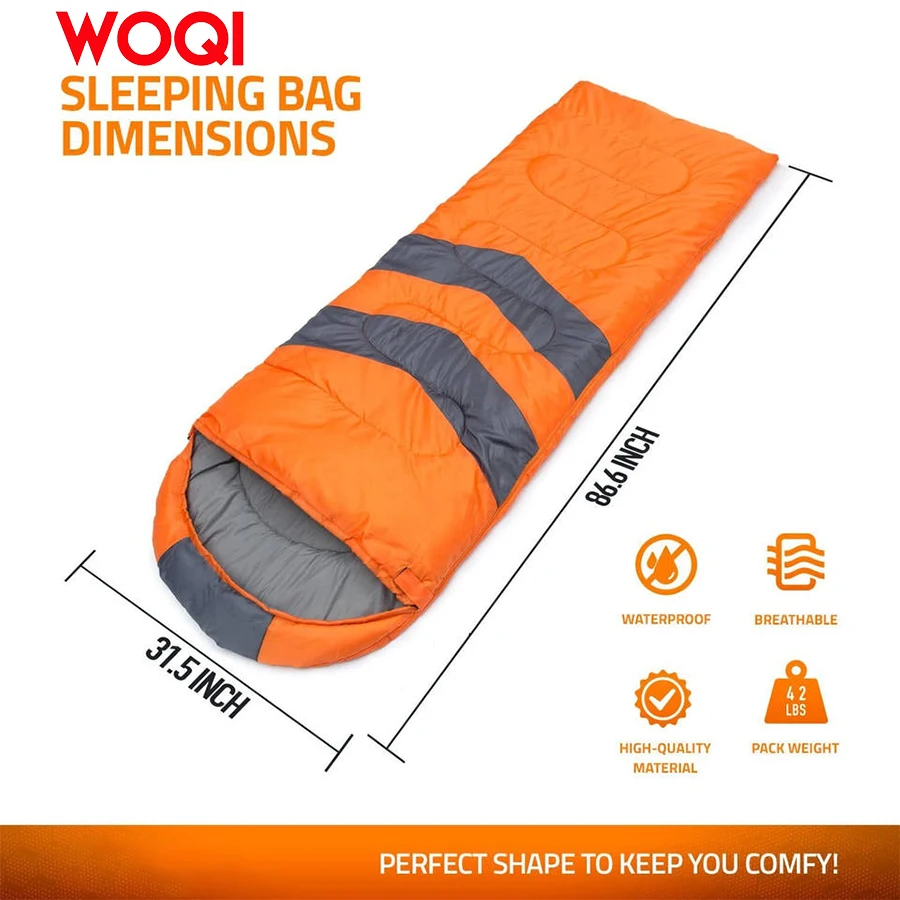
Credit: www.alibaba.com
Tips To Reduce Sleeping Bag Weight
Sleeping bags add weight to your backpack. Reducing this weight helps you hike easier and faster. Small changes can make a big difference.
Using smart packing and good care keeps your sleeping bag light and ready for adventure.
Proper Packing Techniques
Packing your sleeping bag the right way lowers its bulk and weight in your pack. Compress it tightly using a stuff sack or compression sack. Avoid using a large bag that keeps air inside.
Rolling or stuffing your sleeping bag can save space. Stuffing is better for down bags as it protects the insulation.
- Use a compression sack to reduce size
- Stuff, don’t roll, down sleeping bags
- Keep your sleeping bag dry to avoid extra weight
- Pack the sleeping bag at the bottom of your backpack
Selecting Multi-use Gear
Choosing gear that serves more than one purpose helps cut down on weight. Some sleeping bags double as blankets or quilts. This way, you carry less gear overall.
Look for lightweight sleeping bags that can also be used as a pillow or extra insulation during the day.
- Pick sleeping bags that convert into blankets or quilts
- Choose gear that works for multiple seasons
- Use sleeping bags with removable liners
- Select lightweight, compact gear to save space and weight
Maintaining Your Sleeping Bag
Keeping your sleeping bag clean and dry helps keep it light. Dirt and moisture add weight and damage the insulation. Wash your sleeping bag only when needed.
Store your sleeping bag loosely in a large sack at home. This keeps the insulation fluffy and light.
- Air out your sleeping bag after each use
- Use a waterproof stuff sack for wet conditions
- Wash your sleeping bag with gentle soap designed for outdoor gear
- Store it loosely, not compressed, at home
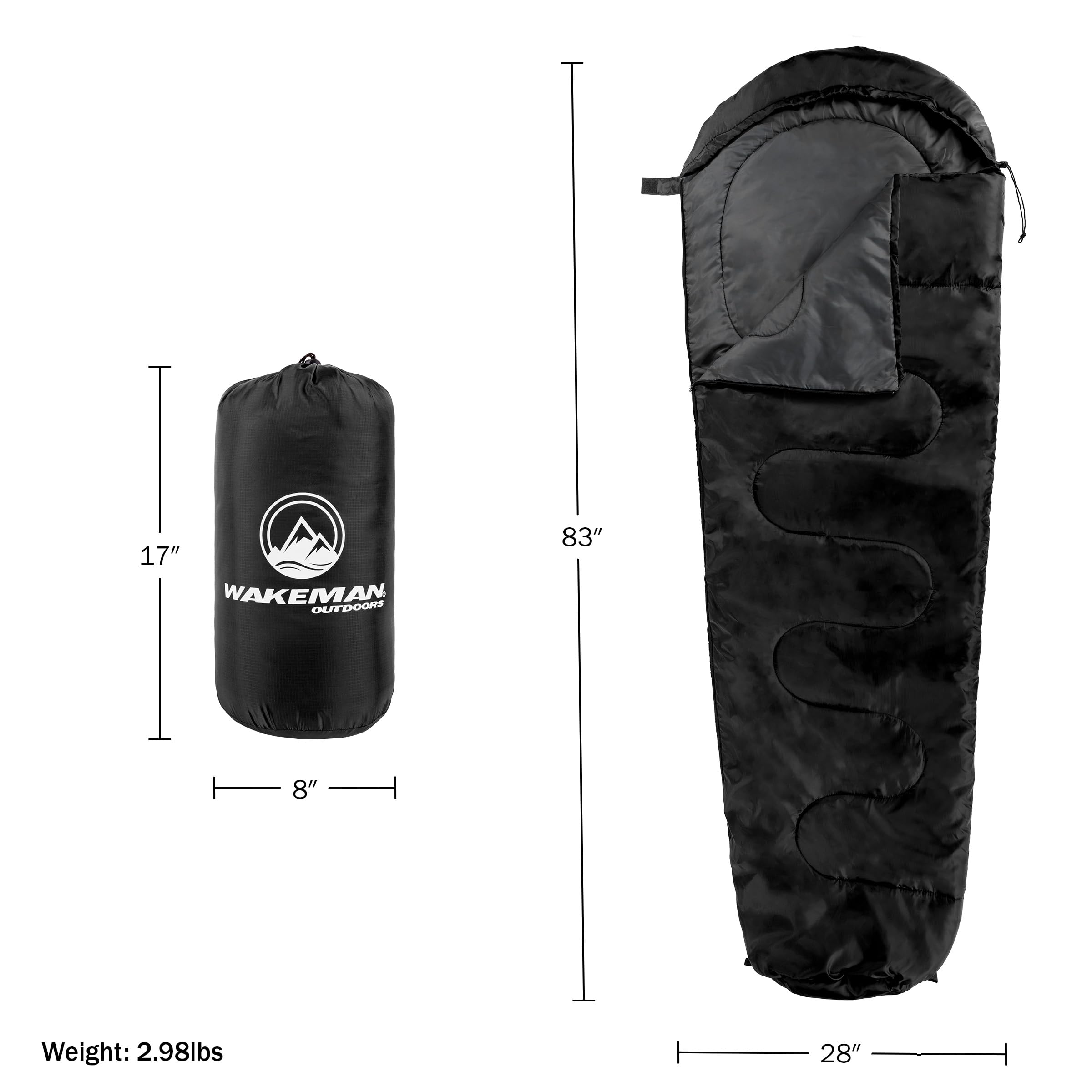
Credit: www.amazon.com
Frequently Asked Questions
What Is The Average Weight Of Sleeping Bags?
Sleeping bags typically weigh between 1 to 5 pounds. The weight varies based on materials and insulation type. Ultralight bags are ideal for backpacking, while heavier ones suit car camping. Always consider your specific needs, such as warmth and portability, when choosing.
How Does Insulation Affect Sleeping Bag Weight?
Insulation significantly impacts a sleeping bag’s weight. Down insulation offers a lighter, compressible option. However, synthetic insulation is bulkier and heavier but performs well in wet conditions. Choose based on your priorities: weight, warmth, and weather resistance.
Are Lightweight Sleeping Bags Warm Enough?
Lightweight sleeping bags can be warm if designed well. Down insulation provides excellent warmth-to-weight ratio. Check temperature ratings to ensure suitability for your camping conditions. Layering with additional clothing can enhance warmth in colder climates.
Does Sleeping Bag Weight Impact Backpacking?
Yes, weight is crucial for backpacking. Lighter sleeping bags reduce pack weight, making long hikes more comfortable. Consider ultralight options for better portability. However, ensure the bag still meets your warmth and comfort needs.
Conclusion
Sleeping bag weight depends on materials and size. Lighter bags suit warm weather and short trips. Heavier bags keep you warm in cold conditions. Always pick a sleeping bag that fits your needs. Carrying a lighter bag makes hiking easier and fun.
Remember, comfort matters as much as weight. Choose wisely to enjoy your outdoor adventures fully.