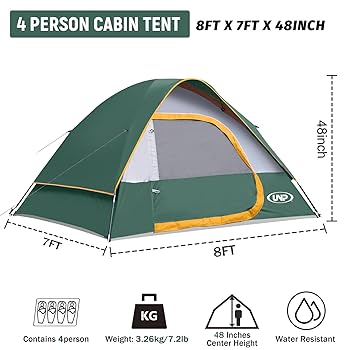
Are you planning your next outdoor adventure and wondering how much your tent will add to your load? Knowing the weight of a tent is more important than you might think.
It affects how far you can hike, how tired you’ll feel, and even how easy it is to set up camp. You’ll discover the factors that influence tent weight, what to expect from different types of tents, and tips to choose the perfect one that won’t weigh you down.
Keep reading to make your camping trips lighter and more enjoyable.

Credit: www.treelinereview.com
Factors Affecting Tent Weight
Tent weight is important for camping and hiking. It affects how easy it is to carry your tent.
Many things decide how much a tent weighs. Knowing these helps you pick the right tent.
Material Types
Tent materials vary and change the weight a lot. Some are light, and some are heavier but stronger.
Common materials include nylon, polyester, and canvas. Nylon is usually light and strong. Canvas is heavy but durable.
- Nylon: light and good for backpacks
- Polyester: a bit heavier but resists sun well
- Canvas: heavy but lasts long and is sturdy
Size And Capacity
Bigger tents weigh more because they use more fabric and space. The number of people a tent fits also changes its weight.
Small tents for one or two people are lighter. Family tents for many people usually weigh much more.
- 1-2 person tents: light and compact
- 3-4 person tents: moderate weight
- Family tents (5+ people): heavier and larger
Frame And Poles
The frame holds the tent up and affects weight a lot. Poles come in different materials and sizes.
Aluminum poles are strong but light. Fiberglass poles are cheaper but heavier. Carbon fiber poles are very light and costly.
- Aluminum: balance of weight and strength
- Fiberglass: heavier and less durable
- Carbon fiber: very light, expensive option
Additional Features
Extra features add weight to tents. Things like extra pockets, rainflies, and vestibules increase the total weight.
Some tents have thicker floors or more zippers. These make the tent heavier but can add comfort and protection.
- Rainflies add weather protection but add weight
- Extra pockets and gear lofts add small weight
- Thicker floors weigh more but last longer
- Vestibules give storage space but increase weight
Lightweight Tents
Lightweight tents are designed to be easy to carry. They are perfect for hikers and campers who want to travel light.
These tents weigh less than regular tents but still provide shelter and protection from the weather.
Materials Used
Lightweight tents use special materials to keep weight low. The fabric is thin but strong to resist wind and rain.
Common materials include nylon and polyester with waterproof coatings. The poles are often made from aluminum or carbon fiber.
- Nylon or polyester fabrics with waterproof layers
- Aluminum or carbon fiber poles for strength and lightness
- Lightweight zippers and mesh for ventilation
Typical Weights
Lightweight tents usually weigh between 1 and 4 pounds. The weight depends on size and materials used.
| Type of Tent | Weight Range |
|---|---|
| Ultralight Backpacking Tent (1 person) | 1 to 2.5 pounds |
| Lightweight Backpacking Tent (2 person) | 2.5 to 4 pounds |
| Lightweight Family Tent (3+ person) | 4 to 6 pounds |
Best Uses
Lightweight tents work well for backpacking and hiking trips. They are easy to carry on long walks.
They are also good for camping where weight matters, such as mountain or desert camping.
- Backpacking trips with limited space and weight
- Hiking where quick setup is needed
- Camping in mild to moderate weather
- Travel where carrying heavy gear is hard
Pros And Cons
Lightweight tents have many benefits but some drawbacks. They save weight but may be less durable.
- Pros:Easy to carry, quick to set up, good for long trips
- Cons:Less space inside, can be less durable, may cost more
Heavy-duty Tents
Heavy-duty tents are built to withstand harsh weather and frequent use. They are essential for campers who need durability and protection.
These tents often come with reinforced materials and advanced features. Let’s explore what makes them unique and suitable for specific outdoor needs.
Materials Used
The materials in heavy-duty tents include strong fabrics like canvas or reinforced polyester. They provide a solid barrier against wind and rain.
- Canvas: Known for its durability and breathability.
- Reinforced Polyester: Offers water resistance and UV protection.
- Aluminum Poles: Lightweight yet sturdy to support the tent structure.
Typical Weights
Heavy-duty tents are generally heavier than regular tents. Their weight depends on size and materials used. Here’s a basic comparison:
| Tent Type | Average Weight (lbs) |
| 2-Person Heavy-Duty Tent | 10-15 |
| 4-Person Heavy-Duty Tent | 20-25 |
| Family Heavy-Duty Tent | 30-50 |
Best Uses
These tents are ideal for conditions where strength is a priority. They are perfect for campers who face challenging environments.
- Extended camping trips in rugged terrains.
- Base camps for mountaineering expeditions.
- Family camping in unpredictable weather.
Pros And Cons
Understanding the advantages and disadvantages can help in selecting the right tent for your needs.
- Exceptional durability and weather resistance.
- Suitable for all-season camping.
- Robust construction provides safety and comfort.
- Heavier and bulkier compared to lightweight tents.
- Higher cost due to quality materials.
- Requires more effort to set up and pack away.

Credit: gearjunkie.com
Comparing Lightweight And Heavy-duty Tents
Tents come in different weights depending on their design. Lightweight tents are easy to carry. Heavy-duty tents are stronger but heavier.
Understanding the differences helps you pick the right tent for your needs. Weight affects how you use and carry the tent.
Durability
Heavy-duty tents use thicker fabrics and stronger poles. This makes them last longer in rough conditions.
Lightweight tents use thinner materials to save weight. They are less durable but good for fair weather.
- Heavy-duty tents resist tears and wear better
- Lightweight tents can wear out faster
- Heavy-duty tents suit frequent or harsh use
- Lightweight tents suit occasional, light use
Portability
Lightweight tents are easy to carry on hikes or trips. Their low weight makes travel simpler.
Heavy-duty tents weigh more and take up more space. They are best for car camping or base camps.
- Lightweight tents often weigh under 4 pounds
- Heavy-duty tents can weigh 8 pounds or more
- Lightweight tents fit in small backpacks
- Heavy-duty tents require larger storage space
Weather Resistance
Heavy-duty tents handle strong winds and rain well. Their materials and design provide good protection.
Lightweight tents can resist mild weather. They may struggle in storms or heavy rain.
- Heavy-duty tents use thicker waterproof fabrics
- Lightweight tents use lighter waterproof coatings
- Heavy-duty tents have stronger poles for wind
- Lightweight tents may need extra care in bad weather
Cost Considerations
Heavy-duty tents usually cost more because they use strong materials. They offer longer use.
Lightweight tents tend to be cheaper but may need replacing sooner. They suit budget trips.
- Heavy-duty tents have higher upfront costs
- Lightweight tents are often less expensive
- Consider how often you camp and tent use
- Long-term value is better with durable tents
Choosing The Right Tent Weight For Your Needs
Tent weight is important for comfort and ease during trips. Picking the right weight depends on your travel style and needs.
Light tents make hiking easier but may have fewer features. Heavier tents offer more space and durability.
Trip Duration And Terrain
Short trips need lighter tents to carry easily. Long trips may need sturdier tents with more space.
Flat terrain allows for heavier tents. Rocky or steep areas need lighter tents for easier packing and moving.
- Day hikes: very light tents or no tent
- Weekend trips: medium weight tents
- Long trips: balanced weight with durability
- Rough terrain: prioritize light weight
Weather Conditions
Heavy tents handle strong wind and rain better. Light tents work well in mild weather.
Consider weight for weather protection. Strong weather may mean carrying more weight for safety.
- Calm weather: light tents
- Rainy or windy: heavier, durable tents
- Cold weather: insulated, heavier tents
Group Size
Bigger groups need larger tents. Larger tents usually weigh more.
Smaller tents are lighter and easier to carry. Match tent size to how many people sleep inside.
- Solo: very light tents
- Couples: medium weight tents
- Families or groups: heavier, large tents
Packing And Transport
Think about how you will carry your tent. Weight matters if you hike or bike long distances.
If you drive to the campsite, weight is less important. For backpacking, choose the lightest tent you can.
- Backpacking: focus on light tents
- Car camping: weight is less important
- Biking: consider compact and light tents

Credit: www.iheartpacificnorthwest.com
Frequently Asked Questions
How Much Do Lightweight Tents Typically Weigh?
Lightweight tents usually weigh between 1 to 3 pounds. They are designed for easy carrying during backpacking or hiking trips. The materials used are often durable yet light, balancing comfort and portability for outdoor enthusiasts.
What Factors Affect The Weight Of A Tent?
Tent weight depends on size, materials, and design. Larger tents with extra features weigh more. High-quality fabrics and poles add weight but improve durability. Weather resistance and capacity also influence overall weight.
How Heavy Are Family Camping Tents On Average?
Family tents generally weigh between 10 to 20 pounds. They are larger and sturdier, designed to accommodate multiple people. These tents prioritize space and comfort over lightweight features, making them less ideal for backpacking.
Can Tent Weight Impact Hiking Or Backpacking Trips?
Yes, tent weight significantly affects hiking comfort and speed. Heavier tents increase your pack load and tire you faster. Choosing a lightweight tent helps maintain energy and mobility during long treks.
Conclusion
Tent weight depends on size, material, and design. Small tents weigh less and are easy to carry. Larger tents offer more space but add weight. Choosing the right tent means balancing comfort and portability. Always check the weight before buying for your trip.
Light tents make hiking easier and faster. Think about how you will use your tent most. This helps pick the best option for your needs. Remember, knowing tent weight helps plan your adventure well.