
Have you ever wondered how much your washer and dryer actually weigh? Knowing their weight is more important than you might think.
Whether you’re moving to a new home, planning a laundry room setup, or just curious about your appliances, understanding their weight can save you time, effort, and even money. You’ll discover the typical weight range of washers and dryers and why that number matters for your next step.
Keep reading—you’ll find practical tips that make handling these heavy machines easier than you expect.
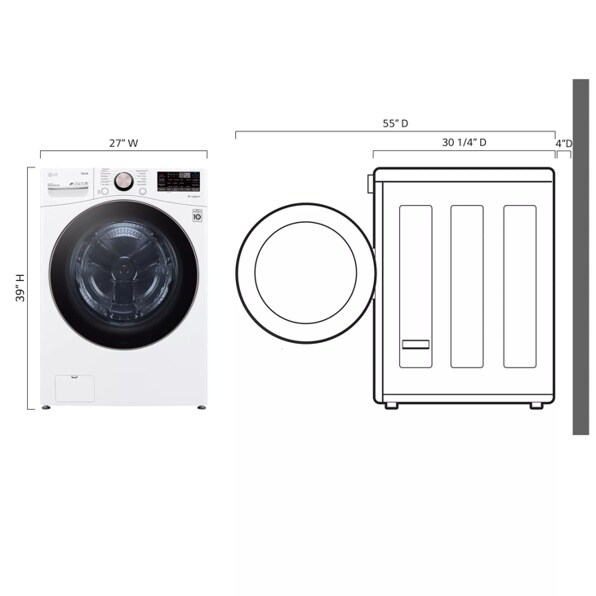
Credit: www.lg.com
Average Weight Of Washers
Washers come in different sizes and types. Each type has a different weight.
Knowing the weight helps with moving and installation. It also affects shipping costs.
Top-load Washers
Top-load washers are common in many homes. They usually weigh between 120 and 150 pounds.
These washers have a lid on top and load clothes from above. Their weight depends on size and features.
- Small models: about 100 to 120 pounds
- Standard models: around 130 to 150 pounds
- Large models: can weigh over 150 pounds
Front-load Washers
Front-load washers load clothes from the front. They are heavier than top-load washers.
The average weight of front-load washers ranges from 150 to 180 pounds. They have more metal parts.
- Compact front-load washers: about 120 to 140 pounds
- Standard front-load washers: 150 to 180 pounds
- High-capacity models: up to 200 pounds
Compact Washers
Compact washers are smaller and lighter. They are good for small spaces.
These washers weigh between 70 and 100 pounds. They are easier to move than full-size washers.
- Very small models: around 60 to 70 pounds
- Average compact models: 80 to 100 pounds

Credit: www.geappliances.com
Average Weight Of Dryers
Dryers come in different sizes and types. Their weight varies based on their design and features.
Knowing the weight helps when moving or installing a dryer. It also helps with choosing the right space.
Electric Dryers
Electric dryers use electricity to generate heat. They are common in many homes.
On average, electric dryers weigh between 100 and 140 pounds. Larger models may weigh more.
- Small electric dryers: about 100 pounds
- Medium electric dryers: around 120 pounds
- Large electric dryers: close to 140 pounds
Gas Dryers
Gas dryers use natural gas or propane for heat. They need a gas line connection.
Gas dryers tend to be heavier than electric ones. They usually weigh between 120 and 150 pounds.
- Small gas dryers: about 120 pounds
- Medium gas dryers: near 135 pounds
- Large gas dryers: up to 150 pounds
Compact Dryers
Compact dryers are smaller and fit in tight spaces. They are easy to move and store.
These dryers usually weigh less than full-size models. Their weight ranges from 50 to 90 pounds.
- Small compact dryers: about 50 pounds
- Medium compact dryers: around 70 pounds
- Large compact dryers: up to 90 pounds
Factors Influencing Washer And Dryer Weight
Washers and dryers come in many shapes and sizes. Their weight depends on several key factors. Understanding these can help you choose the right machine for your space and needs.
Let’s look at the main elements that affect the weight of these appliances.
Size And Capacity
The size and capacity of a washer or dryer greatly affect its weight. Larger machines hold more clothes and use bigger drums. This adds to their overall mass.
- Compact models typically weigh less than full-sized ones.
- High-capacity machines are heavier due to bigger parts.
- Stackable units may have a moderate weight to fit small spaces.
Materials And Build Quality
Washers and dryers built with sturdy materials weigh more. Metal parts like steel drums and frames add bulk. Plastic components keep weight down but may reduce durability.
| Material | Weight Impact |
| Steel Drum | High |
| Plastic Drum | Low |
| Metal Frame | High |
| Plastic Frame | Medium |
Additional Features
Extra features can add weight to washers and dryers. Items like built-in water heaters or larger motors increase the total mass.
Common features that affect weight include:
- Steam cleaning systems
- Advanced electronic controls
- Noise reduction components
- Extra-large lint filters
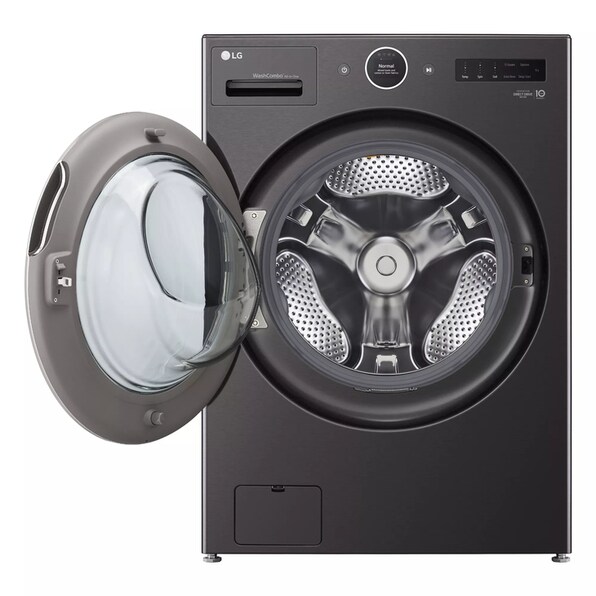
Credit: www.lg.com
Weight Considerations For Moving
Washers and dryers are heavy appliances. Knowing their weight helps plan a safe move.
Most washers weigh between 150 and 250 pounds. Dryers usually weigh 100 to 150 pounds.
Tips For Safe Lifting
Lift washers and dryers carefully to avoid injury. Use your legs, not your back.
Ask for help if the appliance feels too heavy. Teamwork makes lifting safer and easier.
- Bend your knees when lifting
- Keep the appliance close to your body
- Wear gloves for a better grip
- Take breaks if needed
Using Moving Equipment
Moving equipment makes it easier to carry heavy washers and dryers. Dollies and straps help a lot.
A hand truck or appliance dolly can hold the weight and protect your floors.
- Use appliance dollies with straps to secure the load
- Protect floors with moving blankets or pads
- Move slowly on stairs or uneven surfaces
Professional Moving Services
Professional movers have experience and tools for heavy appliances. They reduce the risk of damage.
Hiring experts can save time and effort. They know how to handle washers and dryers safely.
- They use proper lifting techniques
- They have special equipment for heavy loads
- They protect your home and appliance
- They offer insurance for peace of mind
Impact Of Weight On Installation
The weight of washers and dryers affects how you install them safely. Heavy machines need proper planning to avoid damage or accidents.
Understanding the weight helps with choosing the right location and making sure the floor can hold the appliance.
Floor Support Requirements
Washers and dryers can weigh between 150 and 300 pounds. Floors must be strong enough to hold this weight safely. Weak floors may crack or sag over time.
| Appliance Type | Average Weight (lbs) | Floor Support Needed |
| Washer | 200 | Reinforced or solid flooring |
| Dryer | 150 | Standard flooring with stable surface |
| Washer-Dryer Combo | 250 | Strong, level floor with support beams |
Space Planning
The weight of the machines influences where you place them. Heavy appliances need a flat, even surface. This keeps them stable during use.
- Measure the space before buying a machine
- Leave extra room for ventilation and doors
- Check if the floor can support the appliance’s weight
- Plan for easy access to water and power connections
Accessibility
Heavy washers and dryers can be hard to move. Plan for accessibility to avoid injury. Use tools or help when installing or repairing.
Make sure there is enough space to open doors fully and to clean around the machines. Accessibility affects how easily you use and maintain the appliances.
Weight Differences Across Brands
Washers and dryers come in various weights. Different brands have unique models. Understanding the weight can help in planning for space and installation.
Weight affects transportation and installation. Let’s explore the differences between budget and premium models.
Budget Vs Premium Models
Budget models are often lighter. They use simpler materials. Premium models are heavier due to advanced features and materials.
| Model Type | Average Weight (lbs) |
| Budget Washer | 150 |
| Premium Washer | 200 |
| Budget Dryer | 120 |
| Premium Dryer | 180 |
Energy-efficient Models
Energy-efficient models can weigh more. They include extra components for saving energy. This makes them a bit heavier but beneficial for the environment.
- Heavier insulation
- Advanced motor systems
- Enhanced water-saving features
Innovative Designs
Innovative designs balance weight and functionality. Brands create models that are both stylish and efficient. These designs often include new technology.
Modern washers and dryers may use smart tech. This can add extra weight.
Frequently Asked Questions
How Much Does A Standard Washer Weigh?
A standard washer typically weighs between 150 to 250 pounds. Weight depends on the model, capacity, and materials used. Front-load washers usually weigh more than top-load ones due to their design and added features.
What Is The Average Weight Of A Dryer?
Most dryers weigh between 100 and 150 pounds. Electric dryers are generally lighter than gas dryers. The weight varies based on size, brand, and build quality.
Do Washer And Dryer Weights Affect Installation?
Yes, weight impacts installation and transportation. Heavier units may require more than one person to move safely. Proper support and sturdy flooring are essential for heavier washers and dryers.
Can Lightweight Washers And Dryers Save Energy?
Lightweight models often use advanced materials and technology. While weight alone doesn’t determine energy efficiency, many lighter units are designed to be eco-friendly. Always check energy ratings for the best efficiency.
Conclusion
Washer and dryer weights vary by brand and model. Knowing their weight helps plan moves safely. Most washers weigh between 150 and 250 pounds. Dryers usually weigh a bit less, around 100 to 150 pounds. Heavy appliances need strong help when lifting.
Proper planning avoids damage and injury. Check the exact weight before buying or moving. This info makes handling easier and safer. Simple facts make a big difference in your laundry setup.