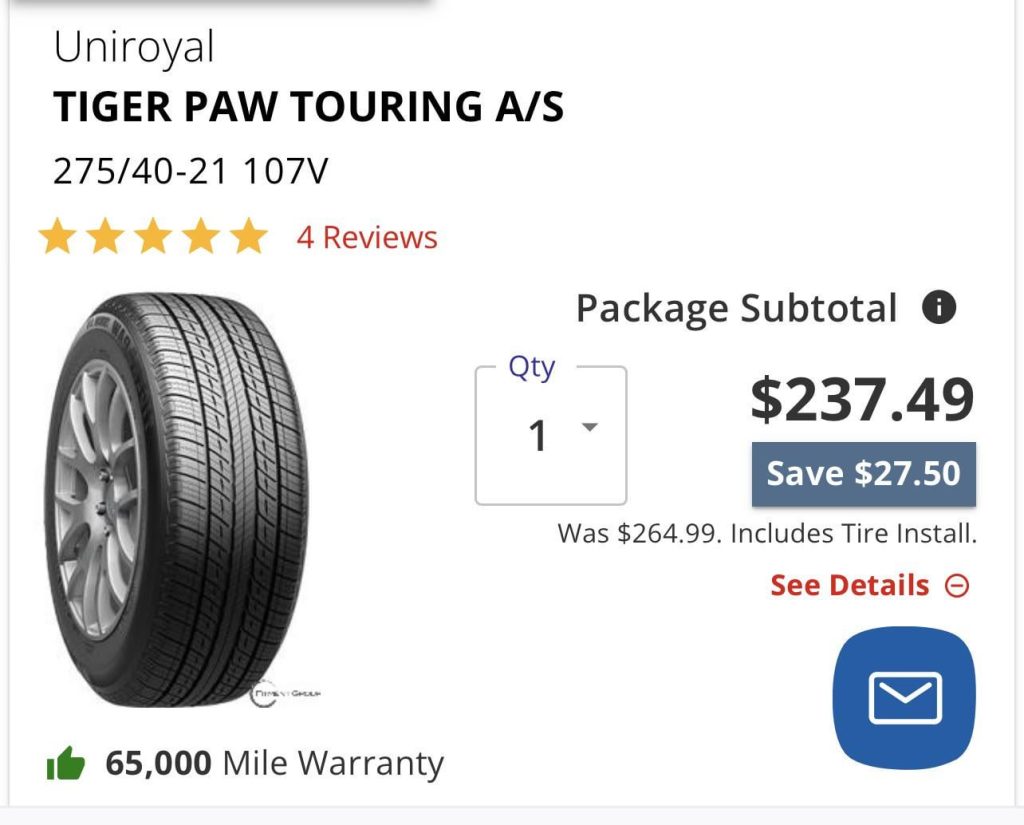
When it’s time to replace your car tires, one question probably comes to mind: how much will it actually cost you? Tires aren’t something you buy every day, so understanding the price range can help you make smarter choices for your budget and safety.
Whether you’re looking for basic options or high-performance tires, knowing the factors that affect the cost can save you money and headaches. Keep reading to discover what influences tire prices and how you can find the best deal for your ride.
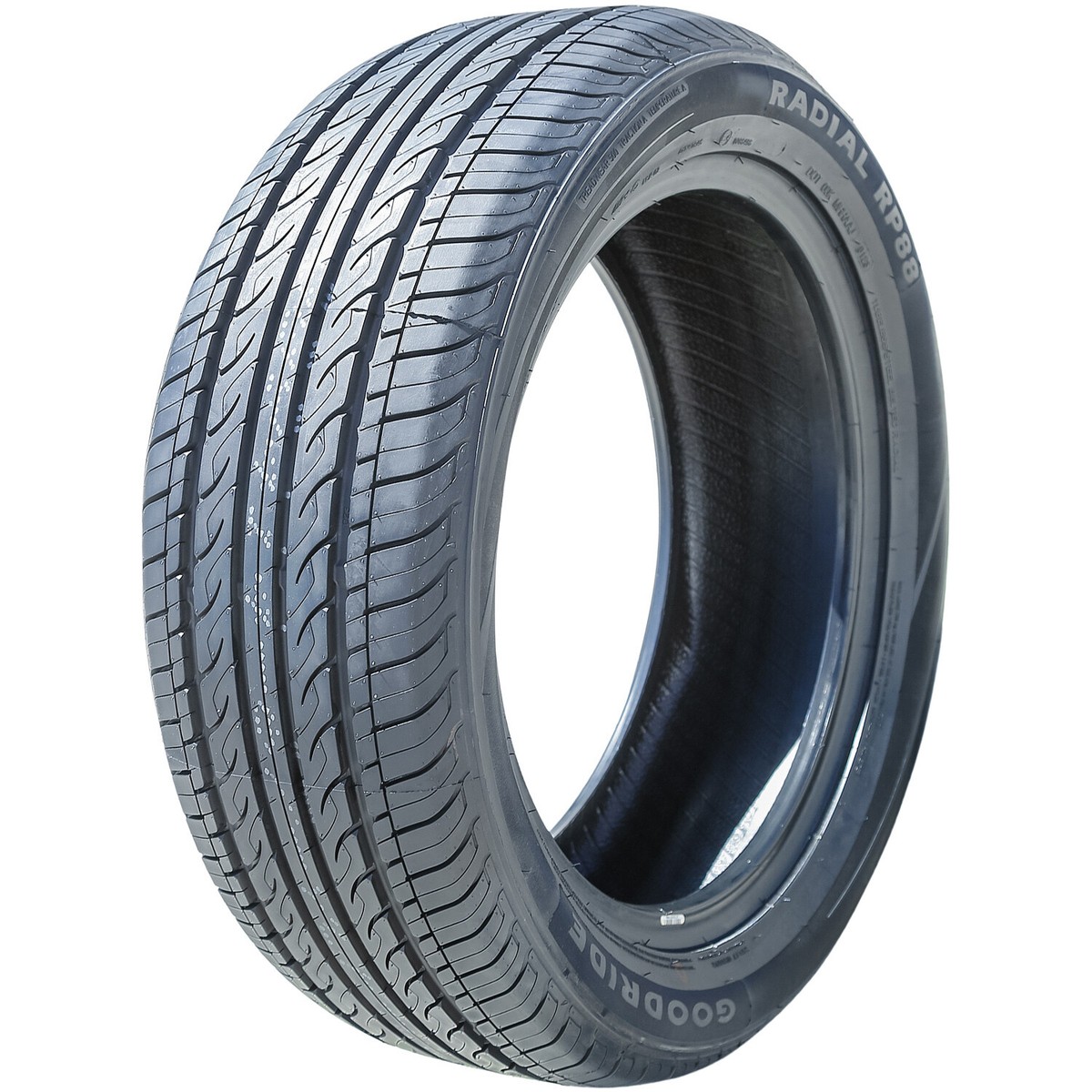
Credit: www.ebay.ca
Car Tire Price Range
Car tires come in many types and prices. The cost depends on quality, brand, and size.
Knowing the price range helps you pick the right tire for your budget and needs.
Budget Tires
Budget tires usually cost between $50 and $100 each. They are made for basic use.
These tires may have shorter life and less grip in bad weather.
- Good for short trips and light driving
- Less expensive materials and technology
- Limited warranty and features
Mid-range Options
Mid-range tires cost about $100 to $200 each. They offer better quality and safety.
These tires work well for daily driving and mild weather conditions.
- Improved tread life and traction
- More brands and styles available
- Better warranties than budget tires
Premium Tires
Premium tires cost $200 or more each. They use advanced technology and materials.
These tires provide excellent performance, safety, and comfort in all conditions.
- Long tread life and strong grip
- Designed for high-speed and rough roads
- Extended warranties and better support

Credit: www.canadiantire.ca
Factors Influencing Tire Costs
The cost of a car tire can vary widely. Many factors influence the price you pay.
Understanding these factors helps you make better buying choices for your vehicle.
Tire Size And Type
Tire size affects the price because bigger tires use more materials. Different types suit different vehicles.
Common types include all-season, winter, and performance tires. Each type costs differently.
- Small tires usually cost less than large tires
- All-season tires are often cheaper than winter tires
- Performance tires tend to be more expensive due to special design
Brand Impact
Well-known brands often charge more for their tires. They invest in quality and safety testing.
Less known brands may offer cheaper options but with varied quality and durability.
- Top brands provide warranties and better customer support
- Budget brands focus on affordability
- Brand reputation can influence resale value of tires
Performance And Features
Tires with advanced features like run-flat or noise reduction cost more. These features improve driving comfort.
High-performance tires offer better grip and speed but come with a higher price tag.
- Run-flat tires allow driving after a puncture
- Noise-reducing tires create a quieter ride
- High-performance tires improve handling and braking
Additional Tire Expenses
Buying new car tires is just the start of the cost. There are extra fees that come with getting tires ready for your car.
These extra expenses can add up, so it is good to know about them before you buy tires.
Installation Fees
Installation fees cover the cost to put the new tires on your car. A technician removes old tires and fits the new ones.
The price depends on the shop and the type of tires. Some places charge per tire, while others charge a flat fee.
Balancing And Alignment
Balancing helps your tires spin smoothly. It stops vibrations and uneven tire wear.
Alignment adjusts the angles of your tires. It improves steering and prevents tire damage.
- Balancing fee: usually charged per tire
- Alignment fee: often a flat rate for all wheels
- Some shops include these costs with installation
Tire Disposal Charges
Old tires need to be thrown away properly. Many shops charge a small fee to dispose of them safely.
This fee helps cover recycling or safe trash removal. It is usually a few dollars per tire.
Where To Buy Tires
Buying tires can be done at many places. Each option has its own benefits and prices.
Knowing where to shop helps you find the best tire for your car and budget.
Local Retailers
Local tire shops let you see tires in person. Staff can help you choose the right size.
They often offer installation and balancing services on site. Prices may vary by store.
- Support local businesses
- Get expert advice
- Convenient installation options
Online Marketplaces
Online sites have many tire brands and sizes. You can compare prices easily.
Shipping may be free or low cost. You may need to arrange installation yourself.
- Wide selection of tires
- Easy price comparison
- Home delivery available
Wholesale Clubs
Wholesale clubs sell tires at discounted prices for members. They have limited brands.
Some clubs offer tire installation and maintenance deals. Membership is required to buy.
- Discounted prices for members
- Includes installation options
- Limited tire brand choices
Tips To Save On Tire Purchases
Car tires can be expensive, but there are ways to save money. Knowing when and how to buy tires helps you get better deals.
These tips will guide you to save on your next tire purchase without lowering quality or safety.
Seasonal Sales
Tire prices often drop during certain times of the year. Buying tires during these sales can save you a lot.
Look for sales in spring and fall when stores clear out old stock to make space for new tires.
- Check local tire shops for seasonal discounts
- Watch for holiday sales like Black Friday or Memorial Day
- Buy tires off-season for lower prices
Rebates And Discounts
Tire manufacturers and stores often offer rebates and discounts. These deals reduce the price after purchase.
Register your tires online or keep receipts to claim rebates. Some stores also give instant discounts.
- Look for manufacturer rebates on tire brands
- Ask stores about current discount programs
- Use credit cards or apps that offer cashback
Buying In Sets
Buying tires in sets of two or four can lower the overall cost. Stores often give better prices for multiple tires.
Replacing all tires at once keeps your car balanced and improves safety, not just saving money.
- Ask about discounts for purchasing four tires
- Consider buying two tires if only part of your set is worn
- Compare the cost per tire when buying singles vs. sets
When To Replace Tires
Knowing when to replace your car tires is important for safety. Tires wear out over time and need checking.
Worn tires can cause poor handling and increase accident risks. Look for clear signs to change them.
Tread Depth Indicators
Tires have built-in tread depth indicators. These are small bars inside the grooves of the tire.
If the tread wears down to the indicator level, it means the tire is too worn and must be replaced.
- Check the tread depth regularly with a gauge or coin.
- If tread depth is 2/32 inch or less, replace the tire.
- Indicators show when tires no longer grip well on roads.
Signs Of Wear
Look for uneven wear, cracks, or bulges on the tire surface. These signs mean the tire is unsafe.
Vibration while driving can also signal tire damage. These issues reduce tire performance and safety.
- Uneven tread wear may show alignment problems.
- Cracks or cuts can lead to tire failure.
- Bulges mean the tire’s structure is weak.
- Vibrations may indicate internal tire damage.
Manufacturer Recommendations
Tire makers suggest replacing tires every 6 years, even if they look fine. Age weakens tire materials.
Check your car’s manual for specific advice. Follow tire brand instructions for best safety.
- Replace tires after 6 years or sooner if damaged.
- Follow the tire brand’s care and replacement guidelines.
- Regularly inspect tires as recommended by the manufacturer.

Credit: www.crowntoyota.ca
Frequently Asked Questions
How Much Does A Standard Car Tire Cost?
A standard car tire typically costs between $50 and $150. Prices vary based on brand, size, and tire type. Budget tires are cheaper, while premium and specialized tires cost more. Installation fees may add to the total price.
What Factors Influence Car Tire Prices?
Car tire prices depend on size, brand, tread design, and tire type. Performance and all-season tires usually cost more. Additional features like run-flat technology increase prices. Seasonal demand and retailer location also impact costs.
Are Expensive Tires Worth The Cost?
Expensive tires often offer better durability, performance, and safety. They provide improved grip, longer tread life, and enhanced fuel efficiency. However, budget tires can be sufficient for everyday driving. Choose based on your driving needs and budget.
How Often Should Car Tires Be Replaced?
Car tires should be replaced every 3 to 6 years or when tread depth is below 2/32 inch. Check for damage, cracks, or uneven wear regularly. Proper maintenance can extend tire life.
Conclusion
Finding the right tire can be straightforward. Costs vary widely based on brand and type. Budget options start around $50 per tire. Premium tires can reach $300 each. Always consider quality over price. Check local stores for deals or discounts.
Online reviews can guide your choice. Proper tire maintenance ensures safety and longer life. Investing in good tires pays off in the long run. Your safety and comfort matter most. Remember to balance cost with durability. Stay informed, choose wisely.
Your ride depends on it. Safe travels!