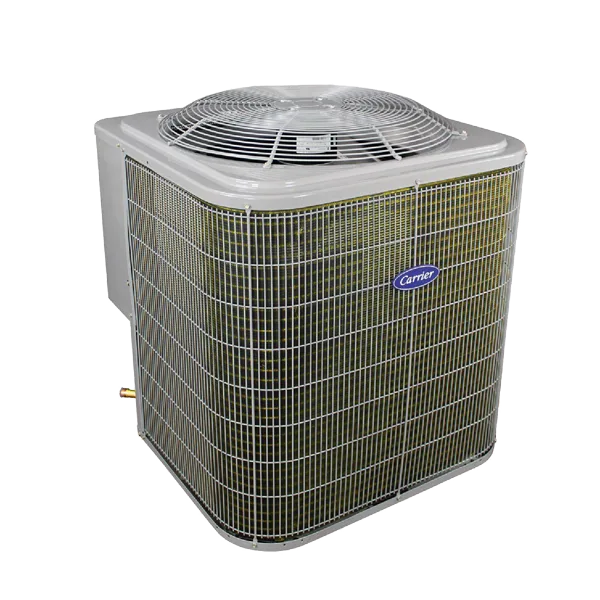
Are you thinking about getting a Carrier air conditioner but wondering how much it will cost? Knowing the price upfront can help you plan your budget and avoid surprises.
Whether you want to cool a small room or your entire home, the cost can vary a lot. You’ll discover the real prices behind Carrier air conditioners and what factors affect them. By the end, you’ll feel confident about choosing the right model for your needs and wallet.
Keep reading to find out how much you should expect to invest in comfort this summer.
Carrier Air Conditioner Models
Carrier offers several types of air conditioners to fit different homes and needs. Each model type has unique features and price points.
Understanding these models helps you choose the right system for your space and budget.
Split Systems
Split systems have two main parts: an indoor unit and an outdoor unit. The indoor unit cools the air inside. The outdoor unit releases heat from your home.
These systems work well for homes with existing ductwork. They are popular for energy efficiency and quiet operation.
- Price range: $3,000 to $7,000
- Good for homes with ducts
- Energy efficient models available
Central Air Conditioners
Central air conditioners cool the entire house through ducts. They connect to your home’s heating system. This system delivers cool air to many rooms.
Central AC units are ideal for large homes or those needing whole-house cooling.
- Price range: $3,500 to $7,500
- Best for large homes
- Requires ductwork installation or existing ducts
Ductless Mini-splits
Ductless mini-splits do not use ducts. They have an outdoor compressor and one or more indoor air handlers. Each air handler cools a specific room or zone.
These systems offer flexible cooling and are easy to install in homes without ducts.
- Price range: $2,000 to $5,000 per zone
- Good for homes without ductwork
- Allows zone cooling control
Packaged Units
Packaged units combine heating and cooling in one outdoor unit. They sit outside the home and connect to ducts inside.
These systems save indoor space and work well for homes without basements or attics.
- Price range: $4,000 to $8,000
- All-in-one outdoor system
- Good for homes with limited indoor space
Credit: www.furnaceprices.ca
Factors Affecting Carrier Ac Prices
The cost of a Carrier air conditioner depends on many factors. Knowing these can help you choose the right model.
Prices vary because of size, efficiency, installation, and extra features. Each factor changes the total cost.
Unit Size And Capacity
Bigger units with higher cooling capacity cost more. The size depends on the area you want to cool.
Choosing the right capacity saves money and energy. Too small or too big units are less efficient.
- Small rooms need smaller units
- Larger spaces require bigger capacity
- Measured in BTUs or tons
Energy Efficiency Ratings
Carrier AC units have energy ratings like SEER. Higher ratings mean better efficiency and lower bills.
More efficient models cost more upfront but save money long term. Look for units with ENERGY STAR labels.
- SEER rating shows seasonal efficiency
- Higher SEER means better energy use
- ENERGY STAR units qualify for rebates
Installation Complexity
Installation costs vary by unit type and home setup. Some models need special ducts or electrical work.
Complex installations take more time and tools. This raises the total price for your Carrier AC system.
- Central AC needs ductwork
- Ductless units are easier to install
- Electrical upgrades can add cost
Additional Features
Extra features raise Carrier AC prices. Features include smart controls, air purifiers, and quiet modes.
These add comfort and convenience but increase the cost. Decide which features you need before buying.
- Wi-Fi and app control
- Advanced air filtration
- Noise reduction technology
- Humidity control options
Typical Price Ranges
Carrier air conditioners come in different models with varied prices. Knowing typical costs helps you plan your budget.
This guide breaks down the price ranges for basic, mid-range, and premium Carrier AC units.
Basic Models
Basic Carrier air conditioners are designed for simple cooling needs. They usually have fewer features and lower energy efficiency.
- Price range: $1,000 to $2,000
- Suitable for small rooms or apartments
- Limited smart or programmable options
Mid-range Options
Mid-range Carrier AC units offer better performance and more features. They balance price and quality for average homes.
| Feature | Basic Models | Mid-Range Options |
| Price | $1,000 – $2,000 | $2,000 – $3,500 |
| Energy Efficiency | Standard | Improved SEER ratings |
| Smart Features | Few or none | Wi-Fi and programmable settings |
| Suitable For | Small spaces | Medium to large homes |
Premium Units
Premium Carrier air conditioners provide top cooling power and advanced features. They are energy-efficient and quiet.
- Price range: $3,500 to $6,000+
- Highest SEER ratings for energy savings
- Advanced smart controls and diagnostics
- Designed for large homes and commercial use
Installation Cost Breakdown
Installing a Carrier air conditioner involves several cost components. These costs add up to the total price you pay for setup.
Knowing the breakdown helps you understand where your money goes. It also prepares you for any extra expenses.
Labor Charges
Labor charges cover the work done by technicians to install your AC unit. This includes mounting, wiring, and testing.
Labor costs depend on the job complexity and your location. Rates typically range between $50 and $100 per hour.
- Basic installation usually takes 4-8 hours
- More complex setups can take longer
- Hourly labor rates vary by region
Ductwork And Modifications
Existing ductwork may need changes to fit the new Carrier AC system. This can increase the installation cost.
Modifications include adding, sealing, or replacing ducts. Proper ductwork improves airflow and cooling efficiency.
- Sealing leaks to prevent air loss
- Adding new ducts for better coverage
- Replacing old or damaged duct sections
Permits And Inspections
Local laws may require permits before installing an air conditioner. Inspections ensure the work meets safety standards.
Permit costs vary by city or county. Inspections often come with a small fee but protect your home and investment.
- Permit fees range from $50 to $200
- Inspection fees depend on local rules
- Proper permits avoid fines and issues
Energy Savings And Long-term Costs
Choosing a Carrier air conditioner means thinking about energy use and future expenses. These factors affect the total cost over time. Understanding them helps you make a smart choice.
Energy efficiency lowers your electricity bills. Long-term costs include maintenance and repairs. Let’s look at each part closely.
Efficiency Benefits
Carrier air conditioners use advanced technology to save energy. They cool rooms quickly and keep the temperature steady. This reduces the amount of power needed.
- High Seasonal Energy Efficiency Ratio (SEER) ratings
- Smart thermostats for precise control
- Variable speed compressors to adjust cooling
- Environment-friendly refrigerants
Maintenance Expenses
Regular maintenance keeps your air conditioner running well. It prevents costly repairs and extends the unit’s life. Carrier units need less frequent service compared to other brands.
| Type of Maintenance | Estimated Annual Cost | Benefits |
| Filter Cleaning | $30 – $50 | Improves air flow and efficiency |
| Professional Tune-Up | $100 – $150 | Prevents breakdowns and costly fixes |
| Part Replacement | $150 – $300 | Maintains optimal performance |
Warranty And Service Plans
Carrier offers warranty and service plans to protect your investment. These plans reduce unexpected expenses and give peace of mind.
- 10-year limited warranty on parts
- Extended coverage options
- Priority service for plan holders
- Free or discounted repairs during warranty
Where To Buy Carrier Air Conditioners
Finding the right place to buy a Carrier air conditioner can help you get a good price and proper service. There are several options to consider based on your needs.
This guide covers authorized dealers, online retailers, and local HVAC contractors. Each option has its benefits and ways to choose the best fit for you.
Authorized Dealers
Authorized dealers are official sellers approved by Carrier. They offer genuine products and expert advice. Buying here ensures warranty protection and support.
- Official Carrier stores or showrooms
- Large home improvement retailers with Carrier authorization
- Specialized HVAC supply stores
Online Retailers
Online retailers offer convenience and a wide selection. You can compare prices and read reviews before buying. Make sure the seller is reputable.
| Retailer | Features | Warranty |
| Carrier Official Website | Full product range, direct support | Yes, standard warranty |
| Amazon | Customer reviews, fast shipping | Varies by seller |
| Home Depot | In-store pickup, installation services | Yes, with authorized sellers |
Local Hvac Contractors
Local HVAC contractors sell and install Carrier units. They provide personalized service and expert installation. Buying through them helps with future maintenance.
- Check for licensed and insured contractors
- Ask for Carrier certification
- Request quotes from multiple contractors
- Read reviews and ask for references
Tips For Getting The Best Price
Buying a Carrier air conditioner is a big decision. Knowing how to get the best price saves money. This guide shares useful tips to help you pay less.
Look at different options and plan your purchase carefully. Use these tips to find good deals and affordable payment choices.
Seasonal Discounts
Prices for air conditioners often drop during certain times of the year. Retailers want to clear stock before the next season. Shopping during these periods can lower your costs.
- Buy in late fall or winter when demand is low
- Look for holiday sales and clearance events
- Check online stores for special seasonal offers
Financing Options
Many dealers offer financing to spread out payments. You can buy a Carrier air conditioner without paying all at once. It helps manage your budget better.
| Financing Type | Description | Benefit |
| 0% Interest | Pay over time without extra charges | Save on interest costs |
| Low Monthly Payments | Smaller payments over a longer period | Easier monthly budgeting |
| Credit Card Offers | Special deals on some credit cards | Earn rewards or cashback |
Comparing Quotes
Get multiple price quotes before deciding. Comparing helps you spot the best deal and avoid overpaying. Ask for details on installation and warranty.
- Contact several dealers for written quotes
- Check what each quote includes
- Ask about extra fees or services
- Look for reviews of the dealers

Credit: imperialacsupply.com

Credit: atlasacrepair.com
Frequently Asked Questions
How Much Does A Carrier Air Conditioner Cost?
Carrier air conditioner prices range from $2,000 to $7,500. The cost varies by model, size, and installation complexity. Higher efficiency units and smart features also increase the price. Always consider installation fees and warranty options when budgeting.
What Factors Affect Carrier Ac Installation Cost?
Installation costs depend on unit size, complexity, and location. Additional charges may include ductwork, electrical upgrades, and permits. Labor rates vary by region and installer experience. Proper installation ensures optimal performance and energy efficiency.
Are Carrier Air Conditioners Energy Efficient?
Yes, Carrier AC units are highly energy efficient. Many models have Energy Star certification, reducing electricity bills. Advanced technology improves cooling performance while minimizing power consumption. Investing in a high-efficiency unit saves money long-term.
How Long Does A Carrier Ac Last?
A Carrier air conditioner typically lasts 10 to 15 years. Proper maintenance and timely repairs can extend its lifespan. Regular filter changes and annual servicing improve efficiency and durability. Warranty coverage varies by model and purchase terms.
Conclusion
Choosing the right air conditioner can be overwhelming. Carrier offers a range of options. Prices vary based on model and features. Consider energy efficiency for long-term savings. Installation costs also affect the total price. Get quotes from local dealers. Compare warranty options for peace of mind.
Proper research ensures a good investment. Remember, a comfortable home is priceless. Prioritize your needs and budget wisely.