Are you tired of lugging around a heavy vacuum cleaner, tripping over cords, and missing those pesky dust bunnies hiding in the corners of your home? A central vacuum system could be the perfect solution for you.
But before you dive into this modern cleaning marvel, you might be wondering, “How much does a central vacuum system cost? ” We’ll break down the costs associated with installing a central vacuum system, helping you make an informed decision for your home.
We’ll explore the various factors that influence the price, from the size of your home to the type of system you choose. Whether you’re looking to upgrade your cleaning routine or simply curious about the investment, understanding these costs will empower you to make the best choice for your lifestyle and budget. Keep reading to discover everything you need to know about the cost of a central vacuum system.

Credit: www.amazon.com
Central Vacuum System Basics
Understanding the basics of a central vacuum system helps you decide if it’s the right upgrade for your home. These systems are quite different from the portable vacuums you’re used to, and knowing how they work can clarify their value and cost. Let’s break down what a central vacuum system is and why many homeowners prefer it over traditional vacuums.
What Is A Central Vacuum System
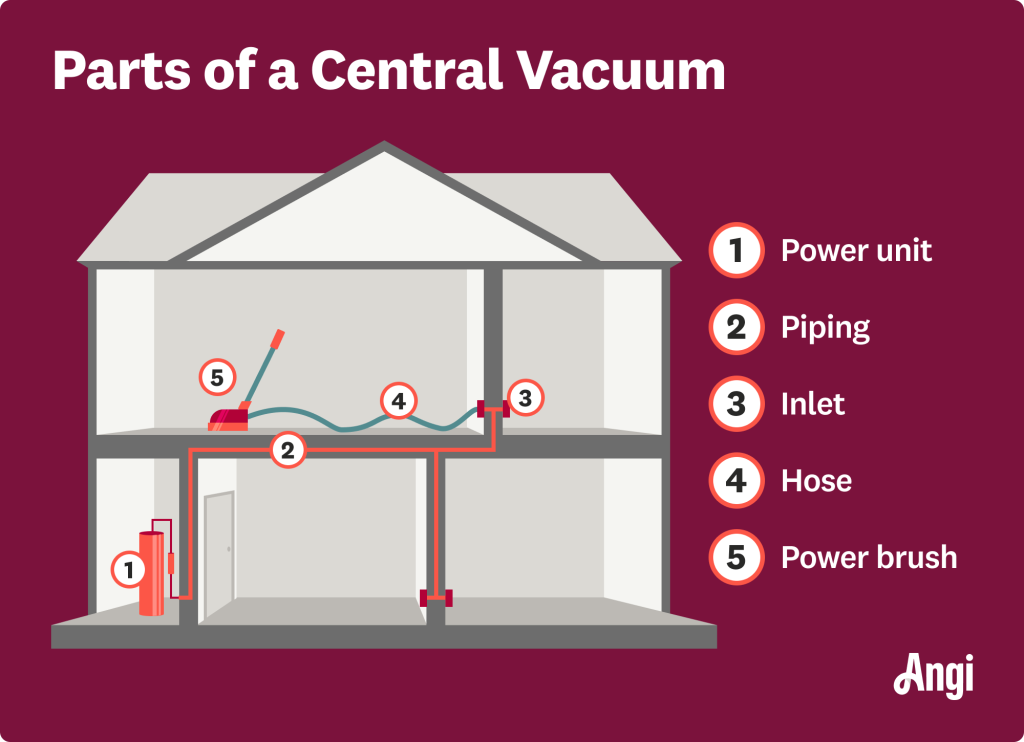
A central vacuum system is a built-in cleaning device installed inside your home’s walls. Instead of lugging a heavy vacuum around, you connect a lightweight hose to wall inlets placed throughout your rooms.
The main motor and dirt collection container sit in a remote area like a basement or garage. When you vacuum, debris travels through pipes inside your walls directly to the collection unit.
This setup means you never have to carry a full vacuum or deal with noisy motors in your living space. It’s a cleaner and often quieter way to keep your home dust-free.
Benefits Over Traditional Vacuums
- Stronger Suction:Central systems usually provide more powerful suction than portable vacuums, making cleaning more efficient.
- Less Noise:Since the motor is far from living areas, you experience much less noise during vacuuming.
- Improved Air Quality:Dirt and allergens are vented outside or into a sealed container, reducing dust recirculation inside your home.
- Convenience:With wall inlets placed in key locations, you only carry a lightweight hose, cutting down on heavy lifting.
- Durability:These systems tend to last longer than regular vacuums, offering a long-term solution.
Have you ever struggled with a vacuum that loses suction or is too noisy? A central vacuum system can solve these common frustrations and make cleaning less of a chore.

Credit: www.amazon.ca
Factors Influencing Cost
The cost of a central vacuum system depends on several key factors. These elements affect both the initial price and installation expenses. Understanding these factors helps in budgeting and choosing the right system for your home.
Home Size And Layout
Larger homes need more powerful systems and extra tubing. Complex layouts with many rooms or floors require additional inlets and longer piping. These add to the overall cost.
System Power And Capacity
Higher power units clean better and handle bigger jobs. Systems with larger capacity bags or bins last longer without emptying. More power and capacity usually mean higher prices.
Number Of Inlets
More inlets allow easier access in different areas. Each inlet adds material and labor costs. Homes with many rooms often need several inlets for convenience.
Installation Complexity
Installing in new construction is simpler and cheaper. Retrofits require cutting walls and floors, increasing labor time. Difficult access areas or special fittings raise costs further.
Brand And Model Variations
Well-known brands often charge more but offer better warranties. Some models include extra features like HEPA filters or quieter motors. These features influence the price significantly.
Price Breakdown
Understanding the price breakdown of a central vacuum system helps you plan your budget wisely. Different system types and features come with varied costs. Let’s look at what you can expect to pay at each level.
Basic System Costs
Basic central vacuum systems are perfect if you want a straightforward setup without many extras. These typically cost between $600 and $1,000. They include the main power unit and a few wall inlets for hose connections.
Installation may add another $300 to $700, depending on your home’s size and layout. If you’re handy, you might save on installation by doing some of the work yourself. But ask yourself: would you rather invest time or money?
Mid-range Options
Mid-range systems offer better suction power and more durable components. Expect prices around $1,000 to $1,800. These models often include enhanced filtration and quieter motors.
You’ll find more inlet valves and longer hoses in this range, making cleaning larger homes easier. Adding features like automatic dirt disposal can push the price higher but save you time in the long run.
High-end Models
High-end central vacuum systems can cost upwards of $2,000 to $3,500 or more. These systems boast superior suction, advanced filtration, and whisper-quiet operation.
Some models offer smart home integration, allowing you to control your vacuum remotely. If you want the best performance and convenience, investing here might make sense. But is that extra cost justified for your daily cleaning needs?
Additional Accessories
Accessories can add significant value but also increase the total cost. Common add-ons include:
- Specialized brushes for pet hair or upholstery
- Extended hoses for reaching tricky spots
- HEPA filters for allergy sufferers
- Wall-mounted hose holders for neat storage
These extras typically range from $50 to $300each. Think about which accessories match your lifestyle. Would a pet hair brush make your cleaning faster and easier?
Installation Expenses
Installation expenses for a central vacuum system can vary widely, depending on several factors. Understanding these costs helps you plan your budget better and avoid surprises. Let’s break down what influences the price and what you can expect to spend.
Professional Installation Rates
Hiring a professional to install your central vacuum system typically costs between $500 and $2,000. The price depends on the size of your home and the complexity of the installation.
Experts charge for labor and materials, including pipes, fittings, and wall inlets. You might pay more if your home has multiple floors or difficult access points.
Keep in mind that a professional installation often comes with a warranty, giving you peace of mind. Are you comfortable handling the setup yourself, or do you prefer expert help to ensure everything works perfectly?
Diy Installation Considerations
Installing a central vacuum system yourself can save money, but it demands time and some handyman skills. You’ll need to buy tools, learn about routing pipes, and understand electrical hookups.
DIY kits usually cost less upfront, but mistakes can lead to costly repairs or reduced system efficiency. If you enjoy home projects and can follow detailed instructions, this might be a rewarding challenge.
Ask yourself: do you have the patience to troubleshoot and the precision to install a system that might last for decades?
Retrofit Vs New Construction
Installing a central vacuum in an existing home (retrofit) is usually more expensive and complex than in new construction. Retrofits require drilling through walls and ceilings, which adds labor and cleanup time.
New construction allows you to plan pipe routes before walls go up, making installation smoother and cheaper. This can reduce labor costs by hundreds or even thousands of dollars.
Think about your home’s stage: is it easier and more cost-effective to add a central vacuum now, or wait until you’re doing other renovations or building a new home?
Maintenance And Operating Costs
Maintaining a central vacuum system involves some ongoing costs. These costs can affect your overall budget for using the system effectively. Understanding the main maintenance and operating expenses helps you plan better. Key areas to consider include filter and bag replacements, energy use, and repairs or service.
Filter And Bag Replacements
Filters and bags need regular changing to keep the vacuum working well. The frequency depends on how often you use the system. Some filters can be washed and reused, lowering costs. Disposable bags vary in price but usually last for months. Keeping these parts clean helps maintain suction power and air quality.
Energy Consumption
Central vacuum systems use electricity to run the motor. They consume less energy than portable vacuums over time. Most systems use about 500 to 1000 watts during operation. Running the vacuum for short periods keeps energy use low. Using energy-efficient models can reduce your electricity bills further.
Repairs And Service
Repairs may be needed if parts wear out or break. Common issues include motor problems or hose damage. Regular service checks can catch small problems early. Some brands offer warranties that cover certain repairs. Setting aside a budget for occasional repairs keeps the system reliable.
Credit: www.americanvacuum.com
Cost Comparison
Comparing the cost of a central vacuum system to other cleaning options helps you make a smart choice for your home and wallet. It’s not just about the upfront price but also what you gain or lose over time. Let’s break down how these systems stack up against portable vacuums and what the long-term financial picture looks like.
Central Vacuum Vs Portable Vacuums
Central vacuum systems usually start around $1,000 and can go up to $3,000 or more, depending on the size of your home and installation complexity. Portable vacuums typically cost between $100 and $500. That price gap is significant, but so are the differences in performance and convenience.
While portable vacuums are cheaper upfront, they often lack the power and ease of use found in central systems. You also have to carry them around, deal with limited cord lengths, and empty dust bins more frequently.
| Feature | Central Vacuum | Portable Vacuum |
|---|---|---|
| Initial Cost | $1,000 – $3,000+ | $100 – $500 |
| Noise Level | Low (motor is away from living areas) | High (motor inside the unit) |
| Cleaning Power | Strong and consistent suction | Varies; can weaken as dustbin fills |
| Maintenance | Less frequent; bags last longer | Frequent emptying and filter changes |
Long-term Savings Potential
Think about how often you need to replace filters, bags, or even the entire vacuum. Central vacuums save money over time because they use larger dust containers and durable filters. You won’t be buying bags every few weeks, which adds up.
Energy efficiency also plays a role. Central systems tend to use less electricity per cleaning session, which can lower your utility bills. Plus, they often reduce allergens better, potentially saving you money on healthcare if allergies are an issue in your home.
Have you considered the value of time saved? Less time spent lugging a heavy vacuum and emptying it means more time for what matters to you. When you add these factors, central vacuum systems start to look like an investment rather than just a cost.
Tips To Save Money
Saving money on a central vacuum system doesn’t mean you have to compromise on quality or efficiency. Smart choices and timing can make a big difference in your final cost. Here are some practical tips to help you get the best value for your investment.
Choosing The Right System Size
Picking a system that matches your home’s size is crucial. A unit that’s too big wastes money, while one that’s too small won’t clean effectively. Measure your home’s square footage and consult with a professional to find the perfect match.
Think about your cleaning habits too. If you clean frequently, a slightly larger system might save you time and effort. But if cleaning is occasional, a smaller model could be enough.
Seasonal Discounts And Deals
Timing your purchase can save you a lot. Many manufacturers and retailers offer discounts during holiday sales or end-of-season clearances. Keep an eye out for Black Friday, Cyber Monday, or spring cleaning promotions.
Signing up for newsletters from vacuum brands or home improvement stores can give you early access to deals. Have you checked if local installers offer package discounts during slower months?
Bundling Accessories
Buying accessories like hoses, brushes, and filters together with the system often cuts down the total cost. Bundles are usually cheaper than purchasing items separately. Plus, you’ll have everything you need from the start.
Consider what accessories fit your lifestyle. For example, if you have pets, a pet hair brush is a smart addition. Bundling can help you avoid multiple trips and unexpected expenses later on.
Where To Buy
Finding the right place to buy a central vacuum system affects cost and convenience. Options include online stores, local dealers, and buying directly from manufacturers. Each option has its benefits and things to consider.
Online Retailers
Online retailers offer a wide selection of central vacuum systems. Prices can be competitive due to lower overhead costs. You can read customer reviews to learn about product quality. Shipping is often fast and sometimes free.
Look for trusted websites with clear return policies. Some popular online stores provide installation kits and accessories. Shopping online allows easy price comparison across brands.
Local Dealers
Local dealers provide hands-on assistance and personalized advice. You can see models in person before buying. Dealers may offer installation services or recommend trusted installers. Support is often easier to access with local stores.
Buying locally supports nearby businesses and may reduce shipping fees. Dealers sometimes have promotions or discounts. Visit stores to ask questions and get expert recommendations.
Direct From Manufacturers
Buying directly from manufacturers can give access to the latest models. Manufacturers often provide warranties and product guarantees. You may find exclusive deals not available elsewhere. Some manufacturers offer custom options tailored to your home.
Ordering from the source ensures product authenticity. Customer service teams can answer detailed questions. Delivery times vary but are usually reliable when buying direct.
Frequently Asked Questions
How Much Does A Central Vacuum System Cost?
A central vacuum system typically costs between $800 and $2,500. Price depends on home size, brand, and installation complexity. Higher-end models with extra features cost more. Installation fees can vary based on house layout and labor rates.
Are Central Vacuum Systems Worth The Investment?
Yes, central vacuum systems offer powerful cleaning and improve air quality. They save time and reduce noise compared to portable vacuums. The initial cost is offset by durability and convenience over time, making them a valuable home investment.
What Factors Influence Central Vacuum System Pricing?
Pricing depends on system capacity, brand quality, and installation complexity. Larger homes require bigger units and more piping, increasing costs. Additional accessories and features, like HEPA filters, also affect the final price.
Can I Install A Central Vacuum System Myself?
DIY installation is possible for skilled homeowners but challenging for most. Proper planning and tools are essential to avoid leaks and poor suction. Professional installation is recommended for guaranteed performance and warranty protection.
Conclusion
Central vacuum systems vary in price based on size and features. Installation costs depend on your home’s layout and materials used. Choosing a system that fits your needs saves money over time. These systems offer quiet, strong suction and easy cleaning.
Think about long-term benefits and maintenance before deciding. A well-chosen system adds value and comfort to your home. Take time to compare options and budget carefully. This way, you get the best balance of cost and performance.