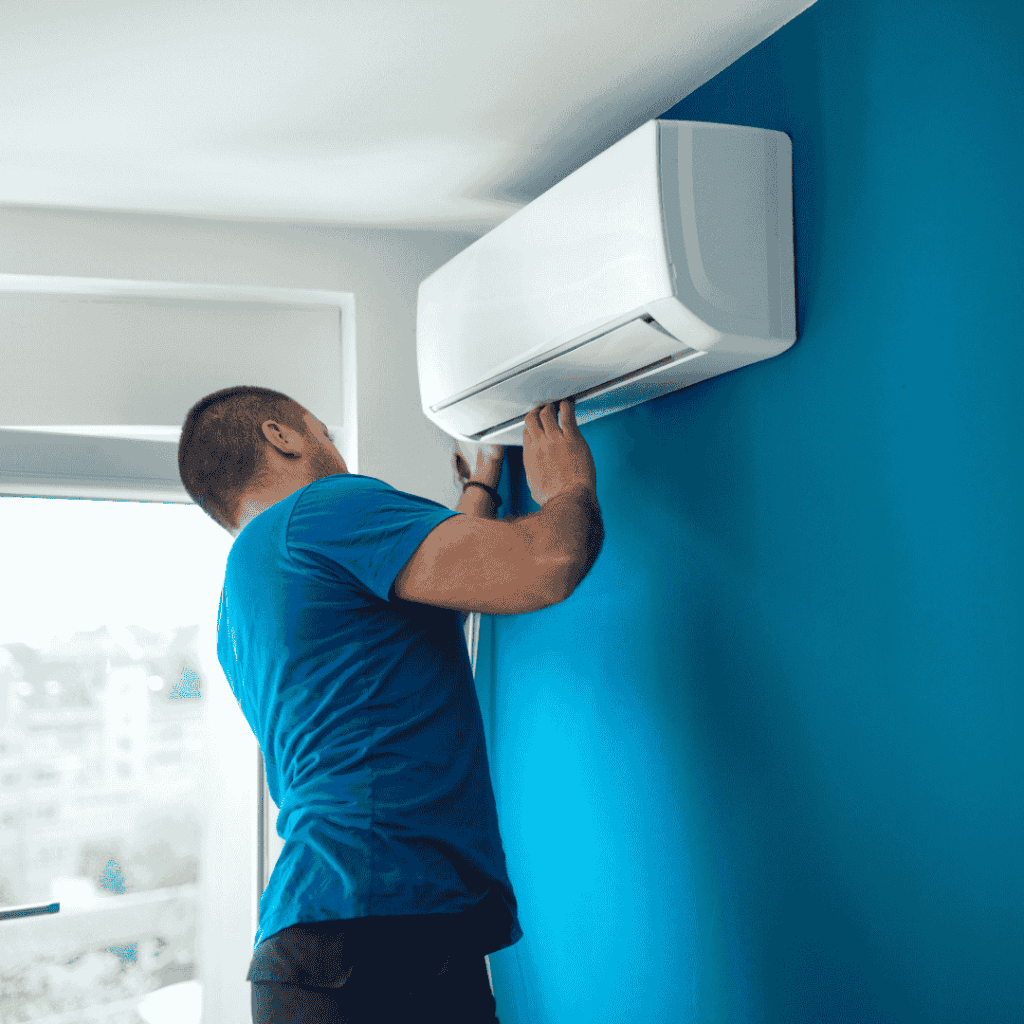
Are you thinking about upgrading your home cooling system? A ductless air conditioner might be just what you need.
But before you make any decisions, you probably want to know one important thing: how much does a ductless air conditioner cost? Understanding the price can help you plan your budget and avoid surprises. You’ll get clear answers about the costs involved, including installation and long-term savings.
Keep reading to find out if a ductless air conditioner is the right choice for your home and wallet.

Credit: www.furnaceprices.ca
Ductless Ac Basics
Ductless air conditioners cool rooms without using ducts. They are an option for homes without central air systems.
These systems save space and offer easy installation. They help cool specific areas efficiently.
How Ductless Systems Work
Ductless air conditioners have two main parts: an indoor unit and an outdoor unit. The indoor unit blows cool air into the room.
The outdoor unit removes heat from inside the house and sends it outside. These units connect with small pipes, not big ducts.
- Indoor unit cools the room air
- Outdoor unit releases heat outside
- Small pipes carry refrigerant between units
Types Of Ductless Ac Units
There are different types of ductless air conditioners. Each type fits different needs and room sizes.
Some common types include wall-mounted, floor-mounted, and ceiling cassette units. Each has a unique way to deliver cool air.
- Wall-Mounted:Most popular, easy to install on walls
- Floor-Mounted:Good for rooms without high walls
- Ceiling Cassette:Installed in ceilings, cools large spaces evenly
- Multi-Zone Systems:Connect several indoor units to one outdoor unit
Price Factors
The cost of a ductless air conditioner varies by several factors. Knowing these can help you plan your budget better.
Price depends on the size, brand, installation, and extra parts needed for the system.
Unit Size And Capacity
Larger units with higher cooling capacity cost more. Capacity is measured in BTUs (British Thermal Units).
| Unit Size (BTU) | Approximate Price Range |
| 9,000 | $700 – $1,200 |
| 12,000 | $1,000 – $1,500 |
| 18,000 | $1,200 – $2,000 |
| 24,000 | $1,800 – $2,500 |
Brand And Model Variations
Different brands and models offer varied features and efficiencies. Popular brands usually have higher prices.
- Basic models have fewer features and lower prices.
- High-efficiency models cost more but save energy.
- Smart models with Wi-Fi and app controls are pricier.
Installation Costs
Professional installation is needed for ductless systems. Costs depend on home layout and difficulty of installation.
- Simple installations cost less, usually $300 to $500.
- Complex jobs with multiple zones can cost $1,000 or more.
- Permits and inspections may add extra fees.
Additional Components
Extra parts can increase the total price. These include mounting kits, line sets, and electrical upgrades.
| Component | Typical Cost |
|---|---|
| Mounting Brackets | $50 – $100 |
| Refrigerant Lines | $100 – $300 |
| Electrical Work | $200 – $500 |
| Drainage Pipes | $30 – $80 |
Average Cost Breakdown
Ductless air conditioners are a popular choice for cooling specific areas in homes. They do not require ductwork, making installation easier and often less expensive.
The total cost depends on the type of system you choose and the size of the area you want to cool. Here is a breakdown of average costs for single-zone and multi-zone systems.
Single-zone Systems
Single-zone ductless systems cool one room or area. They have one indoor unit connected to one outdoor unit. These systems are ideal for small spaces or rooms.
The average cost includes the unit price and installation fees. Prices vary by brand, capacity, and installation complexity.
- Unit cost: $700 to $2,000
- Installation: $300 to $1,000
- Total average cost: $1,000 to $3,000
Multi-zone Systems
Multi-zone systems connect multiple indoor units to one outdoor unit. They cool several rooms or zones independently. These systems are good for larger homes or multiple rooms.
The cost depends on how many zones you need. More zones increase the price because of extra indoor units and installation work.
- Unit cost per zone: $700 to $2,000
- Installation per zone: $300 to $1,000
- Total average cost for 2-4 zones: $3,000 to $7,000

Credit: northnjhvac.com
Energy Savings Potential
Ductless air conditioners can save energy by cooling only the rooms you use. They avoid the energy loss found in ductwork of central systems.
Understanding energy savings helps you decide if a ductless system fits your budget and home needs.
Efficiency Ratings
Ductless units often have high Seasonal Energy Efficiency Ratio (SEER) and Energy Efficiency Ratio (EER) ratings. These ratings show how well the system uses electricity to cool your home.
- SEER measures cooling output over a season.
- EER measures cooling efficiency at a specific temperature.
- Higher ratings mean less energy used for the same cooling.
Comparing To Central Ac
Ductless air conditioners often use less electricity than central AC. Central AC systems lose energy through ducts, especially if ducts are old or leaky.
| Feature | Ductless AC | Central AC |
| Energy Loss | Minimal (no ducts) | Can be high due to duct leaks |
| Efficiency Ratings | Up to 30 SEER | Typically 13-21 SEER |
| Zone Cooling | Yes, cools individual rooms | No, cools entire home |
| Installation Cost | Lower for small areas | Higher for whole house |
Impact On Utility Bills
Using a ductless system can lower your electricity bills. They cool only used spaces, so less power is needed.
- Set the thermostat higher in unused rooms.
- Use multiple indoor units for better control.
- Maintain filters to keep efficiency high.
- Turn off units when rooms are empty.
Installation Tips
Installing a ductless air conditioner needs careful planning. Proper installation helps the unit work well.
Follow these tips to make sure your ductless air conditioner is set up correctly and safely.
Choosing A Qualified Installer
Pick an installer with experience in ductless air conditioners. Check their licenses and reviews.
A good installer will know how to place and connect the system properly. This avoids future problems.
- Look for certified HVAC professionals
- Ask for past customer feedback
- Ensure they have proper insurance
- Verify experience with ductless systems
Placement Considerations
Place the indoor unit where air can flow freely. Avoid spots blocked by furniture or curtains.
The outdoor unit should be in a shaded area. Keep it clear of debris and allow space for air circulation.
- Indoor unit: high on a wall, away from heat sources
- Outdoor unit: on a solid, level surface
- Keep at least 12 inches clearance around outdoor unit
- Avoid direct sunlight and heavy dust areas
Permits And Regulations
Check local rules before installation. Some places need permits for ductless air conditioners.
Following regulations helps avoid fines and ensures safety. Your installer should help with this process.
- Contact your city or county building department
- Ask if permits are required for installation
- Make sure the installer follows all codes
- Keep copies of all permits and inspections
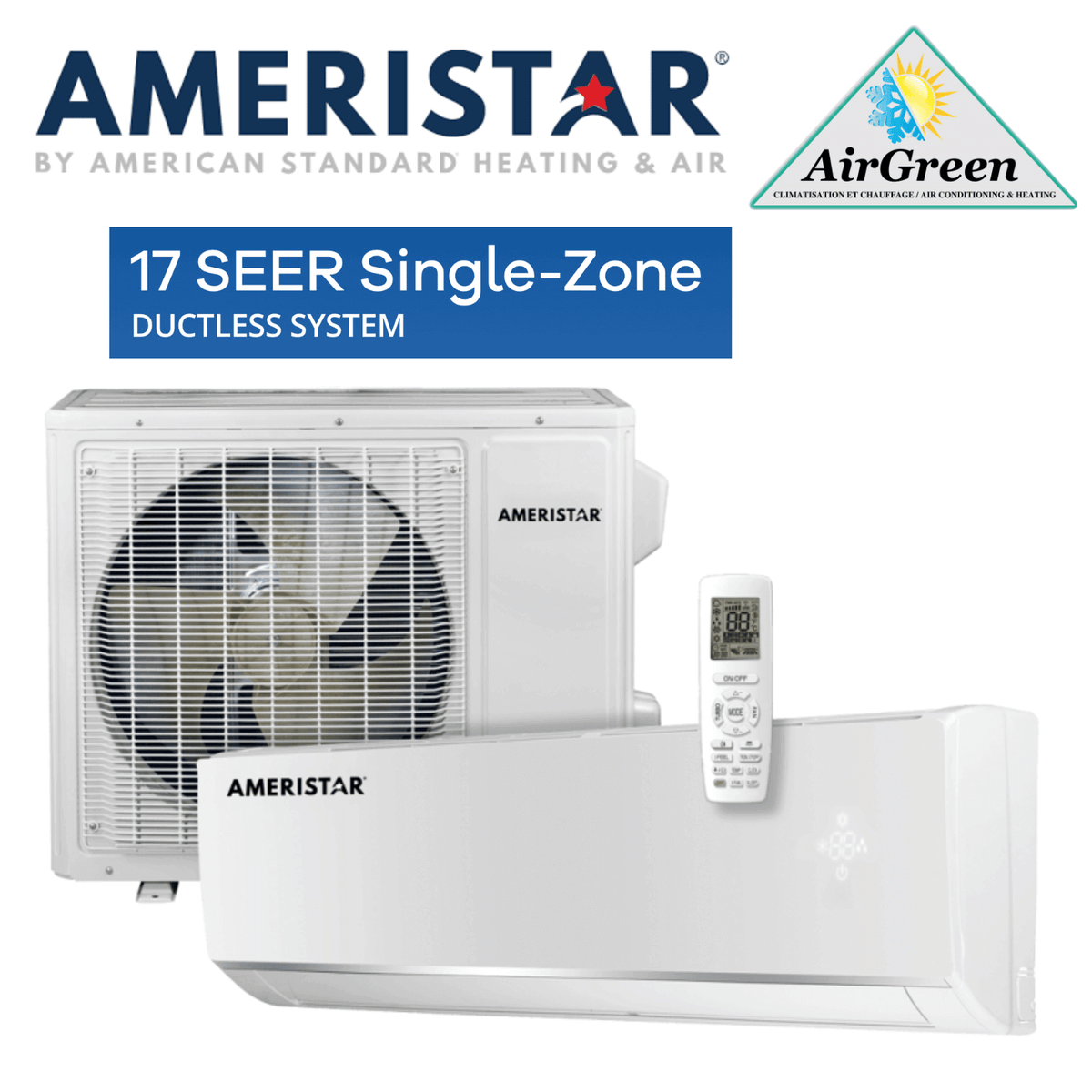
Credit: airgreen.ca
Maintenance And Longevity
Ductless air conditioners need regular care to work well. Proper maintenance helps them last longer and saves money.
Knowing common repairs and how long these units last helps you plan for the future.
Routine Maintenance Tasks
Cleaning the filters keeps air flowing and stops dust buildup. Check filters every month during heavy use.
Clear the outdoor unit of leaves and dirt. Make sure no plants block the airflow around the unit.
- Clean or replace air filters
- Wipe down indoor and outdoor units
- Check for unusual noises or leaks
- Keep area around the outdoor unit clear
- Schedule professional check-ups yearly
Common Repairs
Sometimes ductless air conditioners need repairs. Common issues include refrigerant leaks and electrical problems.
Fans or compressors may fail over time. Fix these quickly to avoid bigger costs later.
- Refrigerant recharge or leak repair
- Fan motor replacement
- Compressor repair or replacement
- Electrical control and wiring fixes
- Drain line cleaning to prevent water leaks
Expected Lifespan
Ductless air conditioners usually last 10 to 15 years. Proper care can extend their life.
Regular maintenance and quick repairs help the unit run longer and more efficiently.
- Average lifespan: 10-15 years
- Good maintenance can add 2-3 years
- Replace if repair costs exceed half the unit price
- Older units may use less efficient refrigerants
Incentives And Rebates
Installing a ductless air conditioner can lower your energy bills. Many places offer help to reduce the cost. These incentives make the purchase easier.
Learn about government programs, utility offers, and tax credits. These options can save you money on a ductless air conditioner.
Government Programs
Many governments have programs to encourage energy-efficient appliances. These programs can offer cash rebates or discounts on ductless air conditioners.
- State energy offices often run rebate programs.
- Local governments may offer special grants or vouchers.
- Programs vary by location and change yearly.
- Check your government’s official website for details.
Utility Company Offers
Utility companies sometimes provide rebates to customers. They want to lower energy use during peak times. Rebates help pay for ductless air conditioners.
| Utility Company | Offer Type | Amount |
| City Power | Rebate | $300 |
| Green Energy Co. | Discount | 10% off |
| Electric Works | Cash Back | $250 |
Tax Credits
Tax credits reduce the amount of tax you owe. Some credits apply to energy-efficient home upgrades. Ductless air conditioners may qualify for these credits.
- Federal tax credits can cover part of the purchase.
- State tax credits vary by region.
- You must file proper paperwork to claim credits.
- Keep all receipts and certification forms.
Making The Right Choice
Choosing a ductless air conditioner means understanding your needs and costs. This guide helps you find the best fit for your home and budget.
We will cover how to assess cooling needs, plan your budget, and consider long-term value.
Assessing Your Cooling Needs
Knowing your space size and climate helps pick the right unit. Consider how many rooms need cooling and if you want zone control.
- Measure the square footage of areas to cool
- Note how many windows and sun exposure you have
- Decide if you want a single or multiple indoor units
- Check your local climate and humidity levels
Budgeting For Costs And Savings
Ductless air conditioner prices vary by size, brand, and installation. You should plan for upfront cost and future energy savings.
| Cost Item | Estimated Price Range |
|---|---|
| Unit Price | $700 – $2,500 |
| Installation | $300 – $1,200 |
| Energy Savings | Up to 30% less than central AC |
| Maintenance | $100 – $200 per year |
Long-term Value
Think about durability, energy efficiency, and comfort over time. A good system pays off in savings and convenience.
- Energy star rating for cost savings
- Warranty length and coverage
- Ease of maintenance
- Noise levels during operation
Frequently Asked Questions
How Much Does A Ductless Air Conditioner Cost?
Ductless air conditioners typically cost between $1,500 and $3,500. The price varies based on brand, capacity, and installation complexity. Higher-end models and multi-zone systems can cost more. Installation fees may add $300 to $1,000 depending on your home’s setup.
Are Ductless Air Conditioners More Expensive To Install?
Installation costs for ductless ACs are usually lower than central air systems. They require minimal ductwork and less labor. However, costs depend on the number of zones and wall modifications. On average, installation adds $300 to $1,000 to the unit price.
What Factors Affect Ductless Ac Prices?
Price depends on BTU capacity, brand, energy efficiency, and zones. Larger capacity units cost more. Multi-zone systems increase total expense. Additional features like smart controls and warranties also impact the price. Installation complexity can raise overall costs.
Is A Ductless Air Conditioner Cost-effective Long-term?
Yes, ductless units save energy by cooling specific rooms only. They have higher SEER ratings than window units. Lower energy use means reduced utility bills. Maintenance costs are generally low, making them affordable over time.
Conclusion
Ductless air conditioners offer flexible cooling for many homes. Costs vary based on size, brand, and installation needs. Choosing the right unit can save money and energy. Think about long-term benefits, not just upfront price. A good system keeps you cool without high bills.
Compare options carefully before making a choice. Comfort and savings go hand in hand with ductless AC. Take your time to find the best fit for your home.