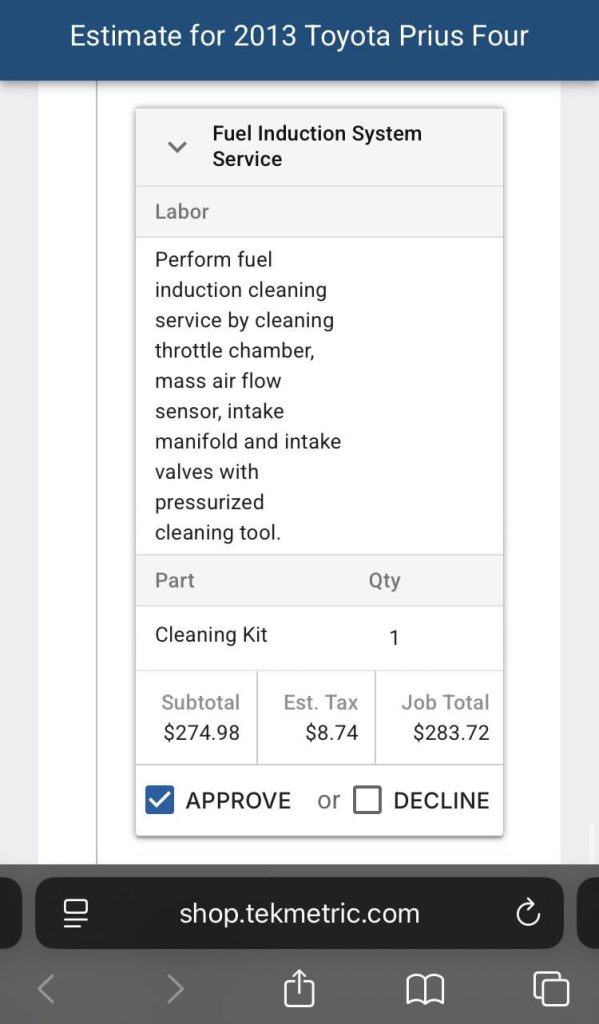
Are you wondering how much a fuel system cleaning might cost you? Keeping your vehicle’s fuel system clean is key to maintaining its performance and saving money on repairs down the road.
But before you schedule a service, you probably want to know what to expect on your bill. You’ll discover the typical price range for fuel system cleaning, what factors can affect the cost, and how to decide if it’s worth the investment for your car.
Keep reading to get all the answers you need and make the best choice for your vehicle and budget.
Fuel System Cleaning Basics
Fuel system cleaning helps keep your engine running smoothly. Dirt and deposits can build up inside the system. Cleaning removes these deposits and improves fuel flow.
This process can extend the life of your vehicle and improve fuel efficiency. Knowing what fuel system cleaning involves can help you decide if you need it.
What Fuel System Cleaning Involves
Fuel system cleaning clears dirt and buildup from parts of the fuel system. It focuses on the fuel injectors, intake valves, and combustion chambers. Cleaning helps restore proper fuel spray and combustion.
- Removing deposits from fuel injectors to improve spray patterns
- Cleaning intake valves to prevent rough idling and stalling
- Clearing combustion chambers to reduce emissions and knocking
- Using special cleaning solutions or additives during the process
- Sometimes disassembling parts for deep cleaning in severe cases
Signs Your Fuel System Needs Cleaning
Watch for these signs that indicate your fuel system may need cleaning. Early detection can prevent costly repairs and improve vehicle performance.
| Symptom | Possible Cause |
| Engine misfires | Clogged fuel injectors |
| Poor fuel economy | Blocked fuel flow |
| Rough idling | Dirty intake valves |
| Hard starting | Fuel system deposits |
| Loss of power | Combustion chamber buildup |

Credit: www.amazon.com
Factors Affecting Cleaning Costs
The cost of fuel system cleaning changes based on many factors. Understanding these helps you plan your budget.
Fuel system cleaning keeps your engine running well. The price depends on your vehicle and service needs.
Vehicle Type And Model
Different vehicles need different cleaning methods. Some parts in luxury cars cost more to clean.
Older models might need deeper cleaning. Small cars often cost less to service than trucks or SUVs.
- Luxury cars may have higher costs due to parts.
- Older vehicles might need more work.
- Trucks and SUVs usually cost more than small cars.
Extent Of Cleaning Required
Cleaning can be light or deep. Light cleaning removes surface dirt and build-up.
Deep cleaning includes fuel injector cleaning and system flushing. This takes more time and costs more.
- Light cleaning is quicker and cheaper.
- Deep cleaning is thorough but costs more.
- Severe engine problems might need extra services.
Location And Service Provider
Prices vary by location. Big cities often have higher service costs than small towns.
Service providers differ in price. Dealerships charge more than independent mechanics.
- Urban areas usually have higher prices.
- Dealerships often charge more for cleaning.
- Independent shops may offer lower rates.
Typical Price Ranges
Fuel system cleaning costs vary based on the service level. Prices depend on the vehicle type and cleaning methods.
Understanding price ranges helps you choose the right cleaning package for your budget.
Standard Cleaning Packages
Standard cleaning usually includes cleaning fuel injectors, throttle body, and intake valves. This service improves engine performance and fuel efficiency.
The typical cost for standard packages ranges from $50 to $120. This price depends on the service provider and vehicle model.
- Fuel injector cleaning
- Throttle body cleaning
- Intake valve cleaning
- Basic fuel system inspection
Premium And Comprehensive Services
Premium services offer a deep clean of the entire fuel system. This includes fuel lines, fuel tank, and advanced injector cleaning.
Prices for premium services usually range from $120 to $250. These services take more time and use specialized equipment.
- Complete fuel system flush
- Fuel tank cleaning
- Advanced fuel injector service
- Fuel line cleaning
- Performance testing
Credit: www.autozone.com
Diy Vs Professional Cleaning
Cleaning your fuel system helps your car run better and saves fuel. You can do it yourself or hire a professional.
The cost of fuel system cleaning depends on the method you choose. DIY kits are cheaper but need effort. Professionals charge more but offer expert service.
Pros And Cons Of Diy Methods
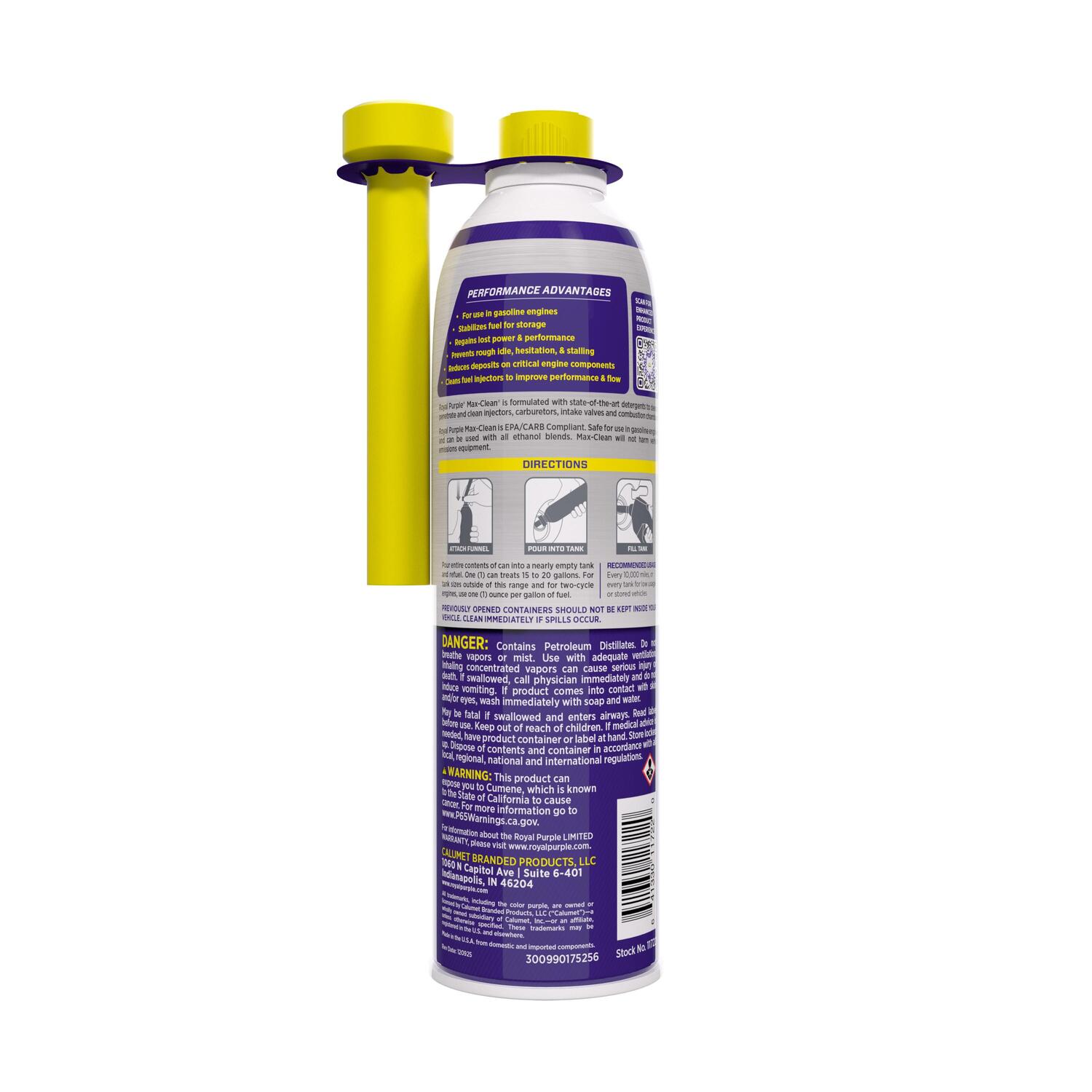
DIY fuel system cleaning can save money. You buy a cleaning kit and use it at home. It is simple but not always complete.
- Pros:Low cost, easy to find kits, no need to visit a shop
- Cons:May not fix deep problems, risk of using wrong products, takes your time
When To Choose Expert Services
Professional cleaning costs more but covers the whole fuel system. Experts use special tools to clean injectors, valves, and tanks.
Choose expert service if your car has serious issues like rough idling or poor acceleration. They offer a full check and better results.
- Complex problems need expert attention
- Professional cleaning improves engine life
- Experts find and fix hidden faults
Benefits Of Regular Cleaning
Keeping your fuel system clean helps your vehicle run smoothly. Dirt and deposits can build up over time. Regular cleaning removes these harmful particles.
Cleaning the fuel system often saves money in the long run. It also protects your engine and the environment.
Improved Fuel Efficiency
A clean fuel system allows fuel to flow better to the engine. This means the engine uses fuel more effectively. You get more miles for every gallon.
- Better fuel flow reduces waste
- Improves mileage on city and highway drives
- Helps lower fuel costs over time
Enhanced Engine Performance
Removing deposits helps the engine run smoother. It reduces rough idling and engine knocking. The engine responds faster to acceleration.
| Performance Aspect | Effect of Cleaning |
| Smooth Idling | Less vibration and noise |
| Acceleration | Quicker throttle response |
| Engine Life | Reduced wear and tear |
Reduced Emissions
Dirty fuel systems cause incomplete fuel burning. This leads to more harmful gases released. Cleaning helps cut down on these emissions.
Here are common pollutants reduced by fuel system cleaning:
- Carbon monoxide (CO)
- Nitrogen oxides (NOx)
- Hydrocarbons (HC)
Tips To Save On Cleaning Costs
Fuel system cleaning can keep your car running well. The cost varies based on the service and your vehicle.
Saving money on this service is possible with smart choices. Use these tips to spend less.
Finding Reliable Service Deals
Look for trustworthy shops that offer discounts or package deals. Reliable services protect your engine.
Check local ads, online reviews, and ask friends for recommendations. Good shops may offer seasonal sales.
- Compare prices from several service centers
- Ask about bundle deals with oil changes or inspections
- Use coupons or discount codes if available
- Join loyalty programs for regular savings
Maintenance Practices To Extend Intervals
Regular care helps your fuel system last longer without cleaning. Follow simple steps to keep it clean.
Good habits reduce dirt buildup and fuel waste. This lowers the need for frequent cleanings.
- Use high-quality fuel to avoid deposits
- Change fuel filters as recommended
- Keep your engine tuned and check spark plugs
- Avoid short trips that don’t warm the engine fully

Credit: fuelsystemservice.com
Frequently Asked Questions
What Affects The Cost Of Fuel System Cleaning?
The cost varies due to vehicle type, cleaning method, and location. Luxury cars may cost more. Professional services charge differently based on the cleaning process used.
How Often Should I Get Fuel System Cleaning?
Most experts recommend cleaning every 30,000 miles or yearly. Regular cleaning improves engine performance and fuel efficiency. Check your owner’s manual for specific guidance.
Can Fuel System Cleaning Save Me Money?
Yes, it improves fuel efficiency and prevents costly repairs. A clean system reduces engine strain and emissions. This leads to long-term savings on fuel and maintenance.
Is Diy Fuel System Cleaning Cost-effective?
DIY kits are cheaper but less thorough than professional services. They can help maintain cleanliness but might miss deep deposits. Professional cleaning ensures complete system care.
Conclusion
Fuel system cleaning costs vary depending on your car and service type. Basic cleanings usually cost less, while deep cleanings cost more. Regular cleaning helps your car run better and saves money on repairs. Keep track of your car’s needs to avoid bigger problems later.
Choose a trusted mechanic to get the best value. A clean fuel system means better fuel efficiency and smoother driving. Don’t wait too long to clean the fuel system. It is a small cost for long-term car health.