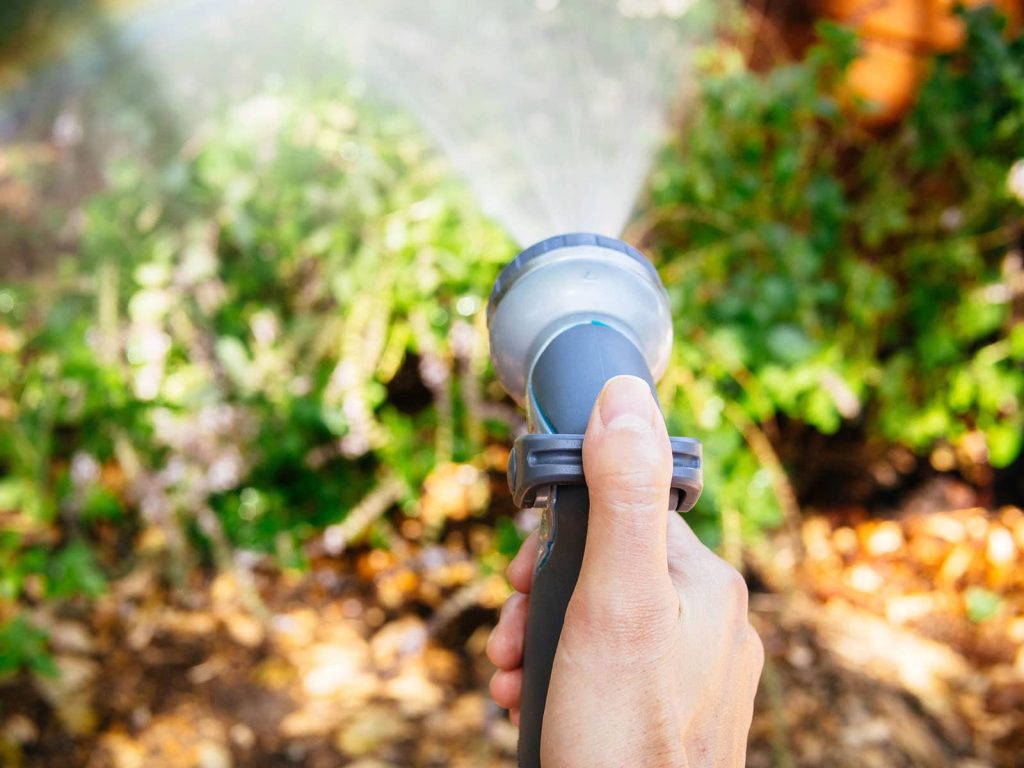
Have you ever wondered how much water actually flows through your garden hose? Knowing the flow rate can make a big difference when you’re watering plants, washing your car, or filling a pool.
If your hose flows too slowly, you might waste time and energy. If it flows too fast, you could end up flooding your garden or wasting water. You’ll discover exactly how to measure your hose’s flow and why it matters for your everyday tasks.
Keep reading to find out how to get the most out of your garden hose every time you turn it on.

Credit: swanhose.com
Factors Affecting Hose Flow
Garden hoses come in various sizes and materials. These differences affect how water flows through them. Understanding these factors helps you choose the best hose for your needs.
Several factors impact the flow rate of water through a garden hose. Knowing these can help improve your gardening and watering tasks.
Hose Diameter Impact
The diameter of a hose is crucial to its flow rate. Larger diameters allow more water to pass through. This is useful for tasks needing higher water volumes.
| Diameter (inches) | Flow Rate (gallons per minute) |
| 1/2 inch | 9 |
| 5/8 inch | 17 |
| 3/4 inch | 23 |
Length And Flow Rate
The length of a hose affects how fast water flows. Longer hoses have more resistance, reducing flow rate. For efficient watering, choose a length suitable for your garden size.
- Short hoses provide stronger flow.
- Long hoses may require more water pressure.
- Consider hose length for your garden’s needs.
Material And Flexibility
The material of a garden hose affects its flexibility and durability. Rubber hoses are flexible but heavier, while vinyl hoses are lighter but less durable.
Water Pressure Influence
Water pressure is key to how well a hose performs. Higher pressure improves flow rate. Check your water source to ensure it provides adequate pressure for your hose.
Consider using a pressure gauge to measure and adjust water pressure as needed. This ensures optimal hose performance.

Credit: www.amazon.ca
Measuring Water Pressure
Water pressure affects how much water flows through a garden hose. Measuring this pressure helps understand the hose’s performance.
Knowing your water pressure can save water and improve your gardening tasks.
Tools For Measurement
You need specific tools to measure water pressure in a garden hose. These tools give accurate readings for better control.
- Pressure gauge: attaches to the hose or faucet and shows pressure in PSI.
- Flow meter: measures how much water passes through the hose.
- Digital water pressure tester: provides precise digital readings.
Ideal Pressure Levels
Garden hoses work best within certain pressure ranges. Too low or high pressure affects flow and hose life.
| Pressure Range (PSI) | Effect |
| 20 – 40 | Low flow, slow watering |
| 40 – 60 | Optimal for most garden hoses |
| 60 – 80 | Good flow but may stress older hoses |
| Above 80 | Risk of hose damage and leaks |
Pressure Variations
Water pressure can change due to many factors. These variations affect hose flow and watering efficiency.
- Time of day: Pressure is higher when fewer people use water.
- Nearby water use: Other taps reduce pressure.
- Elevation: Higher ground usually means lower pressure.
- Pipe condition: Old pipes lower the pressure.
Flow Rate Calculations
Knowing how much water flows through a garden hose helps you water plants well. Flow rate shows how much water moves in a set time.
This guide explains how to calculate flow rate for garden hoses. You will learn about gallons per minute, pressure effects, and hose size.
Gallons Per Minute Explained
Gallons per minute (GPM) tells you how many gallons of water flow each minute. It is the common way to measure hose flow.
Higher GPM means more water comes out fast. Lower GPM means slower water flow. GPM depends on water pressure and hose size.
Calculating Flow Based On Pressure
Water pressure pushes water through the hose. It is measured in pounds per square inch (PSI). Higher PSI means faster flow.
You can estimate flow rate using this simple formula: Flow (GPM) = Pressure (PSI) ÷ 10. This gives a rough idea of how much water flows.
- If pressure is 40 PSI, flow rate is about 4 GPM.
- At 60 PSI, flow rate is about 6 GPM.
- At 80 PSI, flow rate is about 8 GPM.
Adjusting For Hose Size
Hose diameter affects how much water can flow through. Larger hoses let more water pass, smaller hoses limit flow.
Here is a simple guide to flow rates by hose size at normal pressure:
| Hose Diameter | Approximate Flow (GPM) |
|---|---|
| 1/2 inch | 5 GPM |
| 5/8 inch | 9 GPM |
| 3/4 inch | 12 GPM |
Use this info to pick the right hose size for your watering needs. Bigger hoses work well for large gardens.
Optimizing Hose Performance
Garden hoses need good flow to work well. A hose with good flow saves water and time. You can make your hose flow better by following simple steps.
Improving hose performance helps with watering plants, washing cars, and other tasks. Small changes can make a big difference in water flow.
Reducing Kinks And Bends
Kinks and bends block water flow in garden hoses. They cause low pressure and slow the flow. Keeping your hose straight helps water move freely.
Store hoses properly by coiling them without sharp bends. Use hose guides or reels to avoid kinks during use.
- Avoid twisting the hose when pulling
- Use hose reels to keep it neat
- Check for kinks before turning on water
Maintaining Proper Pressure
Water pressure affects how much water flows through a hose. Too low pressure means weak flow. Too high pressure can damage the hose.
Check your water source for steady pressure. Use pressure regulators if needed to keep it safe and steady.
- Test pressure with a gauge
- Fix leaks to keep pressure stable
- Use a pressure regulator for high water pressure
Choosing The Right Hose
Hose size and material affect water flow. Larger diameter hoses let more water flow. Strong materials last longer and resist damage.
Pick a hose size that fits your needs. Use durable hoses for heavy use or rough surfaces.
- Choose 5/8 inch or 3/4 inch diameter for better flow
- Use reinforced hoses to avoid leaks and bursts
- Lightweight hoses are easier to handle but may wear faster
Common Flow Issues
Garden hoses sometimes do not flow water as expected. This can make watering plants slow and frustrating.
Understanding common flow problems helps fix them quickly. This keeps your garden healthy and green.
Leaks And Blockages
Leaks in your hose reduce water flow by letting water escape. Small holes or cracks cause leaks.
Blockages stop water from moving smoothly. Dirt, leaves, or debris can clog the hose inside.
- Check for holes or cracks along the hose
- Clear any debris from the hose nozzle
- Flush water through the hose to remove blockages
Pressure Drops
Low water pressure causes slow flow in your garden hose. Pressure drops when the water supply is weak.
Long hoses or very thin hoses also lower pressure. This reduces the water speed and flow rate.
- Use shorter hoses to keep good pressure
- Choose hoses with a larger diameter
- Make sure your water source has enough pressure
Effect Of Attachments
Attachments like spray nozzles or timers affect hose flow. Some attachments reduce water flow by design.
Clogged or damaged attachments also lower flow. Clean and check attachments regularly for best performance.
- Remove attachments to test hose flow
- Clean or replace clogged nozzles
- Use attachments made for your hose size

Credit: www.amazon.ca
Practical Applications
Knowing how much water a garden hose can flow helps in many tasks. It makes watering plants easier and saves water.
You can also use this knowledge for cleaning and filling containers fast and well.
Watering Gardens Efficiently
A garden hose flow rate affects how quickly you water your plants. Too much water can waste resources. Too little slows growth.
- Use a hose with steady flow for even watering
- Adjust the nozzle to control water speed
- Water plants early or late to reduce evaporation
- Check for leaks to save water
Using Hoses For Cleaning
Garden hoses help clean patios, cars, and tools. The flow rate decides how fast dirt washes away.
| Cleaning Task | Recommended Flow Rate (GPM) |
| Car washing | 5-7 |
| Patio cleaning | 7-10 |
| Tool rinsing | 3-5 |
Filling Pools And Containers
Hoses fill pools and containers faster with higher flow rates. Know your hose’s flow to plan filling times.
Here is a simple table to estimate filling time:
| Container Size (Gallons) | Flow Rate (GPM) | Time to Fill (Minutes) |
|---|---|---|
| 100 | 5 | 20 |
| 200 | 7 | 29 |
| 500 | 10 | 50 |
Frequently Asked Questions
What Affects The Flow Rate Of A Garden Hose?
The flow rate depends on hose diameter, length, water pressure, and nozzle type. Larger diameter and shorter hoses increase flow. Higher water pressure also boosts flow rate, while restrictive nozzles reduce it.
How Much Water Does A Standard Garden Hose Deliver?
A standard 5/8-inch garden hose typically delivers 9 to 17 gallons per minute (GPM). Flow varies with water pressure, usually between 40 to 60 psi, and hose length.
Can Nozzle Type Change Garden Hose Flow?
Yes, nozzle types significantly impact flow rate. Adjustable nozzles control spray patterns and can restrict water flow. Open nozzles allow maximum flow, while spray nozzles reduce it for gentler watering.
How Does Hose Diameter Influence Water Flow?
Hose diameter directly affects flow rate. Larger diameters allow more water to pass, increasing flow. Common sizes are 1/2 inch, 5/8 inch, and 3/4 inch, with 3/4 inch offering the highest flow.
Conclusion
Knowing how much water your garden hose flows helps you plan watering better. Hose diameter, length, and water pressure affect flow rates. A good flow saves time and keeps plants healthy. Choose the right hose for your needs to avoid frustration.
Test your hose flow to understand its performance. Simple checks can improve your gardening experience. Water wisely and enjoy a thriving garden all season.