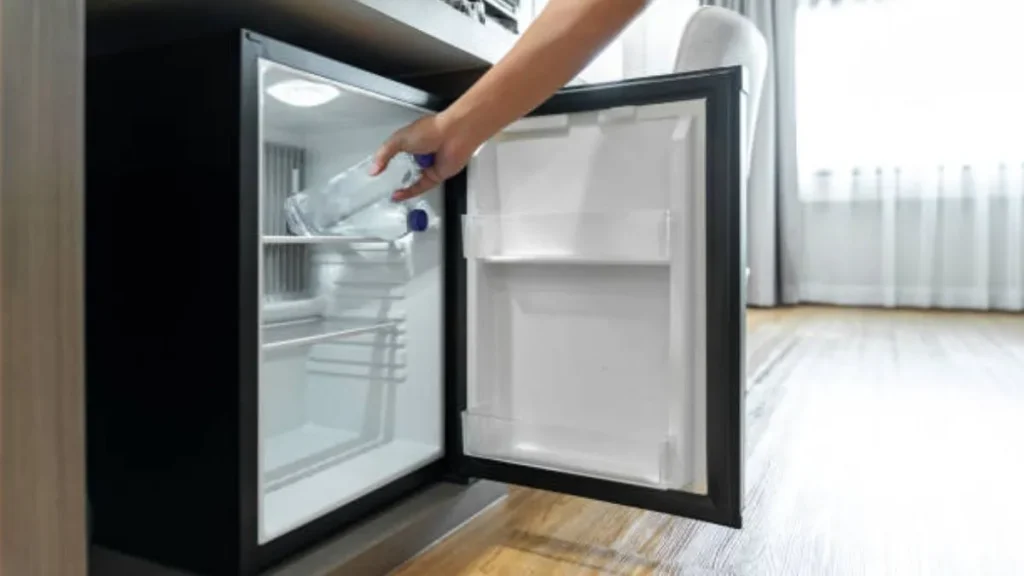
Are you wondering how much it really costs to keep your mini refrigerator running? Whether you use it for your office, dorm room, or bedroom, knowing the energy expenses can help you save money and make smarter choices.
You might be surprised to learn that a mini fridge can be cheaper to run than you think—or maybe it’s costing you more than you realize. You’ll discover the true cost of running a mini refrigerator, simple ways to cut down your electric bill, and tips to get the most out of your appliance without breaking the bank.
Keep reading to find out how your mini fridge impacts your budget and what you can do about it.
Mini Fridge Energy Use
Understanding the energy use of a mini fridge is key to managing your electricity bills effectively. These compact appliances are designed to be efficient, but their actual power consumption can vary widely. Knowing how much energy your mini fridge uses helps you make smarter choices for your space and budget.
Average Power Consumption
Most mini refrigerators use between 55 and 85 watts of power when running. This means if your mini fridge runs continuously for one hour, it consumes about 0.055 to 0.085 kilowatt-hours (kWh) of electricity.
On average, a mini fridge uses about 100 to 250 kWh per year. To put this into perspective, if your electricity rate is $0.12 per kWh, it costs roughly $12 to $30 annually to run a mini fridge. This cost can be surprisingly low compared to full-sized refrigerators.
Factors Affecting Energy Use
- Size and Capacity:Larger mini fridges with more storage space generally use more power.
- Temperature Settings:The colder you set your fridge, the more energy it consumes.
- Usage Frequency:Opening the door often lets cold air out, making the fridge work harder.
- Age and Condition:Older models or poorly maintained units usually run less efficiently.
- Location:Placing your mini fridge in a hot or sunny spot forces it to use extra energy to stay cool.
Think about where your mini fridge sits right now. Could relocating it to a cooler spot save you money? Small changes like this can reduce energy use without any cost.
Calculating Running Costs
Calculating the running costs of a mini refrigerator helps you understand its impact on your electricity bill. It’s not just about the sticker price; daily energy use plays a key role. By breaking down energy consumption and converting it into actual costs, you get a clear picture of what to expect.
Estimating Daily Energy Use
Start by checking the refrigerator’s power rating, usually found on the label or in the manual. It’s measured in watts (W). If your mini fridge says it uses 100 watts, that’s the power it consumes when running.
Keep in mind, the fridge doesn’t run nonstop. It cycles on and off to maintain temperature. A typical mini fridge runs about 8 hours a day in total.
- Power rating (W) × Hours used per day = Daily energy use in watt-hours (Wh)
- For example: 100 W × 8 hours = 800 Wh or 0.8 kWh per day
This estimate varies based on factors like ambient temperature and how often you open the door. Have you noticed your fridge working harder during hot days? That’s exactly why energy use isn’t fixed.
Converting Energy Use To Cost
To find out how much you’re spending, multiply the daily energy use by your electricity rate. Electricity rates are often listed as cost per kilowatt-hour (kWh).
| Daily Energy Use (kWh) | Electricity Rate ($/kWh) | Daily Cost ($) | Monthly Cost ($) |
|---|---|---|---|
| 0.8 | 0.13 | 0.10 | 3.00 |
| 0.8 | 0.20 | 0.16 | 4.80 |
Here’s how to calculate:
- Daily cost= Daily energy use (kWh) × Electricity rate ($/kWh)
- Monthly cost= Daily cost × 30 days
If you want to save money, consider the energy rating of your mini fridge and your local electricity prices. Could investing in an energy-efficient model lower your bills more than you expect?
Comparing Mini Fridge Models
Choosing the right mini refrigerator isn’t just about size or color. It’s about understanding how different models impact your electricity bill and daily convenience. Comparing models helps you find a balance between cost, energy use, and features that suit your lifestyle.
Energy-efficient Options
Energy-efficient mini fridges use advanced insulation and compressors to reduce power consumption. Look for models labeled with the ENERGY STAR certification—it means they meet strict energy-saving guidelines.
Some fridges use thermoelectric cooling instead of traditional compressors, which can save energy but might struggle in warmer rooms. You might pay a bit more upfront for an energy-efficient model, but it often pays off with lower electricity bills.
Have you ever noticed your mini fridge running constantly or getting hot on the back? That’s a sign it’s working too hard, likely increasing your energy cost. Choosing one with better energy efficiency can save you money and reduce wear and tear.
Cost Differences By Size And Features
Mini fridges come in various sizes, typically ranging from 1.7 to 4.5 cubic feet. Larger fridges cost more to run, but they can hold more items, reducing trips to the store and food waste.
Features like freezer compartments, adjustable shelves, and reversible doors add convenience but can increase the price and energy use. A simple, compact fridge without extra bells and whistles often consumes less power.
| Size (cubic feet) | Approximate Cost to Run per Year | Typical Features |
|---|---|---|
| 1.7 – 2.5 | $15 – $25 | Basic cooling, no freezer, simple shelves |
| 3.0 – 4.0 | $20 – $35 | Freezer compartment, adjustable shelves, reversible door |
| 4.5+ | $30 – $50 | Larger freezer, more compartments, digital controls |
Think about how often you open your fridge and what you store. Could a smaller, simpler model meet your needs and lower costs? Or do you need extra features that justify a higher running cost?

Credit: www.amazon.in
Tips To Cut Energy Bills
Cutting energy bills while running a mini refrigerator is easier than you might think. Small adjustments in how you place, maintain, and use your fridge can lead to noticeable savings. Are you ready to learn simple tricks that save money without sacrificing convenience?
Optimal Placement
Where you put your mini fridge matters a lot. Avoid placing it near heat sources like ovens, radiators, or direct sunlight. Heat makes your fridge work harder, using more electricity.
Choose a cool, shaded spot with good airflow around the fridge. Leaving at least a few inches of space on all sides helps the compressor run efficiently. Have you checked if your fridge is too close to a warm appliance?
Maintenance For Efficiency
Regular maintenance keeps your mini fridge running smoothly and uses less power. Clean the condenser coils every few months; dust buildup forces the compressor to work overtime.
Check the door seals for cracks or gaps. A tight seal keeps cold air in and warm air out, reducing energy waste. If you notice condensation or frost inside, defrost your fridge promptly to maintain efficiency.
Smart Usage Habits
How you use your mini fridge impacts energy consumption more than you might expect. Avoid opening the door frequently or leaving it open for long periods. Each time the door opens, warm air rushes in, and the fridge uses more power to cool down again.
Try to organize your fridge so you can grab what you need quickly. Also, avoid putting hot food directly inside—it raises the internal temperature and forces the compressor to work harder. What small habit can you change today to lower your energy bill?
Alternative Cooling Solutions
Alternative cooling solutions offer different ways to keep your food and drinks cold. They often use less energy than mini refrigerators. These options can be practical for travel, small spaces, or quick cooling needs. Understanding how they work helps you choose the best fit for your budget and lifestyle.
Portable Coolers
Portable coolers use insulation to keep items cold. You add ice packs or ice cubes inside to maintain low temperatures. They do not need electricity to run. This means zero energy cost but limited cooling time. Ideal for short trips or picnics. They are lightweight and easy to carry. However, they require ice replacement to stay cold.
Thermoelectric Coolers
Thermoelectric coolers use electric power with no compressor. They work by moving heat from inside to outside. These coolers run quietly and use less energy than traditional refrigerators. Suitable for small loads and environments with moderate temperatures. They can cool or warm items, adding flexibility. Expect moderate energy use and steady performance.

Credit: www.amazon.in

Credit: www.amazon.in
Frequently Asked Questions
How Much Electricity Does A Mini Refrigerator Use Monthly?
A mini refrigerator typically uses 100-250 kWh annually. Monthly, this translates to about 8-21 kWh. Usage depends on size, model, and settings. Energy-efficient models consume less power, lowering your electricity bill.
What Factors Affect The Running Cost Of Mini Fridges?
Running costs vary due to size, energy rating, usage frequency, and ambient temperature. Higher energy efficiency reduces electricity consumption. Frequent door openings and hot environments increase power usage and costs.
Is It Cheaper To Run A Mini Fridge Than A Full Fridge?
Yes, mini fridges generally use less electricity than full-sized ones. Their smaller compressors and size lead to lower energy consumption. However, exact savings depend on model efficiency and usage habits.
How Can I Reduce My Mini Refrigerator’s Running Cost?
Keep the fridge in a cool, ventilated spot. Avoid frequent door openings. Regularly clean coils and defrost if necessary. Choose energy-efficient models with good insulation for lower running costs.
Conclusion
Mini refrigerators are cost-effective for daily use. They save energy. This makes them budget-friendly for many households. The cost to run varies by model and usage. Always check the energy rating before buying. A high rating means more savings on electricity bills.
Remember, unplugging when not in use helps too. Regular maintenance ensures efficiency. Mini fridges are a great option for small spaces. They provide convenience without high costs. Choose wisely and enjoy the benefits. Your wallet and the environment will thank you.