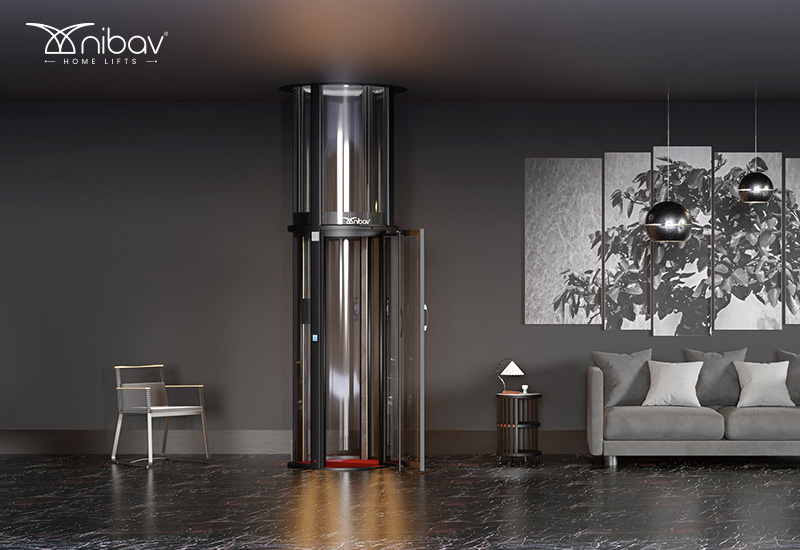
Are you dreaming of transforming your home with a sleek and modern elevator? The idea of gliding effortlessly between floors is undeniably appealing.
But before you take the plunge, there’s one critical question on your mind: “How much does a pneumatic vacuum elevator cost? ” Understanding the financial aspect is crucial for making an informed decision. We’ll uncover everything you need to know about the pricing of these innovative elevators.
We’ll break down factors that influence cost, so you can plan your budget wisely. Stick with us as we delve into the specifics, ensuring you get the most value for your investment. Ready to lift your living experience to new heights? Let’s dive in!
Pneumatic Vacuum Elevator Basics
Pneumatic vacuum elevators are changing the way people think about home mobility. These sleek, futuristic lifts use air pressure instead of cables or pulleys. If you’re curious about what makes them tick and why they might be worth the investment, understanding the basics is a great place to start.
How It Works
Think of a pneumatic vacuum elevator as a cylinder that moves up and down using air pressure differences. When you want to go up, the system removes air from the chamber above the cab, creating a vacuum that gently lifts it. To descend, air is let back in, allowing the cab to lower smoothly and safely.
This process means no cables, gears, or counterweights are needed. It’s a simple yet clever system that keeps things quiet and maintenance low. Have you noticed how this design could save space compared to traditional elevators?
Key Features
- Compact Design:Pneumatic elevators fit into tighter spaces, often requiring less than 10 square feet.
- Transparent Cylinder:Many models use clear acrylic walls, offering an open view and a modern look.
- Quick Installation:They can be installed in as little as two days without major structural changes.
- Energy Efficient:They consume power only when moving, reducing overall energy costs.
- Safety Sensors:Equipped with sensors that stop the elevator if any obstruction is detected.
Benefits Over Traditional Elevators
Compared to traditional elevators, pneumatic vacuum lifts often cost less to install and maintain. They don’t require heavy machinery rooms or complex wiring. This means fewer disruptions during installation and less ongoing upkeep for you.
They also provide a smooth and silent ride, which you might appreciate in a home setting. Plus, their transparent walls add a stylish touch that blends well with modern interiors. Have you considered how this combination of aesthetics and function could enhance your living space?
Price Factors
Understanding the price factors of a pneumatic vacuum elevator helps you plan your budget better. Several elements influence the final cost, and knowing them lets you make smart choices without sacrificing quality or functionality. Let’s break down what affects the price so you can tailor your elevator to your needs.
Elevator Size And Capacity
The size and weight capacity of your elevator play a big role in the cost. A larger cabin that fits more people or heavy loads requires stronger materials and more powerful mechanisms. Are you planning to carry multiple passengers at once or just a single person? That decision will directly affect the price.
Keep in mind that bigger elevators need more space and may require modifications to your building, which can add to installation costs. Sometimes, choosing a slightly smaller size can save you thousands without limiting daily use.
Material And Finish Options
The materials used for the cabin and exterior finish greatly impact the price. Basic models often use clear polycarbonate and steel, but you can opt for premium glass, wood panels, or custom metal finishes.
Think about how the elevator’s look fits your home or office style. Do you want a sleek modern feel or a warm, classic vibe? Custom finishes look stunning but come with a higher price tag. Deciding on standard versus luxury materials can shift your budget significantly.
Installation Complexity
Every building is different, and the complexity of installing a pneumatic vacuum elevator varies accordingly. If your space requires structural changes, custom shafts, or difficult electrical work, installation costs rise.
Have you checked if your building’s layout easily fits a vacuum elevator? Sometimes, older homes or buildings with limited space need extra work. This could mean more labor hours and specialized equipment, pushing the price higher.
Additional Features
Extra features can enhance your elevator’s comfort and convenience but will increase the cost. Options like automatic doors, lighting customization, emergency alarms, or smartphone control add value.
Ask yourself which features matter most to you. Do you want to control the elevator remotely or have it blend seamlessly with your home’s automation system? Every add-on improves functionality but adds to the final bill.
Typical Price Ranges
Understanding the typical price ranges of pneumatic vacuum elevators can help you make a well-informed decision. Prices vary widely based on features, design, and installation complexity. Knowing what fits your budget can guide you toward the right model without compromising on quality or safety.
Entry-level Models
Entry-level pneumatic vacuum elevators usually start around $35,000 to $45,000. These models are perfect if you want basic functionality without extra bells and whistles.
They often come with standard finishes and limited customization options. If you need a straightforward elevator for a small home or simple installation, these could be ideal. Have you considered how often you’ll actually use the elevator? This can help justify the initial investment.
Mid-range Options
Mid-range elevators typically fall between $45,000 and $65,000. These offer more design choices, better materials, and additional features like improved lighting or custom control panels.
If you want a balance between cost and aesthetics, this range hits the sweet spot. Many homeowners find that spending a bit more upfront increases long-term satisfaction. Think about how the elevator’s appearance will fit into your home’s style—does it complement or distract?
Premium Elevators
Premium pneumatic vacuum elevators can cost upwards of $65,000 to $90,000+. These include top-tier finishes, advanced technology, and personalized design options.
They often feature smart home integration, luxury materials like glass or stainless steel, and enhanced safety features. Are you ready to invest in an elevator that not only moves you but also serves as a statement piece? For those seeking the best, the extra cost can be worth the added comfort and prestige.
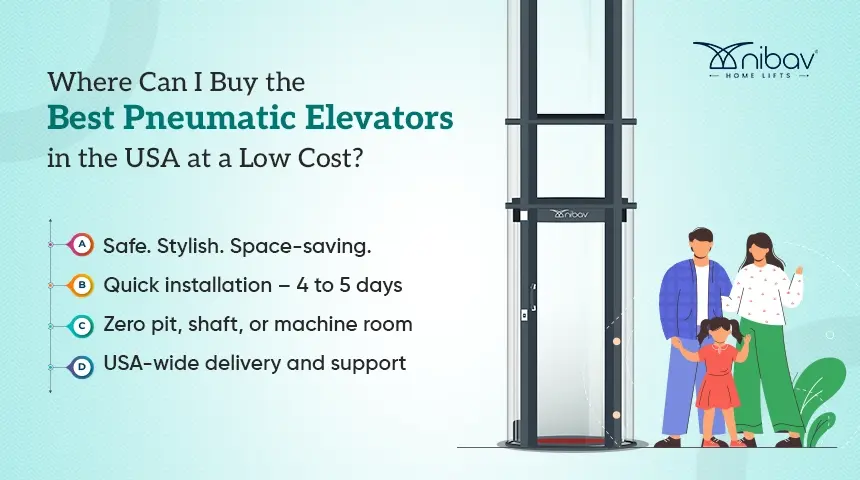
Credit: www.nibavlifts.us
Installation Costs
Installation costs make up a significant part of the total price of a pneumatic vacuum elevator. These costs vary depending on the complexity of the project and the specific site conditions. Understanding the key factors helps plan your budget accurately.
Site Preparation
Site preparation involves readying the space for elevator installation. This may include removing existing structures or reinforcing floors. Sometimes, minor construction work is needed to create the elevator shaft. Proper site preparation ensures safety and smooth installation.
Labor Expenses
Labor costs cover the work done by skilled technicians and installers. The total labor expense depends on the elevator model and installation difficulty. Skilled labor guarantees correct assembly and proper functioning of the elevator. Expect labor fees to vary by region and company.
Permits And Inspections
Permits from local authorities are required for installing a pneumatic vacuum elevator. Inspections ensure the elevator meets safety and building codes. Permit fees and inspection costs differ based on location. Securing all necessary permits avoids legal issues later on.
Maintenance And Operating Costs
Maintaining a pneumatic vacuum elevator involves some ongoing costs. These include routine check-ups, energy use, and occasional repairs. Understanding these expenses helps plan your budget better.
Routine Maintenance
Regular maintenance keeps the elevator running safely and smoothly. Technicians check seals, vacuum systems, and controls. Maintenance visits usually happen once or twice a year. Costs vary but are generally moderate compared to traditional elevators. Skipping maintenance can cause bigger problems and higher costs later.
Energy Consumption
Pneumatic vacuum elevators use air pressure, which saves energy. They only consume power when moving up or down. Standby energy use is very low. This makes them cheaper to run than many electric elevators. Energy costs depend on usage frequency and local electricity rates.
Repair Expenses
Repairs may be needed if parts wear out or break. Common repairs include fixing seals or vacuum pumps. Parts are specialized but usually last several years. Repair costs vary by problem but tend to be less than traditional elevator repairs. Quick repairs prevent bigger damage and higher bills.

Credit: www.vacuumelevators.com
Cost Comparison With Other Elevators
Understanding how a pneumatic vacuum elevator stacks up against other elevator types can help you make a smarter investment. Costs vary widely depending on the technology, installation complexity, and maintenance needs. Let’s break down how pneumatic vacuum elevators compare with hydraulic elevators, traction elevators, and stairlifts in terms of price and value.
Hydraulic Elevators
Hydraulic elevators typically cost between $20,000 and $50,000 for residential installations. These systems require a machine room and a pit, which can add to the overall expense and complexity of installation. Compared to pneumatic vacuum elevators, hydraulic models often involve more invasive construction work.
If you have a tight space or want minimal home renovation, pneumatic vacuum elevators might save you money in the long run despite a higher upfront cost. Plus, hydraulic elevators usually need more frequent maintenance due to their fluid-based system.
Traction Elevators
Traction elevators are common in commercial buildings and can range from $30,000 to over $100,000 depending on capacity and speed. These elevators require cables, pulleys, and a machine room, which add installation costs and space requirements.
While traction elevators offer smooth rides and higher speeds, they may be overkill for a typical home setup. Pneumatic vacuum elevators, although pricier initially, avoid major structural changes and provide easier installation.
Stairlifts
Stairlifts are the most affordable option, generally costing between $3,000 and $8,000. They are ideal for people who can still use stairs but need assistance. However, stairlifts don’t offer the full vertical transport experience that elevators provide.
If you want to maintain your home’s aesthetics and add value, a pneumatic vacuum elevator is a more elegant and permanent solution. Ask yourself: Is convenience enough, or do you want to enhance your home’s accessibility and style?
Ways To Save On Costs
Saving money on a pneumatic vacuum elevator doesn’t mean you have to compromise on quality or safety. Small decisions during the buying and installation process can add up to significant savings. Let’s look at practical ways you can cut costs while still getting a reliable and stylish elevator for your home.
Choosing Standard Features
Custom options and upgrades can quickly inflate the price of your elevator. Sticking with standard features like the default cabin size, basic finish, and standard controls can keep your costs down.
Manufacturers price their elevators based on complexity, so opting out of extra lighting, advanced control panels, or special materials can save you hundreds or even thousands of dollars. Ask yourself which features you really need and which are just nice-to-haves.
Bundling Services
Many companies offer discounts when you bundle services such as installation, maintenance, and warranty plans. Instead of negotiating each service separately, see if you can get a package deal.
Bundling can also reduce downtime and hassle since a single provider handles everything. This saves you time and may prevent costly repairs down the line by ensuring proper upkeep.
Selecting Experienced Installers
You might think hiring the cheapest installer saves money, but poor installation can cause problems and expenses later. Experienced installers work efficiently and avoid mistakes that lead to costly repairs.
Look for certified professionals who specialize in pneumatic vacuum elevators. Their expertise can mean fewer installation days, less disruption to your home, and a smoother overall process.

Credit: interestingengineering.com
Frequently Asked Questions
How Much Does A Pneumatic Vacuum Elevator Cost?
The average cost of a pneumatic vacuum elevator ranges from $35,000 to $50,000. This includes installation and basic features. Customizations or additional floors can increase the price. Maintenance costs are generally low due to the elevator’s simple design.
What Factors Influence Pneumatic Vacuum Elevator Pricing?
Pricing depends on the number of floors, cabin size, and customization options. Installation complexity and location also affect costs. Higher-end finishes or advanced safety features can raise the price. Always get a detailed quote from suppliers for accuracy.
Are Pneumatic Vacuum Elevators Cost-effective Long-term?
Yes, they are cost-effective due to low maintenance and energy efficiency. Their vacuum-powered mechanism reduces electricity use. They require fewer repairs than traditional elevators. Over time, savings on upkeep and energy add significant value.
Does Installation Location Affect Elevator Cost?
Yes, installation location impacts overall cost. Difficult access or structural modifications can increase expenses. Urban areas might have higher labor costs. Proper site evaluation before purchase helps avoid unexpected charges.
Conclusion
Pneumatic vacuum elevators offer a modern solution for home mobility. Their cost varies depending on size, features, and installation. Many find the price worth the convenience and space saved. Maintenance is usually low, which helps save money over time. Consider your budget and needs carefully before deciding.
This type of elevator can add value and ease to your home. Simple, efficient, and stylish—these elevators fit many lifestyles.