
When it comes to buying a refrigerator, there’s one crucial factor you might not have considered: its weight. You might wonder, “How much does a refrigerator weigh?”
And why it even matters. Well, understanding the weight of a refrigerator can save you from unexpected surprises during delivery or when planning a kitchen remodel. Imagine the convenience of knowing exactly what to expect, avoiding potential damage to your floors, and ensuring a smooth setup process.
By the end of this article, you’ll have all the insights you need to make an informed decision, ensuring your next refrigerator purchase is hassle-free and perfectly suited to your needs. So, let’s dive in and uncover the weighty details of your next kitchen centerpiece!
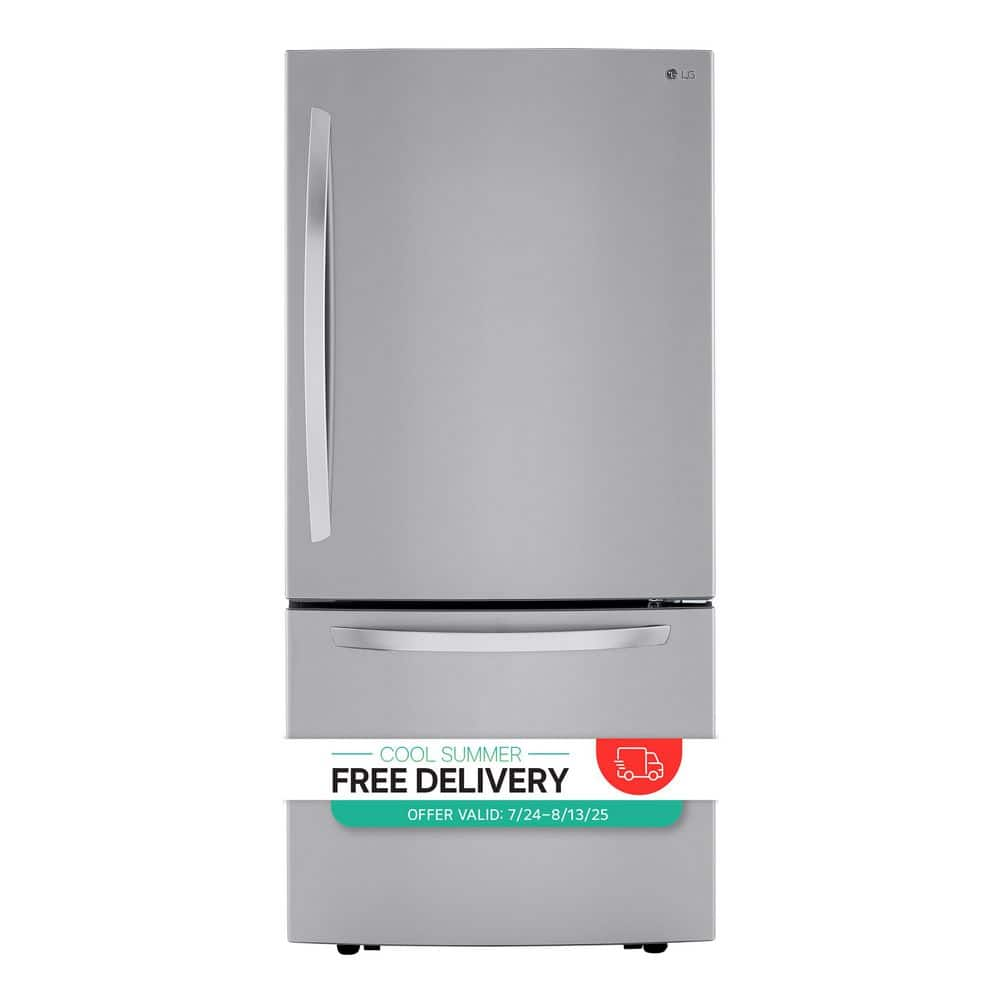
Credit: www.homedepot.com
Factors Affecting Refrigerator Weight
The weight of a refrigerator varies widely due to several key factors. These factors influence how heavy or light a refrigerator can be. Understanding them helps in choosing the right model for your space and needs.
Size And Capacity
Larger refrigerators usually weigh more than smaller ones. The size affects the amount of material used in construction. Capacity, measured in cubic feet, shows how much food the fridge can hold. More capacity means more metal and insulation, increasing the weight.
Material Composition
Different materials add different weights to a refrigerator. Steel and aluminum are common metals used. Steel is heavier but more durable. Plastic parts reduce weight but may not be as strong. Insulation materials also add to the overall weight. High-quality insulation can be denser and heavier.
Additional Features
Extra features add weight beyond the basic fridge structure. Ice makers, water dispensers, and smart technology increase the load. Shelves made of glass or metal add different weights. Doors with extra panels or thicker glass weigh more. Each feature adds up, making the fridge heavier.

Credit: www.lg.com
Weight Ranges By Refrigerator Type
Understanding the weight ranges of refrigerators by type can help you plan for delivery, installation, or even just moving it around your home. Different styles come with varying sizes and materials, which directly impact their weight. Knowing these differences can save you time and effort, especially if you’ve ever struggled moving a heavy appliance alone.
Top Freezer Models
Top freezer refrigerators are often the lightest among full-sized options. They typically weigh between 150 to 250 pounds. Their simpler design with fewer compartments and smaller freezer units keeps the weight down. If you’ve moved one before, you know they’re easier to handle compared to larger models.
These models work well if you want a basic fridge without adding too much bulk to your kitchen. Have you checked the weight before scheduling delivery? It might save you from unexpected lifting challenges.
Side-by-side Models
Side-by-side refrigerators are generally heavier due to their larger size and added features like ice dispensers. Their weight usually falls between 250 and 350 pounds. The vertical split design means more doors and components, which add to the overall heft.
If you’re thinking about placing one in a tighter space, consider the weight for moving and installation. These models often require two people to move safely, so plan accordingly.
French Door Models
French door refrigerators are among the heaviest, often weighing from 280 up to 400 pounds. Their wide doors, multiple compartments, and advanced features contribute to this weight. These models offer great storage but come with the challenge of managing their bulk.
Before upgrading to a French door, ask yourself if your kitchen layout can handle the weight and size. It’s not just about space—it’s about ease of handling during delivery and maintenance.
Compact Refrigerators
Compact refrigerators are the lightest, ranging from 40 to 80 pounds. Their small size and minimal features make them easy to move and place almost anywhere. They’re perfect for dorm rooms, offices, or secondary kitchen spaces.
Have you ever tried lifting a compact fridge alone? Chances are, it’s much easier than you think. If portability is your priority, these models are the best choice.
Impact Of Weight On Installation
The weight of a refrigerator plays a crucial role during installation. It affects how you move it, where you place it, and the type of support your floor needs. Understanding these factors helps avoid damage to your home and ensures the appliance functions properly.
Handling And Transportation
Heavy refrigerators require careful handling. You might need extra hands or specialized equipment like dollies to move them safely. Have you ever tried lifting a bulky fridge alone? It’s risky and can cause injury or damage to walls and doors.
Plan your route before moving the fridge. Measure doorways and hallways to ensure it fits without scraping surfaces. Use protective blankets or padding to prevent scratches on both the appliance and your home.
Floor Support Requirements
Not all floors can support the weight of a large refrigerator. Older homes or rooms with weak flooring might sag or crack under heavy loads. It’s important to check the floor’s strength before installation.
If your fridge weighs more than 300 pounds, consider reinforcing the floor or placing a sturdy base underneath. This prevents long-term damage and keeps the refrigerator stable. Have you inspected the floor beneath your kitchen appliances lately?
Space Considerations
Weight often correlates with size. Bigger refrigerators take up more space and need room for ventilation. If you place a heavy fridge in a cramped spot, it might overheat or be difficult to access.
Leave at least a few inches around the refrigerator for air circulation. Also, think about how you’ll open the doors comfortably. Does your kitchen layout allow enough space for a heavy fridge without crowding other appliances or walkways?

Credit: www.lowes.com
Tips For Moving Heavy Refrigerators
Moving a heavy refrigerator needs care and the right approach. These tips help avoid damage and injury. Follow simple steps to make the task easier and safer. Use the right techniques and tools for smooth handling. Stay safe by preparing well and working smartly.
Proper Lifting Techniques
Bend your knees, not your back. Keep your back straight and lift with your legs. Hold the refrigerator close to your body. Avoid twisting while lifting or carrying. Get help to share the weight evenly. Communicate clearly with helpers for smooth moves.
Using Moving Equipment
Use a dolly or hand truck designed for heavy appliances. Secure the refrigerator with straps before moving. Place protective padding on corners and edges. Use furniture sliders to move on smooth floors. Ensure wheels on equipment roll freely and lock when needed.
Safety Precautions
- Clear the path to avoid tripping hazards.
- Wear gloves to improve grip and protect hands.
- Remove contents and secure doors before moving.
- Take breaks if you feel tired or strained.
- Have at least two people for heavy lifts.
- Check doorways and staircases for size fit.
How Weight Influences Energy Efficiency
The weight of a refrigerator plays a significant role in its energy efficiency. Heavier models often indicate more substantial materials and components that can affect how much power the appliance uses. Understanding these connections helps you make smarter choices when selecting a fridge that fits both your needs and your energy bill.
Insulation Thickness
Thicker insulation adds to the refrigerator’s overall weight but reduces the amount of cold air that escapes. This means the compressor doesn’t have to work as hard to maintain the temperature inside. Have you noticed how some older, heavier fridges seem to keep food cold longer without running constantly?
Better insulation also means less energy wasted, directly impacting your electricity usage. So, a slightly heavier fridge with improved insulation can save you money over time. It’s about balance—adding weight to improve efficiency.
Compressor Size
The compressor is the heart of your refrigerator, and its size influences both weight and energy consumption. Larger compressors are heavier and may use more power, but they can cool more efficiently if matched well with the fridge size.
Smaller, lighter compressors found in energy-efficient models work smarter, not harder, using advanced technology to keep temperatures stable. Would you rather have a heavy fridge with a big compressor or a lighter one with a high-tech, efficient compressor?
Design Innovations
Modern refrigerators use innovative designs that affect weight and energy use. Materials like lightweight alloys and improved plastics reduce weight without sacrificing insulation quality.
Designs that optimize airflow inside the fridge also mean less energy is needed to keep everything cool. Next time you shop for a fridge, consider how the design might influence weight and efficiency together.
Frequently Asked Questions
How Much Does A Standard Refrigerator Weigh?
A standard refrigerator typically weighs between 200 to 400 pounds. Weight varies by size, brand, and model type.
What Affects A Refrigerator’s Weight Most?
The size, materials used, and built-in features mainly affect refrigerator weight. Larger models with more compartments weigh more.
Do Mini Refrigerators Weigh Less Than Full-size Ones?
Yes, mini refrigerators usually weigh 40 to 80 pounds. They are lighter due to smaller size and fewer components.
How Does A French Door Fridge’s Weight Compare?
French door refrigerators often weigh 250 to 350 pounds. They are heavier due to double doors and larger capacity.
Conclusion
Refrigerator weights vary based on size and type. Small models weigh less, large ones more. Knowing the weight helps during moving or delivery. It also aids in choosing the right spot at home. Always check the product details before buying.
This ensures you get the fridge that fits your needs. Weight matters, but so do features and energy use. Keep these points in mind for a smart choice.