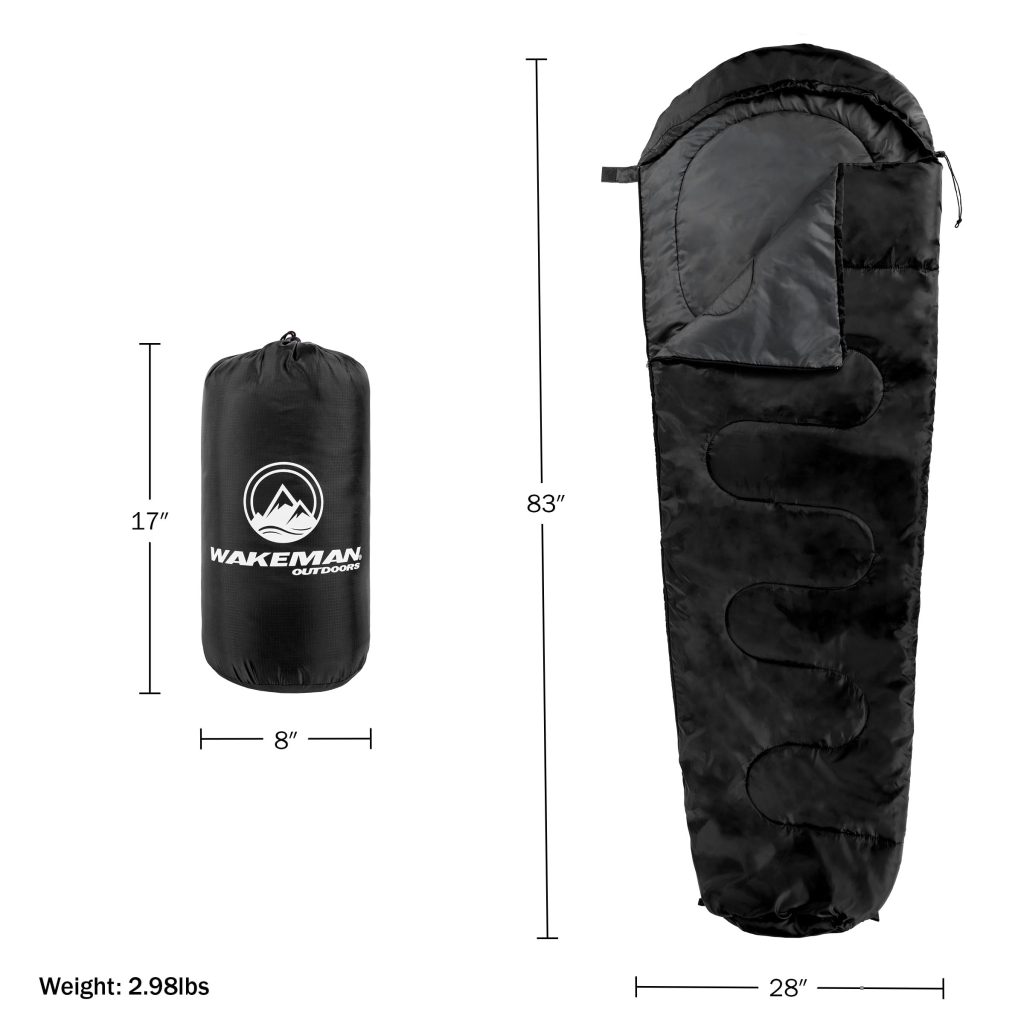
Are you planning your next outdoor adventure and wondering how much your sleeping bag will add to your pack? The weight of your sleeping bag can make a big difference in your comfort and mobility.
Too heavy, and you’ll feel tired before you even start hiking. Too light, and you might sacrifice warmth when you need it most. You’ll discover everything you need to know about sleeping bag weights. By the end, you’ll be ready to choose the perfect balance for your trip, so you carry only what’s necessary and stay comfortable all night long.
Keep reading to find out how to make your camping gear work for you, not against you.
Factors Affecting Sleeping Bag Weight
Sleeping bag weight is important for camping and hiking. A lighter bag makes travel easier. Many factors change how much a sleeping bag weighs.
Knowing these factors helps you pick the right bag. This guide looks at what affects sleeping bag weight the most.
Materials And Fill Types
Sleeping bags use different materials and fills. These affect the weight and warmth of the bag. Common fills include down and synthetic fibers.
- Down Fill:Very light and compressible. It weighs less but costs more.
- Synthetic Fill:Heavier but works well when wet. It is usually cheaper.
- Shell Material:Lightweight nylon or polyester reduces weight. Heavier fabrics add durability but increase weight.
Bag Size And Dimensions
Size changes weight a lot. Larger bags use more material and fill. Long or wide bags weigh more than smaller, compact ones.
| Bag Size | Weight Impact |
| Small/Compact | Lightest weight, fits snugly |
| Regular | Moderate weight, fits most people |
| Large/Extra Long | Heaviest weight, more room and insulation |
Additional Features
Extra features can add weight. Zippers, pockets, and hoods all add material. Some bags have reinforced sections for durability.
- Heavy-duty zippers increase weight but improve function.
- Pockets add convenience but add grams.
- Hoods provide warmth but add material and weight.
- Water-resistant coatings can add slight weight.

Credit: www.amazon.ca
Weight Categories Of Sleeping Bags
Sleeping bags come in different weight categories. Choosing the right one is important for comfort and convenience. Each type has its benefits and uses.
Understanding these categories helps you find the perfect sleeping bag. Let’s explore the different weight categories available.
Ultralight Bags
Ultralight bags are perfect for long hikes. They weigh less than 2 pounds. This makes them easy to carry over long distances. Ideal for backpackers who value minimal weight.
- Weighs less than 2 pounds
- Best for long-distance hikes
- Prioritizes weight over warmth
Lightweight Bags
Lightweight bags offer a good balance. They weigh between 2 and 3 pounds. Suitable for moderate hikes and camping trips. They provide decent warmth and are easy to pack.
Standard Bags
Standard bags are common for regular camping. They weigh between 3 and 5 pounds. These bags are comfortable and warm. Great for car camping or short hikes.
| Bag Type | Weight Range | Best Use |
| Ultralight | < 2 lbs | Long hikes |
| Lightweight | 2 – 3 lbs | Moderate hikes |
| Standard | 3 – 5 lbs | Car camping |
| Heavy-Duty | > 5 lbs | Cold environments |
Heavy-duty Bags
Heavy-duty bags are for very cold conditions. They weigh more than 5 pounds. These bags are bulky but provide excellent warmth. They are best for winter camping and extreme weather.
How Weight Impacts Camping Experience
Choosing the right sleeping bag weight changes how you enjoy camping. A heavy bag can slow you down and make packing hard.
Lighter bags help you move faster and carry less, but weight affects comfort and warmth too.
Portability And Packing
Light sleeping bags are easier to carry on long trips. They take less space in your backpack.
Heavy bags add bulk and make your pack heavier. This can tire you out before you even start camping.
- Lighter bags save energy on hikes
- Smaller packed size fits better in backpacks
- Heavy bags need more room and effort to carry
Comfort And Warmth Trade-offs
Heavier sleeping bags often offer more warmth. They use thick insulation to keep you cozy.
Lighter bags may not keep you as warm in cold weather. You might feel chilly if the temperature drops.
- Heavy bags provide better insulation
- Light bags are good for mild weather
- Choose weight based on expected temperatures
Durability Considerations
Heavier sleeping bags often use stronger materials. This helps them last longer on rough trips.
Lighter bags may use delicate fabrics to reduce weight. They need careful handling to avoid damage.
- Heavy bags resist tears and wear better
- Light bags can be fragile but easier to clean
- Think about how you will use the bag

Credit: www.ypc.co.uk
Tips For Choosing The Right Sleeping Bag Weight
Choosing a sleeping bag means finding the right weight. Weight affects how easy it is to carry and how warm you stay.
Use these tips to pick a sleeping bag weight that fits your needs and trip style.
Assessing Trip Duration And Conditions
Think about how long your trip will last. Longer trips may need lighter bags to save energy.
Consider the weather too. Cold or wet conditions need heavier, warmer sleeping bags.
- Short trips: heavier bags are fine
- Long trips: lighter bags help reduce load
- Cold weather: choose warmer, heavier bags
- Warm weather: lighter, breathable bags work best
Personal Comfort Preferences
Some people like a light sleeping bag for freedom of movement. Others want a heavier bag for extra warmth.
Try different weights to see what feels comfortable for you. Your comfort will affect your sleep quality.
- Lightweight bags: more freedom, less warmth
- Mid-weight bags: balance of warmth and weight
- Heavy bags: best for cold and comfort
Budget And Brand Options
Your budget limits what sleeping bags you can choose. Some brands offer good quality at lower prices.
Check reviews to find trusted brands. Sometimes paying a bit more gives better durability and comfort.
- Low budget: look for sales or basic models
- Mid budget: find balance of weight and warmth
- High budget: top brands offer lightest and warmest bags
Comparing Popular Sleeping Bag Models
Choosing the right sleeping bag can be tough. Weight is a key factor for many campers.
We look at popular models to see how much they weigh. This helps you pick what fits your needs.
Top Ultralight Choices
Ultralight sleeping bags weigh less than 2 pounds. They are great for hikers who want to carry little weight.
Many use down fill for warmth and light weight. These bags pack small and are easy to carry.
- Western Mountaineering Ultralite: About 1.5 lbs
- Montbell Down Hugger: Around 1.3 lbs
- Sea to Summit Spark: Close to 1.2 lbs
Best For Cold Weather
Cold weather bags are heavier due to extra insulation. They often weigh between 3 and 5 pounds.
These bags keep you warm in freezing temperatures. Many use thick down or synthetic fill.
| Model | Weight | Temperature Rating |
|---|---|---|
| North Face Inferno | 4.5 lbs | -20°F (-29°C) |
| Marmot CWM | 4.1 lbs | -10°F (-23°C) |
| Mountain Hardwear Phantom | 3.8 lbs | -5°F (-21°C) |
Versatile All-season Bags
All-season sleeping bags balance weight and warmth. They work well in spring, summer, and fall.
These bags usually weigh about 2 to 3 pounds. They use medium insulation for comfort in many conditions.
- REI Co-op Magma 15: 2.3 lbs
- Kelty Cosmic 20: 2.5 lbs
- Big Agnes Lost Dog 15: 2.8 lbs

Credit: www.gearx.com
Maintenance To Keep Sleeping Bags Lightweight
Sleeping bags can get heavy if not cared for properly. Good maintenance keeps them light and easy to carry.
Cleaning, storing, and fixing your sleeping bag the right way helps keep its weight down and extends its life.
Proper Cleaning Techniques
Cleaning your sleeping bag carefully stops it from becoming heavy with dirt and oils. Use gentle methods to protect the insulation.
Always wash your sleeping bag in cold water with mild detergent. Avoid harsh chemicals that damage the fabric and fill.
- Use a front-loading washing machine or wash by hand
- Rinse thoroughly to remove all soap
- Dry flat or use a low-heat dryer with clean tennis balls
- Do not dry clean or iron the sleeping bag
Storage Tips
Store your sleeping bag loosely to keep it fluffy and light. Compressing it for too long can damage the insulation.
Use a large cotton or mesh storage sack instead of a tight stuff sack. Keep the bag in a dry, cool place away from sunlight.
- Hang the sleeping bag in a closet or lay it flat
- Avoid storing it damp to prevent mold and odors
- Keep it away from sharp objects and pets
Repair And Replacement
Fix small tears or holes quickly to keep insulation in and weight down. Use patches or fabric glue made for outdoor gear.
If the filling clumps or thins out, replace it if you can. Proper repairs help the sleeping bag stay light and warm.
- Patch holes with repair kits or tape
- Sew tears carefully with strong thread
- Replace worn zippers to keep the bag sealed
- Consider professional repairs for major damage
Frequently Asked Questions
How Much Does An Average Sleeping Bag Weigh?
An average sleeping bag weighs between 2 to 4 pounds. The weight varies based on insulation type and size. Lightweight sleeping bags designed for backpacking typically weigh less than 2 pounds.
What Factors Affect Sleeping Bag Weight?
Sleeping bag weight depends on insulation material, size, and temperature rating. Down insulation is lighter than synthetic. Larger or colder weather bags weigh more due to extra materials.
Are Lightweight Sleeping Bags Suitable For Cold Weather?
Lightweight sleeping bags can be suitable for mild cold conditions. However, for extreme cold, heavier bags with better insulation are recommended. Always check temperature ratings before choosing a sleeping bag.
How Does Insulation Type Impact Sleeping Bag Weight?
Down insulation is lighter and compresses better than synthetic. Synthetic bags weigh more but perform better when wet. The choice affects overall bag weight and durability.
Conclusion
Choosing the right sleeping bag weight matters for every trip. Light bags help you carry less and move faster. Heavier bags give more warmth but add bulk. Think about the weather and your travel style. Balance comfort with how much weight you can carry.
This way, your outdoor rest stays cozy and easy. Remember, the best sleeping bag fits your needs well. Keep weight and warmth in mind for happy camping.