
Are you thinking about getting a tent trailer but wondering how much it will add to your load? Knowing the weight of a tent trailer is crucial for your safety, vehicle choice, and overall travel experience.
If you don’t have the right information, you might face towing problems or even damage your vehicle. You’ll discover exactly how much a tent trailer weighs and what that means for you. Keep reading to make sure your next adventure starts on the right foot.
Factors Influencing Tent Trailer Weight
Tent trailers come in many shapes and sizes. Their weight changes depending on several factors. Knowing these helps you pick the right trailer.
This guide looks at three main areas that affect how much a tent trailer weighs. These are materials and construction, size and capacity, and included features and accessories.
Materials And Construction
The materials used in a tent trailer shape its weight a lot. Lightweight metals like aluminum make the trailer lighter. Steel frames add strength but increase weight. The outer shell can be made of canvas, vinyl, or hard panels. Each has a different weight.
- Aluminum frames are light and rust-resistant.
- Steel frames are heavier but more durable.
- Canvas sides are lighter than hard panels.
- Vinyl is heavier than canvas but easier to clean.
Size And Capacity
Size plays a clear role in weight. Larger tent trailers weigh more because they use more materials. Capacity also matters. Trailers that hold more people or gear need stronger frames and floors. This adds weight.
| Size | Approximate Weight |
|---|---|
| Small (1-2 people) | 700 to 1,200 lbs |
| Medium (3-4 people) | 1,200 to 2,000 lbs |
| Large (5+ people) | 2,000 to 3,000 lbs |
Included Features And Accessories
Extra features add to the total weight. Items like built-in kitchens, water tanks, or batteries increase weight. Some trailers have slide-outs or hard floors that also add pounds. Even smaller accessories like awnings or storage boxes matter.
- Kitchen units add 50 to 200 lbs.
- Water tanks can add 100 lbs or more when full.
- Batteries and electrical systems weigh 50 to 150 lbs.
- Awnings and storage boxes add 20 to 100 lbs.

Credit: www.stresslesscamping.com
Typical Weight Ranges
Tent trailers, also known as pop-up campers, come in various weight ranges. Knowing the weight helps in choosing the right trailer for your vehicle’s towing capacity.
The weight of a tent trailer can affect fuel efficiency and ease of towing. Here are some typical weight categories you might consider.
Lightweight Tent Trailers
Lightweight tent trailers are easy to tow and handle. They are perfect for smaller vehicles.
These trailers usually weigh between 600 and 1,500 pounds. They are ideal for quick weekend trips.
- Easy to set up and pack down
- Minimal impact on fuel consumption
- Good for small families or couples
Mid-range Models
Mid-range tent trailers offer more space and amenities. They suit medium-sized vehicles well.
They typically weigh between 1,500 and 2,500 pounds. These trailers offer more comfort for longer trips.
- More room for storage and sleeping
- Better insulation for varied weather
- Suitable for families with children
Heavy-duty Options
Heavy-duty tent trailers are equipped with more features. They require larger vehicles for towing.
These trailers can weigh between 2,500 and 4,000 pounds. They are often used for extended stays or larger groups.
- Includes full kitchen and bathroom facilities
- Offers more living space and comfort
- Best for long-distance travel
Impact Of Weight On Towing
The weight of a tent trailer affects how easy or hard it is to tow. Heavy trailers need stronger vehicles and careful driving. Knowing the trailer’s weight helps you tow safely and efficiently.
Towing weight changes how your vehicle handles on the road. It affects speed, fuel use, and control. Always check the trailer weight before towing to avoid problems.
Vehicle Compatibility
Your vehicle must be strong enough to tow the tent trailer. Each vehicle has a towing limit. If the trailer is too heavy, it can damage the vehicle or cause accidents.
Check the vehicle’s towing capacity in the manual. Match the trailer weight, including cargo, to this limit. Use the right hitch and brakes for safety.
- Know your vehicle’s max towing weight
- Include all trailer cargo in the total weight
- Use proper hitch and braking systems
Fuel Efficiency
Heavier tent trailers make your vehicle use more fuel. The engine works harder to pull the extra weight. This means you will stop for fuel more often.
Light trailers help save fuel and reduce trips to the gas station. Plan your trips and load trailers carefully to keep weight down and save money.
- Heavier loads lower fuel efficiency
- Keep trailer weight as low as possible
- Plan routes to include fuel stops
Safety Considerations
Weight affects how safe your towing experience is. Too much weight can cause loss of control, longer stopping distances, and tire blowouts. Always follow safety rules.
Balance the load inside the trailer. Secure all items to prevent shifting. Check tire pressure and brakes before every trip.
- Do not exceed vehicle towing limits
- Balance and secure the trailer load
- Check tires and brakes often
- Drive slower with heavier trailers
Weight Measurement Tips
Knowing the weight of your tent trailer is important for safe towing. It helps you avoid overloading and keeps your trip smooth.
This guide covers simple ways to check your trailer’s weight and what to consider for accuracy.
Using A Trailer Scale
A trailer scale is a tool designed to measure the exact weight of your trailer. It can be found at many truck stops or weigh stations.
To use it, drive your trailer onto the scale and record the weight shown. This method gives you the most accurate reading.
Estimating With Manufacturer Specs
Manufacturers provide weight details in the trailer manual or online. These specs include the dry weight and Gross Vehicle Weight Rating (GVWR).
| Weight Type | Description |
| Dry Weight | Weight of trailer without cargo or fluids |
| GVWR | Maximum total weight allowed when loaded |
| Payload Capacity | Maximum load you can add safely |
Accounting For Additional Load
Your trailer weight increases with gear, water, and supplies. You must add these to the dry weight for a true total.
- Check the weight of all gear and equipment
- Include water, fuel, and propane tanks
- Remember personal items and food supplies
- Consider any added accessories or modifications
Reducing Tent Trailer Weight
Tent trailers can weigh a lot, making them harder to tow. Reducing their weight helps save fuel and makes driving safer. You can lower the weight by changing materials and what you carry.
Simple steps like choosing lighter parts and removing extra items make a big difference. Keeping your trailer in good shape also helps keep weight down.
Choosing Lightweight Materials
Using light materials can cut down the trailer’s total weight. Aluminum and fiberglass are good choices for the frame and body. They are strong but much lighter than steel.
Lightweight fabrics for the tent part also help. Look for durable but thin canvas or nylon that weighs less but lasts long.
- Aluminum frames instead of steel
- Fiberglass panels over heavy wood
- Lightweight tent fabrics like nylon
- Plastic or composite parts instead of metal
Minimizing Non-essential Items
Removing items you do not need can lower the weight a lot. Only bring the gear and supplies you use. Leave behind heavy extras or find lighter versions.
Every extra item adds weight. A simple checklist helps you pack only what is necessary for your trip.
- Pack only essential camping gear
- Choose lightweight cooking tools
- Leave extra furniture or decorations
- Use compact storage containers
Regular Maintenance And Upgrades
Keeping your trailer in good shape helps avoid extra weight from damage. Fixing leaks, rust, or broken parts stops weight from adding up. Clean the trailer to remove dirt and debris.
Upgrading old parts to lighter ones also reduces weight. New tires, batteries, or appliances can be lighter and more efficient.
- Repair leaks and rust quickly
- Clean off dirt and mud often
- Replace heavy batteries with lighter models
- Upgrade to lightweight tires and wheels

Credit: www.sylvansport.com
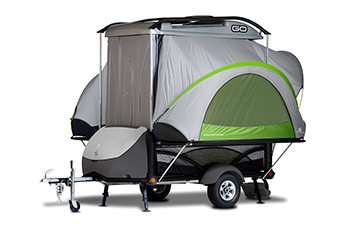
Credit: www.sylvansport.com
Frequently Asked Questions
What Is The Average Weight Of A Tent Trailer?
The average tent trailer weighs between 1,000 and 3,000 pounds. Weight varies by size, materials, and features included. Smaller models weigh less, while larger, feature-rich trailers are heavier. Always check the manufacturer’s specifications before towing.
How Does Tent Trailer Weight Affect Towing?
Heavier tent trailers require stronger towing vehicles and impact fuel efficiency. Overloading can damage your vehicle and reduce safety. Proper hitching and weight distribution are essential. Always follow towing capacity guidelines for your vehicle.
What Factors Influence Tent Trailer Weight?
Tent trailer weight depends on size, materials, amenities, and design. Larger trailers with metal frames weigh more than smaller, lightweight aluminum models. Additional features like appliances and water tanks add weight. Understanding these factors helps in choosing the right trailer.
Can I Reduce The Weight Of My Tent Trailer?
Yes, you can reduce weight by removing non-essential items and using lightweight gear. Opt for compact appliances and limit water and fuel storage. Regular maintenance can also prevent extra weight from debris or damage.
Conclusion
Tent trailers usually weigh between 1,000 and 3,000 pounds. Weight depends on size, materials, and features. Knowing the weight helps you choose the right tow vehicle. It also keeps your trips safe and smooth. Always check the trailer’s weight before hitting the road.
This way, you avoid problems and enjoy camping more. Simple steps make your travel easier and worry-free. Keep weight in mind for a better camping experience.