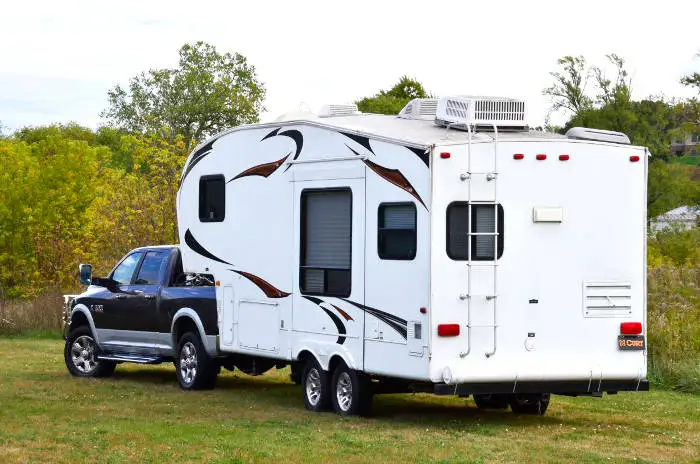
Are you planning your next camping trip and wondering, “How much does a tent trailer weigh?” Knowing the weight is key to making sure your vehicle can tow it safely and your adventure goes smoothly. If you’re unsure about what affects the weight or how to choose the right tent trailer for your needs, this guide is exactly what you need.
Keep reading to discover everything you should know before hitting the road with your tent trailer.

Credit: www.sylvansport.com
Typical Tent Trailer Weights
Tent trailers come in many sizes and weights. Knowing the weight helps you plan towing and travel.
Weights vary by design, materials, and features. This guide covers common weight ranges.
Lightweight Models
Lightweight tent trailers weigh between 700 and 1,500 pounds. These trailers are easy to tow with small vehicles.
- Simple design with fewer features
- Made from lightweight materials like aluminum
- Ideal for weekend trips and short camping
Mid-range Options
Mid-range tent trailers usually weigh from 1,500 to 3,000 pounds. They offer more comfort and space.
| Weight Range | Features | Typical Use |
| 1,500 – 2,000 lbs | Basic kitchen, sleeping for 4 | Family camping |
| 2,000 – 3,000 lbs | Extra storage, larger beds | Longer trips |
Heavy-duty Trailers
Heavy-duty tent trailers weigh over 3,000 pounds. They include many features and strong frames.
These trailers often have:
- Strong steel frames
- Multiple sleeping areas
- Advanced kitchen and bathroom setups
- Extra storage space
Factors Influencing Weight
The weight of a tent trailer varies based on many factors. Knowing these helps you choose the right trailer for your needs.
Some factors add more weight than others. Understanding these can make towing safer and easier.
Materials Used
The materials used in making a tent trailer affect its weight a lot. Stronger materials often weigh more.
Common materials include aluminum, steel, and wood. Aluminum is light but strong. Steel is heavier but very durable. Wood adds natural weight and style.
- Aluminum: Lightweight and rust-resistant
- Steel: Heavy but very strong
- Wood: Natural look, adds extra weight
Size And Capacity
Bigger tent trailers usually weigh more. Size means more material and space for gear and people.
Capacity also matters. Trailers made for more people or gear need stronger frames and floors, which adds weight.
- Length and width affect material use
- Higher capacity needs stronger build
- More sleeping space means more weight
Additional Features
Extras like kitchenettes, water tanks, and batteries add weight. Each feature needs parts and space.
Some trailers have slide-outs or extra storage. These add comfort but increase the total weight to tow.
- Kitchen and appliances add heavy parts
- Water tanks hold weight when full
- Batteries and generators add extra pounds
- Slide-outs increase trailer size and weight
Weight Impact On Towing
Tent trailers come in different weights. The weight affects how you tow them. Knowing the weight helps in planning your trip.
The weight of the trailer impacts your vehicle’s performance. It’s important to understand this before hitting the road.
Vehicle Compatibility
Not all vehicles can tow every tent trailer. You must check your vehicle’s towing capacity. This ensures safe and smooth travels.
- Check your vehicle’s manual for towing capacity.
- Consider the weight of passengers and cargo.
- Ensure the trailer hitch is compatible.
Fuel Efficiency
Towing a heavier trailer means using more fuel. This affects your travel budget. Plan your stops for refueling wisely.
| Trailer Weight (lbs) | Fuel Efficiency Impact |
| 1,000 | Minimal |
| 2,000 | Moderate |
| 3,000 | Significant |
Safety Considerations
Safety is crucial when towing a tent trailer. Extra weight can change how your vehicle handles. Be prepared for different driving conditions.
Weight Limits And Regulations
Tent trailers are popular for camping but have weight rules to follow. Knowing these limits helps keep you safe.
Weight affects how you tow and the laws you must obey. Let’s explore key rules about trailer weight.
Legal Restrictions
Each state or country sets limits on how heavy a tent trailer can be. These rules protect roads and drivers.
Exceeding weight limits can lead to fines or accidents. Always check local laws before towing.
Trailer Weight Ratings
Tent trailers have weight ratings like GVWR (Gross Vehicle Weight Rating). This shows the max weight including cargo.
Knowing these ratings helps you pack safely and avoid overloading your trailer.
- GVWR:Maximum total weight of trailer and cargo.
- UVW:Unloaded Vehicle Weight without cargo.
- CCC:Cargo Carrying Capacity, or how much you can add.
Towing License Requirements
Some places require a special license to tow heavier trailers. Rules vary by location and trailer weight.
Check if your trailer’s weight needs a different class of driver’s license before towing.
- Light trailers usually need no special license.
- Heavier trailers may require a commercial or special towing license.
- Always verify local towing laws to avoid penalties.
Tips To Manage Tent Trailer Weight
Knowing how to handle the weight of your tent trailer can make your trips safer and easier. Too much weight can cause problems while driving and damage your trailer. Use these tips to keep your trailer light and balanced.
Managing weight helps improve fuel efficiency and protects your vehicle’s brakes and tires. Follow simple steps to pack smart, remove extra items, and upgrade parts for better performance.
Packing Smart
Organize your gear to use space well and avoid carrying heavy, unnecessary items. Place heavier things low and near the center of the trailer. This keeps the trailer stable on the road.
- Use soft bags instead of hard boxes to save space
- Pack items you will not need first, so you can leave them behind if needed
- Distribute weight evenly on both sides of the trailer
- Keep essential items easy to reach
Removing Non-essential Items
Check all your supplies and remove anything that is not needed for your trip. Extra tools, duplicate kitchen items, or bulky furniture can add a lot of weight.
| Item | Reason to Remove |
| Extra chairs | Take only two to save weight |
| Heavy cooking pots | Use lightweight alternatives |
| Duplicate tools | Bring only what you need |
| Full water tanks (if refill possible) | Fill tanks after arrival |
Upgrading Trailer Components
Replacing parts with lighter, stronger materials can reduce the trailer’s empty weight. This helps you carry more gear safely without overloading.
- Swap steel parts for aluminum or composite versions
- Use lightweight wheels and tires designed for trailers
- Install LED lights to lower power and weight needs
- Choose compact, efficient appliances inside the trailer

Credit: www.mortonsonthemove.com

Credit: cheyennecampingcenter.com
Frequently Asked Questions
What Is The Average Weight Of A Tent Trailer?
The average tent trailer weighs between 1,000 to 3,000 pounds. Weight varies based on size, materials, and features. Smaller models are lighter, while larger ones with amenities weigh more. Always check the manufacturer’s specifications for exact weight.
How Does Tent Trailer Weight Affect Towing?
Heavier tent trailers require stronger towing vehicles and affect fuel efficiency. Knowing the trailer’s weight helps choose the right tow vehicle. Proper towing weight ensures safety and better handling on the road.
Can Tent Trailer Weight Impact Fuel Consumption?
Yes, heavier tent trailers increase fuel consumption during towing. Extra weight makes the engine work harder, reducing miles per gallon. Choosing a lighter trailer can improve fuel economy on long trips.
What Factors Influence A Tent Trailer’s Weight?
Tent trailer weight depends on size, construction materials, and included features. Additional amenities like kitchens or bathrooms add weight. Lightweight models use aluminum or composites, while heavier ones use steel frames.
Conclusion
Tent trailer weights vary based on size and features. Knowing the weight helps you choose the right vehicle. It also ensures safer towing and better fuel use. Always check the trailer’s weight before hitting the road. This way, you avoid surprises and stay safe.
Remember, lighter trailers are easier to tow. Heavier ones offer more space but need stronger vehicles. Keep weight in mind for a smooth camping trip. Simple steps make your adventure stress-free and fun.