Are you worried about the hissing noise under your car’s hood? Or perhaps your engine is idling roughly, leaving you scratching your head?
These could be signs of a vacuum leak, a common issue that can affect your vehicle’s performance. But before you start panicking about repair costs, it’s important to understand what you’re dealing with. How much does a vacuum leak cost to fix, really?
We’ll break down the expenses you might face and help you make informed decisions. You’ll discover that fixing this problem might not be as daunting or expensive as it sounds. Stay with us to learn what factors affect the cost and how you can save money on repairs. Your car—and your wallet—will thank you.

Credit: www.youtube.com
Symptoms Of A Vacuum Leak
Symptoms of a vacuum leak often show early signs of engine trouble. Detecting these symptoms helps prevent costly repairs. A vacuum leak affects how the engine breathes and runs. It can lead to poor performance, higher fuel use, and strange noises. Recognizing these issues keeps your car running smoothly.
Engine Performance Issues
An engine with a vacuum leak may idle roughly or stall. You might notice hesitation when you press the gas pedal. The engine can run unevenly or feel weak. These problems happen because air enters where it should not. This disrupts the air-fuel mix inside the engine.
Fuel Efficiency Drop
A vacuum leak causes the engine to burn more fuel. Your car’s miles per gallon will likely drop. You might find yourself filling the tank more often. The engine tries to compensate for extra air by using extra fuel. This wastes gas and increases your fuel costs.
Unusual Noises
Listen for hissing or whistling sounds near the engine. These noises can mean air is escaping through a crack or hole. The sound is often louder when the engine is cold or accelerating. Identifying these noises early can save you from bigger problems.
Common Causes Of Vacuum Leaks
Vacuum leaks happen when air enters the engine through unintended paths. These leaks affect engine performance and fuel efficiency. Understanding common causes helps spot issues early. Here are the main reasons vacuum leaks occur.
Cracked Hoses
Hoses carry air and vacuum pressure in the engine. Over time, heat and wear cause cracks. Cracked hoses let air escape or enter wrongly. This disrupts the engine’s air-fuel balance. Replacing damaged hoses often fixes the leak quickly.
Faulty Gaskets
Gaskets seal engine parts to prevent air leaks. They wear out or break due to heat and age. Faulty gaskets create gaps that cause vacuum leaks. Repairing or changing gaskets restores proper sealing and engine function.
Loose Connections
Connections link hoses and engine components tightly. Vibration and movement can loosen these joins. Loose connections allow air to leak in or out. Tightening or securing connections stops leaks and improves engine response.
Diagnosing Vacuum Leaks
Diagnosing a vacuum leak is the first crucial step before you can figure out the cost to fix it. You can’t repair what you can’t find, right? Luckily, there are straightforward ways to pinpoint where the leak is hiding in your vehicle’s system.
Visual Inspection
Start by giving your engine bay a close look. Check hoses and connections for cracks, loose fittings, or worn-out rubber. Even a small tear can cause noticeable problems.
Don’t forget to look at vacuum lines near the intake manifold and brake booster. Sometimes dirt or oil buildup can hide damage, so clean these areas if needed to get a better view.
Have you ever found a leak just by spotting a hose that looked out of place? That’s the power of a detailed visual inspection—it’s simple but often effective.
Smoke Test
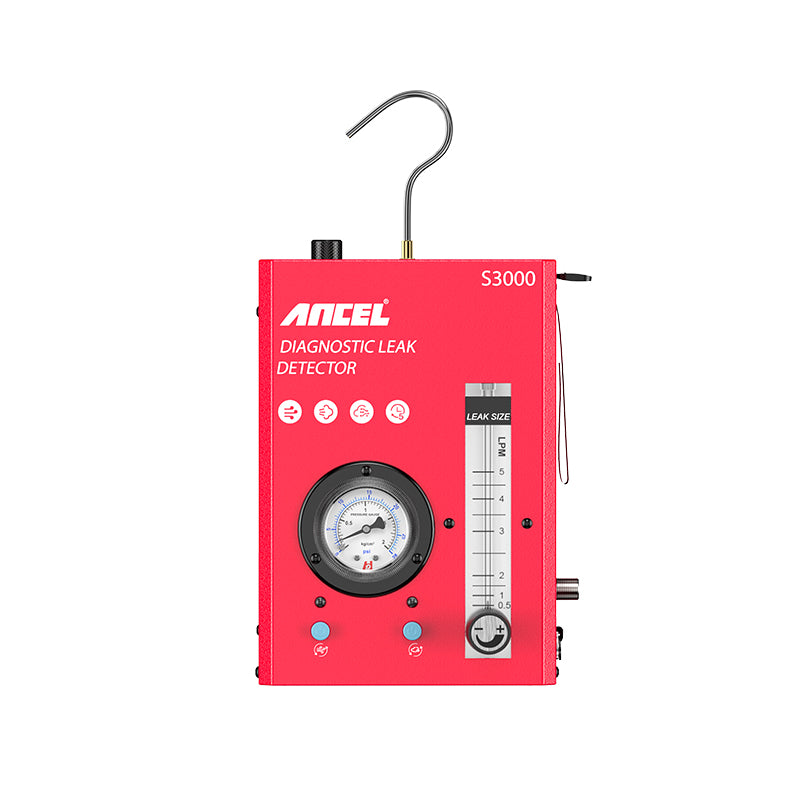
A smoke test is a clever way to find leaks you can’t see. Smoke is introduced into the vacuum system, and it escapes where the leak is present.
This test helps you detect even tiny leaks hidden under engine parts or inside the intake manifold. Mechanics often use it because it’s fast and accurate.
If you’ve ever had a mechanic blow smoke into your engine, you know it’s not magic—it’s smart troubleshooting that saves you money in the long run.
Using A Vacuum Gauge
A vacuum gauge measures the pressure in your engine’s vacuum system. It can tell you if there’s a leak by showing abnormal readings.
Connect the gauge to a vacuum port and watch the needle. A steady, normal reading means no leaks, but if it fluctuates or drops, you’ve got a problem.
This tool is great if you want to check your vacuum system’s health yourself. Have you checked your vacuum gauge lately to catch issues early?
Repair Options And Costs
Fixing a vacuum leak varies in cost depending on the chosen repair method. Options range from simple do-it-yourself fixes to professional mechanic services. Understanding these choices helps decide the best path for your budget and skills.
Diy Repairs
Small vacuum leaks can sometimes be fixed at home. Basic tools like screwdrivers and pliers are often enough. Common fixes include tightening loose hoses or replacing small gaskets. Parts for DIY repairs usually cost under $20. Time spent searching for the leak can be the biggest challenge. DIY work saves labor costs but requires patience and some mechanical knowledge.
Professional Services
Mechanics provide thorough vacuum leak diagnosis and repair. They use special tools to find hidden leaks quickly. Labor costs vary by location and shop but typically range from $80 to $150 per hour. A professional repair often includes a warranty on parts and labor. This option suits those who want a quick, guaranteed fix without hassle.
Parts And Labor Breakdown
| Item | Cost Range | Notes |
|---|---|---|
| Vacuum Hose | $15 – $50 | Depends on vehicle model |
| Gasket or Seal | $5 – $30 | Small parts, easy to replace |
| Labor | $80 – $150 per hour | Varies by shop and region |
| Diagnostic Fee | $50 – $100 | Sometimes waived if repair done |
Costs depend on leak severity and part prices. Simple leaks cost less; complex ones need more time and parts. Always ask for a detailed estimate before repairs.
Factors Affecting Repair Costs
Repair costs for a vacuum leak vary widely based on several important factors. Understanding these can help set realistic expectations. Some repairs are quick and cheap, while others need more time and parts, increasing the price.
Each vehicle is unique, and the leak’s location plays a big role. Also, the damage level affects the cost. Let’s explore these factors in detail.
Vehicle Make And Model
The make and model influence repair costs significantly. Luxury or imported cars often need special parts. These parts cost more and may take longer to get. Common cars usually have cheaper and easier repairs. Mechanics may also charge more for complex systems in some models.
Leak Location
Where the vacuum leak is located affects the price. Leaks in easy-to-reach areas cost less to fix. Leaks deep inside the engine or near sensitive components need more labor. This raises the total repair cost. Some locations require removing other parts first, adding time and expense.
Severity Of Damage
The size and severity of the leak matter. Small leaks may need simple fixes like replacing a hose. Large or multiple leaks might require more parts and work. Severe damage can affect engine performance and lead to other problems. Fixing these adds to the overall cost and time needed.
Credit: www.acadiaforum.net
Preventing Future Vacuum Leaks
Preventing future vacuum leaks is key to saving money and avoiding unexpected car troubles. A small leak may seem harmless, but it can lead to poor engine performance and costly repairs down the line. Taking proactive steps now helps keep your vehicle running smoothly and protects your wallet.
Regular Maintenance Tips
Regular maintenance is your first line of defense against vacuum leaks. Check hoses and connections often for cracks or wear. Even a tiny hole can cause big problems, so replace any damaged parts immediately.
Keeping your engine clean also helps spot leaks early. Dirt and grime can hide small cracks, making issues harder to detect. Have you ever noticed your engine running rough after skipping a maintenance check? That could be a sign of a developing vacuum leak.
Quality Parts Usage
Using quality parts makes a huge difference in preventing leaks. Cheap hoses or connectors may save money upfront but often fail quickly. Invest in OEM or trusted aftermarket parts designed for your vehicle’s specifications.
Think about the last time you replaced a hose with a low-quality part. Did it last as long as expected? Choosing better parts reduces the chances of leaks and saves you from repeated repairs.
Routine Inspections
Routine inspections help catch vacuum leaks before they cause serious damage. Schedule a quick check during oil changes or tire rotations. A simple visual inspection can reveal loose clamps or cracked hoses early on.
Ask your mechanic to check vacuum lines specifically. Sometimes, leaks don’t show obvious symptoms until they worsen. How often do you have your mechanic inspect these parts during regular visits?

Credit: www.reddit.com
Frequently Asked Questions
How Much Does It Cost To Fix A Vacuum Leak?
Fixing a vacuum leak typically costs between $50 and $200. The price varies based on vehicle type and leak severity. Labor costs and parts also influence the final amount. Minor leaks are usually cheaper to repair than major ones.
What Factors Affect Vacuum Leak Repair Costs?
Repair costs depend on leak location, vehicle model, and labor rates. Some leaks require simple hose replacements, while others need complex diagnostics. Parts availability and mechanic expertise also impact the price. Prompt repairs can prevent higher costs later.
Can A Vacuum Leak Fix Improve Engine Performance?
Yes, fixing a vacuum leak restores proper air-fuel mixture. This improves engine idling, fuel efficiency, and reduces emissions. It also prevents rough running and stalling issues. Timely repair helps maintain overall vehicle health.
How Long Does Vacuum Leak Repair Usually Take?
Most vacuum leak repairs take 30 minutes to 2 hours. The duration depends on leak accessibility and diagnostic complexity. Simple hose replacements are quicker than fixing internal manifold leaks. Scheduling an appointment can reduce wait times.
Conclusion
Fixing a vacuum leak usually costs between $50 and $200. The price depends on the leak’s size and location. Small leaks often cost less to repair. Bigger leaks or hard-to-reach spots may cost more. Delaying repair can cause engine problems and higher costs.
Early repair keeps your car running smoothly. Always get a clear price estimate before fixing. Taking care of leaks saves money in the long run. Keep your car healthy by fixing leaks quickly.