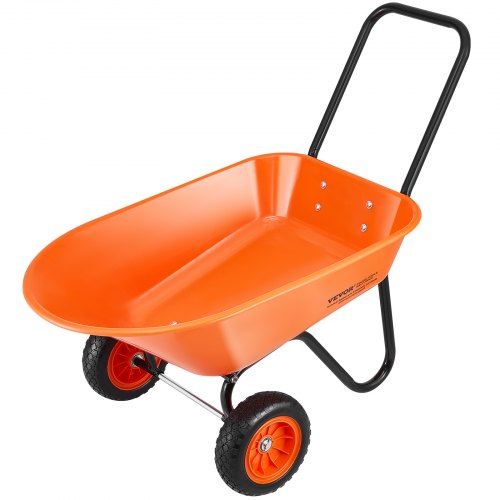
Have you ever wondered how much a wheelbarrow can really hold? Whether you’re planning a gardening project, hauling materials, or just curious about the right size for your needs, knowing the capacity of a wheelbarrow can save you time and effort.
You’ll discover the typical load a wheelbarrow can carry, how different types and sizes affect capacity, and tips to choose the best one for your tasks. Keep reading to find out exactly what your wheelbarrow can handle and make your work easier than ever.

Credit: www.homedepot.com
Types Of Wheelbarrows
Wheelbarrows come in different types to fit various tasks. Each type holds a different amount of material.
Knowing the types helps you pick the right wheelbarrow for your work.
Standard Wheelbarrows
Standard wheelbarrows are common for light jobs around the house. They usually have one wheel and a shallow tray.
They hold about 4 to 6 cubic feet of material. This size is good for moving soil, mulch, or small loads.
Contractor Wheelbarrows
Contractor wheelbarrows are bigger and stronger. They have a wider tray and more durable wheels.
These wheelbarrows hold around 6 to 8 cubic feet. They can carry heavy materials like concrete and bricks.
Garden Wheelbarrows
Garden wheelbarrows are lighter and easier to move. They often have plastic trays to avoid rust.
They hold about 3 to 5 cubic feet. Garden wheelbarrows are perfect for plants, soil, and small garden tools.
Specialty Wheelbarrows
Specialty wheelbarrows serve specific needs. Some have two wheels for extra balance or are made for narrow spaces.
Their capacity varies widely. Some hold less than 3 cubic feet, while others carry more than 8 cubic feet.
Measuring Wheelbarrow Capacity
Wheelbarrows are essential tools for gardening and construction. Understanding their capacity helps in using them efficiently.
Capacity is often described in two ways: volume and weight. Knowing both helps you choose the right wheelbarrow for your needs.
Volume Vs Weight Capacity
Volume capacity refers to how much space is inside the wheelbarrow. It is usually measured in cubic feet.
Weight capacity tells you how much weight the wheelbarrow can handle. This is often measured in pounds or kilograms.
- Volume: Measures the space inside, often in cubic feet.
- Weight: Measures the load it can carry, typically in pounds or kilograms.
Common Measurement Units
Wheelbarrow capacity is commonly expressed in specific units. These units help in understanding how much you can carry.
| Measurement | Unit |
| Volume | Cubic Feet |
| Weight | Pounds |
| Weight | Kilograms |
How Capacity Affects Usage
The capacity of a wheelbarrow affects how you use it. Larger capacities mean fewer trips but require more effort to move.
Average Capacity Of Wheelbarrows
Wheelbarrows are useful tools for moving materials like soil, gravel, and tools. Knowing their capacity helps you choose the right one for your job.
Wheelbarrows come in different sizes and shapes. Their volume and weight limits vary depending on the model.
Typical Volume Ranges
Most wheelbarrows have a volume capacity between 2 and 6 cubic feet. Smaller models hold less, while larger ones can carry more.
- Small wheelbarrows: 2 to 3 cubic feet
- Medium wheelbarrows: 4 to 5 cubic feet
- Large wheelbarrows: 6 cubic feet or more
Weight Limits
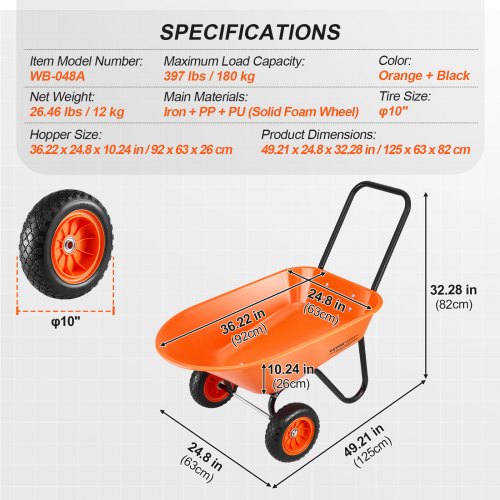
Weight limits depend on the wheelbarrow’s build and materials. Most can carry between 100 and 300 pounds safely.
- Light-duty wheelbarrows: Up to 100 pounds
- Standard wheelbarrows: 100 to 200 pounds
- Heavy-duty wheelbarrows: 200 to 300 pounds or more
Comparing Different Models
Different wheelbarrow models offer varied capacities and features. Plastic trays are lighter but hold less weight. Steel trays are stronger and carry more.
| Model Type | Volume Capacity (cubic feet) | Weight Limit (pounds) | Material |
|---|---|---|---|
| Plastic Tray | 3 to 4 | 100 to 150 | Plastic |
| Steel Tray | 4 to 6 | 200 to 300 | Steel |
| Contractor Grade | 5 to 7 | 250 to 350 | Steel or heavy-duty plastic |
Factors Influencing Capacity
The amount a wheelbarrow can carry depends on several factors. These factors affect how much weight and volume the wheelbarrow can safely hold.
Understanding these factors helps you choose the right wheelbarrow for your tasks. Capacity is not just about size but also about design and materials.
Material Of The Tray
The tray material affects the wheelbarrow’s weight and durability. Common materials include steel, plastic, and wood.
- Steel trays hold heavy loads and resist damage well.
- Plastic trays are lighter but may crack under heavy weight.
- Wood trays are less common and can be less durable.
Wheel Size And Type
Wheel size and type change how easy it is to move the wheelbarrow. Larger wheels handle rough ground better and carry more weight.
| Wheel Size | Best Use | Effect on Capacity |
| 12 inches | Flat surfaces | Standard load capacity |
| 16 inches | Uneven terrain | Higher load capacity, easier movement |
| Pneumatic | Soft ground | Better shock absorption |
| Semi-pneumatic | Mixed surfaces | Low maintenance, moderate load |
Frame Strength
The frame supports the tray and load. Strong frames use thick steel or reinforced materials.
- Steel frames carry heavier loads without bending.
- Aluminum frames are lighter but less strong.
- Check welds and joints for quality.
Design And Shape
Tray shape affects how much can fit inside and how the load balances. Deeper trays hold more but may be harder to lift.
| Design | Capacity Effect |
|---|---|
| Deep Tray | Higher volume, heavier loads |
| Flat Tray | Good for bulky items, less volume |
| Rounded Tray | Easy to dump, moderate capacity |
Choosing The Right Wheelbarrow Capacity
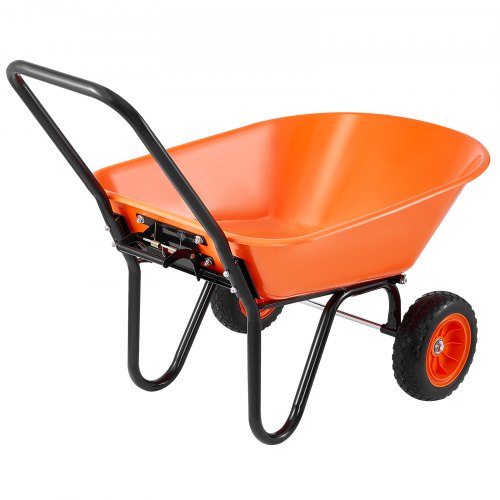
Choosing the right wheelbarrow capacity is important for your work. The size affects how much you can carry and how easy it is to move.
Wheelbarrows come in different sizes. Picking the right one helps you finish jobs faster and with less effort.
Project Type Considerations
Your project type guides the wheelbarrow size you need. Small jobs need less capacity. Big jobs need more volume.
Heavy materials need a wheelbarrow that can carry weight well. Light materials allow for larger volume without too much weight.
- Gardening: small to medium capacity is enough
- Construction: larger capacity for heavy loads
- Landscaping: choose based on soil or mulch weight
Terrain And Handling
The type of ground affects how you handle the wheelbarrow. Rough or uneven terrain needs better control and stability.
Large capacity wheelbarrows can be harder to push on slopes or soft ground. Smaller ones are easier to handle but carry less.
- Flat, hard surfaces: larger wheelbarrows work well
- Uneven or soft ground: choose smaller or two-wheel models
- Steep terrain: lighter loads improve safety
Budget And Durability
Your budget affects which wheelbarrow you can buy. Higher capacity models often cost more.
Durability is key for long-term use. Strong materials last longer, but may increase the price.
- Steel tubs last longer but weigh more
- Plastic tubs are lighter and cheaper
- Balance price with how often you will use it
Credit: www.vevor.ca
Maximizing Wheelbarrow Use
A wheelbarrow is a handy tool for moving heavy or bulky items. Knowing how much it holds helps you work efficiently. You can save time and avoid damage by using it right.
This guide explains tips on loading, balancing, and maintaining your wheelbarrow. Follow these tips to get the most from your wheelbarrow.
Loading Tips
Load your wheelbarrow carefully to avoid spills and accidents. Do not overload it beyond its capacity. Place heavy items at the bottom and lighter ones on top.
- Check the weight limit of your wheelbarrow.
- Load heavy materials like soil or rocks first.
- Spread the load evenly across the tray.
- Do not pile materials too high to keep balance.
- Use a shovel or scoop for easier loading.
Balancing Loads
Balance is key for smooth and safe wheelbarrow use. An unbalanced load makes pushing harder and can cause tipping. Center the load around the wheel.
| Load Position | Effect |
| Centered over the wheel | Easy to push and stable |
| Too far forward | Harder to lift, less control |
| Too far back | Risk of tipping backward |
| Uneven side load | Wheelbarrow tips sideways |
Maintenance For Longevity
Keep your wheelbarrow in good shape with regular care. Clean it after use and check for damage. Fix small issues early to avoid costly repairs.
Maintenance checklist:
- Wash dirt and debris off the tray.
- Check tire pressure and inflate if needed.
- Tighten loose bolts and screws.
- Lubricate the wheel axle for smooth movement.
- Store in a dry place to prevent rust.
Credit: www.vevor.ca
Frequently Asked Questions
How Much Weight Can A Standard Wheelbarrow Hold?
A standard wheelbarrow can hold around 100 to 150 pounds. This varies with design and materials used in construction. It’s important to check the manufacturer’s specifications for exact weight limits.
What Is The Typical Volume Capacity Of A Wheelbarrow?
Most wheelbarrows hold between 4 to 6 cubic feet of material. This capacity suits gardening, construction, and landscaping needs efficiently. Always confirm with product details for precise volume.
How Do Wheelbarrow Sizes Affect Their Load Capacity?
Larger wheelbarrows generally carry more weight and volume than smaller ones. Size impacts ease of use, with bigger models suited for heavy-duty tasks. Choose based on your specific project requirements.
Can Wheelbarrows Carry Both Wet And Dry Materials?
Yes, wheelbarrows are designed to transport both wet and dry materials safely. Their sturdy build and material-resistant trays handle diverse loads like soil, concrete, and mulch effectively.
Conclusion
A wheelbarrow’s capacity varies by size and type. Most hold between 4 to 6 cubic feet of material. Smaller models carry less, while larger ones handle more. Choose a wheelbarrow that fits your project needs and strength. Knowing its load helps plan work better and saves time.
Use this info to pick the right wheelbarrow for your tasks. Simple and clear—now you understand how much a wheelbarrow holds.