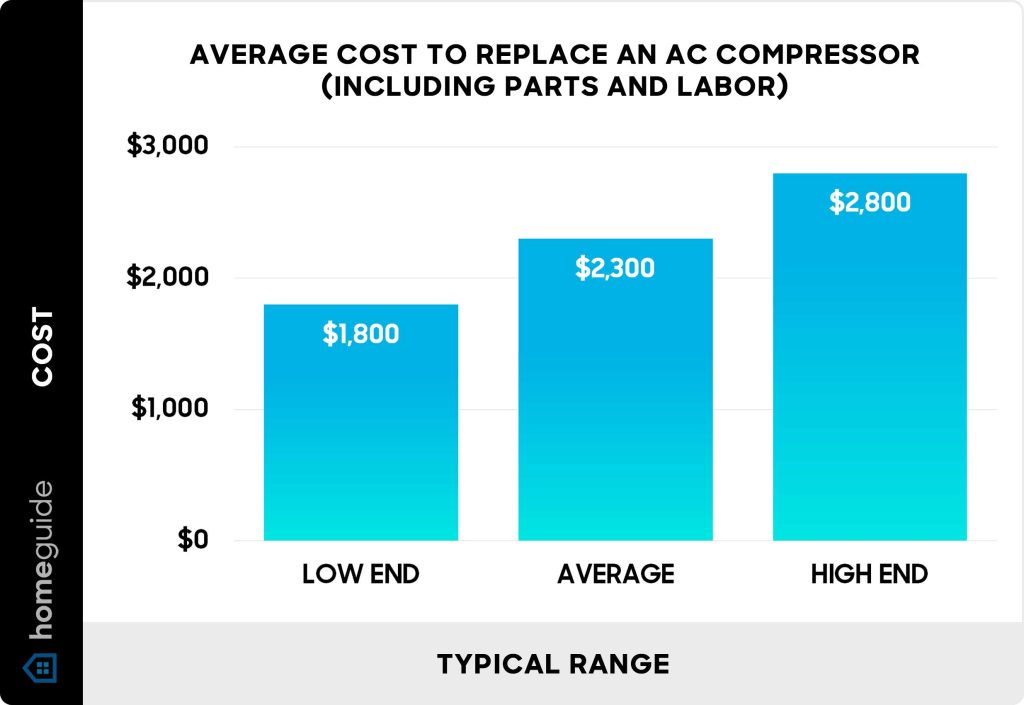
Thinking about replacing your air conditioner but worried about the cost? You’re not alone.
Knowing how much an air conditioner costs to replace can help you plan your budget and avoid surprises. Whether your current unit is old, broken, or just not working efficiently, understanding the price factors can save you time and stress.
Keep reading, and you’ll discover what influences the cost, what to expect, and how to get the best value for your money. This way, you can make a smart choice that keeps your home cool without breaking the bank.

Credit: www.angi.com
Factors Influencing Replacement Cost
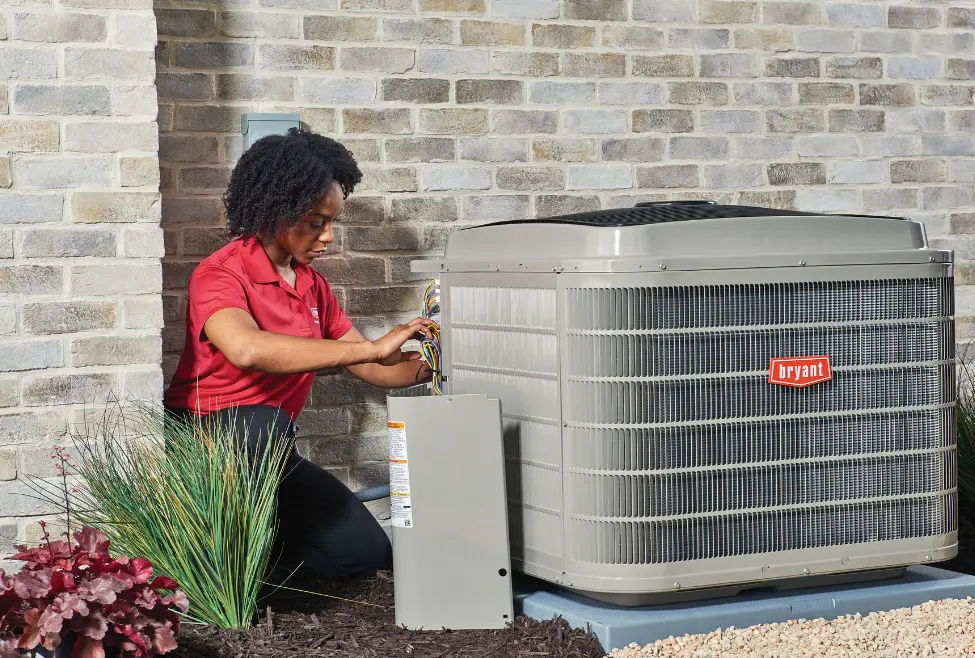
The type of air conditionergreatly affects the cost. Central units cost more than window or portable units. Unit size and capacitymatter too. Bigger units cool larger spaces but need more money.
Installation complexityplays a big role. Hard-to-reach areas or extra ductwork raise the price. Energy efficiency ratingsimpact costs as well. High-efficiency models cost more upfront but save money later.
Brand and model selectionis important. Well-known brands may charge higher prices but offer better reliability. Location and labor costsalso differ by region. Urban areas often have higher labor rates.
Credit: www.lochardplumbingheatingandcooling.com
Average Costs By Air Conditioner Type
The cost to replace an air conditioner depends on the type you choose.
| Air Conditioner Type | Average Replacement Cost | Notes |
|---|---|---|
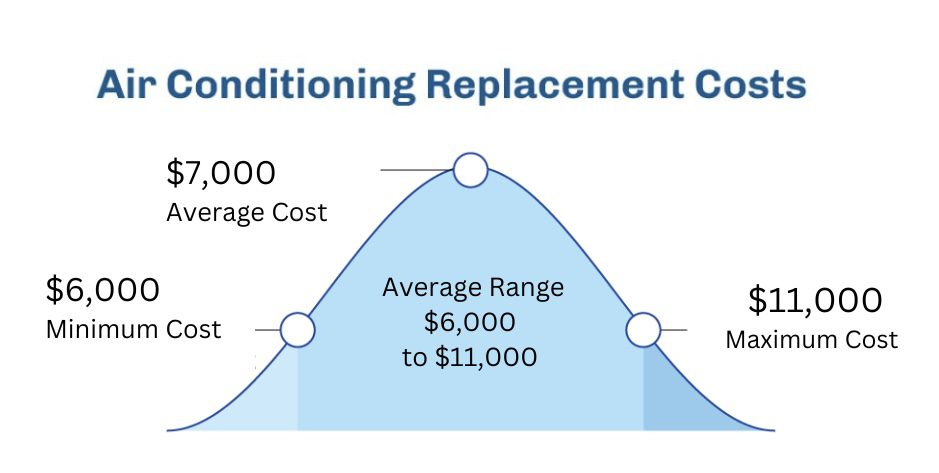
| Central Air Conditioners | $3,000 – $7,000 | Best for whole house cooling; requires ductwork. |
| Ductless Mini-Split Systems | $2,000 – $5,000 | No ducts needed; good for individual rooms. |
| Window Units | $150 – $600 | Easy to install; cools one room at a time. |
| Portable Air Conditioners | $250 – $700 | Moveable and simple; less efficient than others. |
Additional Expenses To Consider
Replacing an air conditioner may require extra costs beyond the unit price. Ductwork repairs or replacementcan be necessary if old ducts are damaged or inefficient. This can add several hundred to a few thousand dollarsto the bill.
Thermostat upgradesimprove system control and energy savings. Smart thermostats cost more but help manage temperatures better.
Permits and inspection feesare often required by local governments. These fees ensure the installation meets safety and building codes. Expect to pay $50 to $200or more.
Disposal of old unitsis another cost. Removing and recycling the old air conditioner can cost $100 to $300. Some companies include this in the installation price.
Credit: fortcollinsheating.com
Energy Efficiency And Long-term Savings
SEER ratingsmeasure an air conditioner’s energy efficiency. The higher the SEER, the less energy it uses to cool your home. A unit with a higher SEER ratingcosts more upfront but saves money over time.
Lower SEER models use more electricity, raising your utility bills. Choosing a high SEER air conditioner can cut energy costs by 20% or more. This means smaller monthly billsand less strain on the environment.
Many local and federal programs offer incentives and rebatesfor energy-efficient air conditioners. These can reduce the initial cost significantly. Check with your utility company or government websites to find available rebates. This helps make high SEER units more affordable and better for your wallet.
Diy Vs Professional Installation
DIY air conditioner replacementcan save money but carries serious risks. Mistakes may cause damage to your homeor unit. Improper installation can lead to poor coolingand higher energy bills. Handling refrigerants without training is dangerous and illegalin many places. Lack of proper tools and knowledge increases accident risks.
Hiring expertsensures the job is done safely and correctly. Professionals have the right toolsand experience. They can check for proper sizingand efficient placement. Most contractors offer warrantieson both labor and equipment. This protects your investment and adds peace of mind.
- Check online reviews and ratings
- Ask for licenses and insurance
- Request written estimates and compare
- Look for contractors with good customer service
- Verify experience with your specific AC brand
Timing Your Replacement
Signs your AC needs replacementinclude frequent breakdowns, rising energy bills, and poor cooling performance. Strange noises or bad odors also indicate problems. If your unit is over 10-15 years old, replacement might be cheaper than repairs.
Best time of year to replaceis during spring or fall. These seasons have milder weather, so installation is easier and often cheaper. Avoid summer or winter when demand and prices are higher.
Planning for future maintenancehelps extend your AC’s life. Schedule regular cleanings, check refrigerant levels, and replace filters often. Proper care keeps your system efficient and lowers long-term costs.
Frequently Asked Questions
How Much Does A New Ac Unit Cost?
The cost of a new air conditioner varies. Typically, prices range from $3,000 to $7,000. Factors like brand, size, and efficiency influence the final price. Installation costs may also affect the total expense. Always consider getting multiple quotes from professionals.
What Factors Influence Ac Replacement Costs?
Several factors influence AC replacement costs. These include the unit’s size, brand, and efficiency rating. Installation complexity and existing ductwork condition also play a role. Local labor rates and any required permits can further impact the total cost.
Is It Cheaper To Repair Or Replace An Ac?
Repairing an AC can be cheaper initially. However, frequent repairs can add up over time. If your unit is over 10 years old, replacement might be more cost-effective. Newer units are more energy-efficient, potentially saving money on future energy bills.
How Long Does An Ac Replacement Take?
An AC replacement typically takes one to two days. The exact time depends on the complexity of the installation. If ductwork modifications are needed, it may take longer. It’s best to consult with a professional for a more accurate timeline.
Conclusion
Replacing an air conditioner costs vary based on size and brand. Installation fees also affect the total price. Choosing energy-efficient models can save money over time. Regular maintenance helps your system last longer and work better. Planning your budget carefully avoids surprises during replacement.
This way, you stay cool without breaking the bank.