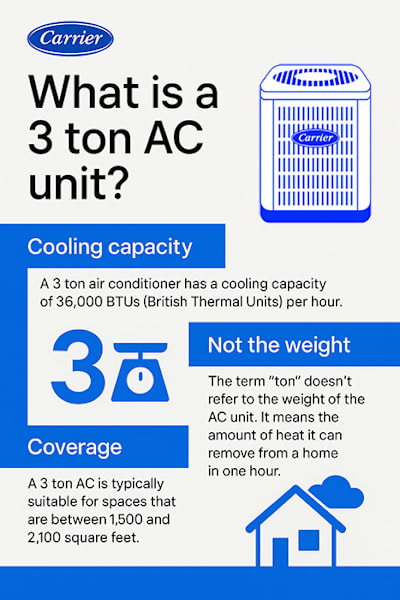
Have you ever wondered how much an air conditioner actually weighs? Whether you’re planning to install one yourself or just curious about what goes into these cooling machines, knowing their weight can help you make smarter decisions.
The weight affects everything from shipping and installation to where you can place your unit safely. Keep reading, and you’ll discover the surprising facts about air conditioner weights—and why it matters to you.
Factors Affecting Air Conditioner Weight
The type and sizeof an air conditioner greatly affect its weight. Larger units, like central air systems, weigh much more than small window models. Portable air conditioners are usually lighter but still vary by size.
Material compositionalso plays a key role. Units made with heavy metals or thicker parts weigh more. Plastic parts help reduce weight but may be less durable.
Technological featuresadd to the weight too. Advanced models with extra parts, such as smart controls or better compressors, tend to be heavier than basic units.
Credit: www.ebay.com
Weight Comparison Across Types
The weight of air conditioners varies by type and size. Window unitsusually weigh between 30 to 60 pounds. These are small and fit in a window frame.
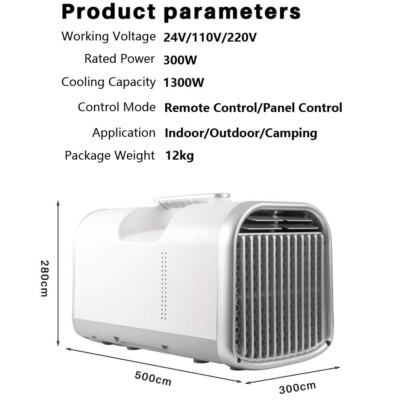
Portable modelsare slightly heavier, ranging from 40 to 70 pounds. They can be moved around easily but need space for ventilation.
Split systemshave two parts: an indoor unit and an outdoor unit. The indoor part weighs about 20 to 40 pounds, while the outdoor unit can weigh 60 to 150 pounds.
Central air systemsare the heaviest. Their outdoor units can weigh from 150 to 250 pounds or more. Indoor parts add more weight depending on the size.
| Type | Weight Range (pounds) |
|---|---|
| Window Units | 30 – 60 |
| Portable Models | 40 – 70 |
| Split Systems (Indoor) | 20 – 40 |
| Split Systems (Outdoor) | 60 – 150 |
| Central Air Systems (Outdoor) | 150 – 250+ |
Impact Of Weight On Installation
The weight of an air conditioneraffects how easy it is to set up. Heavier units need more effort and time for installation. Light models can be handled by fewer people.
Strong walls and floors are important for heavy air conditioners. Structural support must be checked before installation. Otherwise, damage or accidents might happen.
- Professional helpis often needed for heavy air conditioners.
- Experts ensure safe and proper setup.
- They have the right tools and knowledge.

Credit: www.garvee.com
Weight And Energy Efficiency
The weight of an air conditionercan affect its energy efficiency. Heavier units often contain more metal parts and larger compressors. These parts can help the AC cool better but may also use more energy.
Lightweight models are easier to install and move. They usually have smaller compressors and less metal, which can save energy but might cool less effectively.
| Efficiency Rating | Description | Impact on Weight |
|---|---|---|
| SEER (Seasonal Energy Efficiency Ratio) | Measures cooling output vs. energy used | Higher SEER often means more parts, more weight |
| EER (Energy Efficiency Ratio) | Shows energy use at a specific temperature | Can vary, no direct link to weight |
| Energy Star Certified | Meets energy-saving standards | May use lighter materials for efficiency |
Transport And Handling Tips
Always wear protective glovesand sturdy shoes to avoid injuries. Make sure the area is clear of obstacles before moving the air conditioner. Use proper lifting techniques: bend your knees and keep your back straight. Avoid lifting heavy units alone; ask for help to reduce risk. Secure the air conditioner properly during transport to prevent damage.
| Tools | Purpose |
|---|---|
| Dolly or hand truck | Ease moving heavy units |
| Straps or ropes | Secure the air conditioner in place |
| Gloves | Protect hands from sharp edges |
| Protective footwear | Prevent foot injuries |

Credit: www.ktaxon.com
Future Trends In Air Conditioner Design
Air conditioners are becoming lighterthanks to new materials like aluminumand carbon fiber. These materials reduce weight without losing strength. Lighter units are easier to install and save on transport costs.
Designers focus on sustainabilityby using eco-friendly refrigerantsand improving energy efficiency. This helps lower electricity bills and reduces harm to the planet.
- New models use less plastic and more recyclable parts.
- Smart sensors adjust cooling based on room temperature.
- Solar-powered air conditioners are gaining popularity.
Frequently Asked Questions
How Much Does A Window Air Conditioner Weigh?
A typical window air conditioner weighs between 40 to 80 pounds. The weight depends on its cooling capacity and size. Smaller units weigh less, while larger, more powerful units weigh more. Always check the model specifications for exact weight.
What Is The Weight Range For Portable Air Conditioners?
Portable air conditioners usually weigh between 40 and 70 pounds. Their weight varies with size and features. Compact models are lighter, while units with higher BTUs or added functions weigh more. Weight affects portability and ease of movement.
How Heavy Is A Central Air Conditioning Unit?
Central air conditioning units typically weigh between 150 and 250 pounds. The exact weight depends on the system’s capacity and design. Larger systems for bigger homes are heavier. Professional installation is recommended due to the weight and complexity.
Does Air Conditioner Weight Affect Installation?
Yes, air conditioner weight significantly affects installation methods. Heavier units need stronger support and professional handling. Window and portable units are lighter and easier to install. Central units require specialized equipment due to their substantial weight.
Conclusion
Air conditioners come in different sizes and weights. Knowing the weight helps during installation and moving. Smaller units weigh less and are easier to handle. Larger models can be heavy and need help to lift. Always check the product details before buying.
This way, you avoid surprises and stay safe. Understanding the weight also helps in choosing the right support. Keep these points in mind for a smooth experience with your air conditioner.