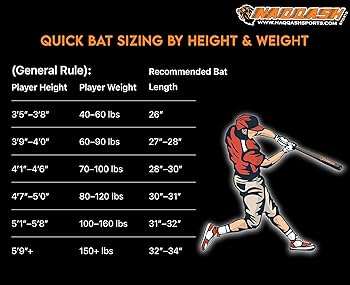
Have you ever wondered how much a baseball bat actually weighs? Whether you’re stepping up to the plate for the first time or looking to improve your swing, knowing the right bat weight can make all the difference.
The weight affects your speed, power, and control—key factors that can change your game instantly. You’ll discover everything you need to know about baseball bat weights, helping you choose the perfect one that fits your style and boosts your performance.
Keep reading, and get ready to swing smarter!

Credit: www.ebay.com
Bat Weight Basics
The weight of a baseball bat affects how you swing and control it. Choosing the right weight helps improve your hitting skills. Many players look for a balance between power and speed.
Understanding bat weight is important for all players, from beginners to pros. It can change the way the bat feels and performs during a game.
Standard Weight Ranges
Baseball bats come in different weights depending on the player’s age and strength. Youth bats usually weigh less to allow faster swings. Adult bats tend to be heavier for more power.
| Player Type | Typical Bat Weight |
| Youth Players | 16 to 26 ounces |
| High School Players | 26 to 30 ounces |
| Adult Players | 30 to 34 ounces |
Weight Vs Performance
Lighter bats allow faster swings and better control. Heavier bats can hit the ball harder but may slow down your swing. Finding the right weight depends on your strength and style.
- Lighter bats increase swing speed.
- Heavier bats add hitting power.
- Too heavy bats cause slower reactions.
- Too light bats reduce hitting force.
Materials Impacting Weight
The material of a bat changes its weight and feel. Wood bats are usually heavier. Aluminum and composite bats are lighter and easier to swing.
- Wood bats: heavier, solid feel.
- Aluminum bats: lighter, fast swing.
- Composite bats: balanced weight and power.
Types Of Baseball Bats
Baseball bats come in different materials. Each type has a different weight and feel. Understanding these types can help players choose the right bat for them.
Weight affects swing speed and control. Some bats are heavier, others lighter. Knowing the types helps decide what suits your style.
Wood Bats
Wood bats are traditional and made from solid wood. Common woods include ash, maple, and birch. They have a natural feel and sound when hitting the ball.
- Heavier than aluminum and composite bats
- Require more strength to swing fast
- Break more easily than metal bats
- Preferred in professional leagues
Aluminum Bats
Aluminum bats are lighter and more durable than wood. They allow faster swings and better control for young players. Aluminum bats are common in youth and amateur leagues.
| Feature | Wood Bats | Aluminum Bats |
| Weight | Heavier | Lighter |
| Durability | Less durable | More durable |
| Swing Speed | Slower | Faster |
| Cost | Usually more expensive | Usually less expensive |
Composite Bats
Composite bats use a mix of materials like carbon fiber. They offer a balance between wood and aluminum bats. Composite bats often have a larger sweet spot and less vibration.
- Can be lighter or heavier depending on design
- Improve swing speed and power
- Require a break-in period before use
- More expensive than aluminum bats
Choosing Bat Size
Picking the right baseball bat size is important for performance. The weight of the bat affects how you swing and hit the ball.
Understanding the relationship between length and weight helps in making the right choice. Factors like age, skill level, and league rules also play a role.
Length And Weight Relationship
The length and weight of a bat are connected. A longer bat usually weighs more. This can impact your swing speed.
- Shorter bats are lighter and easier to control.
- Longer bats cover more of the strike zone.
- Heavier bats can hit the ball further if swung correctly.
Age And Skill Level Factors
Younger players need lighter bats to swing comfortably. As skills improve, they can handle heavier bats.
It’s key to choose a bat that matches the player’s age and skill level. This ensures they can play effectively and safely.
League Regulations
Different leagues have specific rules about bat sizes. These regulations ensure fair play and safety.
| League | Maximum Bat Length | Weight Restrictions |
| Youth League | 32 inches | Drop -10 to -13 |
| High School | 34 inches | Drop -3 |
| College | 34 inches | Drop -3 |
Knowing league rules helps in choosing the right bat. This ensures compliance and avoids penalties.
Measuring Bat Weight
Knowing the weight of a baseball bat is important for players. The weight affects how fast and strong you can swing it.
Measuring bat weight is simple if you understand the basics. This guide explains key ideas and tools to get accurate results.
Understanding Ounces And Pounds
Bat weight is usually shown in ounces or pounds. One pound equals 16 ounces. Most bats weigh between 20 and 34 ounces.
- Ounces give a precise weight for smaller changes.
- Pounds are easier to understand for larger weights.
- Players often choose bats by comparing ounces.
Drop Weight Concept
Drop weight shows the difference between bat length and bat weight. It is a quick way to compare bats.
| Bat Length (inches) | Bat Weight (ounces) | Drop Weight |
| 30 | 20 | -10 |
| 32 | 22 | -10 |
| 34 | 24 | -10 |
Tools For Accurate Measurement
Use good tools to measure bat weight. A scale is the best way to get the exact number.
- Digital kitchen scale: easy and precise.
- Sports equipment scale: made for gear weight.
- Balance scale: older tool, still useful.
- Smartphone apps: some can estimate weight but less accurate.
Effects Of Bat Weight On Play
The weight of a baseball bat changes how a player swings and hits. Different weights can help or hurt a player’s performance.
Choosing the right bat weight is important for speed, power, and safety. Players need to find what works best for them.
Swing Speed And Control
Lighter bats allow faster swings. Faster swings help players hit the ball more often.
Heavier bats can be harder to control. Players may miss the ball if they lose control.
- Lighter bat = quicker swing and better timing
- Heavier bat = slower swing but more momentum
- Control decreases as bat weight increases
Power And Distance
Heavier bats hit the ball with more force. This can send the ball farther.
Lighter bats may not hit as hard but can still produce good power with fast swings.
- Heavy bat = more power and longer hits
- Light bat = less power but faster contact
- Balance is key for good distance
Fatigue And Injury Risks
Using a very heavy bat can tire a player quickly. Fatigue lowers performance during the game.
Heavy bats also increase the chance of injury, especially to the wrists and arms.
- Heavy bats cause faster fatigue
- Increased injury risk with heavier bats
- Lighter bats reduce strain and help endurance
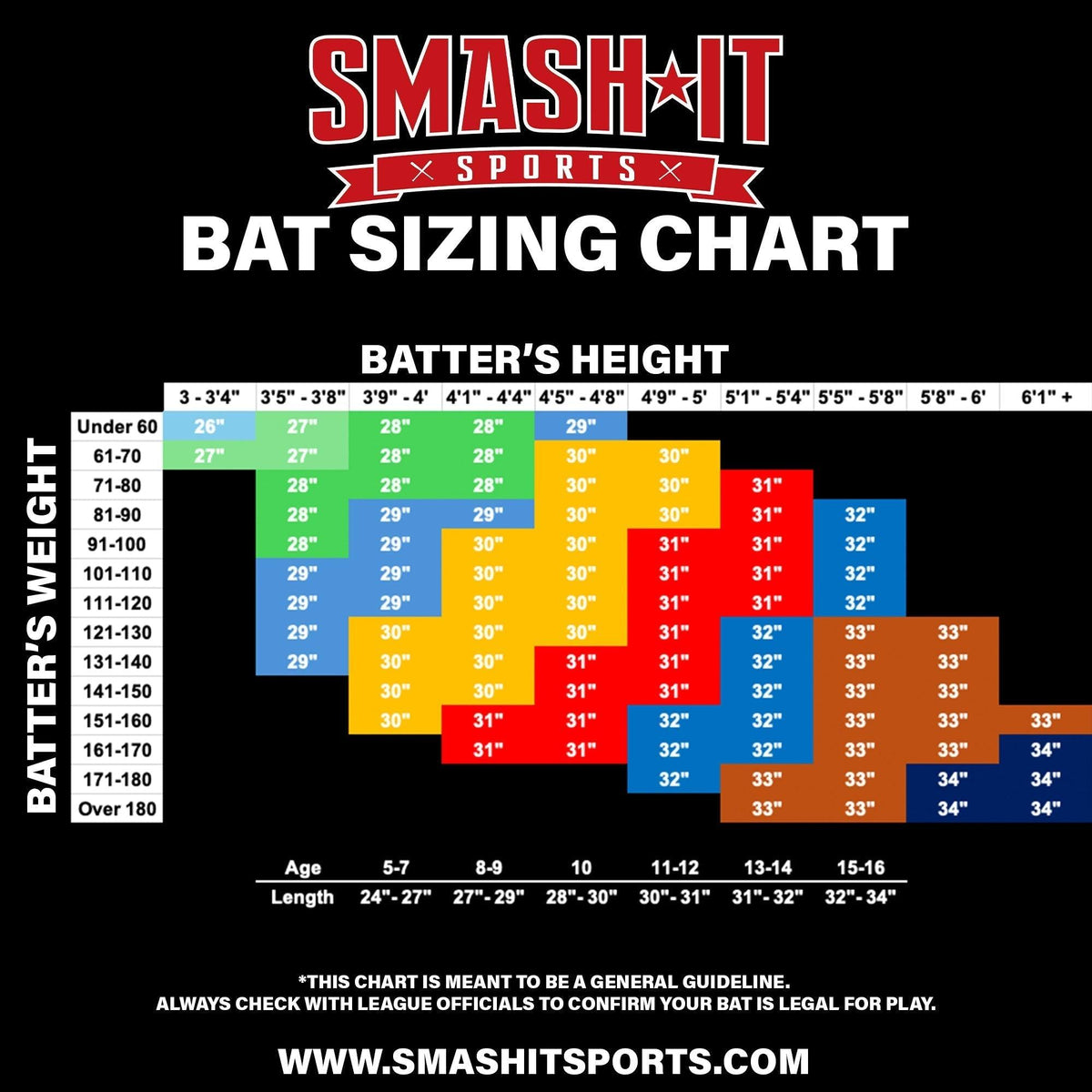
Credit: smashitsports.com
Popular Bat Weights By Category
Baseball bats come in many weights to suit different players. The right weight helps players swing with control and power.
Below, we look at common bat weights for youth, high school, and adult players. This helps you understand what to expect.
Youth Bats
Youth baseball bats are lighter to help young players swing easily. Their weights range from very light to medium.
- Most youth bats weigh between 14 and 20 ounces.
- Light bats help kids develop good swing speed.
- Weight often depends on the player’s age and strength.
High School Bats
High school bats are heavier than youth bats. They give more power while still allowing control.
| Bat Length | Common Weight Range (oz) |
| 30 inches | 26 to 28 |
| 31 inches | 27 to 29 |
| 32 inches | 28 to 30 |
Adult And Professional Bats
Adult and pro bats are the heaviest. They focus on power and durability for strong hitters.
| Bat Type | Weight Range (oz) | Notes |
|---|---|---|
| Wood Bats | 30 to 34 | Used in most pro leagues |
| Aluminum Bats | 28 to 32 | Common in adult amateur leagues |
| Composite Bats | 28 to 31 | Lightweight option with power |
Tips For Selecting The Right Bat
Choosing the right baseball bat affects your hitting performance. The bat’s weight plays a big role in your swing speed and control.
This guide gives helpful tips to find a bat weight that fits your style and strength.
Testing Different Weights
Try swinging bats of various weights before you buy. This helps you see which weight feels best in your hands.
- Start with a light bat to warm up your swing.
- Move to medium weight bats to find good balance.
- Try heavier bats to test your strength and control.
- Take note of how fast and comfortable each bat feels.
Consulting Coaches And Experts
Ask your coach or an experienced player for advice. They know what works well for different ages and skill levels.
| Expert | Advice Focus |
| Coach | Proper technique and bat length |
| Trainer | Strength and fitness level |
| Pro Player | Bat feel and balance |
Balancing Weight And Comfort
Pick a bat weight that feels comfortable and allows quick swings. Too heavy can slow you down. Too light may reduce power.
Here are tips to balance weight and comfort:
- Hold the bat at the handle and swing gently to feel its weight.
- Check if you can keep your wrists relaxed during the swing.
- Make sure the bat’s length suits your height and strength.
- Choose a bat that lets you hit with control and confidence.

Credit: batdigest.com
Frequently Asked Questions
What Is The Average Weight Of A Baseball Bat?
The average baseball bat weighs between 28 to 31 ounces. Youth bats tend to be lighter, around 18 to 24 ounces. Weight varies based on bat length and player age. Choosing the right weight improves swing speed and control.
How Does Bat Weight Affect Swing Performance?
Heavier bats generate more power but require more strength to swing. Lighter bats allow faster swings and better bat control. Players should balance weight with comfort to optimize performance and reduce injury risk.
What Weight Should A Youth Baseball Bat Be?
Youth baseball bats typically weigh between 16 and 24 ounces. The weight depends on the player’s age, height, and strength. Lighter bats help young players improve swing mechanics and timing.
Are There Weight Limits For Baseball Bats?
Yes, official leagues set weight and length limits for bats. For example, high school bats must be no more than 34 inches and 33 ounces. These regulations ensure fair play and player safety.
Conclusion
Choosing the right baseball bat weight matters a lot. It affects your swing speed and control. Lighter bats help with faster swings but may lack power. Heavier bats offer more strength but can slow you down. Think about your age, strength, and skill when picking a bat.
Practice with different weights to find what feels best. Remember, comfort and confidence make a big difference. Keep these points in mind to improve your game and enjoy playing baseball.