If your air conditioner isn’t cooling like it used to, you might be wondering, “How much does Freon cost for a home air conditioner?” You’re not alone. Many homeowners face this question when their AC starts acting up.
Knowing the cost ahead of time can help you avoid surprises and plan your budget better. You’ll discover what affects Freon prices, how much you can expect to pay, and why it matters for your comfort and wallet. Keep reading to get the clear answers you need before calling a technician.
Factors Affecting Freon Cost
Freon cost for home air conditioners varies depending on many factors. Understanding these factors helps homeowners estimate expenses better.
This article explains the main elements that influence the price of Freon for cooling systems.
Type Of Refrigerant
Different types of refrigerants affect the cost of Freon. Older models use R-22, which is more expensive now. Newer systems use R-410A, which costs less but requires special handling.
The price depends on the refrigerant’s chemical composition and availability.
Market Demand And Supply
Freon prices change with market demand and supply levels. If many people need Freon, prices rise. Supply shortages also increase costs.
- High demand in hot seasons raises prices
- Limited production causes supply shortages
- Regulations can reduce available refrigerants
Seasonal Variations
Freon costs often rise in summer. This is when air conditioners work most and need more refrigerant. Prices drop during cooler months when demand is low.
| Season | Freon Cost Trend |
| Spring | Moderate |
| Summer | High |
| Fall | Moderate |
| Winter | Low |
Geographical Location
Location affects Freon pricing. Areas with hot climates have higher demand and costs. Remote places may pay more due to shipping and availability.
Factors by location:
- Urban vs rural pricing differences
- Local regulations on refrigerants
- Distance from suppliers
Different Types Of Freon
Freon is a common name for refrigerants used in home air conditioners. These chemicals help cool the air by absorbing heat.
There are several types of Freon used today. Each type has different features and costs.
R-22 Refrigerant
R-22, also called HCFC-22, was the main refrigerant for many years. It helps cool air efficiently but harms the ozone layer.
Because of its environmental impact, R-22 is being phased out. It is now expensive and harder to find for repairs.
R-410a Refrigerant
R-410A is a newer refrigerant that replaced R-22 in many systems. It does not harm the ozone layer and cools very well.
- Used in new air conditioners since 2010
- Works at higher pressure than R-22
- More energy efficient
- Safer for the environment
Alternative Refrigerants
| Type | Benefits | Common Use |
| R-134a | Low toxicity | Small AC units |
| R-32 | Lower global warming potential | New residential AC |
| R-407C | Good replacement for R-22 | Commercial AC systems |
These alternative refrigerants are safer and more eco-friendly. They help reduce the impact on the planet.
Average Cost Estimates
Freon is a common refrigerant used in home air conditioners. The cost to refill or replace Freon depends on several factors. Understanding these costs can help you plan your air conditioner maintenance budget.
This guide covers typical prices for Freon by weight, refilling fees, and service charges. Each section breaks down the average costs you might expect.
Cost Per Pound
The price of Freon varies based on type and market conditions. Most home systems use R-22 or R-410A refrigerants.
| Type of Freon | Average Cost per Pound |
| R-22 (older systems) | $50 – $100 |
| R-410A (newer systems) | $25 – $50 |
Refilling Costs
Refilling Freon involves adding the right amount to your AC system. The total cost depends on how much Freon is needed and labor fees.
- Small refill (1-2 pounds): $150 – $300
- Full refill (3-5 pounds): $300 – $600
- System recharge after repair: $200 – $500
Service Charges
Technicians charge fees for diagnosing leaks and refilling Freon. These fees vary by region and company.
- Diagnostic fee: $50 – $100
- Leak detection service: $100 – $200
- Labor cost for refill: $75 – $150 per hour
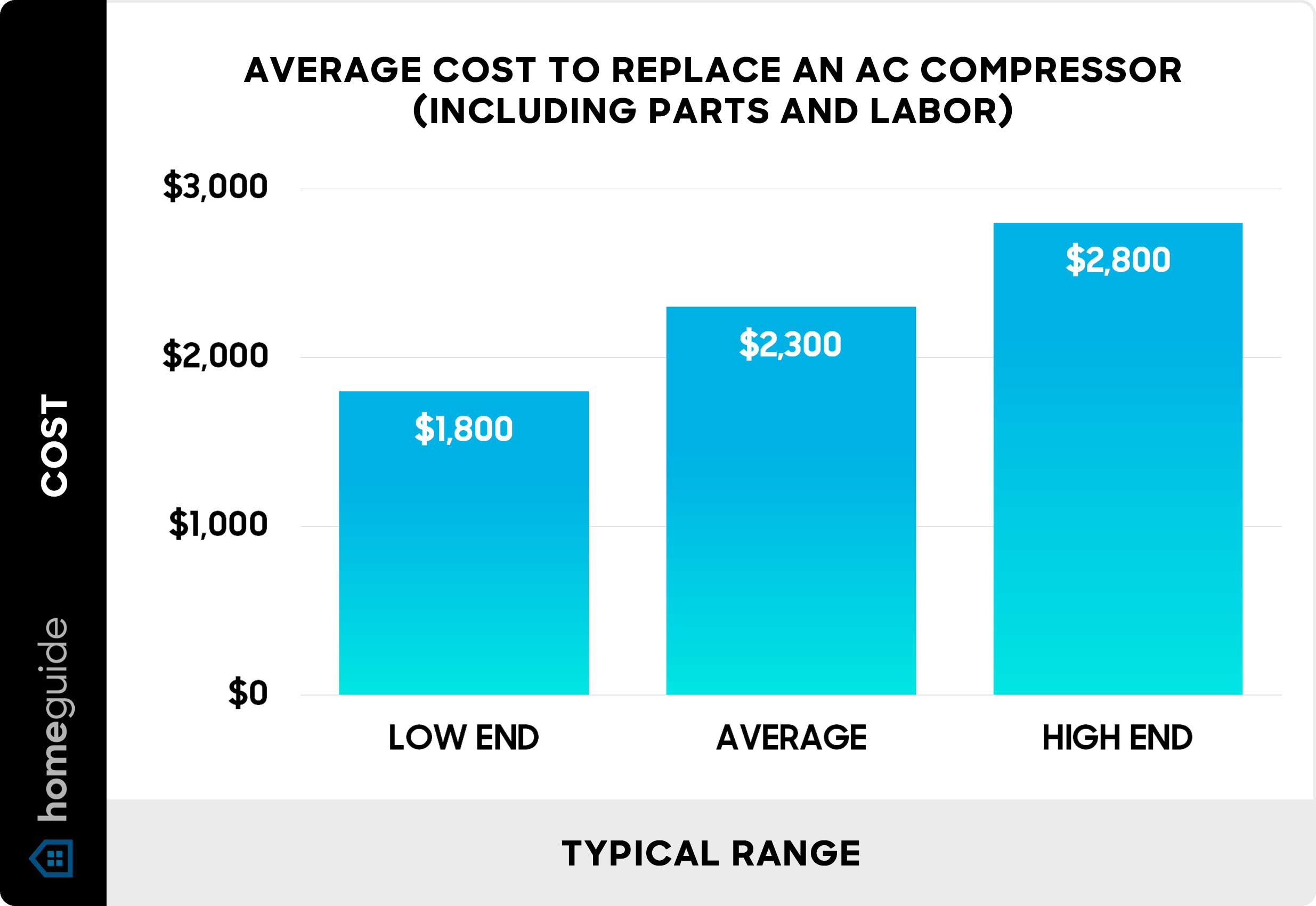
Credit: homeguide.com
Diy Vs Professional Refilling
Refilling Freon in a home air conditioner affects its cooling power. You can choose to do it yourself or hire a professional. Each choice has different costs and risks.
Understanding the pros and cons helps you decide which option fits your needs and budget best.
Pros And Cons Of Diy
Doing the Freon refill yourself may save money but comes with challenges. You need the right tools and knowledge to avoid mistakes.
- Pros:
- Lower upfront cost
- Convenience of fixing on your schedule
- Learning experience
- Cons:
- Risk of incorrect refill amount
- Potential damage to AC unit
- Handling hazardous chemicals without training
- Possible legal restrictions on Freon purchase and use
Benefits Of Hiring A Professional
Professionals have the training and tools to refill Freon safely and correctly. They can also check for leaks and other issues.
| Benefit | Details |
| Correct Freon Amount | Ensures optimal AC performance |
| Leak Detection | Finds and repairs leaks before refill |
| Safety | Proper handling of chemicals and tools |
| Warranty Protection | Maintains AC unit warranty terms |
| Time Saving | Quick and efficient service |
Safety Considerations
Freon is a hazardous chemical. Mishandling it can cause injury or harm the environment. Safety gear and correct procedures are essential.
- Wear gloves and safety goggles
- Work in a well-ventilated area
- Use approved tools and equipment
- Follow local laws and regulations
- Do not release Freon into the air
- Consider professional help for complex tasks
Impact Of Regulations On Pricing
The cost of Freon for home air conditioners depends on many factors. One big factor is government rules. These rules affect the price and availability of Freon.
Regulations aim to protect the environment but can make Freon more expensive. Understanding these rules helps explain why prices change.
Environmental Regulations
Environmental laws limit the use of harmful chemicals like Freon. These rules reduce damage to the ozone layer and climate.
Because of these laws, only safer types of refrigerants are allowed. This change affects the cost of buying and using Freon.
- Limits on harmful gases increase production costs
- Safer refrigerants require new technology
- Strict handling rules add to service costs
Phase-out Of R-22
R-22 is a common Freon type but it harms the ozone layer. Governments started phasing it out in recent years.
The phase-out means R-22 is harder to find and costs more. Older air conditioners still need R-22, which drives up demand and price.
- Production of R-22 stopped in many countries
- Supplies come from recycled or stockpiled Freon
- High demand and low supply increase prices
Future Trends In Pricing
Freon prices will likely change as new rules and technologies emerge. Safer refrigerants will become more common.
Costs may rise at first because of new equipment and training. Over time, prices may stabilize or drop with better production methods.
- New refrigerants may cost more initially
- Improved technology could lower long-term costs
- Regulations will keep shaping the market
Tips For Reducing Freon Costs
Freon is an important part of your home air conditioner. It helps cool the air during hot days. But Freon can be expensive to refill.
Here are some tips to lower your Freon costs. These tips focus on keeping your system healthy and working well.
Regular Maintenance
Check and clean your air conditioner regularly. This helps the system run smoothly and uses less Freon. Changing filters often keeps dirt away from the parts.
- Clean or replace air filters monthly
- Clear debris around the outdoor unit
- Schedule yearly professional check-ups
- Keep the coils clean and free of dust
Leak Prevention
Freon leaks cause high costs because you need to refill it more often. Find leaks early and fix them fast to save money.
| Leak Cause | How to Prevent |
| Old or damaged pipes | Inspect and replace pipes as needed |
| Loose fittings | Tighten connections regularly |
| Worn seals | Check seals during maintenance |
| Corrosion | Keep system dry and clean |
Energy-efficient Upgrades
Upgrading parts of your AC can reduce Freon use. Energy-efficient models use less Freon and save power.
- Replace old units with ENERGY STAR certified models
- Install programmable thermostats to control cooling
- Use ceiling fans to help air flow
- Seal windows and doors to keep cool air inside
When To Replace Your Air Conditioner
Knowing when to replace your air conditioner can save money and keep your home comfortable. Old units may waste energy and break down more often.
This guide explains key signs of inefficiency, how to weigh costs, and benefits of a new system.
Signs Of Inefficiency
Watch for these signs that your air conditioner is losing efficiency and might need replacement:
- Rising energy bills without increased use
- Uneven cooling in different rooms
- Frequent repairs and service calls
- Older units using refrigerants like Freon that are being phased out
- Strange noises or smells coming from the system
Cost-benefit Analysis
Compare repair costs to the price of a new air conditioner. Sometimes repairs cost more than a new system.
| Cost Factor | Repair | Replacement |
| Average Repair Cost | $200 – $1,000 | – |
| New System Cost | – | $3,000 – $7,000 |
| Energy Savings | Low | High |
| Frequency of Repairs | Often | Rare |
New System Advantages
New air conditioners offer many benefits that older units cannot match.
- Improved energy efficiency lowers electric bills
- Use of eco-friendly refrigerants instead of Freon
- Quieter operation for better comfort
- Better humidity control
- Advanced features like smart thermostats

Credit: atlasacrepair.com

Credit: atlasacrepair.com
Frequently Asked Questions
How Much Does Freon Cost For Home Ac Recharge?
The average cost to recharge Freon in a home AC is $150 to $350. Prices depend on the amount needed and service fees.
What Factors Affect Freon Replacement Costs?
Freon costs vary by AC size, refrigerant type, and labor charges. Older systems may require more expensive refrigerants.
How Often Should Freon Be Refilled In Ac Units?
Freon typically lasts years without refill. Frequent refills indicate leaks needing repair, increasing overall maintenance costs.
Can I Recharge Freon In My Ac Myself?
Recharging Freon requires certification and special equipment. DIY attempts risk injury and violate environmental laws.
Conclusion
Freon costs can vary depending on your air conditioner type. Small leaks might need just a little Freon, while big repairs cost more. Knowing the price helps you plan your budget better. Regular maintenance can reduce Freon needs and save money.
Always choose a trusted technician for safe and proper service. Keep your home cool without surprises on your bill. Understanding Freon costs means fewer worries during hot days. Take care of your AC, and it will last longer. Simple steps can make a big difference in cooling costs.