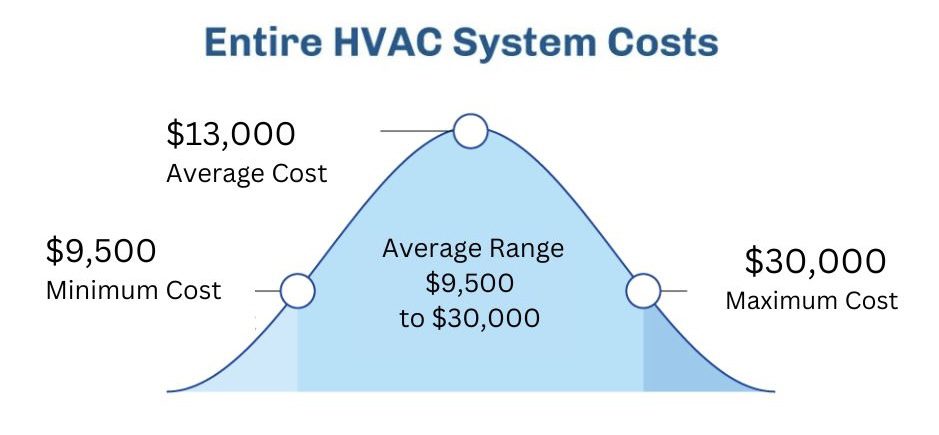
Are you wondering how much a heating and cooling system will cost you? Whether you’re upgrading your old system or installing a new one, the price can vary a lot.
Knowing what to expect can save you from surprises and help you plan your budget better. You’ll discover the key factors that affect the cost and how to get the best value for your money. Keep reading to find out exactly what you need to know before making this important investment for your home.
Factors Affecting System Costs
Heating and cooling systems vary in price. Many factors affect the total cost you pay. Understanding these factors helps you plan better.
Costs include the system price and installation fees. Each factor changes these amounts differently.
System Type And Size
The type of system impacts the price a lot. Central air, heat pumps, and furnaces all cost different amounts. Size matters too. Larger systems cost more because they cool or heat bigger spaces.
Choosing the right size is important. Too small won’t work well. Too large wastes energy and money.
Energy Efficiency Ratings
Systems with higher energy efficiency cost more upfront. They save money on bills over time. Lower efficiency units are cheaper but use more power.
- SEER (Seasonal Energy Efficiency Ratio) rates cooling efficiency
- AFUE (Annual Fuel Utilization Efficiency) rates heating efficiency
- Higher ratings mean better efficiency and higher cost
Installation Complexity
Simple installations cost less. Complex jobs need more time and tools. Old homes may need ductwork or upgrades, increasing cost.
Extra work like electrical upgrades or removing old equipment adds to the total price.
Brand And Model Variations
Well-known brands often charge more for their models. Less-known brands may be cheaper but have fewer features. Models differ in technology and durability.
- Premium brands cost more but may last longer
- Basic models cost less but have fewer features
- Warranty length can affect price
Geographic Location
Where you live affects system costs. Areas with extreme weather need stronger systems. Labor and permit costs vary by region.
Remote locations may have higher delivery fees. Local taxes and regulations also influence the total price.
Heating System Price Breakdown
Heating systems come in many types and prices. Understanding costs helps you plan your budget.
This guide breaks down prices for common heating systems in homes.
Furnaces
Furnaces use gas, oil, or electricity to warm your home. They vary by size and efficiency.
| Furnace Type | Price Range | Notes |
| Gas Furnace | $1,500 – $5,000 | Common and efficient |
| Oil Furnace | $2,000 – $6,000 | Needs oil delivery |
| Electric Furnace | $1,200 – $3,500 | Less efficient, easy install |
Heat Pumps
Heat pumps heat and cool your home. They save energy by moving heat instead of creating it.
- Air-source heat pumps cost $4,000 to $8,000
- Ground-source (geothermal) pumps range $10,000 to $30,000
- Installation depends on climate and home size
Boilers
Boilers use hot water or steam to heat your home. They run on gas, oil, or electricity.
| Boiler Type | Price Range | Fuel Type |
| Gas Boiler | $3,000 – $7,000 | Natural gas |
| Oil Boiler | $4,000 – $8,000 | Heating oil |
| Electric Boiler | $2,000 – $5,000 | Electricity |
Electric Heaters
Electric heaters are simple and cheap to buy. They work well in small spaces or as backup heat.
Typical costs include:
- Baseboard heaters: $100 – $300 per unit
- Wall heaters: $200 – $600 per unit
- Portable heaters: $20 – $150 each
Cooling System Price Breakdown
Cooling systems come in many types and prices. Choosing the right one depends on your needs and budget. This guide breaks down the costs of common cooling systems.
Understanding each system’s price helps you plan better for installation and maintenance. Here are the main types and their cost details.
Central Air Conditioners
Central air conditioners cool your whole home through ducts. They cost more upfront but cool evenly. Prices vary by size and efficiency.
| Cost Component | Price Range |
| Unit Price | $2,500 – $7,500 |
| Installation | $1,500 – $4,000 |
| Ductwork (if needed) | $1,000 – $5,000 |
| Maintenance (annual) | $150 – $300 |
Ductless Mini-splits
Ductless mini-splits cool individual rooms without ducts. They are easier to install and more flexible. Costs depend on the number of indoor units.
- Single-zone system: $1,500 to $3,000
- Multi-zone system: $3,000 to $7,000
- Installation: $500 to $2,000
- Maintenance: $100 to $200 per year
Window Units
Window units cool one room at a time. They are affordable and easy to install. Prices vary by size and cooling power.
- Small units: $150 to $300
- Medium units: $300 to $500
- Large units: $500 to $700
- Installation: Usually self-installed or under $100
- Maintenance: Minimal costs
Portable Air Conditioners
Portable air conditioners cool one room and can be moved easily. They cost more than window units but need no permanent installation.
| Type | Price Range |
| Small Portable AC | $250 – $450 |
| Large Portable AC | $450 – $700 |
| Installation | Minimal to none |
| Maintenance | Low cost |

Credit: www.jamesriverair.com
Additional Installation Costs
Installing a heating and cooling system involves more than just buying the unit. Additional costs can increase the total price. These extra fees cover parts, work, and legal requirements.
Knowing these costs helps plan your budget better. It also avoids surprises during installation.
Ductwork And Ventilation
Many homes need new ducts or ventilation updates for the system. Old or damaged ducts can reduce efficiency and comfort. Installing or repairing ducts adds to the cost.
- New duct installation costs vary by home size.
- Repairing existing ducts is cheaper but still adds expense.
- Proper ventilation ensures good airflow and system performance.
Thermostats And Controls
Thermostats control the temperature in your home. Basic models cost less, but smart thermostats offer more features. Adding these controls can increase installation costs.
- Simple thermostats are affordable and easy to install.
- Smart thermostats learn habits and save energy.
- Some systems require special controls, adding to costs.
Labor Charges
Labor is a major part of installation costs. Skilled technicians are needed to install and test the system. Labor prices depend on location and job complexity.
- Simple installations take fewer hours, costing less.
- Complex jobs need more time and skill.
- Labor costs vary from one region to another.
Permits And Inspections
Local laws often require permits for HVAC installation. Inspections ensure the work meets safety and building codes. These legal steps add fees to the overall cost.
- Permit fees depend on city or county rules.
- Inspections confirm correct and safe installation.
- Skipping permits can lead to fines or problems later.
Maintenance And Operating Expenses
Heating and cooling systems need regular care to work well. You must plan for costs beyond the initial purchase.
These costs include maintenance, energy use, repairs, and service plans. Understanding these helps manage your budget better.
Routine Maintenance Costs
Regular maintenance keeps your system safe and efficient. Common tasks are filter changes, cleaning, and system checks.
- Changing air filters every 1-3 months
- Cleaning coils and vents yearly
- Checking refrigerant levels
- Inspecting electrical connections
Energy Consumption
Energy use is a big part of operating costs. Efficient systems use less electricity or fuel to heat or cool your home.
| System Type | Average Monthly Energy Cost |
| Central Air Conditioner | $50 – $150 |
| Heat Pump | $40 – $120 |
| Furnace (Gas) | $30 – $100 |
| Electric Heater | $60 – $180 |
Repair Expenses
Repairs can happen unexpectedly. Common issues include leaks, broken fans, or thermostat problems. Cost depends on the part and labor.
- Minor repairs: $100 to $300
- Major repairs: $400 to $1,200
- Replacement parts vary by system brand and model
Warranty And Service Plans
Many systems come with warranties covering parts for a set time. Service plans offer regular check-ups and repairs for a fee.
- Basic warranty usually lasts 5-10 years
- Extended service plans add yearly costs
- Plans may reduce repair bills and extend system life

Credit: hookagency.com
Ways To Save On Heating And Cooling
Heating and cooling systems can cost a lot to buy and run. Saving money helps lower your bills and keeps your home comfy.
Simple changes and smart choices make a big difference in how much you spend on heating and cooling.
Energy-efficient Models
Choose heating and cooling units that use less energy. They cost less to run each month.
Look for models with high Energy Star ratings. They meet strict energy-saving rules and last longer.
- Use less electricity or fuel
- Lower monthly energy bills
- Help the environment by reducing waste
Rebates And Incentives
Many governments and companies offer money back for buying efficient systems. This lowers your upfront cost.
Check local programs for rebates or tax credits before you buy. These help you save a good amount.
- State or city rebates
- Utility company incentives
- Federal tax credits for energy efficiency
Proper System Sizing
Buy a system that fits your home size. Too big or too small wastes energy and money.
Professionals can measure your home to find the right size. This saves money on installation and energy bills.
- Right size means less energy use
- Better comfort with balanced temperature
- Longer system life and fewer repairs
Regular Maintenance
Keep your system clean and serviced. Regular care stops breakdowns and keeps efficiency high.
Change filters and check parts often. A well-maintained system uses less energy and lasts longer.
- Clean or replace air filters every 1-3 months
- Schedule yearly professional tune-ups
- Check for leaks and fix them quickly
Signs It’s Time To Replace Your System
Your heating and cooling system works hard to keep your home comfortable. Over time, it may lose efficiency and cause problems.
Knowing when to replace your system can save you money and improve your home’s comfort.
Rising Energy Bills
If your energy bills go up without using your system more, it may be less efficient. Old systems can waste power and cost more.
Frequent Repairs
Fixing your system often can be costly. Frequent repairs mean parts may be wearing out or the system is failing.
- Repairs happen every few months
- Costs add up quickly
- System breaks down during extreme weather
- Technicians suggest replacement instead of fixes
Inconsistent Temperature
Rooms that are too hot or cold can show your system is struggling. It may not cool or heat evenly.
| Room | Temperature Issue |
| Living Room | Too warm in summer |
| Bedroom | Too cold in winter |
| Kitchen | Fluctuating temperatures |
| Basement | Humidity problems |
Age Of The System
Most systems last 10 to 15 years. Older units often lose efficiency and need more repairs.
Signs your system is old:
- More than 12 years old
- Parts are hard to find
- System uses outdated technology
- Cannot keep up with your home’s needs

Credit: thefurnaceoutlet.com
Frequently Asked Questions
What Factors Affect Heating And Cooling Costs?
Heating and cooling costs depend on several factors. These include the system’s size, brand, and energy efficiency. Installation complexity and local climate also influence the cost. Regular maintenance can further impact overall expenses.
How Much Does An Hvac System Cost?
An HVAC system generally costs between $3,000 and $7,000. Prices vary based on brand, size, and energy efficiency. Installation fees can add to the total cost. Always get multiple quotes to ensure you receive a fair price.
Is A High-efficiency Hvac System Worth It?
High-efficiency systems initially cost more. However, they reduce energy bills over time. These systems offer better comfort and are environmentally friendly. Over the years, savings on utility bills can offset the higher upfront cost.
How Long Do Hvac Systems Last?
An HVAC system typically lasts 15 to 20 years. Lifespan depends on maintenance, usage, and system quality. Regular servicing can extend its life. Consider replacing older systems for improved efficiency and reliability.
Conclusion
Choosing the right heating and cooling system depends on your budget and needs. Costs vary by size, type, and efficiency. Expect to pay for installation and maintenance too. Investing in a good system saves money over time. Think about energy efficiency and long-term comfort.
Plan carefully to avoid surprise expenses. A well-chosen system keeps your home cozy year-round. Take your time to compare options and prices. This helps you find the best fit for your home and wallet.