If you own a Jeep 4Xe or are thinking about getting one, you probably want to know one important thing: how much will it cost to charge it? Understanding the charging cost helps you plan your budget and see how much you can save compared to regular gas.
You’ll discover simple answers and clear numbers that make charging your Jeep 4Xe easy to understand. Keep reading to find out exactly what to expect when it’s time to plug in your Jeep and power up for your next adventure.
Credit: www.4xeforums.com
Jeep 4xe Charging Basics
Understanding how to charge your Jeep 4Xe efficiently can save money. Learn the basics to get the most out of your hybrid vehicle. Let’s explore the key components involved in charging a Jeep 4Xe.
Battery Capacity And Range
The Jeep 4Xe features a robust battery with a 17 kWh capacity. This provides a range of about 21 miles on electric power alone. For daily commutes, this range is often enough. It helps reduce fuel consumption significantly. The battery capacity ensures a balance between performance and efficiency.
Charging Port Types
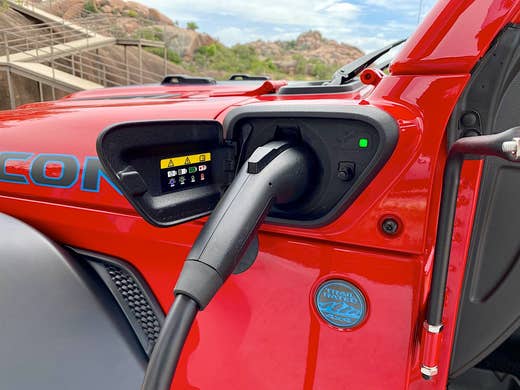
Jeep 4Xe uses a standard J1772 charging port. This port type is compatible with most public charging stations. It also supports Level 1 and Level 2 charging. Level 1 charging uses a household outlet and takes longer. Level 2 charging, often found at public stations, charges much faster. Knowing the port types helps plan your charging needs effectively.
Charging Options For Jeep 4xe
Charging a Jeep 4Xe offers various options suited to different lifestyles and needs. Choosing the right method affects cost, convenience, and charging speed. Understanding each option helps plan your charging routine effectively.
Home Charging Setup
Most Jeep 4Xe owners charge their vehicles at home. Installing a Level 2 charger provides faster charging compared to a standard outlet. A Level 2 charger uses a 240-volt power supply. It can fully charge the Jeep 4Xe in about 2 to 3 hours.
Costs for home charging include the charger unit and installation. Charger prices range from $400 to $700. Installation costs vary based on your home’s electrical system, often between $300 and $1,000. Electricity costs depend on local rates, usually much cheaper than gas.
Public Charging Stations
Public stations offer convenience during travel or busy days. These stations have Level 2 chargers and some offer Level 3 fast charging. Pricing varies by location, with some free and others charging per kWh or per minute. Expect to pay around $0.20 to $0.60 per kWh at most public stations.
Apps and websites help locate nearby chargers. Public charging works well for topping off the battery. It’s useful when home charging is not an option or for longer trips.
Fast Charging Benefits
Fast chargers provide high power to the Jeep 4Xe. They can charge the battery up to 80% in about 30 minutes. This is ideal for quick stops during long drives.
Fast charging costs more than home or public Level 2 charging. Prices can be $0.30 to $0.70 per kWh. Fast charging reduces downtime but may slightly affect battery life if used frequently.
Cost Factors Affecting Charging
Charging your Jeep 4Xe comes with costs that vary based on several key factors. Understanding these can help you manage your charging expenses more effectively. Let’s break down what influences how much you’ll pay every time you plug in.
Electricity Rates And Plans
Your electricity bill depends heavily on the rates your provider charges. Some plans offer lower rates during off-peak hours, making nighttime charging more affordable. Have you checked if your utility company has a special EV charging plan? These often provide significant savings.
Additionally, flat-rate plans versus variable-rate plans can impact your costs. If you live in an area with fluctuating electricity prices, timing your charges can make a big difference. It’s worth reviewing your bill to spot patterns and adjust your charging habits accordingly.
Charging Speed Impact
The speed at which you charge your Jeep 4Xe affects your overall cost. Faster charging stations typically cost more per kWh due to the technology and infrastructure involved. If you’re not in a rush, slower home charging can save you money over time.
Think about how often you need a quick charge versus a slower, cheaper one overnight. Balancing convenience and cost is key. Are you willing to wait longer if it means cutting down your charging expenses?
Location-based Price Variations
Where you charge your Jeep 4Xe greatly influences the cost. Public charging stations in urban areas often have higher fees compared to suburban or rural locations. Some cities add extra taxes or surcharges that reflect in the price per charge.
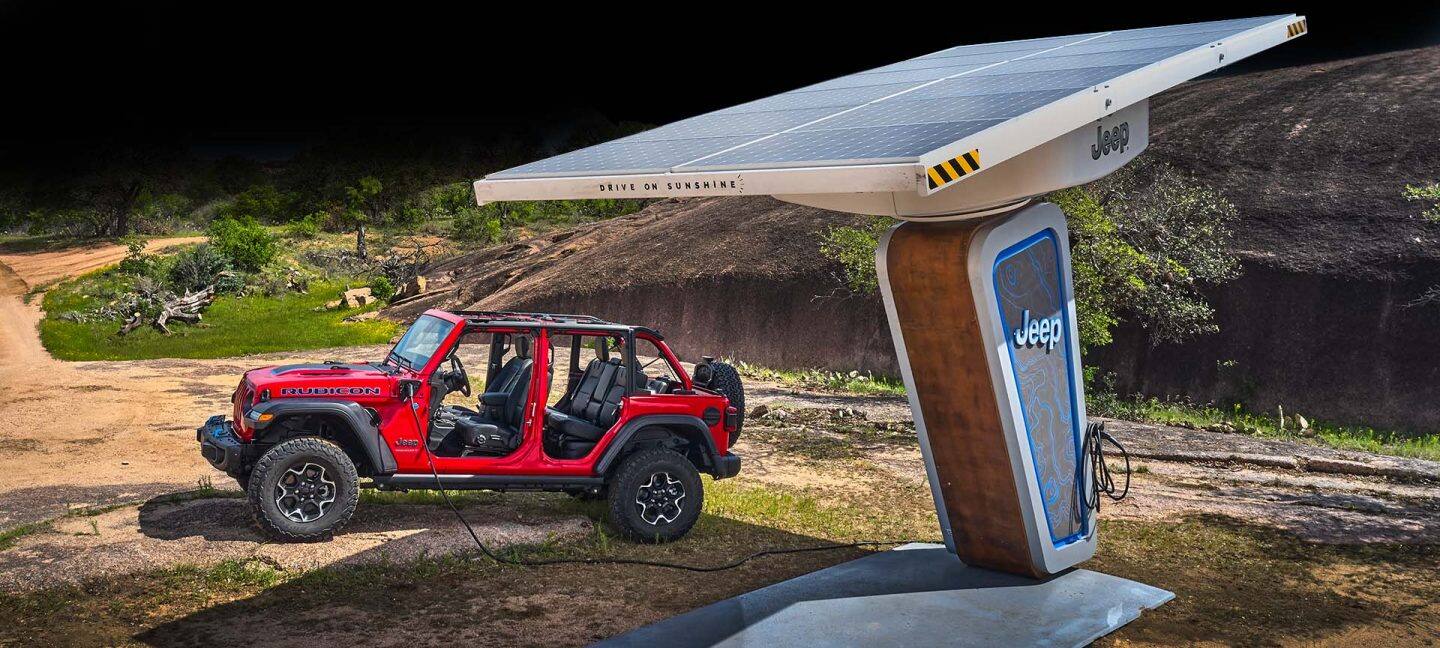
Charging at home usually offers the lowest cost, especially if you have access to renewable energy sources like solar panels. Before heading out, check the pricing of nearby stations—apps can help you find the best rates. Could planning your route with charging costs in mind save you more than just money?
Credit: www.buypearson.com
Estimating Charging Costs
Estimating the cost to charge a Jeep 4Xe helps manage your budget better. Charging expenses vary based on location, electricity rates, and charging speed. Understanding these factors gives a clearer picture of what to expect.
Calculating Home Charging Expenses
Home charging is usually the cheapest option. The cost depends on your local electricity rate and the battery size. The Jeep 4Xe has a battery capacity of about 17 kWh.
To estimate, multiply the battery size by your electricity rate per kWh.
- Battery size: 17 kWh
- Average electricity cost: $0.13 per kWh (varies by location)
Example: 17 kWh × $0.13 = $2.21 to fully charge at home.
This cost may change with different electricity plans or times of day.
Public Charging Fees Breakdown
Public chargers often charge higher rates than home electricity. There are different types of public chargers:
- Level 2 chargers:Usually $0.20 to $0.30 per kWh.
- Fast chargers (DCFC):Can cost $0.30 to $0.50 per kWh or more.
Some stations charge per minute instead of per kWh. Prices vary by provider and location.
Comparing Costs Over Time
Charging costs add up based on how often you drive and charge. Home charging saves money if you charge mostly overnight. Public charging may be convenient but costs more.
Consider your driving habits and access to chargers. Over months or years, home charging can cut your fuel expenses significantly.
Ways To Reduce Charging Costs
Charging your Jeep 4Xe doesn’t have to drain your wallet. Small changes in how and where you charge can make a big difference to your electricity bill. Let’s look at practical ways to reduce charging costs so you can enjoy your hybrid without worrying about extra expenses.
Using Off-peak Electricity Rates
Many utility companies offer lower electricity rates during off-peak hours, usually late at night or early morning. Charging your Jeep 4Xe during these times can significantly cut costs. Have you checked your electricity provider’s schedule? Adjusting your charging routine might save you more than you expect.
Setting a timer on your home charger is a simple way to take advantage of these rates. You plug in after your day ends, and your Jeep charges automatically when rates drop. It’s like paying less for the same amount of energy, without any extra effort.
Selecting Cost-effective Charging Stations
Not all public charging stations charge the same rates. Some charge by time, others by kilowatt-hour, and fees can vary widely. Planning your route with cost in mind can reduce your expenses during longer trips.
- Use apps that compare charging station prices nearby.
- Look for stations offering flat-rate fees or membership discounts.
- Consider slower chargers if you have time; they often cost less than rapid chargers.
Choosing wisely means you pay less and can keep your Jeep ready to go without surprises on your bill.
Government Incentives And Rebates
Did you know many governments offer incentives that lower the cost of electric vehicle charging? These can include rebates for home charger installation, tax credits, or discounts on electricity rates. Taking advantage of these can reduce your upfront and ongoing expenses.
Check local and national programs regularly because new incentives can pop up or change. Sometimes, just a quick phone call or online search can unlock savings you didn’t know existed.
Have you explored what benefits apply to you? It might be worth a few minutes of your time to find out and save more on charging your Jeep 4Xe.

Credit: www.youtube.com
Charging Time And Convenience
Charging a Jeep 4Xe involves understanding how long it takes and how to fit charging into your daily routine. Charging time and convenience play a big role in using this hybrid SUV efficiently. Knowing the typical charging durations helps plan better and avoid surprises. Convenience also means knowing where and when to charge during trips. It includes respecting shared charging stations and following best practices.
Typical Charging Durations
Charging times vary by charger type and battery level. Using a standard home outlet (120V), a full charge can take up to 12 hours. A Level 2 charger (240V) reduces this to about 2 to 3 hours. Fast chargers provide the quickest charge, often filling the battery to 80% in under 30 minutes. Partial charges can take less time depending on how much energy is needed. Charging speed depends on the Jeep 4Xe’s battery capacity and charger power.
Planning Charging For Trips
Plan charging stops ahead on longer journeys. Use apps or maps to find charging stations along your route. Schedule breaks around charging time to avoid delays. Charge fully before leaving home for best range. Keep a charger cable and adapter in your Jeep for flexibility. Charge early if you expect heavy driving or bad weather. This helps prevent running low on battery during trips.
Charging Etiquette And Tips
- Park only while charging. Move your Jeep once charged to free the spot.
- Don’t unplug others’ vehicles. Wait your turn patiently.
- Use the right charger for your Jeep 4Xe to avoid damage.
- Keep charging cables tidy and avoid blocking pathways.
- Charge during off-peak hours to save money and reduce grid load.
- Check for any fees or time limits at public chargers before use.
Frequently Asked Questions
How Much Does It Cost To Fully Charge A Jeep 4xe?
Charging a Jeep 4Xe fully at home typically costs between $1 and $3. This depends on your local electricity rates and battery capacity, usually around 17 kWh. Public charging stations may charge more, varying by location and provider.
What Factors Affect Jeep 4xe Charging Costs?
Charging costs depend on electricity rates, battery size, and charging speed. Home charging is cheaper than public stations. Time of day also matters, as off-peak rates can reduce costs. Efficient energy use and planned charging can save money.
Can I Reduce Jeep 4xe Charging Expenses?
Yes, by charging during off-peak hours when rates are lower. Using home electricity is cheaper than public chargers. Monitoring your battery’s state and avoiding frequent fast charging also helps manage costs effectively.
How Long Does It Take To Charge A Jeep 4xe?
Charging time varies by charger type. A standard Level 2 home charger takes about 2-3 hours for a full charge. Level 1 chargers (120V) can take up to 12 hours. Fast chargers can reduce this time significantly.
Conclusion
Charging a Jeep 4Xe does not cost much. Electricity prices vary by location and time. On average, a full charge costs less than filling a gas tank. Charging at home is the cheapest option. Public chargers may cost more but offer convenience.
Knowing these costs helps plan your budget better. Saving money on fuel is a big benefit. Charging your Jeep 4Xe is easy and affordable. Choose the best option that fits your needs. Enjoy your eco-friendly ride without extra expense.