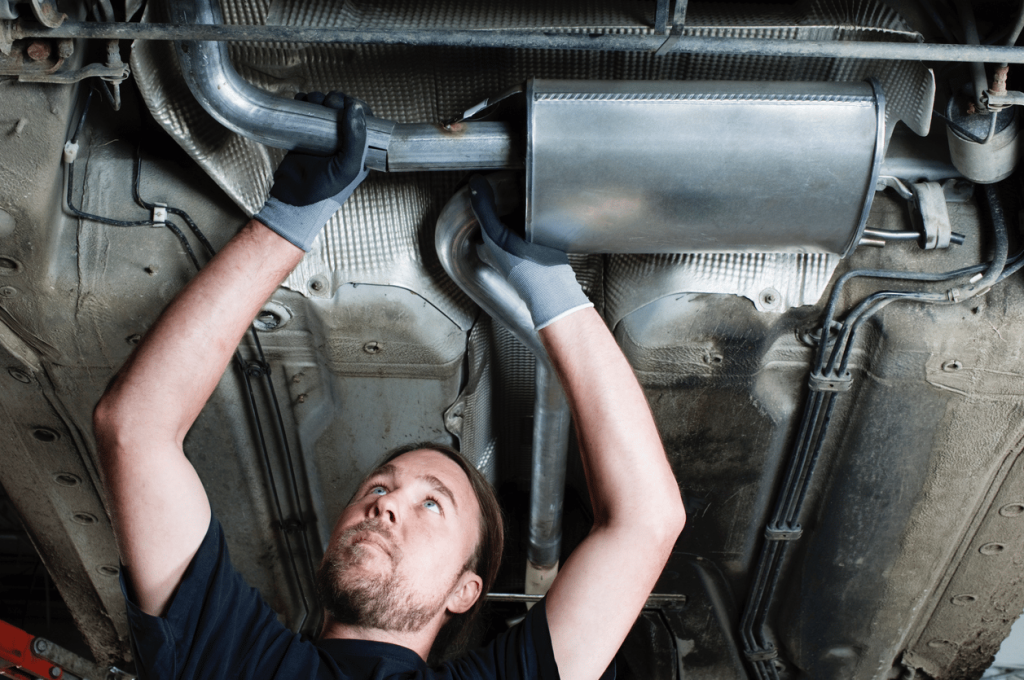
Wondering how much it will cost to fix your car’s exhaust system? You’re not alone.
When your vehicle starts making strange noises or you notice a drop in fuel efficiency, the exhaust system might be the culprit. But before you panic about expensive repairs, it’s important to understand what affects the price. You’ll discover the key factors that influence the cost, what parts might need fixing, and how to avoid overspending.
Keep reading to get the clear answers you need and take control of your car repairs today.
Exhaust System Components
The exhaust system helps remove gases from your car’s engine. It also reduces noise and harmful emissions.
Knowing the parts of the exhaust system can help you understand repair costs better.
Muffler
The muffler lowers the noise made by the engine. It uses chambers and tubes to cancel out sound waves.
Repairing or replacing a muffler can cost between $100 and $300 depending on the car model.
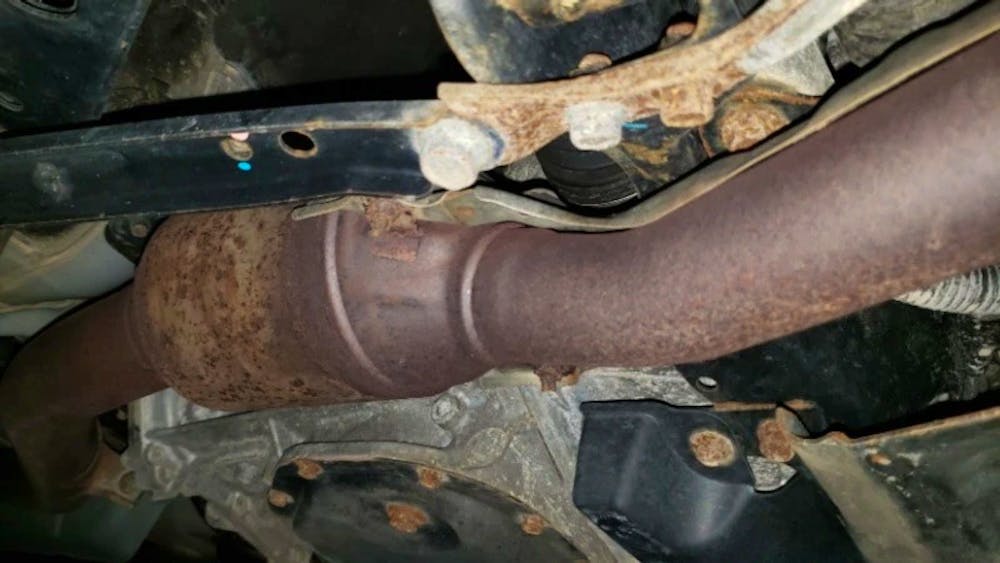
Catalytic Converter
This part reduces harmful gases by turning them into less harmful substances. It uses catalysts like platinum.
| Repair Type | Cost Range |
| Cleaning | $50 – $150 |
| Replacement | $500 – $2,500 |
Exhaust Manifold
The exhaust manifold collects gases from the engine cylinders. It directs gases into the exhaust pipe.
- Common materials: cast iron or stainless steel
- Cracks or leaks cause loud noises and poor engine performance
- Repair costs usually range from $200 to $600
Oxygen Sensors
Oxygen sensors check how much oxygen is in the exhaust gases. They help control fuel use and emissions.
Replacing an oxygen sensor costs about $100 to $300 per sensor.
Pipes And Clamps
Pipes carry exhaust gases through the system. Clamps hold pipes and parts tightly together.
Common pipe and clamp issues include:
- Rust and corrosion
- Leaks at joints
- Loose clamps causing noise
Costs vary, but fixing pipes and clamps usually runs between $50 and $300.
Credit: www.cartalk.com
Common Exhaust Problems
The exhaust system helps remove gases from your car. It keeps the air clean and the engine running well.
Many problems can happen in the exhaust system. Some are easy to fix, but others may cost more time and money.
Leaks And Holes
Leaks and holes let harmful gases escape before they leave the car. This can make your car noisy and unsafe.
Small holes can be patched, but big leaks often need parts replaced. Fixing leaks usually costs between $100 and $300.
Rust And Corrosion
Rust and corrosion happen when water and salt hit the metal parts of the exhaust. This causes the metal to wear down and break.
- Rust can cause holes in pipes.
- Corrosion weakens hangers and clamps.
- Severe rust may require full system replacement.
Broken Hangers
Hangers hold the exhaust system in place under the car. Broken hangers cause the system to sag or drag on the ground.
Fixing broken hangers is cheaper than other repairs. It usually costs $50 to $150 depending on the car model.
Clogged Catalytic Converter
The catalytic converter cleans the exhaust gases before they leave the car. A clog makes the engine work harder and lowers fuel efficiency.
| Problem | Signs | Repair Cost |
| Clogged catalytic converter | Low power, poor fuel economy, check engine light | $400 – $1,200 |
| Leaks and holes | Loud noise, bad smell | $100 – $300 |
| Rust and corrosion | Visible rust, holes, weak parts | $150 – $1,000 |
| Broken hangers | Exhaust sagging, rattling noise | $50 – $150 |
Repair Vs Replacement Costs
The exhaust system helps your car run clean and quiet. Fixing it can cost different amounts. The price depends on repair or replacement.
Knowing when to repair or replace parts saves money and keeps your car safe. Let’s look at the cost differences and signs for each option.
When To Repair
Repair your exhaust if the damage is small. Small holes or loose parts can be fixed easily. Fixing stops leaks and noise without full replacement.
Repairs are good if the system is mostly in good shape. A mechanic may patch holes or replace clamps. This saves time and money.
- Small holes or cracks in pipes
- Loose or broken clamps and hangers
- Minor rust spots without structural damage
- Exhaust leaks causing noise but no major failure
When To Replace
Replace the exhaust system if damage is severe. Large rust areas, holes, or broken parts need full replacement. Old exhaust systems may fail safety tests.
Replacing is better when repairs won’t last long. A new system improves performance and reduces pollution. It also avoids repeated repair costs.
- Heavy rust or corrosion on pipes
- Cracked or broken mufflers
- Damaged catalytic converter
- Multiple leaks or worn-out parts
Cost Differences
Repair costs usually run from $50 to $300. Small fixes need less labor and parts. Repairs keep costs low if damage is limited.
Replacement costs range from $300 to $1,200 or more. New parts and more labor raise the price. Some parts like catalytic converters are expensive.
| Type | Cost Range | Typical Work |
|---|---|---|
| Repair | $50 – $300 | Patch holes, replace clamps |
| Replacement | $300 – $1,200+ | Replace pipes, muffler, or converter |

Credit: www.bumper.co
Price Range For Repairs
Fixing the exhaust system in your car can cost different amounts. The price depends on which part needs repair or replacement. Knowing the typical cost helps you plan your budget.
This guide explains the price range for common exhaust system repairs. It covers muffler, catalytic converter, exhaust pipe, and oxygen sensor costs.
Muffler Repair Costs
Repairing a muffler usually costs less than replacing it. Small holes or rust spots can be patched. If the damage is bad, replacement is better.
- Muffler patch repair: $50 to $100
- Full muffler replacement: $150 to $300
- Labor costs: $40 to $100 per hour
Catalytic Converter Replacement Costs
The catalytic converter cleans harmful gases from your car. It is costly to replace because of the materials inside. Prices vary by car model and part quality.
- Aftermarket converter: $200 to $600
- OEM converter: $800 to $2,500
- Labor costs: $70 to $150 per hour
Exhaust Pipe Repair Costs
Exhaust pipes can rust or crack. Small repairs cost less, but full pipe replacement is more expensive. Labor time depends on pipe length and location.
- Patch or weld small holes: $50 to $150
- Full pipe replacement: $200 to $600
- Labor costs: $40 to $90 per hour
Oxygen Sensor Replacement Costs
The oxygen sensor helps your car run efficiently. It senses oxygen in the exhaust. Replacing it is usually affordable and quick.
- Oxygen sensor part: $50 to $200
- Labor costs: $50 to $100
- Total cost: $100 to $300
Factors Affecting Repair Costs
Fixing an exhaust system can cost different amounts. Many factors change the price.
Knowing these factors helps you understand your repair bill better.
Vehicle Make And Model
Some cars have simple exhaust systems. Others have complex parts that cost more.
Luxury and imported cars often need special parts that raise the repair cost.
Labor Charges
Mechanic fees vary by experience and shop. Some repairs take more time.
Long repairs or difficult jobs increase labor costs. Simple fixes cost less.
Part Quality
OEM parts match your car’s original parts but cost more. Aftermarket parts are cheaper.
High-quality parts last longer but may raise your initial repair price.
- OEM parts: High cost, perfect fit
- Aftermarket parts: Lower cost, varied quality
- Used parts: Cheapest, limited lifespan
Location And Shop Type
Repair prices differ by city and state. Big cities often have higher rates.
Dealerships charge more than local shops. Independent mechanics may offer better prices.
Diy Vs Professional Repair
Fixing an exhaust system can vary in cost depending on the damage. Some people try to fix it themselves. Others hire professionals to do the job.
Choosing between DIY and professional repair depends on your skills, tools, and the problem’s size. It is important to understand what each option requires.
Tools And Skills Needed
Fixing an exhaust system needs special tools. You also need basic mechanical skills. Without these, the job can be hard and unsafe.
- Wrenches and sockets
- Jack and jack stands
- Exhaust pipe cutter or saw
- Replacement parts like pipes or clamps
- Knowledge of car parts and safety
If you lack these tools or skills, professional repair is a safer choice. Professionals have all the right equipment and training.
Risks Of Diy
Doing the repair yourself can save money. But it comes with risks. Mistakes can cause more damage or be dangerous.
- Incorrect installation can lead to leaks.
- Improper support may cause parts to fall off.
- Risk of burns from hot parts.
- Incomplete repair can fail emissions tests.
- Possible injury from using tools incorrectly.
These risks can increase costs in the long run. Consider your experience before starting the repair.
Benefits Of Professional Service
Professionals fix exhaust systems quickly and safely. They know how to handle all types of problems. Their work meets safety and emission standards.
- Access to specialized tools and parts
- Experienced diagnosis and repair
- Work is usually guaranteed
- Safer and meets legal requirements
- Saves time and reduces stress
Hiring a professional may cost more upfront. It can save money by avoiding repeated repairs.
Tips To Lower Exhaust Repair Costs
Fixing an exhaust system can be expensive. You can save money by taking some simple steps.
Knowing how to lower repair costs helps keep your car running well without spending too much.
Regular Maintenance
Check your exhaust system often for leaks or damage. Keep parts clean and tight. Regular checks help spot problems early.
- Inspect exhaust pipes for rust or holes
- Listen for unusual noises while driving
- Replace worn-out gaskets and clamps
- Keep the undercarriage clean to avoid rust
Comparing Quotes
Get multiple repair quotes before deciding. Prices can vary a lot between shops. Comparing helps you find the best price.
| Repair Shop | Price Estimate | Warranty Length |
| Shop A | $300 | 12 months |
| Shop B | $250 | 6 months |
| Shop C | $320 | 24 months |
Using Aftermarket Parts
Aftermarket parts cost less than brand new ones. They work well and last long. Choose parts that fit your car model.
- Look for parts with good reviews
- Check if parts meet safety standards
- Ask the mechanic if aftermarket parts are okay
Timing Repairs Early
Fix small exhaust problems quickly. Waiting can cause bigger damage and more costs. Early repairs save time and money.
- Notice strange sounds or smells
- Visit the mechanic soon after spotting issues
- Replace damaged parts before rust spreads
- Keep your car checked regularly
Credit: www.bumper.co
Frequently Asked Questions
How Much Does Exhaust System Repair Typically Cost?
Exhaust system repair costs range from $100 to $1,200. The price depends on the damage type and vehicle model. Minor fixes are cheaper, while full replacements cost more. Labor charges also affect the total cost.
What Factors Influence Exhaust System Repair Prices?
Repair cost depends on parts needed, labor rates, and vehicle type. Rust, leaks, or damaged components increase expenses. Luxury vehicles often have higher repair costs. Location and mechanic experience also impact pricing.
Can I Fix My Exhaust System Myself?
Simple repairs like patching holes are possible DIY tasks. However, complex issues require professional tools and expertise. Incorrect repairs can cause safety hazards and worsen damage. It’s best to consult a mechanic for accurate diagnosis.
How Long Does Exhaust System Repair Usually Take?
Repair time varies from 1 to 4 hours based on damage severity. Simple fixes might take less than an hour. Replacing parts or entire systems requires more time. Scheduling and parts availability can also affect duration.
Conclusion
Fixing an exhaust system can vary in cost. It depends on several factors. Type of vehicle, parts needed, and labor charges matter. Always get multiple quotes from mechanics. This ensures you find a fair price. Regular maintenance can help avoid expensive repairs.
Keep an eye on any unusual sounds or smoke. These are signs of exhaust issues. Address them early to save money. Remember, a healthy exhaust system keeps your car running smoothly. It also helps the environment. Be proactive and stay informed about repair options.
Your wallet and car will thank you.