Are you considering adding a dishwasher to your kitchen but unsure about the installation costs? You’re not alone.
Many homeowners find themselves weighing the convenience of a dishwasher against the potential expenses involved in getting one set up. Understanding the costs can help you make a well-informed decision, saving both time and money in the long run. We’ll break down the various factors that influence the price of installing a dishwasher, ensuring you know exactly what to expect.
From labor charges to material costs, we’ll guide you through every detail, so you can plan your budget wisely and enjoy the benefits of a hassle-free kitchen upgrade. Stay with us to discover everything you need to know about the cost of having a dishwasher installed.
Dishwasher Installation Basics
Understanding dishwasher installation basics helps you plan costs and effort. Installing a dishwasher needs attention to type, space, and plumbing. Knowing key details makes the process smoother and avoids surprises.
Types Of Dishwashers
Dishwashers come in several types, each with unique features. Built-in models fit under the kitchen counter. Portable dishwashers can move and connect when needed. Drawer dishwashers slide out like drawers. Each type requires different installation steps and space.
Installation Requirements
Dishwasher installation needs water, power, and drainage connections. A nearby water supply line and drain pipe are essential. Electrical wiring must match the dishwasher’s requirements. Space must fit the dishwasher size and allow door opening. Proper leveling ensures good operation and prevents leaks.
Diy Vs Professional Installation
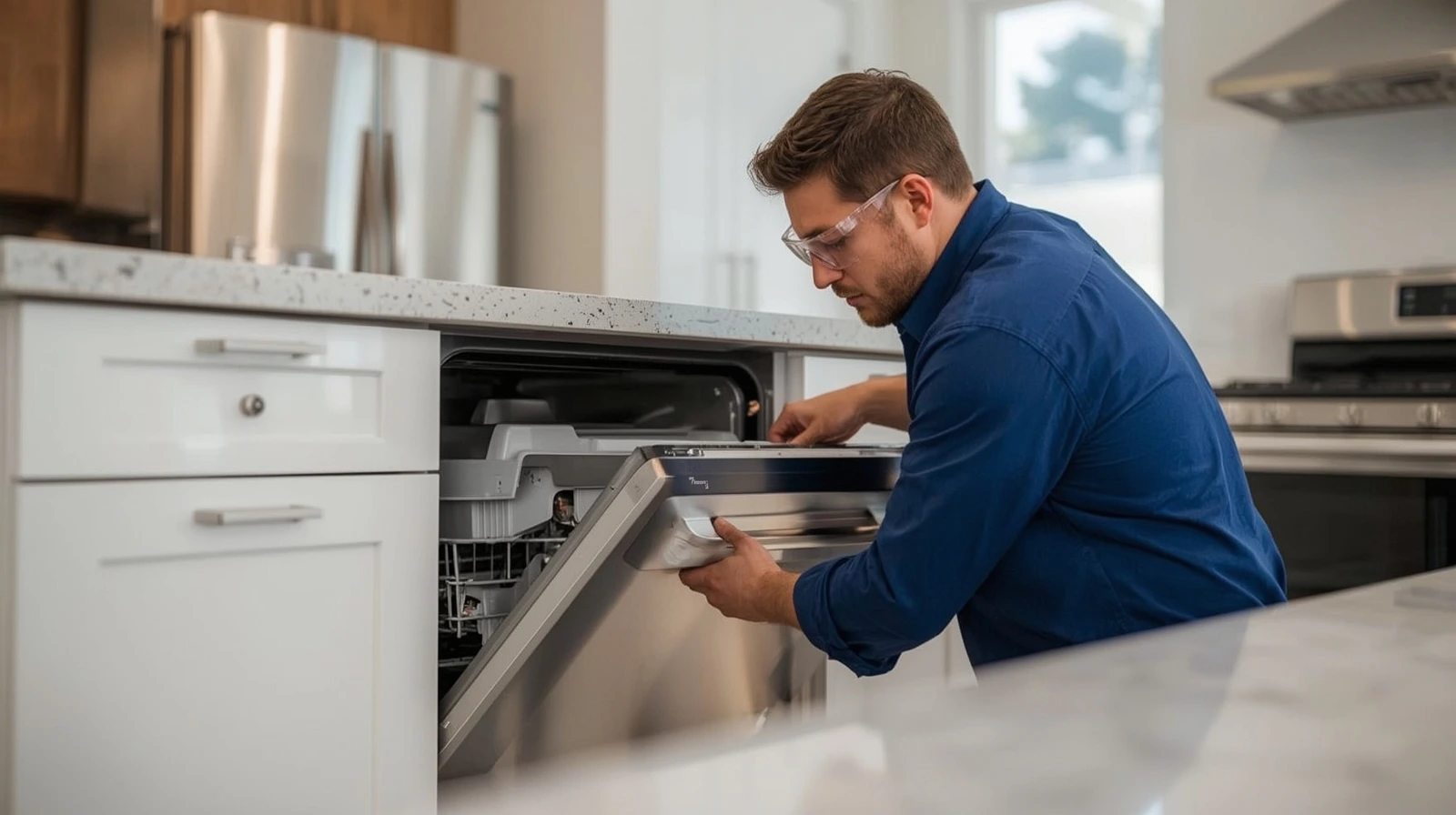
Installing a dishwasher yourself can save money but needs skill. You must handle plumbing and electrical safely. Mistakes may cause leaks or damage. Professional installation costs more but ensures correct setup. Experts have tools and experience for fast, safe work.
Credit: derksplumbing1.com
Cost Factors
Several factors influence the total cost of dishwasher installation. Understanding these cost drivers helps plan your budget better. Prices vary based on the appliance chosen, labor needed, extra parts, and local rules. Each factor adds to the final amount you will pay.
Appliance Price Range
Dishwashers come in many models and price points. Basic models start around $300. Mid-range options typically cost between $500 and $800. High-end or smart dishwashers can exceed $1,000. Features like energy efficiency and noise levels affect the price.
Labor Costs
Professional installation usually costs $150 to $300. Complexity of the job impacts labor charges. Easy setups with existing plumbing cost less. New plumbing or electrical work increases labor time and cost. Skilled technicians ensure proper installation and safety.
Additional Materials And Parts
Extra parts may be necessary during installation. Common items include hoses, connectors, and mounting brackets. These parts often add $20 to $100 to the bill. Quality and brand of materials can change prices. Always use compatible and durable components.
Permits And Inspections
Some locations require permits for appliance installation. Permit fees vary but usually range from $50 to $150. Inspections ensure work meets local codes. Skipping permits risks fines or having to redo the installation. Checking local rules avoids surprises and extra costs.
Installation Process Breakdown
Understanding the installation process of a dishwasher helps you grasp where your money goes. It also prepares you for any challenges you might face, whether you hire a pro or decide to tackle the job yourself. Let’s break down the key steps involved in installing a dishwasher.
Pre-installation Preparation
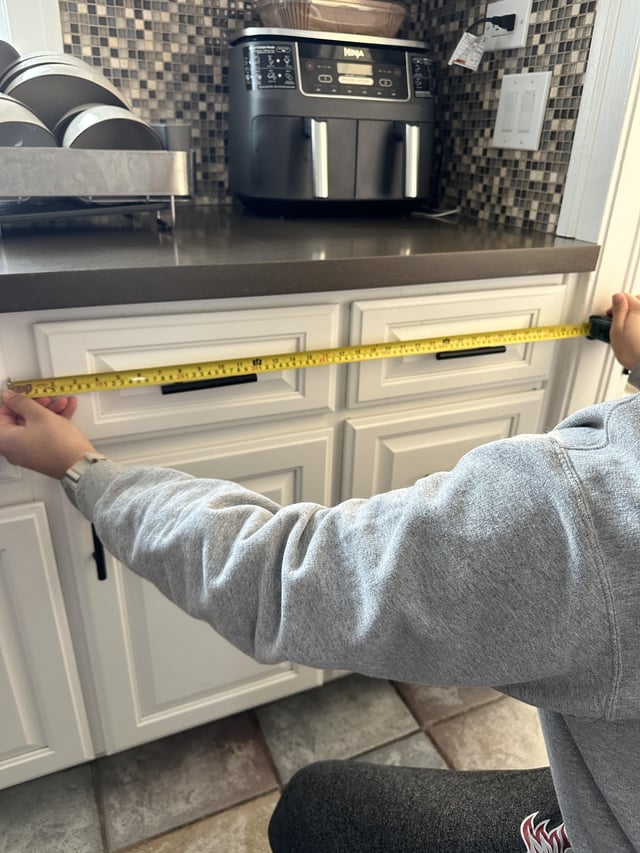
Before installation begins, you need to clear the space under your countertop. Remove any old appliances or cabinets if necessary. It’s also crucial to measure the area to ensure your new dishwasher fits perfectly.
Check that your kitchen has the right plumbing and electrical setup. If you’ve ever tried to fit something that just wouldn’t go in, you know how frustrating a lack of preparation can be. Are you ready to handle minor adjustments if needed?
Connecting Water And Drain Lines
Next, the dishwasher needs to connect to your home’s water supply and drainage system. This involves attaching the water inlet hose to the hot water valve and securing the drain hose to the sink drain or garbage disposal.
Leaks here can cause serious problems, so tight connections are a must. I once saw a dishwasher flood a kitchen because the drain hose wasn’t properly secured—don’t let this happen to you.
Electrical Hookup
Your dishwasher requires a dedicated electrical circuit for safety and proper operation. This step usually means plugging the appliance into a power outlet or hardwiring it to your home’s electrical system.
If you’re not comfortable with electrical work, hiring a professional is wise. Electrical faults can be dangerous and costly to fix later. Have you checked if your kitchen’s electrical setup meets the dishwasher’s requirements?
Testing And Final Adjustments
Once everything is connected, it’s time to test the dishwasher. Run a short cycle to check for leaks, electrical issues, and proper drainage. Pay close attention to any unusual noises or water pooling under the unit.
Adjust the leveling feet to ensure the dishwasher sits flat. A tilted dishwasher can cause inefficient cleaning and water leakage. Are you ready to give your new appliance a thorough test before calling the installation done?
Average Price Estimates
Understanding the average price estimates for dishwasher installation helps plan your budget. Costs vary based on installation type and location. Knowing these factors prepares you for the expense ahead.
Standard Installation Costs
Standard dishwasher installation usually involves connecting water and power lines. It often takes less than two hours to complete. Typical prices range from $150 to $300. This cost covers labor and basic materials needed for installation.
Complex Installations
Complex installations involve extra work like plumbing or electrical upgrades. Moving existing plumbing or adding new outlets raises the price. These jobs can take several hours or more. Costs for complex work often start at $400 and can reach $1,000 or higher.
Cost Variations By Region
Prices change depending on your location. Urban areas generally have higher labor rates than rural places. Some regions have stricter building codes, increasing installation costs. Checking local prices ensures accurate budgeting for your project.
Saving On Installation
Saving money on dishwasher installation is possible with smart choices. Small actions can lower costs without cutting quality. Understanding your options helps you avoid paying too much.
Choosing The Right Dishwasher
Select a dishwasher that fits your kitchen layout and plumbing. Standard models usually cost less to install. Avoid oversized or custom units that need extra work. Simple designs make installation faster and cheaper. Check energy ratings to save on future bills.
Bundling With Other Appliances
Buy multiple kitchen appliances from the same store or brand. Sellers often offer discounts on installation when you bundle items. Scheduling installation for several appliances at once reduces labor costs. Coordinating deliveries also prevents extra fees. Ask about package deals before purchasing.
Seasonal Discounts And Offers
Installations can be cheaper during sales seasons. Look for promotions during holidays or end-of-year clearances. Companies may lower prices to attract customers in slow months. Sign up for newsletters to receive alerts about discounts. Plan your purchase around these times for better deals.

Credit: www.reddit.com
Common Installation Challenges
Installing a dishwasher sounds straightforward, but several challenges can turn it into a tricky task. These hurdles often affect your budget and timeline more than you expect. Recognizing common issues ahead of time helps you prepare and avoid surprises during installation.
Space And Plumbing Limitations
Many kitchens don’t have a ready spot that fits a standard dishwasher. You might find tight spaces or cabinets blocking the perfect placement. Narrow gaps or odd dimensions can mean extra carpentry or custom adjustments.
Plumbing access is another hurdle. Your dishwasher needs a water supply and a drain connection nearby. If pipes are hard to reach or old, expect additional labor and costs to reroute or upgrade them.
Electrical Issues
Dishwashers require a dedicated electrical circuit. If your kitchen lacks this, an electrician must install new wiring. This isn’t just about plugging it in; it’s about safety and following local codes.
Older homes often have outdated electrical panels that can’t support modern appliances. You may face breaker upgrades or even a full panel replacement. Have you checked your kitchen’s electrical capacity recently? It could save you frustration later.
Old Vs New Kitchen Setups
Installing a dishwasher in a new kitchen usually goes smoother since everything is designed with appliances in mind. Older kitchens often weren’t built to accommodate dishwashers easily.
Expect to deal with non-standard cabinet sizes or missing plumbing and electrical lines. Sometimes, you’ll need to remove or modify cabinetry. This can add unexpected costs and time to your project.
Think about whether your kitchen setup supports a dishwasher now or if remodeling parts of it is necessary. What’s your kitchen’s age telling you about the ease of installation?
Maintenance And Warranty
Maintaining your dishwasher after installation helps keep it working well. Proper care can extend its life and prevent costly repairs. Knowing the warranty details protects your investment and guides you on what services are covered. Understanding when to call a professional saves time and avoids damage.
Post-installation Care
Clean the dishwasher filter regularly to avoid clogs. Wipe the door seals to prevent mold buildup. Run the dishwasher empty with vinegar once a month to clear residue. Check and tighten hose connections to stop leaks. Avoid overloading the dishwasher to ensure proper cleaning.
Warranty Coverage
Most dishwashers come with a one-year manufacturer warranty. This usually covers parts and labor for defects. Some brands offer extended warranties for extra years. Read the warranty terms carefully to know what is included. Keep your purchase receipt and warranty card safe for claims.
When To Call A Professional
- Water leaks that you cannot fix yourself
- Unusual noises or vibrations during operation
- Dishwasher not draining or filling properly
- Electrical problems or error codes on the display
- Persistent odors after cleaning attempts
Calling a professional ensures safe and correct repairs. Avoid trying complex fixes if you lack experience. Regular maintenance and timely repairs keep your dishwasher running smoothly.

Credit: www.reddit.com
Frequently Asked Questions
How Much Does Dishwasher Installation Typically Cost?
Dishwasher installation usually costs between $150 and $300. The price depends on labor, plumbing, and electrical work required. Complex installations may increase the cost. Always get multiple quotes for accuracy.
What Factors Affect Dishwasher Installation Prices?
Installation prices depend on dishwasher type, existing plumbing, and electrical setup. Additional modifications, like removing old units, also raise costs. Location and installer rates influence final pricing too.
Can I Install A Dishwasher Myself To Save Money?
DIY installation is possible if you have plumbing and electrical skills. However, professional installation ensures safety and proper function. Incorrect setup can cause leaks or damage, increasing costs later.
Does Dishwasher Installation Include Removal Of Old Appliances?
Some installers include old dishwasher removal in the price, but not all. Confirm this service beforehand to avoid extra fees. Removing and disposing of old units may cost an additional $50 to $100.
Conclusion
Dishwasher installation costs vary depending on several factors. Basic installs usually cost less than complex ones. Plumbing and electrical work can increase the price. Choosing the right professional helps avoid extra fees. Plan your budget to cover all possible expenses.
Investing in proper installation saves time and money later. A well-installed dishwasher works efficiently and lasts longer. Understanding costs helps you make better decisions for your home.