Are you thinking about installing a range hood but unsure how much it will cost? Knowing the price beforehand can save you from surprises and help you plan your kitchen upgrade better.
Whether you want to improve your cooking space or boost your home’s value, understanding the costs involved is key. You’ll discover the factors that affect the price, what to expect for different types of range hoods, and tips to get the best deal.
Keep reading to find out exactly how much you might spend to give your kitchen the upgrade it deserves.
Types Of Range Hoods
Range hoods come in different types like wall-mounted, island, and under-cabinet models. Each type affects the installation cost depending on complexity and kitchen layout. Choosing the right one helps balance price with performance and style.
Choosing the right range hood for your kitchen is more than just a functional decision; it’s about enhancing your cooking space’s efficiency and style. Each type of range hood offers unique benefits and can significantly impact the overall look and feel of your kitchen. But how do you know which one suits your needs best? Let’s dive into the different types of range hoods to help you make an informed choice.Under-cabinet Models
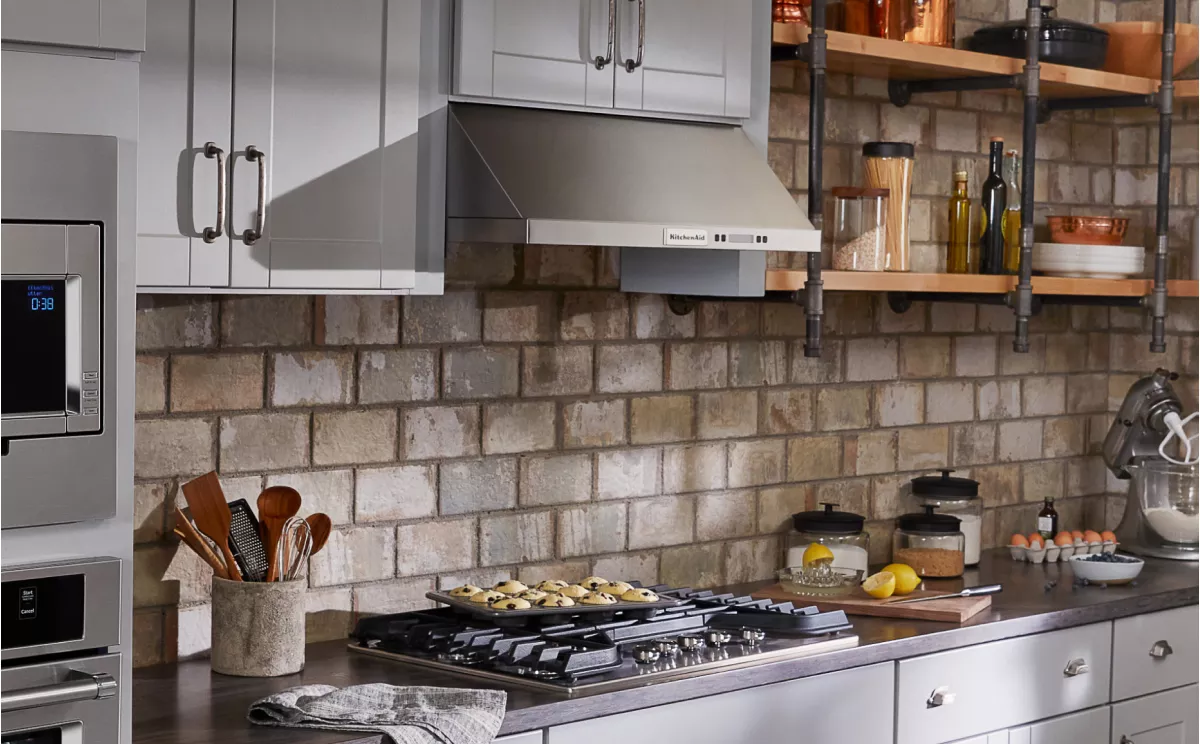
Under-cabinet range hoods are perfect if you want something that seamlessly fits into your existing kitchen design. They are installed underneath your cabinets above the stove, offering a compact solution without compromising on ventilation power. These hoods are ideal for kitchens with limited space, providing efficient smoke and odor removal while maintaining a sleek look.Wall-mounted Hoods
Wall-mounted hoods are the go-to option for kitchens where cabinets do not extend over the cooking area. They attach directly to the wall and often feature a chimney-like design that adds a professional touch to your kitchen. These hoods not only excel in functionality but also serve as a striking focal point, elevating the aesthetic appeal of your cooking space.Island Range Hoods
If your cooktop is located on a kitchen island, an island range hood is your best bet. These hoods hang from the ceiling, ensuring effective ventilation in open kitchen layouts. Island range hoods often have a modern design, making them both a practical and stylish choice for contemporary kitchens. Imagine cooking without worrying about smoke lingering around your living space—sounds ideal, right?Downdraft Ventilation
Downdraft ventilation systems are the hidden gems of the range hood world. They rise from the countertop at the touch of a button and retract when not in use, maintaining a minimalist kitchen design. Although they might not be as powerful as their counterparts, downdraft hoods are perfect for those who prioritize space-saving and a clean, uncluttered look. Would you consider sacrificing a bit of power for a sleek, unobtrusive design? When it comes to choosing the right range hood, consider your cooking habits, kitchen layout, and personal style. Each type offers distinct advantages that can cater to your specific needs. Which one resonates most with your kitchen vision?Factors Affecting Installation Costs
Understanding the factors that affect the cost of installing a range hood can help you plan your budget more effectively. Installation expenses vary widely depending on several key elements related to the hood itself and your kitchen setup. Knowing what influences these costs lets you make smarter choices and avoid unexpected bills.
Size And Power Of The Hood
The size and power of your range hood directly impact installation costs. Larger hoods usually require more labor to mount securely and may need additional support structures. Powerful models with higher extraction rates often need more complex venting systems, which can increase both material and labor expenses.
Have you checked if the hood size fits your cooking habits? Bigger isn’t always better if you don’t cook heavy meals regularly. Choosing the right size can save you money upfront and on energy bills later.
Ductwork Requirements
Ductwork plays a huge role in the overall installation price. If your kitchen already has existing ductwork compatible with the new hood, costs drop significantly. However, installing new ducts or modifying old ones can require cutting through walls or ceilings, which adds time and money.
Think about where the vent will exit your home. Longer or more complicated duct routes increase cost and reduce efficiency. Sometimes, you might need to hire a professional to assess if your current setup can handle the new range hood.
Electrical Work Needed
Range hoods need electrical connections, and the complexity of this work affects your total cost. If your kitchen lacks a nearby power source, running new wiring or installing dedicated circuits will add to labor and material expenses. Upgrading your electrical panel might even be necessary in some cases.
Have you considered the ease of access to your current electrical outlets? Simple plug-in models can save you money, but hardwired units often provide better performance and aesthetics, albeit at a higher installation cost.
Material And Finish Choices
The materials and finishes of the range hood influence both its price and installation cost. Stainless steel hoods are popular but can be heavier, requiring stronger mounting and sometimes specialized hardware. Glass or custom finishes might need careful handling and precise installation, which adds to labor time.
Do you prefer a sleek modern look or something that blends into your kitchen design? Material choice can affect not just style but also long-term maintenance costs. Selecting durable and easy-to-install finishes can reduce headaches down the line.
Typical Price Ranges
Understanding the typical price ranges for installing a range hood helps you plan your kitchen upgrade effectively. Prices vary widely depending on features, materials, and brand reputation. Knowing what fits your budget can save time and avoid surprises during your project.
Budget-friendly Options
Budget-friendly range hoods usually cost between $100 and $300. These models cover the basics like adequate ventilation and simple controls. If your kitchen is small or you cook occasionally, these could be a smart choice.
Keep in mind, installation costs can add $100 to $300 depending on complexity. You might want to check if your existing electrical setup supports the new hood to avoid extra fees.
Mid-range Choices
Mid-range models fall between $300 and $700. They often offer better suction power, quieter operation, and stylish designs. You get more control options, such as variable fan speeds and better lighting.
This price range suits homeowners who cook regularly and want a balance between function and aesthetics. Professional installation might cost slightly more here, as these models sometimes require custom fitting.
High-end Models
High-end range hoods can cost $700 and up, reaching over $2,000 for luxury options. These units feature premium materials, advanced filtration systems, and smart technology integration. Some even have automatic sensors to adjust fan speed based on cooking activity.
If your kitchen is the heart of your home and you spend a lot of time cooking, investing in a high-end model can make a noticeable difference. Are you ready to invest in quality that lasts and performs at the highest level?
Credit: www.kitchenaid.com
Installation Cost Breakdown
Understanding the installation cost breakdown of a range hood helps you plan your budget better. Costs vary based on different factors, and knowing where your money goes can prevent surprises. Let’s dive into the main components that affect the total installation price.
Labor Charges
Labor usually makes up the largest part of your installation cost. Expect to pay anywhere between $100 and $300 per hour depending on where you live and the complexity of the job.
If your kitchen requires extra work like moving electrical wiring or cutting into cabinets, labor costs will rise. I once helped a friend who needed vent relocation, and that alone added several hundred dollars to the bill.
Thinking about doing it yourself? Remember, improper installation can cause safety issues and may void your warranty.
Additional Materials
Besides the range hood itself, you might need extra materials such as ductwork, vent caps, and mounting brackets. These can add $50 to $200 or more to your total cost depending on your kitchen setup.
Sometimes, older homes require upgrades to comply with current building codes, leading to extra expenses. You should ask your installer about potential material needs before work starts.
Have you checked if your current duct size fits the new hood? This small detail can save you money and hassle.
Permits And Inspections
Some local governments require permits for installing range hoods, especially when electrical or ventilation changes are involved. Permit fees typically range from $50 to $150 but can be higher in some areas.
Failing to obtain the necessary permits might cause trouble if you sell your home later or if safety inspections are conducted. It’s wise to ask your installer if they handle permits or if you need to manage this yourself.
Have you considered how much time and effort you want to spend on paperwork? Sometimes paying a little extra to have permits handled professionally is worth it.
Diy Vs Professional Installation
Deciding between a DIY installation and hiring a professional for your range hood affects both your budget and the final outcome. This choice impacts not just the cost but also your safety, the efficiency of the hood, and how it fits into your kitchen. Understanding the benefits and drawbacks of each option helps you make a smarter decision that matches your skills and needs.
Pros And Cons Of Diy
Installing a range hood yourself can save you money on labor costs, which often make up a big part of the total expense. You get the satisfaction of completing the project on your own and can work on your own schedule.
- Pros:
- Lower overall cost by avoiding professional fees
- Flexibility to do the work when convenient
- Learning experience that can help with future home projects
- Cons:
- Risk of improper installation affecting performance or safety
- Possible need to buy or rent specialized tools
- Time-consuming, especially without prior experience
- Electrical and ventilation work may require permits or inspections
I once tried a DIY range hood installation to save money, but I underestimated the complexity of venting it outside. I ended up calling a pro to fix the airflow issues, which added to my cost and stress. That experience taught me that some parts of the job are better left to experts.
When To Hire Experts
Experts bring more than just experience—they ensure your range hood meets safety codes and functions properly. If your installation involves complex wiring, ductwork, or structural changes, professionals can handle these challenges quickly and safely.
- New or unusual venting systems that require precise alignment
- Electrical connections that must follow strict safety standards
- Installing heavy or oversized range hoods that need secure mounting
- When local regulations require professional permits and inspections
Ask yourself: do you feel confident working with electricity and cutting into walls? If the answer is no, hiring a professional will save you from costly mistakes and potential hazards. Investing in expert installation can also preserve your warranty and protect your home’s value.
Credit: www.angi.com
Tips To Save On Installation
Saving money on range hood installation doesn’t mean cutting corners. It means making smart choices that fit your budget and kitchen setup. A few thoughtful adjustments can lower costs without sacrificing quality or style.
Choosing The Right Location
Placing your range hood near existing ventilation or electrical outlets can significantly reduce installation costs. Avoid spots that require extra ductwork or electrical wiring, as these add labor and material expenses.
Think about the layout of your kitchen. Can you position the hood where it’s easy to access power and vent outside? This small decision saves you from paying for complex modifications.
Scheduling During Off-peak Times
Contractors often have busy seasons. Booking your installation during slower months or weekdays can lead to discounted rates or more flexible pricing.
Have you asked your installer about their schedule? Sometimes, simply shifting your timeline by a few weeks can save you a noticeable amount on labor costs.
Bundling With Other Kitchen Upgrades
If you’re planning multiple kitchen updates, combining installations can lower overall expenses. Contractors typically charge less per job when doing several tasks in one visit.
For instance, adding new lighting or cabinets alongside your range hood installation can reduce labor fees. This approach also minimizes disruption to your kitchen routine.
Common Installation Challenges
Installing a range hood might seem straightforward, but you can run into unexpected challenges that affect both the cost and timeline. These obstacles often require extra work or specialized materials, which can quickly add up. Understanding common installation challenges helps you prepare better and avoid surprises during your kitchen upgrade.
Dealing With Limited Space
Small kitchens or tight spaces can make installing a range hood tricky. You might find that standard models don’t fit well, forcing you to choose custom or smaller units. This often means extra costs and time spent measuring and adjusting.
Have you checked if your kitchen layout allows room for the vent and hood without crowding other appliances? Sometimes, moving cabinets or adjusting countertops becomes necessary, which can increase your budget.
Handling Complex Venting
Venting is a major part of range hood installation, but it’s not always simple. If your kitchen isn’t close to an exterior wall or roof, running ductwork can be complicated. You might need longer ducts or special bends, which add to the cost and require professional skill.
Improper venting can reduce your hood’s effectiveness or cause issues like moisture buildup. Do you know where your vent will exit the house? Planning this early can save you headaches and money down the road.
Addressing Electrical Issues
Range hoods need proper electrical connections, and older homes might not have the right wiring nearby. You may need to hire an electrician to install new circuits or outlets, which adds to your overall cost. Sometimes, this work is more involved than the hood installation itself.
Have you inspected your kitchen’s electrical setup before buying a hood? Ensuring the power supply matches the hood’s requirements can prevent delays and extra expenses.

Credit: www.youtube.com
Frequently Asked Questions
How Much Does Range Hood Installation Typically Cost?
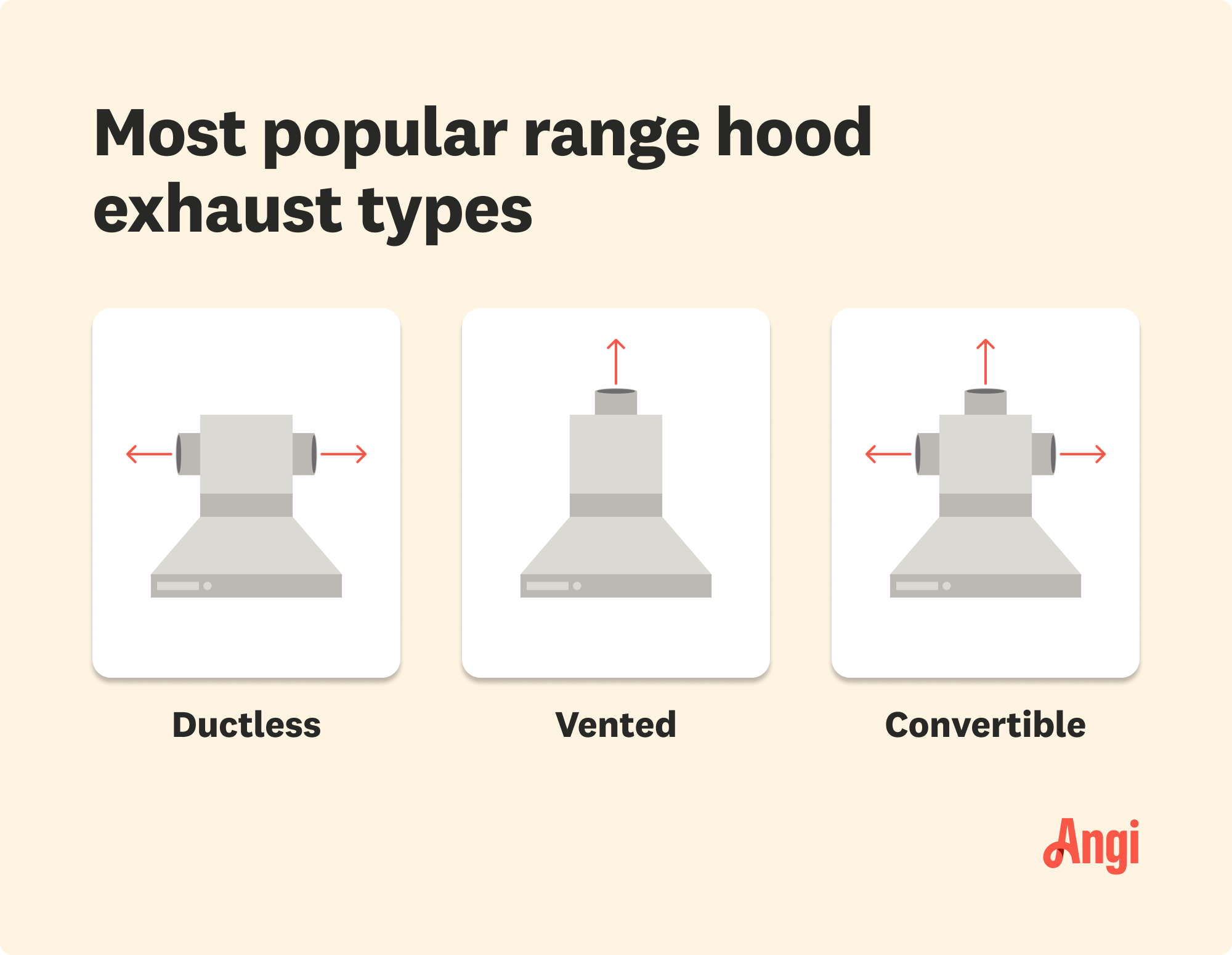
Range hood installation usually costs between $200 and $1,000. The price depends on hood type, labor, and complexity. Ducted hoods cost more than ductless ones due to ventilation work. Professional installation ensures safety and efficiency, making the investment worthwhile.
What Factors Affect Range Hood Installation Cost?
Installation cost varies by hood size, style, and venting method. Ducted hoods require more labor and materials, increasing costs. Kitchen layout and existing electrical or ductwork also impact pricing. Hiring licensed professionals adds to expenses but ensures proper installation.
Is Diy Range Hood Installation Cost-effective?
DIY installation can save money but requires skills and tools. Incorrect installation risks poor ventilation and safety hazards. Complex ductwork or electrical connections are best handled by experts. Weigh savings against potential risks before attempting DIY installation.
How Long Does Range Hood Installation Take?
Professional installation typically takes 2 to 4 hours. Time depends on hood type, venting complexity, and kitchen layout. Simple ductless models install faster than ducted hoods requiring vent routing. Scheduling a professional ensures timely and efficient installation.
Conclusion
Installing a range hood costs can vary based on size and style. Basic models are cheaper, while high-end ones cost more. Labor and installation add to the price. Choosing the right hood helps improve kitchen air quality. Proper installation ensures better performance and safety.
Plan your budget before starting the project. This helps avoid surprises and keeps costs clear. Remember, a good range hood makes cooking more comfortable. It also protects your kitchen from smoke and odors. Consider all factors to find the best fit for your home.