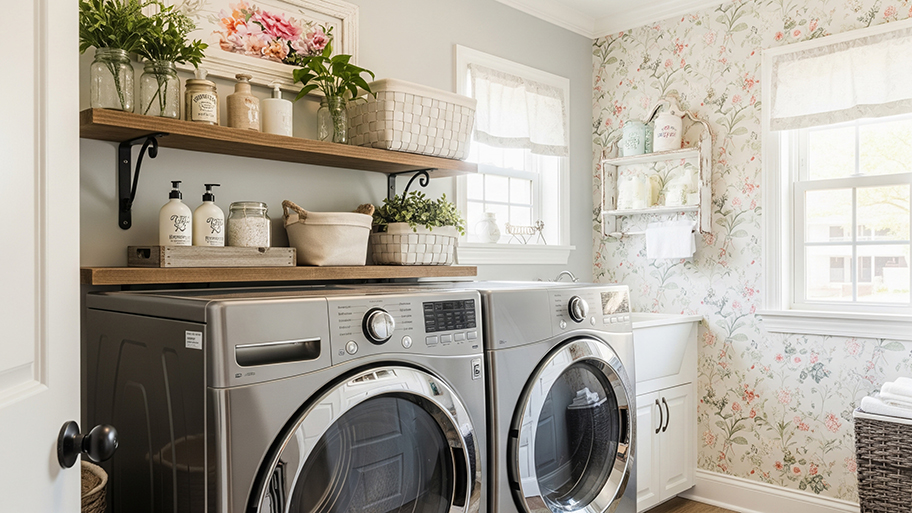
Are you thinking about installing a washer and dryer but wondering how much it will cost? You’re not alone.
Many people want to enjoy the convenience of laundry at home but hesitate because of unclear expenses. Knowing the true cost can help you plan better and avoid surprises. You’ll discover the key factors that affect installation costs and how to get the best value for your money.
Keep reading to find out exactly what you need to budget for your new laundry setup.
Washer And Dryer Types
Choosing the right washer and dryer affects installation cost and space. Different types offer unique features and needs.
Understanding washer and dryer types helps you decide what fits your home and budget.
Top-load Vs Front-load Washers
Top-load washers fill from the top with an agitator inside. Front-load washers load from the front and use a tumbling action.
- Top-load washers usually cost less to install.
- Front-load washers use less water and energy.
- Front-load washers are gentler on clothes.
- Top-load washers may require more space above.
- Front-load washers can stack with dryers to save space.
Electric Vs Gas Dryers
Electric dryers run on electricity and need a 240-volt outlet. Gas dryers use natural gas or propane and need proper venting.
| Dryer Type | Installation Cost | Energy Source | Vent Needed |
|---|---|---|---|
| Electric Dryer | Lower | Electricity | Yes |
| Gas Dryer | Higher | Natural Gas/Propane | Yes |
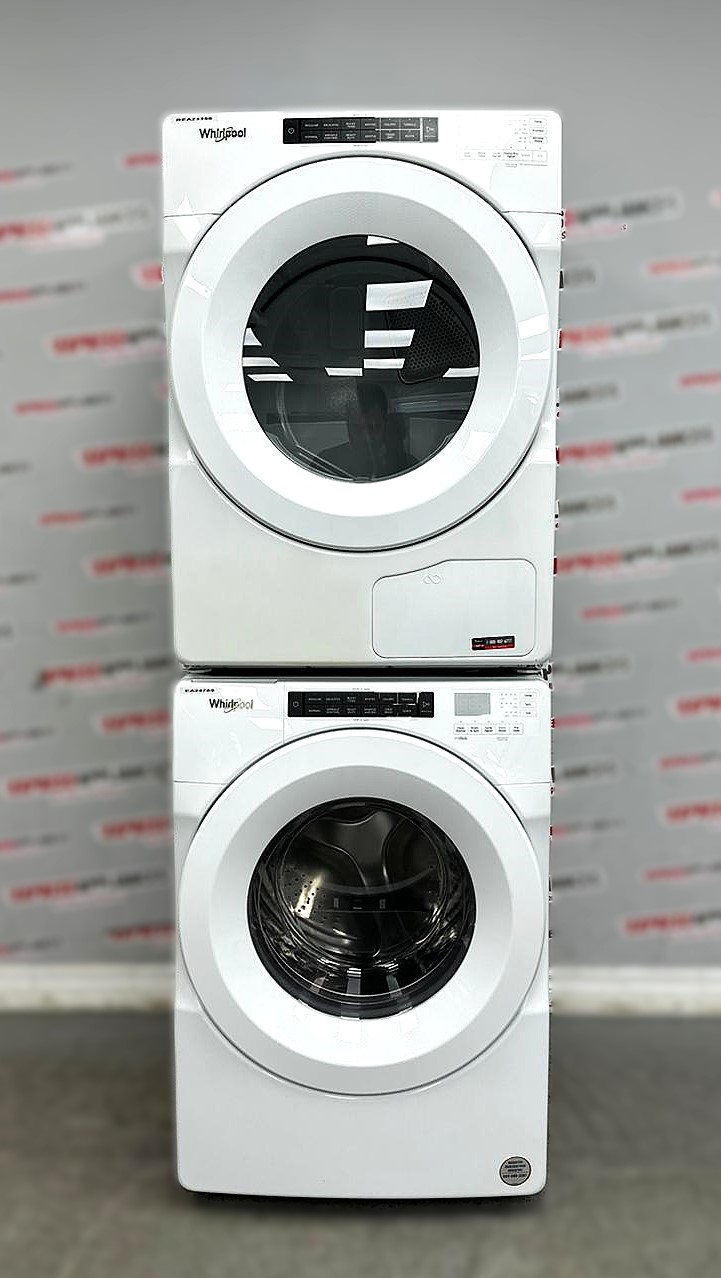
Stackable Units
Stackable units combine a washer and dryer vertically. They save floor space in small homes or apartments.
Benefits of Stackable Units:
- Saves space by stacking appliances
- Easy to install with compatible models
- May cost more for installation due to height
- Good for closets or small laundry rooms
Installation Cost Factors
The cost to install a washer and dryer depends on several factors. These can change the total price a lot.
Knowing these factors helps you plan your budget better. It also avoids surprises during installation.
Labor Charges
Labor charges cover the work done by professionals to install your washer and dryer. Rates vary by location and skill level.
Installing a washer and dryer usually takes 2 to 4 hours. Some jobs take longer if the setup is complex.
- Hourly labor rates range from $50 to $100
- Flat fees may apply for standard installations
- Extra time adds to the labor cost
Permits And Inspections
Some areas need permits before installing laundry appliances. This ensures the work meets safety rules.
Inspection fees may also apply after installation. This confirms the job was done right and safely.
- Permit costs vary by city or county
- Inspection fees usually range from $50 to $150
- Skipping permits can cause fines or problems later
Additional Plumbing Or Electrical Work
Extra plumbing or electrical work can increase installation costs. New connections or upgrades may be needed.
Older homes may require changes to meet current codes. This includes adding outlets or water lines.
- Installing new water lines costs $150 to $500
- Electrical upgrades may cost $200 to $800
- Drainage work can add to the price
Average Installation Costs
Installing a washer and dryer is a common home upgrade. Costs vary depending on the setup and location.
This guide breaks down the average prices you can expect for different installation types.
Basic Installation Prices
Basic installation covers connecting the washer and dryer to existing hookups. This is the simplest and least expensive option.
- Washer hookup connection: $100 to $150
- Dryer hookup connection (electric): $100 to $150
- Dryer hookup connection (gas): $150 to $250
- Testing and ensuring proper function
Complex Setup Costs
Complex setups include adding new plumbing, venting, or electrical work. These increase the total cost.
| Service | Estimated Cost |
| New water line installation | $200 – $400 |
| Electrical outlet upgrade | $150 – $300 |
| Gas line installation | $300 – $600 |
| Dryer vent installation | $100 – $250 |
Cost Variations By Region
Installation costs vary by region due to labor rates and material prices. Urban areas tend to be more expensive.
- West Coast: Higher labor costs raise prices
- Midwest: Moderate prices with steady demand
- South: Lower installation fees but varying quality
- Northeast: Higher costs for materials and permits
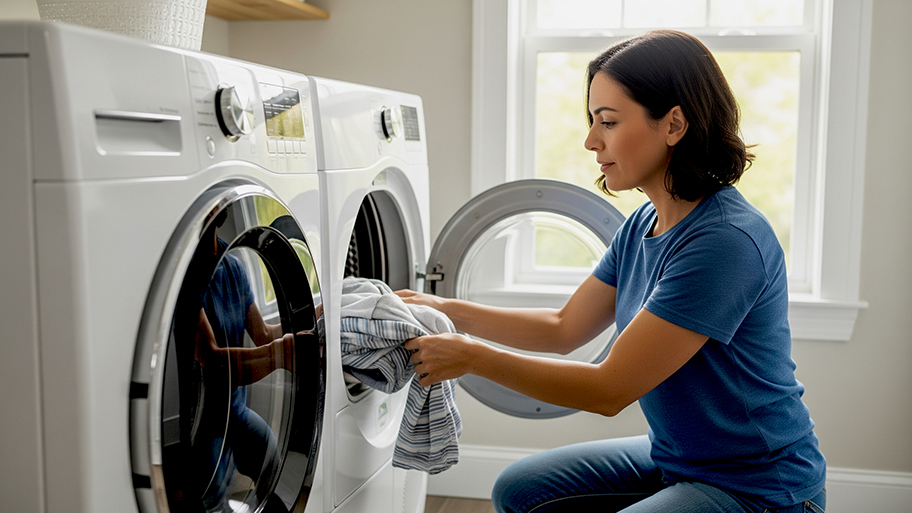
Credit: www.angi.com
Diy Installation Pros And Cons
Installing a washer and dryer yourself can save money. It requires some skills and tools.
Knowing the pros and cons helps decide if DIY is right for you.
Potential Savings
Doing the installation yourself can cut costs a lot. You avoid paying for labor.
- You save on plumber and electrician fees.
- Buying tools once can be cheaper than hiring pros.
- You can install at your own pace without scheduling delays.
Common Challenges
DIY installation has some hard parts. Knowing these helps prepare you.
| Challenge | Description |
| Plumbing | Connecting water lines can leak if done wrong. |
| Electrical | Wrong wiring can cause shorts or damage. |
| Space fitting | Washer and dryer must fit tight spaces carefully. |
| Tools | Special tools may be needed for some parts. |
Safety Considerations
Safety is key in DIY projects. Washer and dryer installation has risks.
- Turn off power and water before starting.
- Use proper tools to avoid injury.
- Follow manufacturer instructions carefully.
- Check all connections for leaks or faults before use.
Hiring Professionals
Installing a washer and dryer can be tricky. Many people hire professionals to do the job safely and correctly.
Professional installers save time and reduce the risk of damage to your appliances or home.
Finding Qualified Installers
Look for installers with experience in laundry appliance setup. Check their reviews and ask for references.
Verify they have proper licenses and insurance to protect you from accidents or damages.
- Search local business directories or trusted websites
- Ask friends or family for recommendations
- Confirm credentials and certifications
What To Expect During Installation
Installers will check your laundry area to ensure proper hookups for water, power, and ventilation.
They will connect the washer and dryer, test them, and clean up any debris after the job.
- Review your space and appliance requirements
- Connect water supply and drainage for the washer
- Set up electrical or gas connections for the dryer
- Test both machines to ensure proper function
- Remove packaging and clean the area
Warranty And Service Benefits
Professional installation often includes warranty coverage on the service and parts used.
This coverage protects you if problems occur soon after installation. It also ensures expert service.
- Installation warranty covers labor and parts
- Access to professional repair services
- Helps maintain appliance warranty from manufacturers
- Reduces risk of voided warranty due to improper setup
Cost-saving Tips
Installing a washer and dryer can be costly. Smart planning helps cut expenses. Here are some tips to save money.
Consider purchasing and setting up your appliances wisely. Use discounts and pick efficient models to save more.
Bundling Appliance Purchase And Installation
Buying a washer and dryer together can save money. Many stores offer deals when you buy both at once.
- Look for bundle deals at appliance stores
- Ask about free installation offers
- Compare prices online and in-store
Seasonal Discounts
Stores often have sales during certain times of the year. These sales can make appliances cheaper.
| Season | Typical Discounts |
| Black Friday | Up to 50% |
| End of Year | 30% – 40% |
| Spring Clearance | 20% – 30% |
Energy-efficient Models
Energy-efficient washers and dryers cost less to run. They save money on utility bills over time.
Additional Expenses To Consider
Installing a washer and dryer is more than just buying the appliances. There are other costs you might face during the installation process.
Understanding these additional expenses can help you prepare your budget effectively.
Upgrading Electrical Panels
Sometimes, your current electrical panel cannot handle the load of new appliances. Upgrading the panel might be necessary.
- Check if your panel supports the required voltage.
- Consult an electrician for safety compliance.
- Budget for labor and materials.
Ventilation Requirements
Proper ventilation is crucial to prevent moisture buildup. This can lead to mold or damage to your home.
| Expense | Cost Range |
| Vent Installation | $100 – $300 |
| Material Costs | $50 – $150 |
Removing Old Appliances
Getting rid of old appliances is often overlooked. You might need to pay for removal services.

Credit: www.familyhandyman.com
Credit: expressappliances.ca
Frequently Asked Questions
How Much Does Washer And Dryer Installation Cost?
The average cost to install a washer and dryer ranges from $200 to $500. This includes labor and basic hookups. Complex installations may cost more due to electrical or plumbing work.
Are There Extra Fees For Dryer Vent Installation?
Yes, dryer vent installation can add $100 to $300 to your total cost. Proper venting ensures safety and efficient drying.
Can I Install A Washer And Dryer Myself?
DIY installation is possible if you have plumbing and electrical skills. However, professional installation is recommended for safety and warranty reasons.
How Long Does Washer And Dryer Installation Take?
Installation usually takes 1 to 3 hours depending on complexity. Time varies with existing hookups and any additional work required.
Conclusion
Installing a washer and dryer costs vary by location and setup needs. Basic installation is affordable, but extra work raises the price. Choosing the right professional helps avoid costly mistakes. Planning your budget ahead keeps surprises away. Quality installation saves time and money later.
Easy steps lead to a smooth laundry upgrade. Consider your space and power needs carefully. Now, you have a clear idea of installation costs. Ready to make your laundry chores easier?