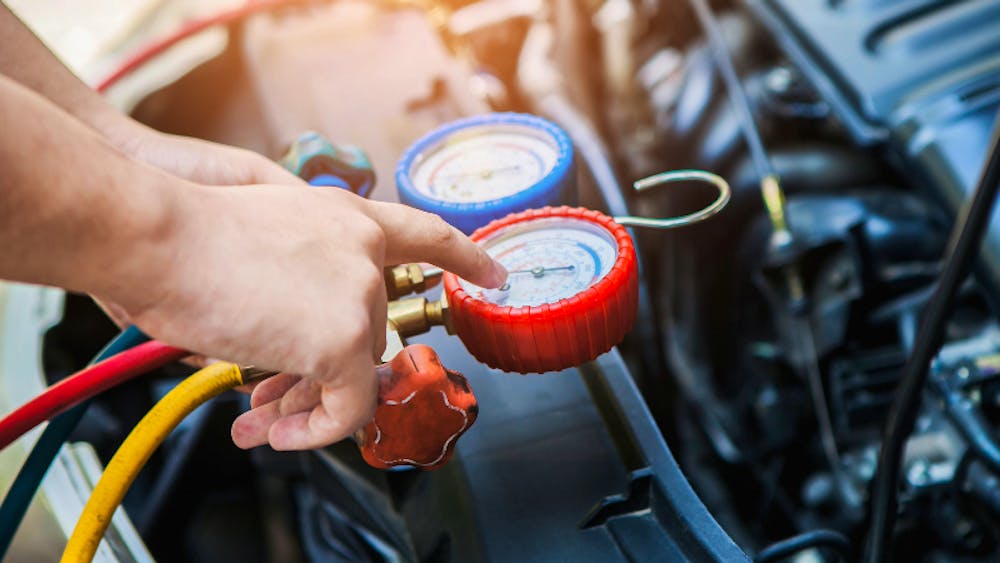
Wondering how much it costs to recharge your air conditioner? You’re not alone.
When your AC starts losing its cool, the idea of recharging it can feel confusing—and you might worry about unexpected expenses. But knowing the real cost ahead of time can save you stress and help you make smarter choices for your home and budget.
You’ll discover what affects the price, when you actually need a recharge, and how to avoid common pitfalls. Keep reading to get the clear answers you need to keep your home comfortable without breaking the bank.
Factors Affecting Ac Recharge Cost
The type of refrigerantused affects the cost. Older refrigerants like R22 are more expensive to recharge due to scarcity. Newer types like R410A are usually cheaper and more eco-friendly.
The size of the AC unitmatters too. Bigger units need more refrigerant and take longer to service. This raises the overall price.
Labor chargesdepend on the technician’s experience and location. Some places have higher service costs. Complex jobs take more time, increasing labor fees.
Additional repairsmay be needed if leaks or damaged parts are found. Fixing these issues adds to the recharge cost. It is important to check the system thoroughly before recharge.

Credit: www.angi.com
Average Price Range
The average priceto recharge an air conditioner depends on its type. Residential AC units usually cost less to recharge than commercial ones.
| Type of AC | Cost Range (USD) | Details |
|---|---|---|
| Residential AC | $100 – $250 | Includes refrigerant refill and basic service |
| Commercial AC | $200 – $500 | Higher capacity units need more refrigerant |
Prices vary by location and AC size. Some companies may charge extra for leaks or parts. Regular maintenance can lower overall costs.
Signs Your Ac Needs Recharging
Reduced cooling efficiencyis a clear sign your AC needs recharging. The air might not feel as cold as before. This happens because the refrigerant level is low. The AC works harder but cools less.
Unusual noisescan also mean trouble. Strange sounds like hissing or bubbling may come from the unit. These noises often point to a leak or low refrigerant.
Ice formation on coilsis another warning. Ice or frost on the coils stops the AC from working well. It can cause damage if ignored. Low refrigerant causes the coils to freeze.

Credit: atlasacrepair.com
Diy Vs Professional Recharge
Doing an air conditioner rechargeyourself can save money but brings many risks. Incorrect handling of refrigerant may cause leaks or damage. The tools needed are often expensive and hard to use. Risk of personal injury is high due to pressure and chemicals. Mistakes can lead to poorer coolingor system failure, increasing long-term costs. Also, some refrigerants require special licenses to handle legally.
Hiring a professionalensures the job is done safely and correctly. Experts have the right tools and knowledge to find leaks and fix them. They use proper refrigerants and follow local laws. Professionals often offer warranties and guarantee their work. This reduces the chance of future problems and saves money on repairs. Plus, they can give advice on system care and maintenance.
Tips To Reduce Recharge Frequency
Regular maintenancekeeps your air conditioner running smoothly. Clean filters often to avoid dust buildup. Check coils for dirt and clean them yearly. This helps the system cool better and saves energy.
Leak detectionis important to avoid frequent recharges. Look for oily spots or low cooling performance. Fix leaks quickly to keep refrigerant levels stable. This stops damage and saves money.
- Proper usage habitsreduce stress on the AC.
- Set the thermostat at a comfortable, steady temperature.
- Close doors and windows to keep cool air inside.
- Use fans to help spread the cool air.
- Avoid running the AC when no one is home.
Credit: homeguide.com
Environmental Impact And Regulations
Refrigerantsin air conditioners affect the environment. Some types cause global warming. Older refrigerants, like R-22, harm the ozone layer. Newer ones, such as R-410A, are less harmful but still impact climate change. Using the right refrigerant helps reduce pollution.
Strict legal rulescontrol refrigerant handling. Only licensed technicians can recharge ACs. These rules stop refrigerant leaks that hurt the environment. Proper disposal and recycling are a must. Breaking these laws can lead to fines or penalties.
| Refrigerant Type | Environmental Impact | Legal Requirement |
|---|---|---|
| R-22 | Ozone depletion, high global warming potential | Banned in many countries, phased out |
| R-410A | No ozone depletion, moderate global warming potential | Allowed with handling regulations |
| R-32 | Low global warming potential | Preferred under new laws |
Frequently Asked Questions
How Much Does It Cost To Recharge An Air Conditioner?
The cost to recharge an air conditioner typically ranges from $100 to $300. Prices depend on the refrigerant type and AC size. Labor charges and location also affect the total cost. Regular maintenance may reduce the need for frequent recharges.
How Often Should You Recharge Your Air Conditioner?
Most air conditioners need recharging every 2 to 3 years. However, leaks or poor performance may require more frequent recharges. Regular inspections help detect refrigerant loss early, ensuring efficient cooling and preventing costly repairs.
What Factors Affect Air Conditioner Recharge Cost?
Recharge cost varies based on refrigerant type, AC unit size, and labor rates. Location and service provider pricing also impact costs. Additionally, detecting and fixing leaks may increase the overall expense of recharging your air conditioner.
Can I Recharge My Air Conditioner Myself?
DIY air conditioner recharging is possible but not recommended. Handling refrigerants requires special tools and certification. Improper recharging can damage the AC and pose safety risks. Hiring a certified technician ensures proper and safe service.
Conclusion
Knowing the cost to recharge your air conditioner helps you plan repairs better. Prices can vary based on the type of refrigerant and service needed. Regular maintenance keeps your AC running smoothly and saves money long-term. Don’t wait for your AC to stop cooling before checking its condition.
Small fixes now can prevent bigger, costly problems later. Stay comfortable and avoid surprises by understanding these costs. Keep your home cool without breaking the bank. Simple steps lead to efficient cooling and peace of mind.