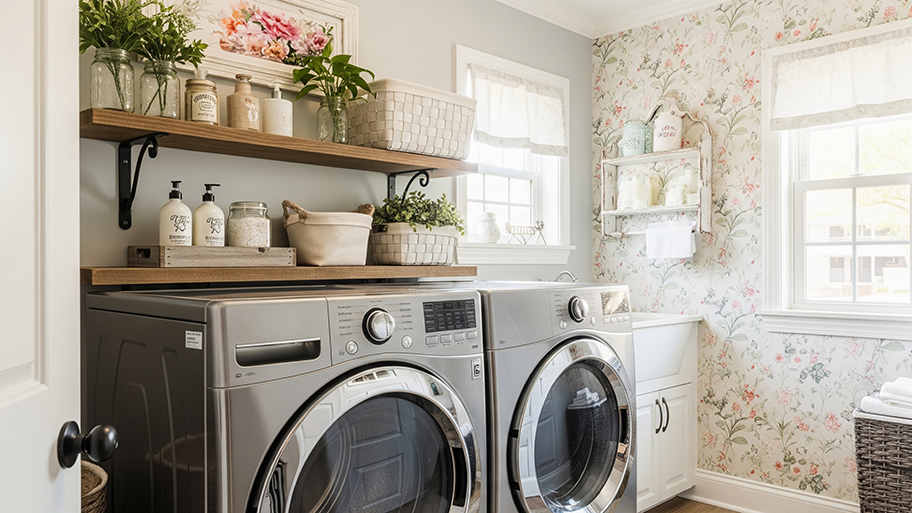
Thinking about moving your washer and dryer to a new spot in your home? You’re probably wondering, “How much is this going to cost me?” Moving these heavy appliances isn’t as simple as unplugging and plugging them back in.
There are many factors that can affect the price, from the distance you need to move them to the type of hookups required. You’ll discover the real costs behind relocating your washer and dryer, so you can plan your budget without any surprises.
Keep reading to find out what you need to know before making this important move.
Factors Affecting Relocation Cost
Moving a washer and dryer involves various costs. These costs depend on several key factors.
Understanding these factors helps you prepare for the expenses and avoid surprises.
Distance Between Locations
The farther the new location, the higher the cost. Moving equipment over long distances takes more time and fuel.
Short moves inside the same building or neighborhood cost less than moves across cities or states.
Type Of Washer And Dryer
Different types of washers and dryers have varied moving needs. Front-load machines weigh more and need careful handling.
- Top-load washers are usually lighter and easier to move.
- Stacked washer and dryer units require more effort.
- Gas dryers need special disconnection and reconnection steps.
Complexity Of Installation
Installing the machines at the new place can add to the cost. Complex plumbing or electrical work raises expenses.
| Installation Task | Cost Impact |
|---|---|
| Simple hookup | Low |
| Gas line installation | High |
| Electrical upgrades | Medium to High |
| Custom drainage setup | Medium |
Labor Charges
Labor fees depend on the mover’s rates and the time needed. Skilled movers may charge more but reduce risk of damage.
- Hourly rate versus flat fee
- Number of movers involved
- Time of day or weekend work
Additional Services
Extra services add to the total cost. These include packing, special equipment use, or disposal of old machines.
- Packing and unpacking appliances
- Using appliance dollies or lifts
- Disconnection and disposal of old units
- Storage before or after move
Typical Cost Breakdown
Moving a washer and dryer costs money. You need to pay for several parts of the job. These include taking the appliances apart, moving them, and setting them up again.
Each part has its own price. Knowing these costs helps you plan your budget better. Here is a breakdown of typical costs involved in relocating a washer and dryer.
Disconnection And Removal Fees
Before moving, the washer and dryer must be disconnected from power and water. Experts handle this to avoid damage or leaks. Removing the appliances safely is also part of this fee.
Charges depend on the complexity of the setup. More connections or tight spaces may increase costs.
- Disconnecting water hoses and power cords
- Draining water from the washer
- Careful removal to avoid damage
Transportation Expenses
Moving the washer and dryer to the new location costs money. The distance between places is a big factor. Longer distances mean higher transportation fees.
Special trucks or equipment might be needed. This can raise the price too.
- Cost varies by distance
- Use of moving trucks or vans
- Extra care for heavy appliances
Reinstallation Charges
Once at the new spot, the washer and dryer must be reconnected. This includes hooking up water, power, and ventilation. Professionals ensure everything works right.
Sometimes, extra work is needed to fit the appliances in new spaces. This can add to the cost.
- Connecting water and power lines
- Testing the appliances for leaks or faults
- Adjusting for new space or hookups
Material And Equipment Costs
Moving may require new parts or tools. These include hoses, connectors, or vents. Using proper equipment protects your appliances during the move.
Costs depend on what materials are needed and their quality.
- New water hoses or connectors
- Power cords or adapters
- Protective padding or straps
Diy Vs Professional Movers
Moving your washer and dryer needs careful planning. You can do it yourself or hire professionals.
Each option has costs and risks. Knowing the differences helps you choose the best way.
Pros And Cons Of Diy Relocation
Doing the move yourself saves money but can be hard. You must disconnect, lift, and protect the appliances.
There is a risk of damage or injury if you are not careful. You also need the right tools and a vehicle.
- Pros: Saves money, flexible schedule, control over the process
- Cons: Risk of damage, requires physical effort, need special tools
When To Hire Professionals
Hire movers if you lack experience or tools. Professionals know how to handle heavy appliances safely.
They also reduce the chance of damage and can disconnect and reconnect the appliances for you.
- Appliance is heavy or bulky
- No proper vehicle or moving equipment
- You want to avoid damage or injury
- Need quick and stress-free move
Cost Comparison
DIY moves mostly cost the price of renting a truck and buying supplies. It can be $50 to $150.
Professional movers charge from $100 to $400 or more. Price depends on distance and services included.
| Cost Type | DIY | Professional Movers |
|---|---|---|
| Truck Rental | $40 – $100 | Included |
| Moving Supplies | $10 – $50 | Included |
| Labor | Your effort | $100 – $300 |
| Total Estimated Cost | $50 – $150 | $100 – $400+ |

Credit: www.angi.com
Additional Expenses To Consider
Moving a washer and dryer involves more than just physical labor. You must plan for extra costs that can add up quickly. These expenses depend on your home’s setup and local rules.
Knowing these costs helps you budget better and avoid surprises during your move.
Permits And Regulations
Some cities require permits to relocate appliances. These rules protect your home and ensure safe installation. Permits may cost between $50 and $200.
- Check with your local building department before moving.
- Apply for necessary permits early to avoid delays.
- Follow local codes to pass inspections.
Upgrading Electrical Or Plumbing
You might need to upgrade your home’s electrical or plumbing systems. Older homes often lack the proper wiring or pipes for modern washers and dryers. These upgrades can cost more than the move itself.
| Upgrade Type | Typical Cost Range | Notes |
|---|---|---|
| Electrical Outlet Installation | $100 – $300 | Includes new wiring and outlet for dryer |
| Plumbing Hookups | $150 – $400 | New water lines or drainage for washer |
| Vent Installation | $100 – $250 | Dryer vent to outside wall |
Disposal Of Old Appliances
Removing your old washer and dryer can add to your costs. Some companies charge fees for hauling away appliances. You may also find local recycling programs that accept old machines for free or a small fee.
- Check if your moving service offers appliance removal.
- Contact local recycling centers for disposal options.
- Prepare old appliances for pickup by cleaning and disconnecting them.
Tips To Save On Relocation
Moving a washer and dryer can cost more than you expect. Knowing how to save money helps keep your budget low. Simple planning and preparation can cut costs.
Use these tips to reduce the price of moving your appliances. They make the process easier and cheaper.
Scheduling Wisely
Pick a moving date during less busy times. Moving companies charge less in the middle of the week or during off-season months. Avoid weekends and holidays to save money.
Book your move early to get better rates. Last-minute bookings often cost more. Planning ahead helps you find good deals.
Bundling Services
Combine moving your washer and dryer with other services. Many movers offer discounts when you bundle packing, loading, and transport. This reduces the total cost.
Ask the moving company about package deals. Bundling helps you save compared to paying for each service separately.
- Packing and moving appliances together
- Including unpacking services
- Using storage options if needed
Preparing Appliances Properly
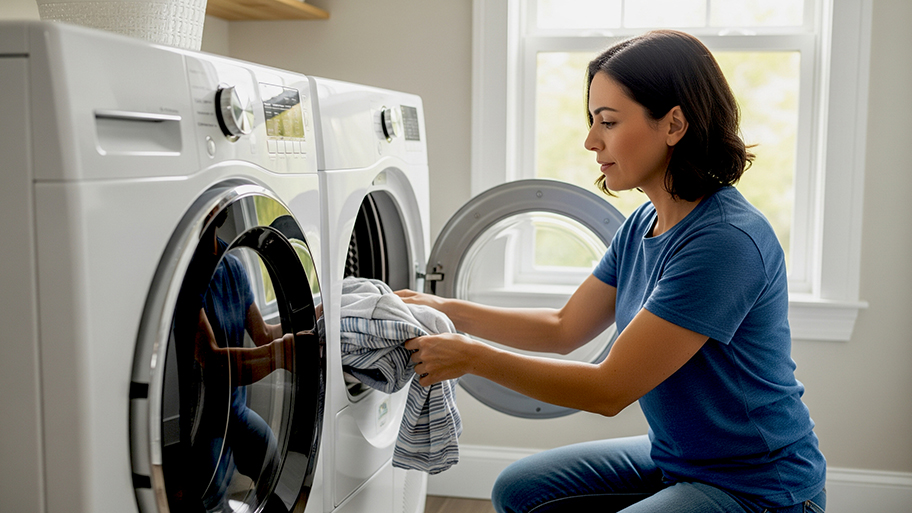
Prepare your washer and dryer before the move. Clean and dry them to avoid damage. Disconnect hoses and cords carefully. Proper preparation saves time for movers and lowers costs.
Check the user manual for specific steps. Proper preparation may also prevent extra fees for repairs or delays.
- Empty the washer and dryer completely
- Disconnect water and power supply
- Secure doors and parts to prevent movement
Credit: www.angi.com
Common Challenges During Relocation
Relocating a washer and dryer involves several challenges. Understanding these can help make the move easier and safer.
From handling heavy equipment to avoiding water damage, each step needs careful attention. Let’s explore these challenges.
Handling Heavy Equipment
Washers and dryers are heavy, making them difficult to move. Use proper tools and techniques to prevent injuries.
- Use a dolly for easier movement
- Secure equipment with straps
- Get help from a friend or professional
Avoiding Water Damage
Water damage can occur if the machines are not properly drained. Ensure all water lines are disconnected safely.
Check connections before moving the washer to avoid leaks.
Ensuring Proper Hookups
Hooking up the washer and dryer correctly is crucial. This prevents leaks and ensures efficient operation.
| Hookup Type | Importance |
| Water Line | Prevents leaks |
| Power Connection | Ensures operation |
| Ventilation | Prevents overheating |

Credit: www.angi.com
Frequently Asked Questions
How Much Does Washer And Dryer Relocation Cost?
Relocating a washer and dryer typically costs between $100 and $300. The price depends on distance, complexity, and labor fees. Additional plumbing or electrical work may increase the cost. Always get a detailed estimate before hiring professionals.
What Factors Affect Washer And Dryer Moving Prices?
Moving costs vary based on distance, appliance size, and installation complexity. Extra plumbing or electrical adjustments raise the price. Labor rates and regional demand also influence costs. Understanding these factors helps budget accurately for your move.
Can I Relocate Washer And Dryer Myself?
Yes, but it requires proper tools and knowledge. Disconnect water, power, and venting carefully. Improper handling risks damage or leaks. Hiring professionals ensures safety and correct installation, especially if plumbing or electrical work is needed.
Does Relocating Washer And Dryer Include Installation?
Most professional services include disconnection, moving, and reinstallation. Installation may involve reconnecting water lines, drain hoses, and electrical outlets. Confirm service details beforehand to avoid extra charges. Proper installation ensures appliance safety and functionality.
Conclusion
Relocating a washer and dryer costs depend on several key factors. The distance, labor, and any plumbing or electrical work affect the price. Planning ahead helps avoid extra fees and surprises. Doing some research can save money and stress. Choose a reliable mover or professional for the best results.
Knowing the costs lets you budget better and stay prepared. Moving your laundry setup is easier with the right information. Take your time and make smart choices for a smooth move.