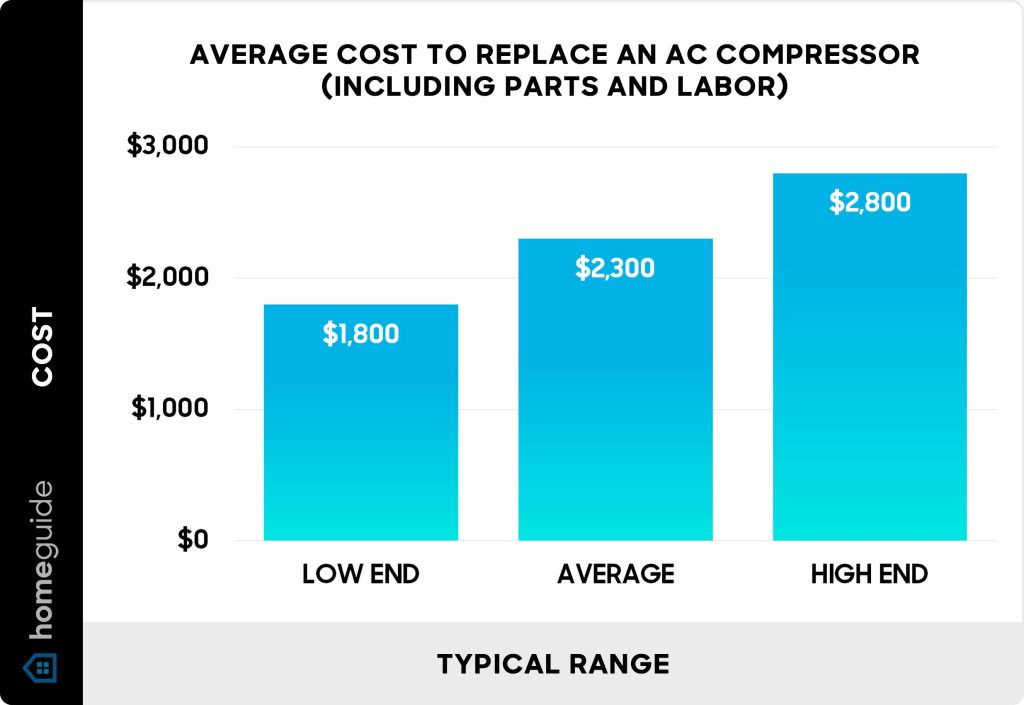
Thinking about replacing your air conditioner? You’re probably wondering, “How much is this going to cost me?” It’s a question that can feel overwhelming, especially when you want to stay cool without breaking the bank.
Knowing the right price range can help you make smart choices and avoid surprises. You’ll discover the real costs involved, what affects the price, and how to get the best value for your money. Keep reading to take control of your comfort and budget today.
Credit: homeguide.com
Factors Influencing Ac Replacement Cost
Replacing an air conditioner costs different amounts. Many things change the final price. Knowing these helps you plan your budget well.
Each factor affects the cost in its own way. Understanding these can guide you in choosing the right AC unit.
Unit Size And Capacity
The size of the AC unit matters. Bigger rooms need bigger units. Larger units cost more to buy and install.
Capacity is measured in tons or BTUs. Higher capacity means higher price but better cooling for big spaces.
- Small units suit small rooms
- Large units fit big homes or offices
- Choose the right size to save money
Energy Efficiency Ratings
Energy efficiency affects the cost and savings. Higher efficiency units use less power. They usually cost more upfront.
Look for SEER ratings. Higher SEER means better efficiency and lower electricity bills.
- Low SEER units cost less but use more energy
- High SEER units save money over time
- Energy-efficient models may qualify for rebates
Brand And Model Variations
Different brands have different prices. Well-known brands often charge more. They may offer better warranties.
Models vary by features and technology. Advanced models cost more but offer extra comfort and control.
- Popular brands tend to be pricier
- Basic models are cheaper but simpler
- High-end models include smart features
Installation Complexity
Installation cost depends on job difficulty. Easy installs cost less. Complex setups take more time and tools.
Older homes may need extra work. Adding ducts or electrical upgrades raises the price.
- Simple replacements cost less
- New ductwork adds to the cost
- Electrical upgrades increase price
Additional Components And Accessories
Extra parts add to the total cost. Accessories like thermostats and filters vary in price. They improve system performance.
Some installations need new wiring or insulation. These add more to the bill but help the AC run better.
- Programmable thermostats cost more
- High-quality filters improve air quality
- New wiring or insulation adds to cost
Average Price Ranges For Ac Replacement
Replacing an air conditioner can vary widely in cost. The price depends on the type of system and other factors.
Knowing the average price ranges helps you budget for a new air conditioner. This guide covers common AC types and regional cost differences.
Central Air Conditioner Costs
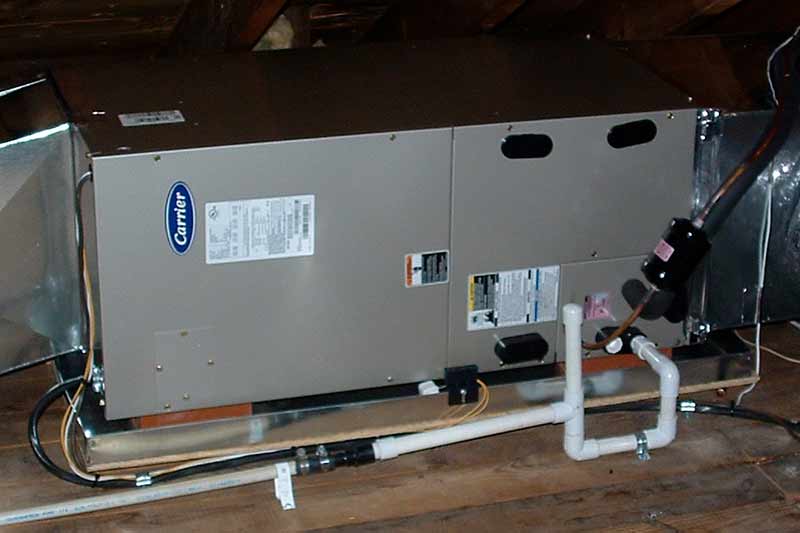
Central air conditioners are common in many homes. The cost to replace these systems depends on size and efficiency.
- Small units (1.5 to 2.5 tons): $3,000 to $5,000
- Medium units (3 to 4 tons): $4,000 to $6,000
- Large units (5 tons and up): $6,000 to $10,000
- High-efficiency models cost more upfront but save energy
Ductless Mini-split Systems
Ductless mini-split systems are flexible and easy to install. They are ideal for homes without ductwork.
| System Size | Price Range |
|---|---|
| Single-zone (1 to 2 tons) | $2,000 – $5,000 |
| Multi-zone (2 to 5 zones) | $5,000 – $10,000 |
Window And Portable Units
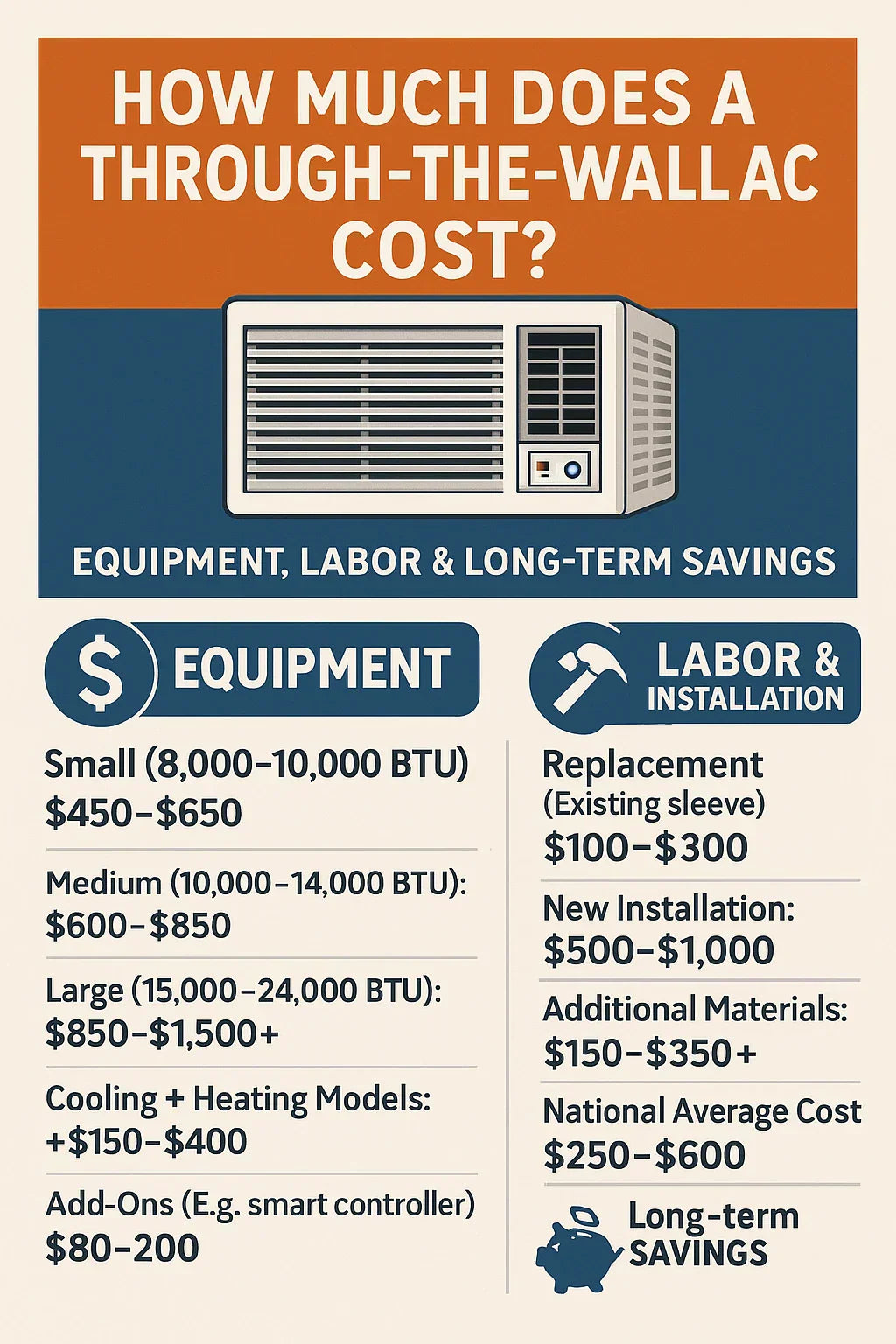
Window and portable AC units cost less but cool smaller spaces. They are a budget-friendly option.
- Window units: $150 to $600
- Portable units: $200 to $700
- Installation costs are usually low or DIY
Cost Differences By Region
AC replacement costs change depending on where you live. Labor and material prices vary by region.
| Region | Average Cost Range |
|---|---|
| Northeast | $4,000 – $7,500 |
| South | $3,500 – $6,500 |
| Midwest | $3,800 – $7,000 |
| West | $4,200 – $8,000 |
Prices include both equipment and labor.
Installation Expenses To Expect
Replacing an air conditioner involves several costs beyond the unit price. Installation expenses can vary widely based on the work needed. It is important to know these costs before starting your project.
This guide explains common installation expenses you should expect when replacing your air conditioner.
Labor Charges
Labor costs depend on the complexity of installation and local rates. Skilled technicians charge hourly or a fixed rate.
Typical labor fees include mounting the unit, connecting electrical wiring, and testing the system.
- Hourly rates range from $50 to $100
- Installation can take 4 to 8 hours
- Complex jobs may cost more
Ductwork Modifications
Old or damaged ducts may need repair or replacement during AC installation. Proper ductwork ensures efficient cooling.
Costs vary based on duct size and condition. Modifying ducts can add to the total expense.
- Minor repairs cost $300 to $500
- Major duct replacement can exceed $1,000
- Sealing ducts improves energy efficiency
Permits And Inspections
Local rules may require permits for AC replacement. Inspections ensure the work meets safety standards.
Permit fees differ by location. They usually cover paperwork and inspection visits.
- Permit costs range from $50 to $300
- Inspections confirm proper installation
- Skipping permits can cause fines
Removal Of Old Units
Removing the old air conditioner is part of the installation process. This step may have extra charges.
Costs depend on unit size and disposal fees. Some companies include removal in their service.
- Removal fees range from $100 to $300
- Large units cost more to remove
- Proper disposal follows environmental rules
Credit: thefurnaceoutlet.com
Energy Savings And Long-term Value
Replacing your air conditioner is a big decision. It affects your home’s comfort and your wallet. Choosing the right system can save energy and money over time.
This guide explains key factors that impact cost and value. You will learn about SEER ratings, utility bill savings, tax credits, and maintenance costs.
Impact Of Seer Ratings
SEER stands for Seasonal Energy Efficiency Ratio. It measures how much cooling your air conditioner provides for each unit of energy it uses. Higher SEER means better efficiency.
Choosing a unit with a higher SEER rating can lower energy use. This reduces your carbon footprint and keeps your home cooler for less money.
Potential Utility Bill Reductions
Replacing an old air conditioner with a new, efficient model can cut your utility bills. Savings vary based on climate, usage, and unit size.
- Older systems use more electricity and cost more to run.
- New systems with high SEER ratings use less power.
- Even small improvements in efficiency add up over time.
- Lower bills mean the initial cost pays off faster.
Tax Credits And Rebates
Many areas offer tax credits or rebates for installing energy-efficient air conditioners. These programs lower your upfront cost.
| Incentive Type | Description | Benefit |
| Federal Tax Credit | Credit for buying high-efficiency units | Reduces tax bill |
| Utility Rebates | Discounts from power companies | Lower purchase price |
| State Programs | Local incentives for energy savings | Cash back or credits |
Maintenance Costs Over Time
Regular maintenance helps your air conditioner last longer and work better. New units may have lower maintenance needs than older models.
- Cleaning or replacing filters every few months
- Checking refrigerant levels annually
- Inspecting electrical components and coils
- Scheduling professional tune-ups yearly
Diy Vs Professional Replacement
Replacing an air conditioner can be costly. You may consider doing it yourself to save money.
Choosing between DIY and hiring a professional affects cost, safety, and results.
Risks Of Diy Installation
Installing an air conditioner yourself can lead to many problems. You may not have the right tools or skills.
Incorrect installation can cause leaks, poor cooling, or even damage to your home.
- Risk of electrical shock or injury
- Wrong size or type of unit installed
- Improper refrigerant handling
- Voiding the manufacturer’s warranty
- Higher energy bills due to poor setup
Benefits Of Hiring Experts
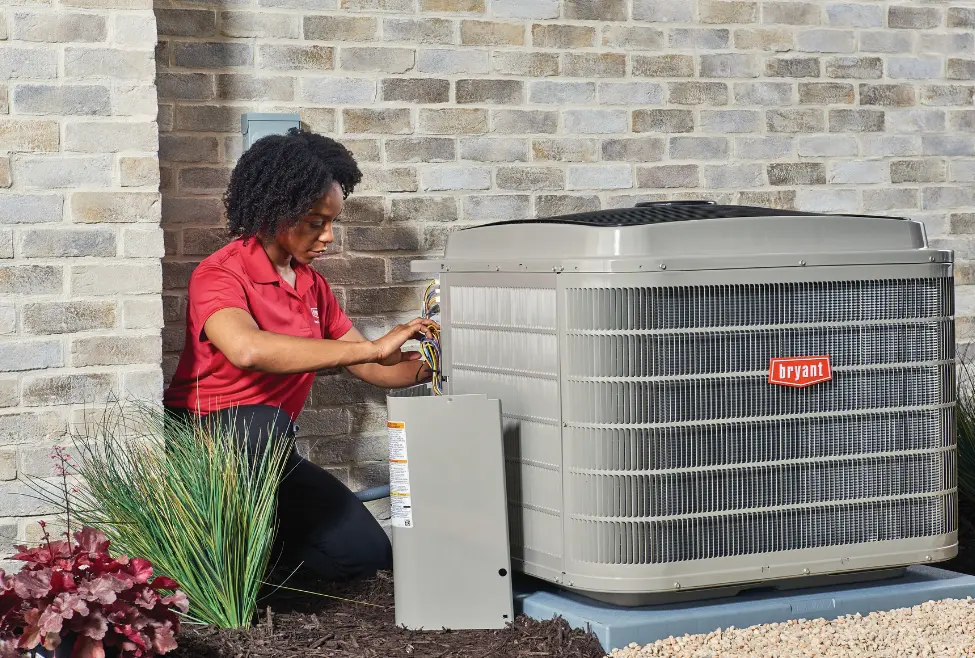
Professionals ensure the air conditioner is installed safely and correctly. They have training and tools.
They also handle permits and follow local codes, saving you time and stress.
- Proper unit sizing and placement
- Safe electrical and refrigerant work
- Warranty protection
- Energy-efficient installation
- Faster and cleaner job
Finding Reliable Contractors
Look for contractors with good reviews and proper licenses. Ask for estimates from multiple sources.
Check if they offer warranties and have experience with your AC type.
- Check online reviews and ratings
- Verify licenses and insurance
- Request written estimates
- Ask about warranties
- Confirm experience with your AC model
Credit: www.lochardplumbingheatingandcooling.com
Tips To Reduce Replacement Costs
Replacing an air conditioner can be expensive. You can save money by planning carefully.
Here are some tips to help lower the cost of replacing your air conditioner.
Seasonal Discounts And Promotions
Many stores offer discounts during certain seasons. Buying during these times can save money.
Look for sales in spring and fall when demand is lower. This can reduce the price.
- Check local store ads for deals
- Shop during holiday sales events
- Ask dealers about upcoming promotions
Financing Options
Many companies offer financing plans. This lets you pay over time instead of all at once.
Look for low-interest or no-interest plans. These can make payments easier to manage.
- Ask about monthly payment plans
- Check for zero-interest offers
- Compare terms from different lenders
Choosing Energy-efficient Models
Energy-efficient air conditioners use less electricity. They cost less to run each month.
Look for units with a high SEER rating. They may cost more upfront but save money long term.
- Check the SEER rating before buying
- Consider ENERGY STAR certified models
- Calculate potential energy savings
Regular Maintenance To Extend Lifespan
Taking care of your air conditioner helps it last longer. This delays the need for replacement.
Clean filters and check parts regularly. Fix small problems before they get big.
- Change or clean filters monthly
- Schedule annual professional checkups
- Clear debris around outdoor units
Frequently Asked Questions
How Much Does It Cost To Replace An Air Conditioner?
The cost to replace an air conditioner typically ranges from $3,000 to $7,000. Prices vary based on unit size, brand, and installation complexity. Additional factors include labor fees and any necessary ductwork upgrades. Always get multiple quotes for the best price.
What Factors Affect Air Conditioner Replacement Cost?
Key factors include unit size, energy efficiency, brand, and installation complexity. Labor costs and any required duct repairs also impact the price. Location and seasonal demand can influence rates. Choosing higher SEER ratings increases upfront costs but saves energy.
Is It Cheaper To Repair Or Replace An Air Conditioner?
Repairs are cheaper if the issue is minor and the unit is newer. Replacement is cost-effective for units older than 10 years or with major problems. Frequent repairs also justify replacement to avoid higher long-term costs. Consider energy savings when deciding.
How Long Does It Take To Replace An Air Conditioner?
Replacing an air conditioner usually takes 4 to 8 hours. Time depends on unit size, installation complexity, and any ductwork modifications. Scheduling during off-peak seasons can speed up service. Proper installation ensures efficiency and system longevity.
Conclusion
Replacing an air conditioner can seem costly. Prices depend on various factors. Consider the unit type and brand. Labor and installation fees add up too. Always get multiple quotes from professionals. This helps in comparing costs effectively. Look for warranties and energy efficiency.
These can save money in the long run. Regular maintenance also prolongs the unit’s life. Plan your budget with these elements in mind. Understanding these aspects ensures a smart decision. Keep your home comfortable while managing expenses wisely.