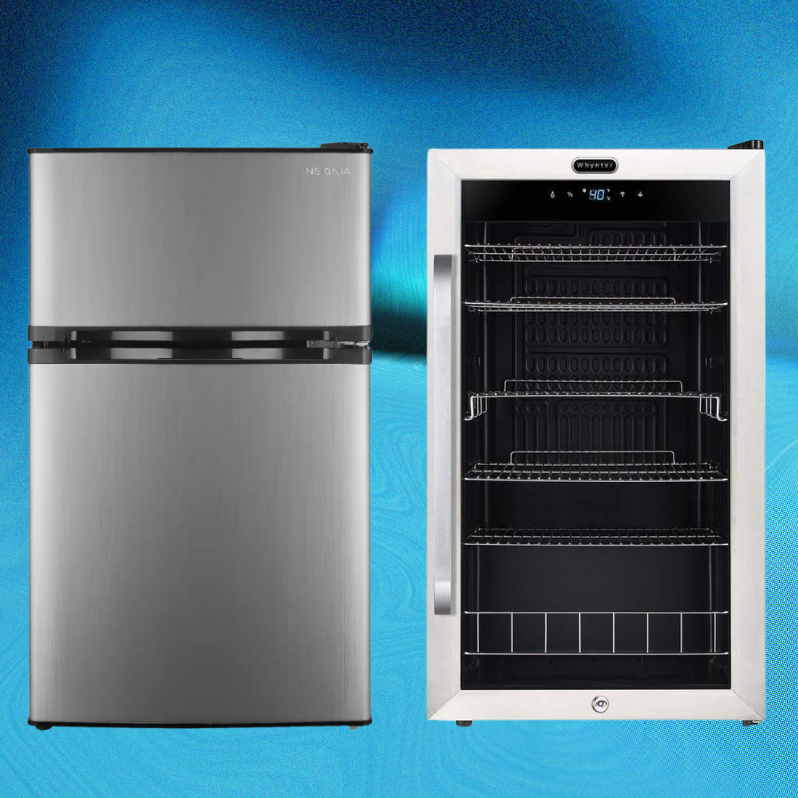
Are you curious about how much it really costs to keep a small refrigerator running in your home or office? You might be surprised to learn that even a compact fridge can add up on your electricity bill.
Understanding these costs can help you save money and make smarter choices. You’ll discover the key factors that affect the running cost of a small fridge and simple tips to lower your expenses. Keep reading to take control of your energy use and protect your wallet.
Energy Consumption Basics
Understanding how much energy a small refrigerator uses helps manage electricity costs. Energy consumption depends on many things like size, usage, and model. Knowing the basics guides better choices and efficient use.
Average Power Usage
Small refrigerators usually use between 100 and 250 watts. On average, they consume about 1 to 2 kilowatt-hours (kWh) daily. This varies by fridge size and how often the door opens. The compressor runs intermittently to keep food cold, which affects power use.
For example, a 150-watt fridge running for 8 hours uses about 1.2 kWh. This is the typical energy use for many small models in homes and offices.
Factors Affecting Consumption
- Size:Bigger fridges use more electricity.
- Temperature Setting:Lower temperatures need more energy.
- Door Usage:Opening the door often makes the fridge work harder.
- Age and Condition:Older or damaged fridges are less efficient.
- Location:Placing a fridge near heat sources increases power use.
Each factor changes how much electricity the fridge consumes every day. Small changes can lower energy bills and reduce waste.

Credit: www.goodhousekeeping.com
Monthly And Yearly Costs
Understanding the monthly and yearly costs of running a small refrigerator helps you manage your household budget better. These costs depend on your fridge’s energy consumption and your local electricity rates. Knowing how to calculate these expenses can prevent unexpected bills and guide you in choosing a more efficient model.
Calculating Electricity Bills
To figure out how much your small refrigerator costs each month, start by checking its power usage, usually listed in watts. Multiply this by the number of hours it runs daily—fridges typically cycle on and off, so estimate about 8 hours of active running per day.
Next, convert watts to kilowatt-hours (kWh), the unit your electricity provider charges for. For example:
| Step | Calculation |
|---|---|
| Power Consumption | 100 watts × 8 hours = 800 watt-hours = 0.8 kWh/day |
| Monthly Usage | 0.8 kWh × 30 days = 24 kWh/month |
| Cost | 24 kWh × $0.12 (average cost per kWh) = $2.88/month |
Multiply this by 12 to get the yearly cost, which would be about $34.56 in this example. Keep in mind your actual cost may vary based on your fridge’s efficiency and your electricity rates.
Comparing Different Models
Not all small refrigerators consume the same amount of energy. Some newer models use advanced compressors and insulation to save power. When shopping, look for the Energy Star label; it indicates the appliance meets strict energy efficiency guidelines.
For instance, a compact fridge rated at 150 watts might cost you nearly double compared to a 100-watt Energy Star model. Over a year, that difference adds up significantly.
- Check the energy consumption label before buying.
- Consider the fridge’s size—larger models usually consume more energy.
- Look at user reviews for real-life energy use feedback.
Have you ever compared your fridge’s energy usage with others? It might be time to see if switching to a more efficient model could save you money in the long run.
Hidden Cost Factors
Running a small refrigerator might seem straightforward, but several hidden cost factors can quietly increase your electricity bill. These are often overlooked but can significantly affect how much energy your fridge uses daily. Understanding these factors helps you control costs without sacrificing convenience.
Temperature Settings Impact
The temperature you set your refrigerator at directly influences how much power it consumes. Colder settings force the compressor to work harder and longer, which means higher electricity use.
Keeping your fridge at the ideal temperature—usually between 37°F and 40°F (3°C to 4°C)—balances food safety and energy efficiency. Have you checked your fridge’s thermostat lately? You might be cooling more than necessary.
Adjusting the temperature by just a few degrees can lower your energy costs noticeably. It’s a simple tweak that many ignore but can save you money every month.
Location And Ventilation Effects
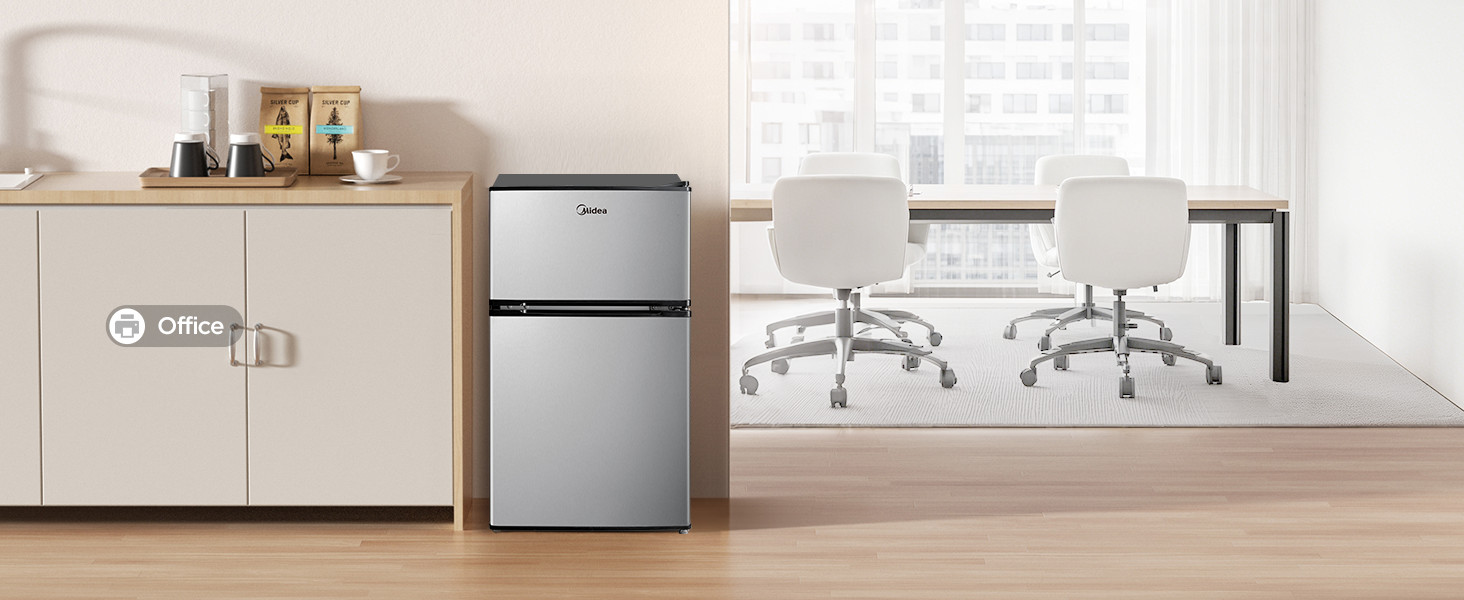
Where you place your small refrigerator matters more than you might think. If it’s too close to a heat source like an oven or in direct sunlight, it will use more energy to stay cool.
Proper ventilation around your fridge is essential to allow heat to escape efficiently. Lack of airflow forces the appliance to run longer, increasing wear and energy consumption.
- Keep your fridge a few inches away from walls and cabinets.
- Avoid placing it near heat-producing appliances.
- Ensure vents are not blocked by objects or dust.
Have you ever noticed your fridge running non-stop during summer? That’s often due to poor placement and ventilation. Small changes in where you put your fridge can reduce hidden energy costs significantly.
Credit: www.amazon.ca
Ways To Save Energy
Saving energy while running a small refrigerator helps reduce electricity bills. It also lowers your carbon footprint. Simple changes in usage and choosing the right features can make a big difference. These tips help keep your fridge efficient without sacrificing convenience.
Optimal Usage Tips
- Keep the fridge door closed as much as possible.
- Set the temperature between 37°F and 40°F for the fridge.
- Ensure proper air circulation around the fridge.
- Avoid placing hot food directly inside the fridge.
- Defrost regularly to prevent ice build-up.
- Keep the fridge away from heat sources like ovens or direct sunlight.
- Organize items inside to find things quickly.
- Check and replace door seals if damaged or loose.
Energy-efficient Features
- Look for refrigerators with Energy Star certification.
- Choose models with LED lighting instead of incandescent bulbs.
- Opt for fridges with inverter compressors for better efficiency.
- Consider units with automatic temperature controls.
- Smaller refrigerators use less power than larger ones.
- Pick models with good insulation to keep cold air in.
Alternative Cooling Options
Finding the right cooling option saves money and energy. Small refrigerators can be costly to run over time. Exploring alternative cooling methods offers practical solutions. These options suit different needs and budgets. They often use less electricity and provide flexibility.
Portable Coolers Vs Refrigerators
Portable coolers are lighter and easier to move than refrigerators. They use less power, mainly from batteries or car plugs. Coolers keep food cold for short trips or outdoor use. Refrigerators offer consistent cooling and larger storage. They use more electricity but keep food fresh longer. Choose portable coolers for travel and short-term use. Pick refrigerators for daily home use and bigger loads.
Solar-powered Solutions
Solar-powered cooling uses energy from the sun. It reduces electricity bills and works off-grid. Solar fridges and coolers use solar panels and batteries. These systems need upfront investment but save money long-term. They suit remote areas or eco-friendly homes. Solar power runs small refrigerators efficiently during sunny days. Backup batteries help keep cooling at night or cloudy times.
Environmental Impact
Running a small refrigerator impacts the environment in ways you might not immediately see. Beyond just the electricity bill, it affects the planet’s resources and contributes to carbon emissions. Understanding this impact helps you make smarter choices about how you use and maintain your fridge.
Carbon Footprint Of Small Refrigerators
Small refrigerators use electricity, which often comes from burning fossil fuels. This process releases carbon dioxide, a greenhouse gas that warms the planet. On average, a small fridge emits around 150 to 300 kilograms of CO2per year depending on its efficiency and usage.
Think about your fridge’s age and energy rating. Older models tend to consume more power and increase your carbon footprint. Newer, energy-efficient models can cut emissions by almost half.
How much difference would it make if you swapped your old fridge for a modern one? The impact on the environment could be significant, and your electricity costs would likely drop too.
Reducing Energy Waste
You can lower your fridge’s environmental impact by cutting down on energy waste. Small actions like keeping the door closed, not overfilling it, and setting the right temperature make a big difference.
- Keep the fridge between 37°F and 40°F (3°C to 4°C).
- Make sure door seals are tight to prevent cold air from escaping.
- Defrost regularly to maintain efficiency.
- Place the fridge away from heat sources like ovens or direct sunlight.
I once realized my fridge was running non-stop because the seal was damaged. Fixing it reduced my energy use noticeably. What small change could you make today to save energy and cut emissions?

Credit: www.renogy.com
Frequently Asked Questions
How Much Electricity Does A Small Refrigerator Use Monthly?
A small refrigerator typically uses 100 to 200 kWh annually. This translates to about 8 to 16 kWh monthly. Energy usage depends on size, efficiency, and usage habits. Checking the EnergyGuide label helps estimate exact consumption and costs.
What Is The Average Cost To Run A Small Fridge Daily?
Running a small fridge costs approximately $0. 10 to $0. 30 per day. This depends on electricity rates and energy consumption. Using energy-efficient models and proper maintenance can reduce daily expenses significantly.
Does Fridge Size Affect Electricity Bills Significantly?
Yes, fridge size impacts electricity use. Larger fridges consume more power due to bigger compressors and cooling space. Small refrigerators use less energy, making them cost-effective for limited spaces or single users.
How Can I Reduce My Small Refrigerator’s Energy Consumption?
To reduce energy use, keep the fridge in a cool place away from heat. Avoid frequent door openings and maintain proper temperature settings. Regularly defrost and clean coils to improve efficiency and lower costs.
Conclusion
Calculating the cost to run a small refrigerator is simple. It varies with size and energy efficiency. Smaller models generally consume less electricity. Energy-efficient models save more on bills. Always check the energy label before buying. Use these insights to manage your expenses better.
Now, you can plan your budget wisely. Running a small refrigerator doesn’t have to break the bank. Keep an eye on energy consumption. This helps reduce overall costs. Being informed leads to smarter choices. Enjoy the benefits of efficient refrigeration at home.