
Wondering how much it really costs to run your window air conditioner? You’re not alone.
When the heat kicks in, keeping your home cool without breaking the bank becomes a top priority. But the truth is, many people don’t know what to expect on their electricity bills. This article will clear up the mystery for you, helping you understand the factors that affect costs and how you can save money while staying comfortable.
Keep reading to take control of your cooling expenses today.
Factors Affecting Air Conditioner Costs
Electricity rates, unit size, and usage time greatly influence the cost to run a window air conditioner. Efficiency ratings and room insulation also play key roles in energy consumption.
Energy Consumption Basics
Energy consumptionis a key factor in running costs. Air conditioners use power measured in watts. The higher the wattage, the more electricity it uses. Running a unit for longer increases the total cost. Efficient units use less power for the same cooling.
Unit Size And Efficiency
Choosing the right unit sizematters. A unit too big or too small wastes energy. Efficiency is shown by EER or SEER ratings. Higher ratings mean better efficiency and lower costs.
Usage Patterns
How often and how long the AC runs affects costs. Short, frequent use costs less than long, continuous use. Setting the temperature wisely also saves energy.
Local Electricity Rates
Electricity prices vary by location. Higher rates mean higher costs to run the AC. Checking local rates helps estimate monthly expenses.

Credit: www.forbes.com
Calculating Running Costs
To estimate power usage, check the air conditioner’s wattage. It usually ranges from 500 to 1500 watts. Multiply wattage by hours used to find daily consumption.
| Power (Watts) | Cost per Hour ($) | Daily Cost ($) (8 hours) | Monthly Cost ($) (30 days) |
|---|---|---|---|
| 500 | 0.06 | 0.48 | 14.40 |
| 1000 | 0.12 | 0.96 | 28.80 |
| 1500 | 0.18 | 1.44 | 43.20 |
The cost per hourdepends on your electricity rate. On average, it is about $0.12 per kWh. Running the AC for 8 hours daily adds up quickly.
- Monthly use can range from $15 to $45.
- Seasonal expenses vary with climate and usage.
- Higher wattage units cost more to run.
Ways To Lower Air Conditioner Bills
Setting your air conditioner to 78°For higher saves energy. Lower temperatures make the unit work harder, increasing bills.
Clean or replace filters regularly. This helps the AC run efficiently. Clear debris from vents and coils to improve airflow.
- Use timers to run the AC only when needed.
- Smart controls let you adjust settings remotely.
- These tools prevent running the AC all day unnecessarily.
Seal windows and doors to keep cool air inside. Use curtains or blinds to block heat from sunlight. Better insulation means less work for your AC.
Comparing Air Conditioner Types
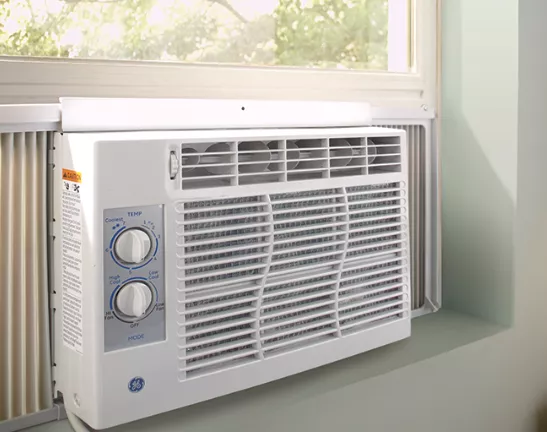
Window unitsare usually cheaper to buy and install than portable units. They fit into a window and cool one room well. Portable units can move from room to room but often cost more to run.
Energy Star rated modelsuse less electricity. They save money on bills and help the environment. Choosing an Energy Star unit means better performance and lower energy costs.
| Technology | Energy Use | Cost | Cooling Efficiency |
|---|---|---|---|
| Inverter | Uses less power by adjusting speed | Higher upfront cost | More consistent and efficient cooling |
| Non-Inverter | Runs at full power then stops | Lower upfront cost | Less efficient, more energy used |
Additional Savings Strategies
Off-peak electricity ratescan save money by running the air conditioner during low-cost times. Many electric companies offer cheaper prices at night or early morning. This helps reduce your electricity billwithout changing how much you cool your room.
Fans and ventilationhelp spread cool air faster. Use a fan with your air conditioner to move air around. Opening windows and doors sometimes lets fresh air in and cools your home naturally. This lowers the time your air conditioner runs.
Renewable energy sourceslike solar panels can power your air conditioner. Using solar energy cuts down on electricity costs and is better for the environment. It may need some upfront cost but saves money long term.

Credit: dolphincooling.com
Credit: www.premium-electric.ca
Frequently Asked Questions
How Much Electricity Does A Window Ac Use?
A window air conditioner typically uses between 500 to 1,500 watts. The exact usage depends on the unit’s size and efficiency. To find the cost, multiply the unit’s wattage by your local electricity rate. This will give you the hourly cost to run your window AC.
What Affects The Cost Of Running A Window Ac?
Several factors impact the cost, including the unit’s size, energy efficiency, and local electricity rates. Additionally, the frequency and duration of use play a role. Proper insulation and maintenance can also influence energy consumption and costs.
How Can I Reduce Window Ac Costs?
To reduce costs, ensure your window AC is energy-efficient and properly maintained. Use energy-saving settings and keep filters clean. Insulate your space to retain cool air and minimize usage during peak hours. These steps can help lower your electricity bill.
Is A Window Ac Cheaper Than Central Air?
Window AC units are generally cheaper than central air systems in terms of upfront costs. They are also more cost-effective for cooling individual rooms. However, central air might be more efficient for cooling larger spaces. The choice depends on your specific needs and budget.
Conclusion
Running a window air conditioner costs less than many expect. Energy use depends on size, settings, and usage time. Small units use less power and save money. Regular cleaning helps machines run more efficiently. Always check your electricity rates for accurate cost estimates.
Choosing the right unit can lower bills and keep you cool. Simple steps make a big difference in energy savings. Keep these tips in mind for smart cooling this summer.