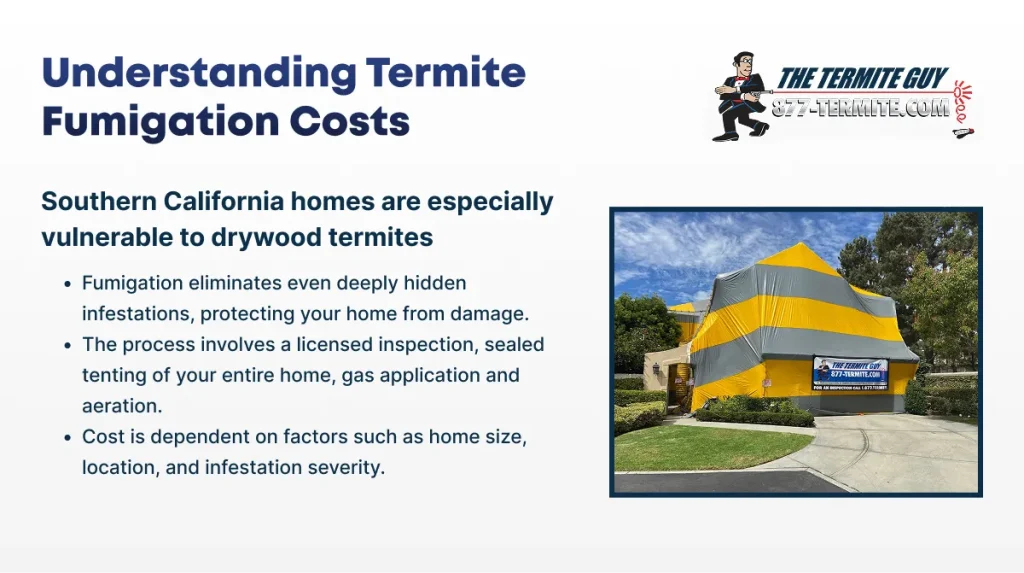
Are you worried about termites silently damaging your home? If so, you might be wondering, how much does it cost to tent a house for termites?
Knowing the answer can help you protect your biggest investment without breaking the bank. You’ll discover the real costs involved, what affects the price, and how to get the best value for your money. Keep reading to learn everything you need to make the right choice for your home and peace of mind.
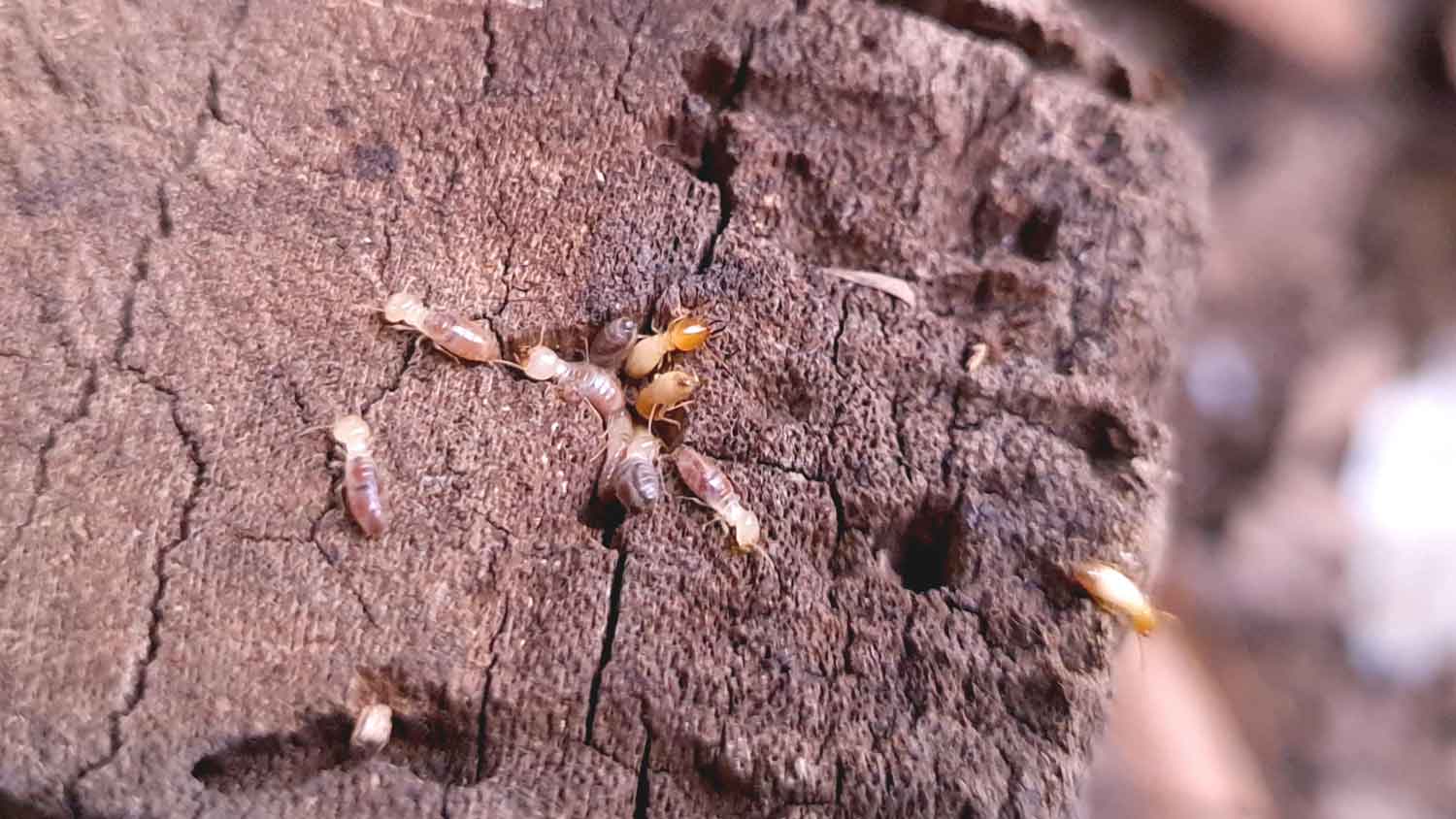
Credit: www.angi.com
Factors Affecting Tent Fumigation Costs
Tent fumigation is a common way to get rid of termites. The cost depends on many factors. Understanding these can help you plan your budget.
Costs vary because every house and termite problem is different. Knowing the key factors will help you know what to expect.
Size And Structure Of The House
The bigger the house, the more it costs to tent it. Large homes need more materials and time to cover fully.
Complex structures with many corners or levels also raise the price. They need extra care to seal properly during fumigation.
- More square footage means higher costs
- Multi-story houses cost more than single-story
- Open floor plans are easier and cheaper to cover
Extent Of Infestation
Severe termite damage requires longer or repeated treatments. This increases the total price.
Mild infestations may need less chemical and shorter treatment times. This lowers the cost.
- Heavy infestations need stronger fumigation
- Early detection saves money
- More damage means more treatment effort
Location And Accessibility
Houses in remote areas can cost more to tent. Travel and transport of equipment add to the expense.
Easy access to the house allows faster setup and teardown. This helps keep prices lower.
- Urban homes usually cost less to service
- Difficult terrain or narrow paths increase cost
- Permits and local rules may affect pricing
Duration Of Treatment
The length of fumigation affects the cost. Most treatments last 24 to 72 hours.
Longer treatments use more gas and require more monitoring. This raises the total price.
- Shorter treatments are less expensive
- Extended treatment may be needed for severe infestations
- Follow-up checks can add to cost

Credit: www.reddit.com
Average Cost Estimates
Tenting a house for termites is a common treatment to eliminate infestations. The cost varies by home size and location. Knowing average prices helps plan your budget.
The price depends on the home’s square footage and the severity of the infestation. This guide covers typical costs for small, medium, and large homes.
Small Homes
Small homes usually range up to 1,200 square feet. Tenting costs for these homes are generally the lowest. Most treatments take one to two days to complete.
- Average cost: $800 to $1,200
- Includes fumigation and safety measures
- Additional fees may apply for heavy infestations
Medium-sized Homes
Medium-sized homes range from 1,200 to 2,500 square feet. The cost to tent these homes increases due to the larger area. Treatment time can be longer.
| Home Size (sq ft) | Average Cost | Treatment Duration |
|---|---|---|
| 1,200 – 1,800 | $1,200 – $1,800 | 2 days |
| 1,800 – 2,500 | $1,800 – $2,500 | 2 to 3 days |
Large Homes
Large homes over 2,500 square feet cost the most to tent. The process can take several days. Costs rise with home size and complexity of the structure.
- Size and layout of the house
- Extent of termite infestation
- Additional services like repair or inspection
- Local labor and material costs
Average cost range: $2,500 to $4,500 or more
Additional Expenses To Consider
Tenting a house for termites involves more than just the treatment cost. Extra fees can add up quickly.
Knowing these expenses helps you plan your budget better before the process begins.
Preparation And Cleaning
Before tenting, you must prepare your home and clean the area. This can cost extra money.
Preparation includes moving furniture and removing food or plants. Cleaning after treatment is also needed.
- Moving or covering furniture
- Removing pets and plants
- Deep cleaning after fumigation
- Disposal of contaminated items
Repair And Restoration
Termites damage wood and structures. After tenting, repairs may be necessary to fix this damage.
Restoration costs vary by the damage size and type. You might need new wood, drywall, or paint.
- Wood replacement or treatment
- Drywall repair or replacement
- Painting and finishing work
- Structural inspections and fixes
Preventive Measures
After tenting, you may want to invest in ways to prevent future termite problems. These add extra costs.
Preventive options include barriers, treatments, and regular inspections to keep termites away.
- Termite barriers around the house
- Soil treatment with chemicals
- Wood treatment with preservatives
- Routine termite inspections
Comparing Diy And Professional Services
Tenting a house for termites is a common pest control method. It involves covering the entire home with a tent and applying chemicals to kill termites. The cost can vary widely based on the approach you choose.
This article compares the cost and factors of doing it yourself versus hiring professional services. Understanding these differences helps you make the best choice for your budget and safety.
Pros And Cons Of Diy
Doing termite tenting yourself may save money upfront. You buy or rent equipment and apply treatments on your own. This method needs careful work and knowledge.
- Pros:Lower initial cost, control over the process.
- Cons:Risk of improper application, safety hazards from chemicals.
- Time-consuming and physically demanding work.
- May need to rent expensive equipment.
- Potential for incomplete termite elimination.
Benefits Of Professional Services
Professionals handle all steps of tenting safely and efficiently. They know how to use chemicals correctly and meet legal requirements. Costs are higher but include expert work.
| Aspect | DIY | Professional |
| Cost Range | $500 – $1,500 | $1,200 – $3,500 |
| Safety | Higher risk | Handled by experts |
| Effectiveness | Varies | More reliable |
| Time Required | Several days | Usually 1-2 days |
| Equipment | Rented or bought | Provided by company |
Tips For Saving Money
Tenting your house for termites can be expensive. You can use some tips to lower the cost. Saving money is possible with good planning.
Learn about discounts, service options, and how to talk with providers. These ideas help you pay less for termite tenting.
Seasonal Discounts
Pest control companies may offer lower prices during certain seasons. These times usually have less demand for termite treatments.
- Look for deals in late fall or winter.
- Book your service during off-peak months.
- Ask if there are any special promotions available.
Bundled Services
Getting several pest control services together can reduce costs. Bundles often come with a better price than separate treatments.
| Service | Single Price | Bundle Price |
| Termite Tenting | $1,200 | $2,000 |
| General Pest Control | $1,000 |
Negotiating With Providers
You can try to get a better price by talking with the service provider. Many companies are open to negotiation, especially if you ask politely.
- Research average costs before calling.
- Ask if there is any room to lower the price.
- Request discounts for referrals or repeat business.
- Be ready to compare prices from multiple companies.

Credit: www.homeyou.com
Long-term Prevention Strategies
Termite control is not just about treating an active infestation. It involves long-term prevention methods. These strategies help protect your home and reduce future costs.
Using regular inspections, moisture control, and termite-resistant materials can keep your house safe for years.
Regular Inspections
Checking your home often helps catch termite problems early. Inspect areas like basements, crawl spaces, and wooden structures. Early detection lowers treatment costs.
- Inspect wood for damage or mud tubes
- Look for signs of discarded wings
- Check around windows and doors
- Hire a professional inspector yearly
Moisture Control
Termites need moisture to survive. Controlling moisture reduces the risk of termite infestations. Fix leaks and improve drainage around your home.
| Moisture Source | Prevention Method |
| Leaking Pipes | Repair immediately |
| Poor Drainage | Install gutters and downspouts |
| High Humidity | Use dehumidifiers indoors |
| Blocked Vents | Keep vents clear |
Termite-resistant Materials
Using materials that termites avoid helps protect your home. Some woods and treatments resist termite damage better than others.
- Choose treated wood for construction
- Use concrete or steel for foundations
- Apply termite-repellent coatings
- Replace old wood that shows damage
Frequently Asked Questions
How Much Does Tenting A House For Termites Cost?
Tenting a house for termites typically costs between $1,000 and $2,500. The price depends on your home size, location, and extent of infestation. Additional fees may apply for repairs or follow-up treatments.
What Factors Affect Termite Tenting Prices?
Prices vary based on home size, infestation severity, and regional labor costs. Accessibility and treatment type also influence the final cost. Larger or heavily infested homes generally require higher fees for effective termite eradication.
Is Termite Tenting Covered By Homeowners Insurance?
Most homeowners insurance policies do not cover termite tenting costs. Termite damage is usually considered preventable maintenance. Check your policy details or contact your provider to confirm coverage options.
How Long Does Termite Tenting Treatment Take?
Termite tenting treatment typically takes 1 to 3 days. The home must be vacated during this time for safety reasons. After treatment, ventilation and curing may require additional time before reentry.
Conclusion
Tenting a house for termites costs vary by size and damage level. Expect to pay between a few hundred to over a thousand dollars. Costs depend on location, house size, and severity of infestation. Tenting protects your home and stops termites from causing more harm.
Acting early saves money and stress later. Always choose a trusted pest control expert for safe, effective treatment. Protect your home and peace of mind with proper termite care.