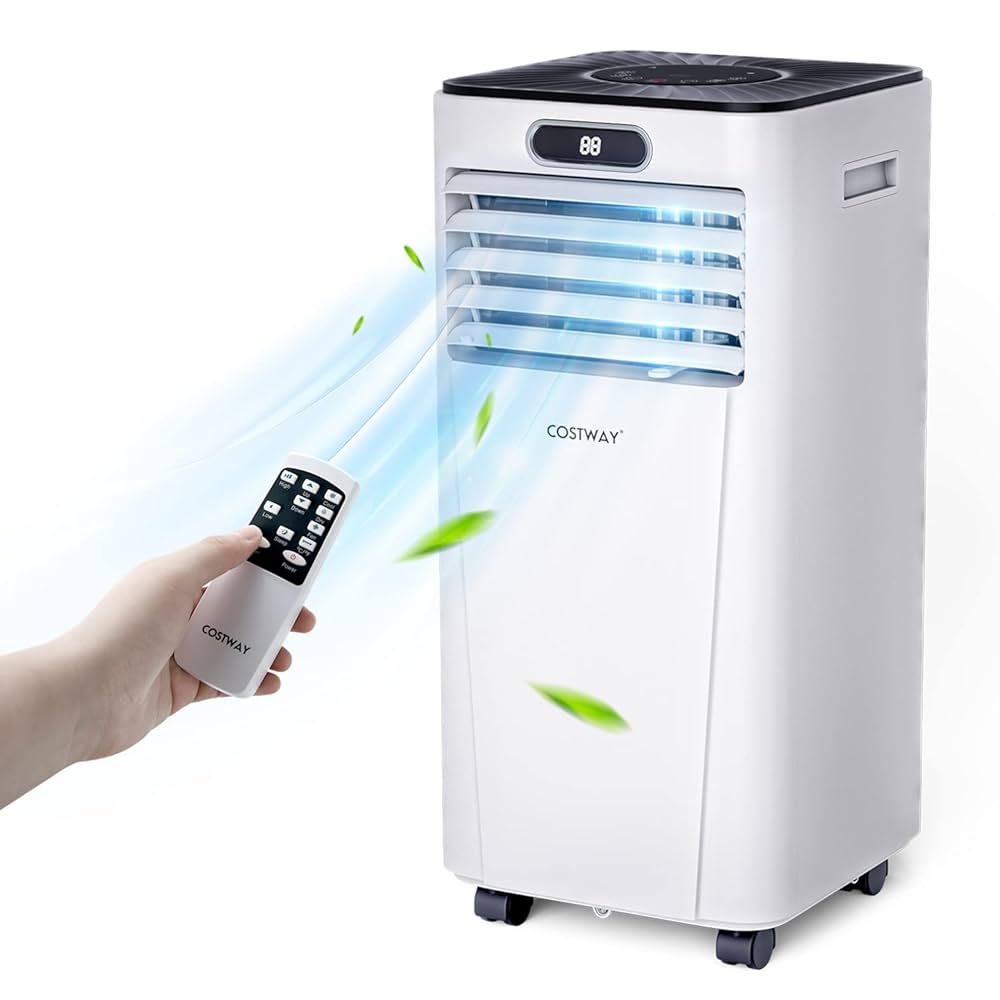
Are you wondering how much it really costs to run a portable air conditioner? You’re not alone.
When the heat hits, keeping your space cool is a top priority—but high energy bills can quickly turn that comfort into a worry. Understanding the true cost behind running a portable AC can help you make smarter choices and avoid surprises on your electricity bill.
You’ll discover what factors affect the running cost and practical tips to keep your cool without breaking the bank. Ready to save money while staying comfortable? Let’s dive in.
Factors Affecting Running Costs
Power consumptionis the main factor in running costs. Portable air conditioners use electricity based on their wattage. Higher wattage means more power used and higher costs.
Usage durationaffects the total cost. Running the unit longer each day will increase electricity bills. Shorter use means less cost.
Electricity ratesvary by location. The cost per kilowatt-hour (kWh) depends on your local energy provider. Higher rates mean higher running costs.
Unit size and efficiencyalso matter. Larger units use more power but cool bigger spaces. Energy-efficient models cost less to run. Look for units with a good Energy Efficiency Ratio (EER).
Calculating Energy Usage
The wattageand BTU ratingshow how much energy a portable air conditioner uses. Wattage tells the power used in watts. BTU (British Thermal Unit) shows the cooling power. Higher BTUs mean more cooling but more energy use.
To estimate daily energy use, multiply the wattage by hours used each day. For example, a 1000-watt unit running 8 hours uses 8000 watt-hours or 8 kWh daily.
| Usage Time (hours/day) | Energy Used (kWh/day) | Cost per kWh ($) | Daily Cost ($) |
|---|---|---|---|
| 4 | 4 | 0.12 | 0.48 |
| 8 | 8 | 0.12 | 0.96 |
| 12 | 12 | 0.12 | 1.44 |
Monthly cost depends on daily use and rate per kWh. Multiply daily cost by days used in the month. Seasonal costs add up for hot months with more use.
Comparing Portable Ac With Other Cooling Options
Portable AC unitscost less to run than central AC but more than fans. They use electricity to cool small spaces quickly. You can move them around, which adds value.
| Cooling Option | Energy Use | Cost to Run | Best For |
|---|---|---|---|
| Window AC Units | Medium | Lower than portable AC | Cooling one room efficiently |
| Central Air Conditioning | High | Highest cost | Whole house cooling |
| Fans and Evaporative Coolers | Very Low | Lowest cost | Small spaces, dry climates |
Fans use little power but only move air. Evaporative coolers work best in dry places. Central AC cools many rooms but costs more. Window units balance cost and power well.
Credit: www.furnaceprices.ca
Tips To Lower Running Costs
Setting your portable air conditioner to 78°F (25°C)helps save energy. Avoid very low temperatures to reduce electricity use. Proper maintenancekeeps the unit running well and lowers costs. Clean or replace filters regularly for better airflow and efficiency.
Using timersor smart controls can turn off the unit when not needed. This stops wasting power and cuts your bill. Improving room insulationhelps keep cool air inside. Close windows and doors, and use curtains to block heat.
- Set temperature around 78°F (25°C) for best savings
- Clean filters often for efficient operation
- Use timers or smart controls to avoid running when empty room
- Seal windows and doors to keep cool air in
Energy-efficient Portable Ac Models
Energy-efficient portable air conditionerssave money and reduce power use. Look for models with variable fan speedsand programmable timers. These features help control cooling and limit energy waste. A sleep modelowers power during the night, cutting costs further. Models with auto shut-offprevent running when not needed.
| Brand | Model | Energy Star Rating | Key Feature |
|---|---|---|---|
| LG | LP1419IVSM | Yes | SmartThinQ Wi-Fi control |
| Whirlpool | WHAP121BW | Yes | Energy-saving sleep mode |
| Honeywell | HL10CESWK | Yes | Quiet operation |

Credit: www.forbes.com
Real-life Cost Examples
Running costs depend on unit size and room area. Small units cool rooms under 150 sq ft. They use about 500 watts, costing roughly $0.06 per hour. Perfect for bedrooms or offices.
Medium units suit spaces around 300-400 sq ft. They use near 1,000 watts, costing about $0.12 per hour. Good for living rooms or small studios.
Large units work for whole apartments or large rooms over 600 sq ft. Power use hits 1,500 watts, costing close to $0.18 per hour. Best for open spaces.
| Setup | Room Size (sq ft) | Power Usage (Watts) | Cost per Hour (USD) |
|---|---|---|---|
| Small Room | Under 150 | 500 | $0.06 |
| Medium Space | 300-400 | 1,000 | $0.12 |
| Whole Apartment | 600+ | 1,500 | $0.18 |
Credit: www.furnaceprices.ca
Frequently Asked Questions
How Much Does It Cost To Run A Portable Ac Per Hour?
Running a portable air conditioner typically costs between $0. 10 and $0. 30 per hour. Costs vary based on unit size, energy efficiency, and local electricity rates. Energy-efficient models reduce expenses, while frequent use increases total costs.
What Factors Affect Portable Ac Running Costs?
Energy consumption, unit size, and electricity rates mainly impact running costs. Usage duration and ambient temperature also influence expenses. Choosing energy-efficient models and proper insulation helps lower operational costs significantly.
How Can I Reduce Portable Air Conditioner Energy Bills?
Use energy-saving settings, maintain filters, and seal room leaks. Limit usage to necessary hours and avoid cooling large spaces unnecessarily. Regular maintenance ensures efficient performance and lowers electricity bills effectively.
Is Running A Portable Ac Cheaper Than Central Ac?
Portable ACs usually cost less to run for small spaces. Central ACs are more efficient for cooling entire homes but consume more energy. Portable units offer flexibility and lower initial costs with slightly higher per-unit running costs.
Conclusion
Calculating the cost of running a portable air conditioner matters. It helps manage your budget. Understand the wattage and local electricity rates first. Track how many hours you use the unit. Small adjustments can lead to savings. Clean filters regularly to ensure efficiency.
Consider energy-efficient models for long-term benefits. These steps make cooling affordable and efficient. Stay comfortable without overspending. Always keep an eye on energy consumption. Make informed decisions for your cooling needs. Stay cool and save money. Balance comfort and cost effectively.