Are you tired of sweating through hot days and nights? Refrigerated air can be a game-changer, but you might be wondering: how much does it really cost?
Whether you’re thinking about installing a new system or upgrading an old one, understanding the costs involved is key to making the right choice. You’ll discover the true price of refrigerated air, including installation, energy bills, and maintenance. Keep reading to find out how to stay cool without breaking the bank.
Factors Affecting Refrigerated Air Cost
Several factors influence the cost of refrigerated air systems. Understanding these helps in making better choices. Costs vary based on system type, size, and efficiency. Installation and maintenance also play key roles in the total expense.
Type Of Refrigerated Air System
The system type greatly affects the price. Central air conditioners tend to cost more than window units. Split systems offer flexibility but may need higher upfront investment. Each system suits different needs and budgets.
Size And Capacity
Larger systems with higher capacity usually cost more. The size depends on the space it needs to cool. Bigger areas require powerful units, increasing price. Correct sizing ensures efficient performance and cost savings.
Energy Efficiency Ratings
Energy-efficient models often come with a higher price tag. They reduce electricity bills over time. Look for units with high SEER or EER ratings. Choosing efficient systems saves money in the long run.
Installation Complexity
Complex installations raise the overall cost. Factors include ductwork, electrical work, and structural changes. Simple installations cost less and take less time. Proper installation ensures optimal system performance.
Maintenance And Operating Costs
Regular maintenance affects long-term expenses. Some systems require frequent servicing or filter changes. Operating costs vary with energy consumption and repairs. Budget for maintenance to keep the system running well.

Credit: www.pneumatech.com
Price Range For Different Systems
The cost of refrigerated air systems varies widely based on type and capacity. Different systems serve distinct needs, from small rooms to large commercial spaces. Understanding price ranges helps to choose the right option for your budget and requirements.
Each system offers unique features and installation costs. Prices depend on cooling power, energy efficiency, and brand reputation. Let’s explore the typical price ranges for various refrigerated air units.
Portable Refrigerated Air Units
Portable units are compact and easy to move. They cool small areas or single rooms. Prices usually range from $150 to $600. Higher-end models may cost up to $1,000. These units require little installation and are energy-efficient for their size.
Central Air Conditioning Systems
Central systems cool entire homes or buildings. Installation involves ductwork and professional labor. Costs range between $3,000 and $7,000 on average. Larger homes or complex setups can reach $12,000 or more. These systems offer consistent cooling and improved air quality.
Commercial Refrigerated Air Solutions
Commercial systems handle bigger spaces like offices or stores. Prices vary from $5,000 to $20,000. Factors include cooling capacity and control features. Maintenance and installation add to the total cost. Efficient models reduce energy bills over time.
Industrial Refrigerated Air Systems
Industrial units serve factories or large warehouses. These systems cost $20,000 to over $100,000. Costs depend on size, technology, and cooling needs. Installation requires expert planning and special equipment. Reliability and durability are key in these systems.
Additional Costs To Consider
Installing refrigerated air involves more than just the unit’s price. Many extra costs can affect your total spending. These costs ensure the system runs safely and efficiently in your home. Understanding these helps avoid surprises and budget better.
Electrical Upgrades
Refrigerated air systems often need more power than older homes supply. Upgrading your electrical panel or wiring may be necessary. This work ensures the system gets enough electricity without tripping breakers. Electricians charge for materials and labor, which can add to your bill.
Ductwork And Ventilation
Proper ductwork is vital for cooling every room evenly. Old or damaged ducts may need repair or replacement. Some homes require new ducts if none exist. Ventilation improvements help air flow better and reduce energy waste. These tasks increase installation costs but improve comfort and savings.
Permits And Inspections
Local rules often require permits for installing air systems. Permits ensure work follows safety and building codes. Inspectors visit your home to check the installation quality. Permit fees and inspection costs vary by location. Skipping these steps can cause fines or problems later.
Extended Warranties And Service Plans
Extended warranties protect your system beyond the basic coverage. Service plans offer regular maintenance and repairs at a fixed cost. These plans help keep your system running well and avoid big repair bills. Consider these options for peace of mind and long-term savings.
Credit: www.angi.com
Energy Savings And Cost Efficiency
Energy savings and cost efficiency play a big role in deciding on refrigerated air systems. Lower energy use means smaller bills and less impact on the environment. Choosing the right system can save money over time. Small changes in technology and settings affect energy consumption greatly.
Comparing Seer Ratings
SEER stands for Seasonal Energy Efficiency Ratio. It measures how well an air conditioner cools compared to the energy it uses. Higher SEER ratings mean better efficiency.
Systems with high SEER ratings cost less to run. They use energy smartly and keep your home cool without wasting power. Look for units with SEER ratings above 14 for good savings.
Impact Of Smart Thermostats
Smart thermostats adjust cooling based on your habits and preferences. They reduce energy use by running the system only when needed.
These devices learn your schedule and keep rooms comfortable while cutting waste. They can be controlled remotely, adding convenience and savings.
Seasonal Energy Consumption
Energy use changes with the seasons. Summer usually demands more cooling, raising costs. Efficient systems keep this rise lower.
Tracking seasonal consumption helps spot when energy use is high. Adjusting settings during peak months can reduce bills significantly. Regular maintenance also ensures the system runs efficiently year-round.
Tips To Lower Refrigerated Air Expenses
Keeping your refrigerated air costs under control can feel like a constant challenge. However, small changes in how you manage and choose your system can lead to significant savings. Let’s dive into practical tips that you can apply right away to lower your refrigerated air expenses.
Regular Maintenance Practices
Maintaining your refrigerated air system regularly prevents unexpected breakdowns and keeps it running efficiently. Simple tasks like cleaning filters, checking refrigerant levels, and inspecting coils can improve performance and reduce energy use.
Think about how skipping an oil change affects your car’s fuel efficiency—your air system works the same way. Scheduling routine check-ups not only extends the lifespan of your equipment but also saves you money on costly repairs down the road.
Choosing The Right System Size
Picking the right size for your refrigerated air system is crucial. Too large, and you waste energy cycling on and off; too small, and the system works overtime, driving up your bills.
Have you ever noticed your air conditioner running non-stop but still not cooling properly? That might mean it’s undersized. Consulting with a professional to assess your space can help you select a system that matches your cooling needs perfectly.
Utilizing Incentives And Rebates
Many local utilities and government programs offer incentives for upgrading to energy-efficient refrigerated air systems. These rebates can significantly cut your upfront costs, making a high-efficiency system more affordable.
Check with your energy provider or local government websites to see what’s available in your area. Have you explored these options before? Taking advantage of them could be the easiest way to reduce your expenses immediately.
Credit: penryair.com
Future Trends Affecting Costs
Understanding future trends is key to predicting how much refrigerated air will cost in the coming years. Several factors will push prices up or down, affecting your decisions about installation and maintenance. Staying informed helps you plan better and avoid unexpected expenses.
Advancements In Refrigeration Technology
New technology is making refrigeration systems more efficient and affordable. Innovations like variable-speed compressors and smart thermostats reduce energy use without sacrificing performance.
For example, smart systems adjust cooling based on real-time needs, cutting costs significantly. Have you considered how upgrading your equipment could lower your monthly bills?
Environmental Regulations
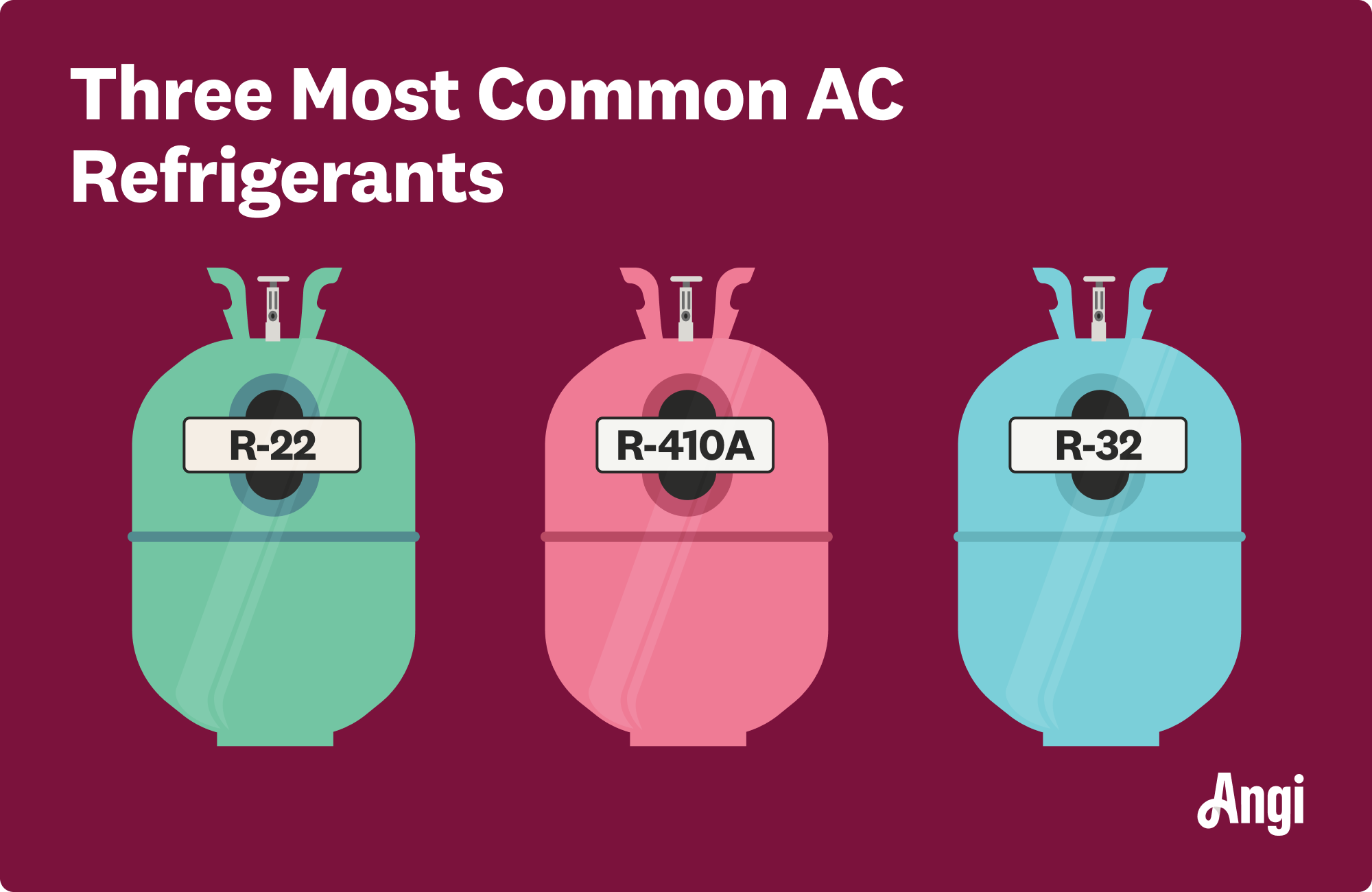
Governments are tightening rules on refrigerants to protect the environment. This means older systems using harmful chemicals may face bans or require costly replacements.
New regulations often push manufacturers to develop eco-friendly alternatives, which can be pricier upfront but cheaper to run. Are you ready to adapt to these changes before they impact your expenses?
Rising Energy Prices
Energy costs directly influence how much you pay for refrigerated air. As electricity prices rise, so does the cost of keeping things cool.
Investing in energy-efficient models or renewable energy sources like solar panels can help manage these rising costs. What steps can you take now to shield yourself from future price hikes?
Frequently Asked Questions
How Much Does Refrigerated Air Installation Cost?
Refrigerated air installation typically costs between $3,000 and $7,000. Prices vary based on system size, brand, and complexity of installation. Additional factors include ductwork and energy efficiency. Getting multiple quotes helps ensure competitive pricing. Maintenance and warranty also affect overall value.
What Affects The Price Of Refrigerated Air Units?
The price depends on unit size, cooling capacity, brand, and energy efficiency. Installation complexity and additional features like smart controls increase costs. Geographic location and labor rates also impact pricing. Proper sizing ensures efficient performance and cost savings.
How Much Does Refrigerated Air Cost To Operate Monthly?
Operating costs range from $30 to $100 monthly, depending on usage and electricity rates. Energy-efficient models reduce monthly expenses. Regular maintenance improves performance and lowers costs. Usage patterns and climate conditions also influence operating expenses.
Are There Cheaper Alternatives To Refrigerated Air?
Yes, alternatives include evaporative coolers and portable air conditioners. These options cost less upfront but may be less effective in humid climates. Refrigerated air systems provide consistent cooling and better air quality. Consider climate and budget before choosing alternatives.
Conclusion
Refrigerated air costs can vary based on several factors. Your location matters. So does the size of your home. Energy efficiency is crucial for controlling expenses. Budgeting helps in managing costs effectively. Regular maintenance keeps systems running smoothly. It also prevents costly repairs.
Considering these aspects will help in making informed choices. Research and compare different providers. Doing so ensures you find the best deal. Remember, comfort is important, but so is budgeting. Choose wisely to enjoy cool air without financial stress.