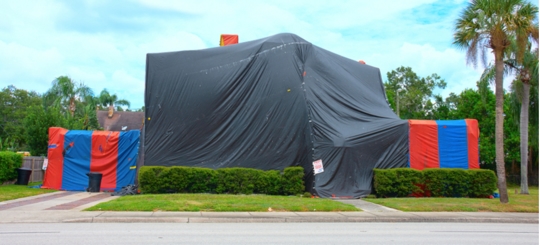
Thinking about tenting your house but worried about the cost? You’re not alone.
Knowing how much tenting a house costs can help you plan better and avoid surprises. You’ll discover the factors that affect the price, typical cost ranges, and tips to save money without compromising safety. Keep reading to get the clear answers you need before making this important decision for your home.

Credit: shelter-dome.com
Factors Affecting Tenting Costs
Tenting a house is a process to remove pests or chemicals safely. The cost varies based on several key factors. Understanding these factors helps you prepare your budget.
Each house and situation is unique. The price depends on what needs to be done and how difficult the job is.
Size Of The House
The bigger the house, the higher the cost. More space means more materials and time to cover and treat the area.
Large houses require bigger tents and more chemicals. Smaller homes take less time and fewer resources.
Extent Of Contamination
The level of infestation or contamination affects the price. Severe problems need stronger chemicals and longer treatment times.
Light contamination costs less because the process is simpler and faster.
- Low contamination: less chemical, shorter tenting
- Moderate contamination: medium chemical, moderate time
- Heavy contamination: large chemical use, longer tenting
Location And Accessibility
Where the house is located changes the cost. Remote or hard-to-reach homes may cost more due to travel and setup difficulties.
If the house is in a busy area, extra permits or restrictions might increase the price.
Type Of Chemicals Used
Different chemicals have different prices and safety levels. Some chemicals cost more but work faster or are safer for people and pets.
The choice depends on the pest type and local regulations. Using special chemicals may increase the total cost.
Duration Of The Process
The length of time needed to keep the tent up affects the cost. Longer processes use more labor and equipment time.
Some infestations require the tent to stay for days or weeks. Shorter treatments cost less but may not be enough for severe issues.
- Short duration: lower cost, faster treatment
- Long duration: higher cost, thorough treatment
Typical Cost Ranges
Tenting a house is a common method for fumigation and pest control. It involves covering the entire house with a large tent to trap chemicals inside.
The cost of tenting a house varies based on size, location, and other factors. Knowing typical price ranges helps homeowners plan their budgets.
Average Price For Small Homes
Small homes usually have fewer rooms and less square footage. This lowers the cost of tenting compared to bigger houses.
The average price to tent a small home ranges from $800 to $1,500. This price often covers the tenting process and initial pest treatment.
Costs For Medium And Large Homes
Medium and large homes require more materials and labor to cover the entire structure. This increases the price of tenting.
For medium homes, costs usually fall between $1,500 and $2,500. Large homes can cost $2,500 to $4,000 or more.
- Medium homes: 1,500 to 2,500 dollars
- Large homes: 2,500 to 4,000 dollars or higher
Additional Fees And Charges
Some costs may not be included in the base price. Extra fees can come from special treatments or difficult access.
- Removal or replacement of plants and outdoor furniture
- Extended tenting time for severe infestations
- Special chemicals for certain pests
- Permit fees required by local authorities
Cost Breakdown By Service Type
Tenting a house is a process to eliminate pests. The cost can vary based on services needed. Here is a breakdown by service type.
Understanding these costs helps you budget effectively for your home’s needs.
Basic Tenting And Fumigation
Basic tenting and fumigation are the main parts of pest control. This service seals your home with a tent. Fumigants are used to kill pests inside.
Costs depend on the house size and pest type. Most houses need this to remove termites or other insects.
- Small houses: $1,000 – $2,500
- Medium houses: $2,500 – $4,000
- Large houses: $4,000 – $7,000
Rodent And Pest Control Add-ons
Some homes need extra services for rodents or other pests. These add-ons are separate from basic tenting.
The cost varies based on pest type and severity. Regular checks can prevent future infestations.
- Rodent control: $200 – $500
- Ant or cockroach removal: $150 – $300
- Bee or wasp removal: $100 – $300
Post-treatment Cleaning
After fumigation, cleaning is essential. It ensures all chemicals are removed. This step makes your home safe to re-enter.
Professional cleaning services are often recommended. Costs depend on house size and cleaning depth.
- Basic cleaning: $100 – $300
- Deep cleaning: $300 – $600
- Full sanitization: $600 – $1,000

Credit: shelter-dome.com
Diy Vs Professional Tenting
Tenting a house is a process used to remove pests like termites. You can try doing it yourself or hire a professional. Each choice has different costs and risks.
This article looks at the risks of DIY tenting and the benefits of hiring experts. Knowing these can help you make a better decision.
Risks Of Diy Approaches
Doing tenting by yourself might seem cheaper but has many risks. Without the right tools and knowledge, the job can fail or cause harm.
- Improper sealing of the tent can let pests escape.
- Using wrong chemicals can be dangerous to health.
- Lack of experience may lead to missed pest areas.
- DIY tenting might damage your property.
- Costs can rise if mistakes require professional fixes.
Benefits Of Hiring Experts
Professionals bring safety and skill to tenting your house. They know how to handle chemicals and seal the tent correctly.
| Benefit | Details |
| Proper Equipment | Experts use tools to ensure full coverage and safety. |
| Experienced Handling | They identify pest areas you might miss. |
| Health Safety | Professionals reduce risks from chemicals. |
| Time Saving | Work finishes faster with trained workers. |
| Cost Effectiveness | Proper tenting lowers chances of re-treatment costs. |
Ways To Save On Tenting Costs
Tenting a house can be expensive. It helps remove pests and protect your home. Saving money is important for many homeowners.
There are several ways to lower the cost of tenting. These tips help you spend less without losing quality.
Seasonal Discounts And Offers
Many companies offer lower prices during slow seasons. Winter or early spring often have fewer jobs. This lets you get a better deal.
Look for special offers around holidays or local events. Some companies give discounts for first-time customers or multiple services.
- Book in off-peak seasons for lower rates
- Ask about holiday or event discounts
- Check for deals on combined services
Choosing The Right Service Provider
Pick a service provider with fair prices and good reviews. Compare several companies before making a choice. Cheaper is not always better, but some providers offer good value.
Ask for detailed quotes. A clear price list helps avoid surprises. Also, check if the company uses safe and effective materials.
- Compare multiple quotes before deciding
- Read customer reviews for quality
- Choose companies with clear pricing
- Confirm the safety of products used
Preventive Measures To Reduce Frequency
Taking care of your home can reduce how often you need tenting. Fix leaks and cracks where pests enter. Keep the area clean and dry.
Use pest control treatments regularly. This lowers pest numbers and stops big infestations. Less frequent tenting saves money over time.
- Seal cracks and holes in walls
- Remove food and water sources
- Schedule regular pest checks
- Use preventive pest control treatments
Regional Price Variations
The cost of tenting a house changes based on where you live. Different regions have different prices for materials and labor.
Knowing how your location affects the price helps you plan your budget better. This section looks at how costs vary by region.
Urban Vs Rural Costs
Tenting a house in a city usually costs more than in rural areas. Cities have higher labor and material prices.
Rural areas often have lower costs but may have fewer contractors available. Travel fees can also increase costs in some rural spots.
- Urban areas: Higher labor and material costs
- Rural areas: Lower base costs, possible travel fees
- Availability of contractors affects pricing
High-demand Areas
High-demand areas have more construction work. This demand pushes prices higher for tenting services.
In these areas, contractors may charge more due to busy schedules. You might also wait longer for the work to start.
- Prices rise with contractor demand
- Longer wait times may occur
- High-demand cities often have premium rates
Insurance And Warranty Considerations
Tenting a house protects it from pests during fumigation. It is important to understand insurance and warranty details before starting.
Knowing what coverage and guarantees you get helps avoid unexpected costs or issues.
Coverage For Tenting Services
Check if the tenting company has insurance for property damage. This protects your home if accidents happen.
Insurance may cover fire, structural damage, or injury during the tenting process. Ask the company to explain their policy.
- Verify the insurance limits and types of coverage
- Confirm if your homeowner’s insurance covers tenting damage
- Request proof of insurance from the service provider
Guarantee Periods And Follow-ups
Most tenting services offer a guarantee for pest control results. This period varies by company and treatment.
During the guarantee period, they may return for free follow-up treatments if pests come back.
- Ask about the length of the guarantee period
- Check what follow-up services are included
- Understand any conditions to keep the warranty valid

Credit: www.877termite.com
Frequently Asked Questions
What Factors Affect The Cost Of Tenting A House?
The cost depends on house size, location, tenting type, and pest severity. Larger homes and extensive infestations increase prices. Additional services like cleaning or repairs also raise costs.
How Much Does Tenting A Typical 2,000 Sq Ft House Cost?
Tenting a 2,000 sq ft house usually costs between $1,000 and $3,000. Prices vary based on region, pest type, and treatment complexity.
Is Tenting Covered By Homeowners Insurance?
Some policies cover tenting if caused by covered perils. Check with your insurer to confirm coverage and any claim requirements.
How Long Does Tenting A House Take?
Tenting and fumigation usually take 2 to 4 days. This includes setup, treatment, and airing out the house for safety.
Conclusion
Tenting a house usually costs between $1,000 and $4,000. The price depends on house size, location, and damage level. Always get quotes from trusted companies before deciding. Tenting keeps your home safe from pests and smoke during repairs. Understanding costs helps you plan your budget better.
Choose a reliable service for the best results. This protects your home and family during renovations or damage cleanup. Tenting offers peace of mind and safety in tough situations.