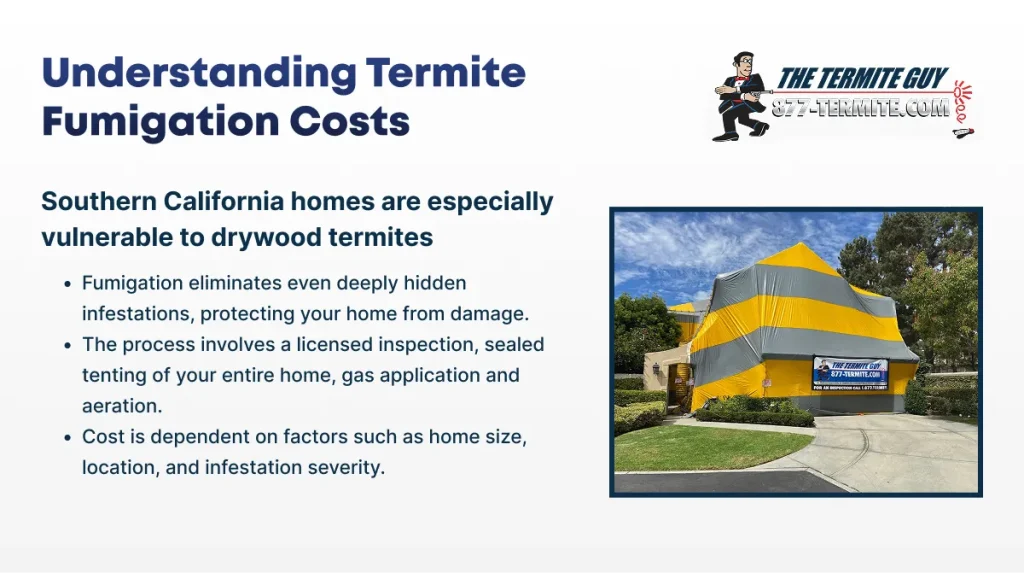
Are you worried about termites damaging your home? You’re not alone.
When it comes to getting rid of these pests, termite tenting is a powerful solution. But one question often stops people in their tracks: how much does termite tenting cost? Understanding the price can help you make the best decision for your home and budget.
You’ll discover the real costs involved, what affects the price, and how to get the best value for your money. Keep reading to protect your home without breaking the bank.

Credit: www.homeyou.com
Factors Influencing Termite Tenting Cost
Termite tenting is an effective way to eliminate termites from your property. The cost can vary based on several factors. Knowing these factors helps you plan your budget better.
This article explains the main elements that affect the cost of termite tenting services.
Property Size And Layout
The size and layout of your property play a big role in the cost of termite tenting. Larger homes require more materials and time to cover. Complex layouts with many rooms or levels also increase the work needed.
Properties with open floor plans or fewer rooms tend to cost less to tent. The total square footage is usually the first thing companies consider in their pricing.
Extent Of Termite Infestation
The level of termite damage affects the cost. If termites have spread widely, the treatment may take longer. Heavy infestations might require extra chemical use or follow-up visits.
- Light infestation: Minimal tenting and treatment needed
- Moderate infestation: Standard tenting with some repairs
- Severe infestation: Extensive tenting and possible structural repairs
Geographical Location
Costs vary by location due to local labor rates and regulations. Urban areas may have higher prices than rural ones. Weather and climate can also impact how often termite tenting is needed.
| Region | Typical Cost Range |
| Urban | $1,000 – $3,000 |
| Suburban | $800 – $2,500 |
| Rural | $700 – $2,000 |
Type Of Chemicals Used
Chemicals used in tenting vary in price and safety. Some treatments use stronger chemicals that cost more but work faster. Others use safer, eco-friendly options that may take longer.
Examples of chemical types:
- Fumigants – fast-acting, higher cost
- Baits – slower, moderate cost
- Non-toxic alternatives – eco-friendly, variable cost
Additional Services And Repairs
Extra services can raise the total cost. These include repairs to damaged wood or structural parts. Cleaning, sealing entry points, and follow-up inspections may also add to the price.
- Wood repair and replacement
- Post-treatment inspections
- Preventive maintenance services
- Cleaning and preparation before tenting
Average Price Range For Termite Tenting
Termite tenting is a common method to eliminate termites from homes. The cost depends on the size of the property.
Understanding the average price range helps homeowners plan their budget better. Let’s explore the costs for different property sizes.
Small Homes
Small homes usually have lower termite tenting costs. These homes are typically under 1,500 square feet.
The average cost for tenting a small home ranges from $1,000 to $2,500. This depends on the extent of the termite problem.
Medium-sized Properties
Medium-sized properties require more resources for tenting. These homes are between 1,500 and 2,500 square feet.
The average cost for these properties ranges from $2,500 to $3,500. The price varies with the level of infestation.
Large Properties And Commercial Buildings
Large properties and commercial buildings involve more extensive work. These places are often over 2,500 square feet.
The average cost for tenting such properties can range from $3,500 to $7,500. The price can be higher for severe infestations.
Cost Breakdown Of Termite Tenting
Termite tenting is a common method to remove termites from homes. It involves covering the house with a tent and using gas to kill the pests. The cost can vary based on several factors.
This guide explains the main costs involved in termite tenting. Understanding these helps you prepare your budget well.
Preparation Expenses
Preparation is the first step before tenting. It includes clearing the home and protecting belongings. This part may require extra work and time.
Costs for preparation depend on the size of the home and how much needs to be moved or covered.
- Removing plants and pets from the area
- Cleaning and sealing food items
- Moving furniture and fragile items
- Covering electronics and valuables
Fumigation Process Costs
The fumigation cost is the main part of termite tenting. It covers the gas used and the labor to set up and monitor the tent.
Prices vary by home size, location, and pest control company rates.
- Gas materials and equipment
- Labor to install the tent
- Monitoring during treatment
- Time needed to ventilate the home after fumigation
Post-treatment Inspection Fees
After fumigation, a follow-up inspection is needed. This checks if termites are gone and ensures safety.
Inspection fees cover the expert’s time and any testing tools used.
- Visual inspection of treated areas
- Use of detection tools if needed
- Reporting results and advice
Comparing Termite Tenting With Other Treatments
Termite tenting is one way to get rid of termites in a home. It is often compared with other termite treatments. Each method works differently and costs vary.
Here we look at three common termite treatments. These are liquid termiticide application, baiting systems, and heat and cold treatments. This helps you see how termite tenting compares.
Liquid Termiticide Application
This method uses chemicals to create a barrier in the soil around the house. It stops termites from entering or kills those inside.
| Aspect | Cost Range | Effectiveness | Time to Complete |
| Liquid Termiticide | $500 – $2,500 | Good for prevention and control | 1 to 2 days |
| Termite Tenting | $1,000 – $3,500 | Very effective for full colony removal | 2 to 5 days |
Baiting Systems
Baiting uses small stations placed around the home. Termites eat poison bait and share it with the colony. This slowly kills the termites.
- Lower upfront cost, usually $300 to $1,500
- Works over several months
- Needs regular monitoring
- Less invasive than tenting
Heat And Cold Treatments
These treatments use extreme temperatures to kill termites inside wood. Heat treatments raise temperature, and cold treatments use freezing methods.
- Cost varies between $1,000 and $4,000
- Good for small infestations in localized areas
- No chemicals used
- May not reach hidden colonies
Tips To Save On Termite Tenting
Termite tenting can be costly, but there are ways to reduce the expense. Knowing how to save helps you protect your home without spending too much.
This guide covers smart choices to lower the cost of termite tenting. You will learn about choosing a company, timing treatments, and keeping up with inspections.
Choosing The Right Pest Control Company
Select a pest control company with fair prices and good reviews. Compare quotes from different providers to find the best deal. Make sure they use safe and effective methods.
- Ask for itemized estimates
- Check for licenses and insurance
- Read customer feedback
- Confirm what services are included
- Inquire about guarantees or follow-up visits
Scheduling Treatments Off-season
Treating your home in off-peak times can lower costs. Pest control companies may offer discounts when demand is low. Scheduling in advance helps you get better rates.
| Season | Cost Trend |
| Spring | High |
| Summer | High |
| Fall | Medium |
| Winter | Low |
Regular Maintenance And Inspections
Keep your home termite-free with regular checks. Early detection stops damage and reduces the need for full tenting. Maintain your property to avoid costly treatments.
- Inspect wood structures annually
- Fix leaks and moisture issues
- Remove wood debris near the home
- Seal cracks in the foundation
- Schedule routine professional inspections

Credit: www.reddit.com
Signs You Need Termite Tenting
Termites cause serious damage to homes if not treated quickly. Knowing the signs helps you act fast. Termite tenting is a common way to get rid of them.
Look for early signs to decide if your home needs termite tenting. Catching termites early saves money and stress.
Visible Damage Indicators
Check wood surfaces for damage. Termites eat wood from inside out. This leaves hollow spots that are weak to touch.
Other signs include cracked or bubbling paint and small holes in wood. Floors or walls may sound hollow when tapped.
- Hollow or damaged wood
- Cracked or peeling paint
- Small holes in wood surfaces
- Soft or sagging floors and walls
Swarmers And Mud Tubes
Swarmers are winged termites that leave nests to start new colonies. Seeing them inside your home is a strong warning.
Mud tubes are thin tunnels termites build to travel safely. You often find these on walls or foundations.
- Flying swarmers near windows or lights
- Mud tubes on walls, foundation, or wood
- Discarded wings from swarmers
Professional Inspection Triggers
Schedule a professional termite inspection if you notice damage or signs. Experts spot hidden infestations early.
Inspectors use tools to find termites in walls, floors, and crawl spaces. They tell if tenting is needed.
- Unexplained wood damage
- Visible mud tubes or swarmers
- Recent home purchase or sale
- Previous termite treatments
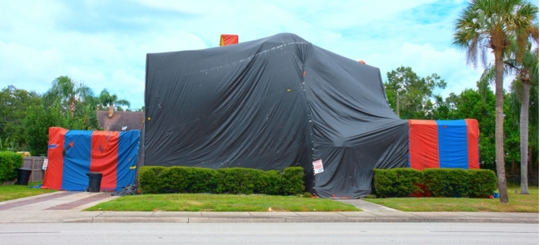
Credit: www.242pest.com
Frequently Asked Questions
What Factors Affect Termite Tenting Cost?
Termite tenting cost depends on home size, infestation severity, and location. Larger homes and severe infestations increase prices. Local labor rates and chemicals used also impact cost. Getting multiple quotes helps find the best price.
How Long Does Termite Tenting Usually Take?
Termite tenting typically takes 1 to 3 days. The process includes sealing your home, fumigation, and airing out. Time varies based on home size and infestation level. Follow-up treatments may be necessary for full termite elimination.
Is Termite Tenting Cost Worth The Investment?
Yes, termite tenting protects your home from costly damage. Early treatment saves repair expenses and maintains property value. Professional tenting offers effective, long-term termite control. Investing in termite tenting prevents future infestations and structural issues.
Can Homeowners Reduce Termite Tenting Expenses?
Homeowners can lower costs by preparing their home properly. Clearing clutter and following prep instructions speeds up treatment. Comparing multiple pest control quotes ensures competitive pricing. Regular inspections help catch termites early, reducing treatment complexity.
Conclusion
Termite tenting cost depends on several key factors. Size of your home plays a big role. The infestation level also affects the price. Treatment chemicals and company rates vary. Planning and budgeting help avoid surprises later. Regular inspections can prevent costly damage.
Protect your home with timely termite control. Choose a trusted professional for safe treatment. Understanding costs helps you make smart decisions. Keep your home safe and termite-free.