Are you curious about how much your air conditioner really costs to run? You might be surprised to learn that even small changes can make a big difference in your energy bill.
Understanding these costs can help you take control of your expenses and keep your home cool without breaking the bank. You’ll discover simple facts and tips that could save you money all summer long. Keep reading to find out exactly what affects your AC’s running cost and how you can lower it starting today.
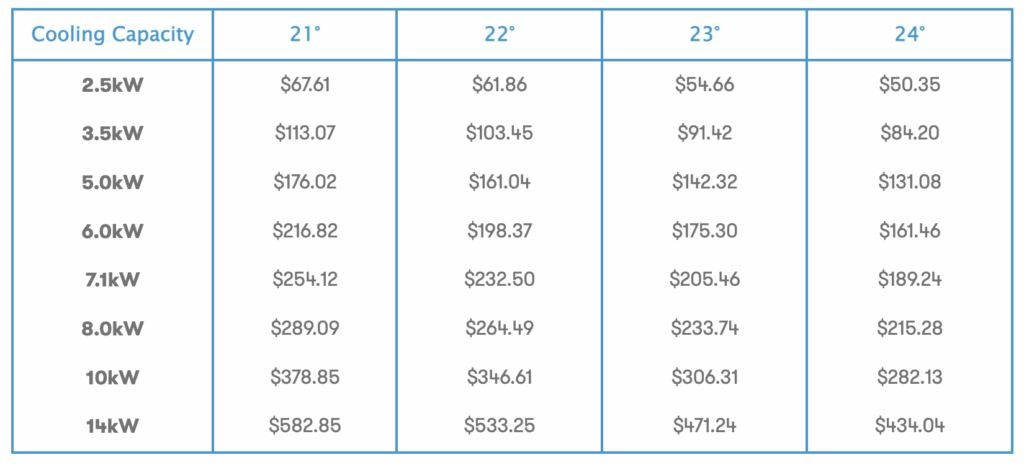
Credit: www.furnaceprices.ca
Air Conditioner Energy Use
Air conditioners use electricity to cool indoor spaces. The cost to run them depends on their energy use.
Knowing how much energy your air conditioner uses helps you manage your electric bill better.
Factors Influencing Energy Consumption
Several things affect how much energy an air conditioner uses. Size, usage time, and temperature settings matter.
Older models often use more electricity than newer, efficient ones. Proper maintenance keeps energy use low.
- Room size and insulation quality
- Outside temperature and humidity levels
- Thermostat settings and usage duration
- Age and condition of the air conditioner
- Regular maintenance and filter cleaning
Types Of Air Conditioners And Efficiency
Different air conditioners use electricity at different rates. Some types are more efficient than others.
Split systems, window units, and portable air conditioners vary in power and energy use.
| Type | Energy Efficiency | Typical Use |
|---|---|---|
| Central Air Conditioner | High | Whole house cooling |
| Window Unit | Medium | Single room cooling |
| Portable AC | Low to Medium | Temporary or spot cooling |
| Mini-Split System | High | Room or zone cooling |
Seasonal Variations In Usage
Air conditioner energy use changes with the seasons. Summer needs more cooling than spring or fall.
In hot months, air conditioners run longer. This increases electricity costs during summer.
- Summer: High usage, higher energy costs
- Spring/Fall: Moderate usage, moderate costs
- Winter: Little to no use, low costs

Credit: au.jackery.com
Calculating Running Costs
Running an air conditioner uses electricity, which costs money. Knowing how much it costs helps you plan your budget.
This guide explains how to calculate the cost to run your air conditioner.
Understanding Power Ratings
Air conditioners have power ratings shown in watts or kilowatts. This number tells how much electricity the unit uses each hour.
The higher the power rating, the more energy the air conditioner uses.
- 1 kilowatt (kW) equals 1,000 watts (W)
- Look for the power rating on the AC label or manual
- Power rating helps estimate energy use
Estimating Daily And Monthly Costs
To find daily cost, multiply power rating by hours used per day. Then multiply by your electricity price.
Multiply daily cost by days in the month to get monthly cost.
| Formula | Description |
|---|---|
| Power (kW) × Hours Used × Electricity Rate ($/kWh) | Daily Running Cost |
| Daily Cost × Days Used | Monthly Running Cost |
Impact Of Electricity Rates
Electricity rates vary by location and provider. Higher rates increase the cost to run your air conditioner.
Check your electricity bill to find the exact rate per kilowatt-hour (kWh).
- Rates may change by season or time of day
- Some areas offer lower rates at night
- Knowing your rate helps control electricity costs
Cost-saving Tips
Running an air conditioner can add up on your electricity bill. Small changes help save energy and money.
Here are some simple tips to lower your AC running costs without losing comfort.
Optimizing Thermostat Settings
Set your thermostat to a higher temperature when you are not home. Each degree higher can cut your energy use by 3% to 5%.
- Keep the thermostat at 78°F (26°C) when home.
- Raise it to 85°F (29°C) or turn off when away.
- Use a programmable thermostat to adjust automatically.
Regular Maintenance Benefits
Clean and check your AC unit regularly to keep it running efficiently. Dirty filters and coils increase energy use.
| Maintenance Task | Frequency | Benefit |
| Change air filters | Every 1-3 months | Improves airflow and efficiency |
| Clean coils | Yearly | Reduces energy waste |
| Check refrigerant levels | Yearly | Ensures proper cooling |
Using Fans And Ventilation
Fans help circulate air and make you feel cooler. Use them with your air conditioner to raise the thermostat setting.
Open windows early in the morning or late at night to let cool air in. Close them during the day to keep heat out.
Energy-efficient Models
Choose air conditioners with a high Energy Efficiency Ratio (EER) or Seasonal Energy Efficiency Ratio (SEER). They use less power to cool the same area.
- Look for ENERGY STAR certified models.
- Consider inverter technology units for steady cooling.
- Choose the right size for your room to avoid waste.

Credit: northnjhvac.com
Comparing Alternative Cooling Methods
Cooling your home can cost different amounts depending on the method you use. Some options use less electricity and cost less to run.
Let’s look at three popular cooling choices and compare how much they cost to operate.
Evaporative Coolers
Evaporative coolers use water to cool air. They work best in dry climates. These coolers use much less electricity than air conditioners.
The running cost is low because they only use power for a fan and water pump. They also add moisture to the air.
- Uses water evaporation to cool air
- Best for dry areas
- Lower electricity use than AC
- Costs less to run
Portable Air Conditioners
Portable air conditioners cool a single room. They use more electricity than evaporative coolers but less than central AC units.
These units are easy to move and set up. They have higher running costs compared to fans or evaporative coolers.
- Cool one room at a time
- Use moderate electricity
- More expensive to run than fans
- Portable and easy to install
Ceiling Fans
Ceiling fans do not lower air temperature. They move air to help your skin feel cooler. Fans use very little electricity.
They cost the least to run and can be used with other cooling methods to save energy.
- Do not cool the air
- Help sweat evaporate for cooling effect
- Use very little electricity
- Lowest running cost
Smart Technology And Automation
Smart technology helps reduce the cost of running an air conditioner. Automation adjusts settings for comfort and savings.
Using smart tools lets you control your air conditioner easily. It improves energy use and lowers bills.
Smart Thermostats
Smart thermostats learn your habits and adjust the temperature automatically. They keep your home cool without wasting energy.
- Set temperatures based on your daily schedule
- Adjust settings from your phone
- Receive alerts for maintenance or unusual energy use
- Save energy by reducing cooling when no one is home
Scheduling And Remote Control
Scheduling lets you set your air conditioner to run only when needed. Remote control gives you power anytime, anywhere.
- Turn the AC on before you arrive home
- Turn it off when you leave
- Set different temperatures for day and night
- Use apps on your phone or tablet
Energy Monitoring Tools
Energy monitoring tools show how much power your air conditioner uses. They help you find ways to save money.
| Tool | Function | Benefit |
| Smart Meter | Tracks energy use in real-time | Spot high usage quickly |
| Usage Reports | Shows daily and monthly consumption | Understand patterns and reduce waste |
| Cost Estimates | Calculates running cost based on usage | Plan your budget better |
Environmental Impact
Air conditioners use a lot of electricity. This adds to greenhouse gas emissions. These gases harm our planet.
We must think about how much energy air conditioning uses. This helps us lower its effect on the environment.
Reducing Carbon Footprint
Running an air conditioner creates carbon dioxide. This gas warms the earth and causes climate change.
You can cut your carbon footprint by using air conditioning less. Also, keep your unit clean and well-maintained.
- Set thermostat to a higher temperature
- Use fans to help cool rooms
- Seal windows and doors to keep cool air inside
- Turn off AC when not needed
- Use energy-efficient air conditioners
Refrigerants And Eco-friendly Options
Air conditioners use refrigerants to cool air. Some refrigerants harm the ozone layer and add to global warming.
New eco-friendly refrigerants cause less damage. Choosing these options helps protect the environment.
- R-410A: A common, less harmful refrigerant
- R-32: Has lower global warming potential
- Natural refrigerants like propane and CO2
- Look for AC units labeled “eco-friendly” or “low GWP”
Frequently Asked Questions
What Factors Affect Air Conditioner Running Costs?
The running cost depends on unit efficiency, size, and usage duration. Electricity rates and local climate also influence costs. Regular maintenance improves efficiency and reduces expenses. Proper insulation and thermostat settings can further optimize energy use.
How Can I Reduce My Air Conditioner Costs?
To reduce costs, set the thermostat wisely and use ceiling fans. Ensure regular maintenance and clean filters. Improve home insulation to retain cool air. Consider upgrading to an energy-efficient model for long-term savings.
Is It Cheaper To Run Ac At Night?
Running AC at night can be cheaper due to cooler temperatures. This reduces the workload on the unit. Many regions also offer lower electricity rates during off-peak hours. Using a programmable thermostat can maximize savings.
Does Air Conditioner Size Impact Cost?
Yes, an improperly sized unit can increase costs. A too-small AC overworks, while a too-large one cycles inefficiently. Both scenarios waste energy. Ensure correct sizing by consulting an HVAC professional for optimal performance and cost efficiency.
Conclusion
Running an air conditioner costs depend on many factors. Energy use, unit size, and local rates affect your bill. Using the AC smartly helps save money. Setting a higher temperature in summer lowers costs. Regular maintenance keeps the unit working well and efficient.
Small changes in use add up over time. Knowing these tips helps control your monthly expenses. Stay cool without overspending by managing your AC wisely.