
Have you ever wondered how much your refrigerator actually weighs? Whether you’re moving to a new home, planning a delivery, or just curious, knowing the average weight of a fridge can save you time and hassle.
You might think it’s just a bulky appliance, but the weight can vary a lot depending on the type and size. You’ll discover exactly what factors affect your refrigerator’s weight and why that matters for you. Keep reading to find out the surprising details that could make your next move or purchase much easier.
Factors Influencing Refrigerator Weight
Understanding what affects a refrigerator’s weight can help you make smarter choices, especially if you need to move it or fit it into a tight space. The weight isn’t just a number; it reflects the fridge’s build, size, and features. Let’s break down the main factors that decide how heavy your refrigerator might be.
Size And Capacity
The bigger the fridge, the heavier it usually is. A compact mini-fridge can weigh as little as 50 pounds, while a large side-by-side model may tip the scales at over 350 pounds. Your fridge’s capacity, measured in cubic feet, directly influences its weight because it requires more materials to build a larger cooling space.
Think about your own kitchen space—how much room do you really need? Choosing a fridge that’s too large might add unnecessary weight and make moving it a hassle.
Materials Used
Different materials affect the weight significantly. Refrigerators built with stainless steel doors and heavy-duty insulation layers will weigh more than those with plastic or aluminum components. The insulation is critical for keeping food cold, but thicker insulation adds bulk and weight.
Imagine you’re lifting the fridge yourself—would you prefer a lighter one with less insulation or a heavier model that keeps food colder for longer? The materials also influence durability and energy efficiency, so weight and function often go hand in hand.
Design And Features
Extra features like built-in ice makers, water dispensers, and smart technology add to the overall weight. Each additional component requires space and sturdy housing, increasing the fridge’s mass. Even the style—whether it’s French door, top freezer, or bottom freezer—affects how the weight is distributed and how heavy the fridge feels.
Have you ever struggled to move a fridge with extra attachments? Those features can be handy, but they also mean you’ll need more muscle or help during installation. Considering what you really need can save you from lugging around unnecessary pounds.

Credit: www.homedepot.com
Weight Ranges For Different Types
Refrigerator weights vary by type, with compact models weighing less than full-size ones. Side-by-side and French door fridges usually weigh more due to their size and features. Understanding these ranges helps in planning for delivery or installation.
Understanding the weight of a refrigerator is crucial when planning your kitchen layout or preparing for a move. Different types of refrigerators have varying weight ranges, and knowing these can help you make informed decisions. Let’s dive into the specifics of how much different types of refrigerators typically weigh.Top-freezer Models
Top-freezer models are a classic choice, often seen in apartments and smaller homes. These refrigerators usually weigh between 200 to 300 pounds. Their design prioritizes function over form, making them a practical, space-saving option.Bottom-freezer Models
Bottom-freezer models offer easy access to fresh foods and are slightly heavier. You can expect them to weigh around 250 to 350 pounds. Their increased weight is due to added features and a more complex design.Side-by-side Models
Side-by-side models split the refrigerator and freezer vertically. These can weigh between 250 to 400 pounds. Their design caters to those who need more freezer space without sacrificing refrigerator capacity.French Door Models
French door refrigerators are the epitome of modern kitchen trends. They often weigh between 300 to 450 pounds. The added weight comes from their sophisticated design and advanced cooling technology.Compact Refrigerators
Compact refrigerators are ideal for dorm rooms or small offices. They typically weigh between 40 to 100 pounds. Their lightweight and portable nature make them a favorite for those with limited space. When choosing a refrigerator, think about how its weight might impact your space and mobility needs. Is the convenience worth the extra pounds? Consider these factors to find the perfect fit for your home.How Weight Affects Installation
The weight of your refrigerator plays a crucial role in how you install it. It’s not just about getting it through the door; the heaviness affects moving, floor support, and even energy usage. Understanding these impacts helps you avoid costly mistakes and keeps your kitchen safe and efficient.
Moving And Transporting
Refrigerators can weigh anywhere from 150 to over 300 pounds. This weight makes moving them a challenge, especially if you don’t have the right tools or help. Have you ever tried to maneuver a heavy fridge alone? It’s risky and can cause damage to your floors or walls.
Using a dolly or getting assistance from a friend can make a huge difference. Plan your route ahead, measuring doorways and hallways to ensure the fridge fits easily. Protect the appliance with blankets or padding to prevent scratches during transport.
Space And Floor Support
The floor underneath your refrigerator needs to support its weight without bending or cracking. Older homes or apartments might have floors that can’t handle heavy appliances. If your fridge is very heavy, check the floor’s strength before installation.
Also, consider the space around the refrigerator. A heavier model may require sturdier shelves or stands if you plan to elevate it. Have you checked if your kitchen floor has any weak spots? Reinforcing the floor or choosing a lighter model could save you from future headaches.
Energy Efficiency Considerations
You might not expect weight to affect energy use, but it does. Heavier refrigerators often have larger compressors and more insulation, which can improve energy efficiency. However, if the fridge is too heavy and causes improper leveling, it may strain the motor and increase electricity bills.
Ensuring your fridge is installed on a flat, stable surface helps it run smoothly. Pay attention to how the weight distributes on the floor. Could a slightly lighter model better fit your kitchen without sacrificing energy savings? Sometimes, balancing weight and efficiency leads to the best choice.
Credit: mygoodmovers.com
Tips For Handling Heavy Refrigerators
Handling a heavy refrigerator requires care and the right approach. Moving it without proper steps can cause injuries or damage. Use these tips to manage the weight safely and efficiently.
Using Proper Equipment
Always use tools designed for heavy lifting. A furniture dolly or appliance cart helps move refrigerators easily. Straps can secure the fridge to the dolly, preventing slips. Use gloves to improve grip and protect your hands. Avoid dragging the appliance to protect floors and the refrigerator.
Safety Precautions
Clear the path before moving the refrigerator. Remove obstacles to avoid tripping. Wear sturdy shoes with good support. Lift with your legs, not your back. Keep your back straight and bend your knees. Don’t rush; move slowly and carefully. Communicate with helpers to coordinate movements. Stop immediately if you feel pain or strain.
Hiring Professionals
Consider hiring movers for large or heavy refrigerators. Professionals have experience and the right equipment. They reduce the risk of injury and damage. This option saves time and effort. Check reviews before choosing a moving service. Ask about their experience with appliances. Hiring experts ensures a safer move for your fridge.
Comparing Weight To Other Appliances
Understanding the weight of a refrigerator helps when comparing it to other home appliances. Weight affects handling, moving, and installation. Different appliances have different average weights based on size and function.
Comparing the refrigerator’s weight to other appliances gives a clearer idea of its heft. This comparison helps you prepare for transport or decide on space and support.
Refrigerator Vs. Freezer
Freezers often weigh close to refrigerators but can be heavier. Chest freezers are bulkier and heavier than upright freezers. Upright freezers and refrigerators share similar designs, so their weights are often comparable.
Average refrigerator weight: 150-300 pounds.
Average freezer weight: 200-350 pounds.
Refrigerator Vs. Washing Machine
Washing machines are usually heavier than refrigerators. Their motors, water tanks, and metal parts add weight. Front-load washers tend to weigh more than top-load models.
Average refrigerator weight: 150-300 pounds.
Average washing machine weight: 200-350 pounds.
Refrigerator Vs. Dishwasher
Dishwashers generally weigh less than refrigerators. They are smaller and lack heavy compressors. Built-in dishwashers weigh more than portable models.
Average refrigerator weight: 150-300 pounds.
Average dishwasher weight: 100-150 pounds.
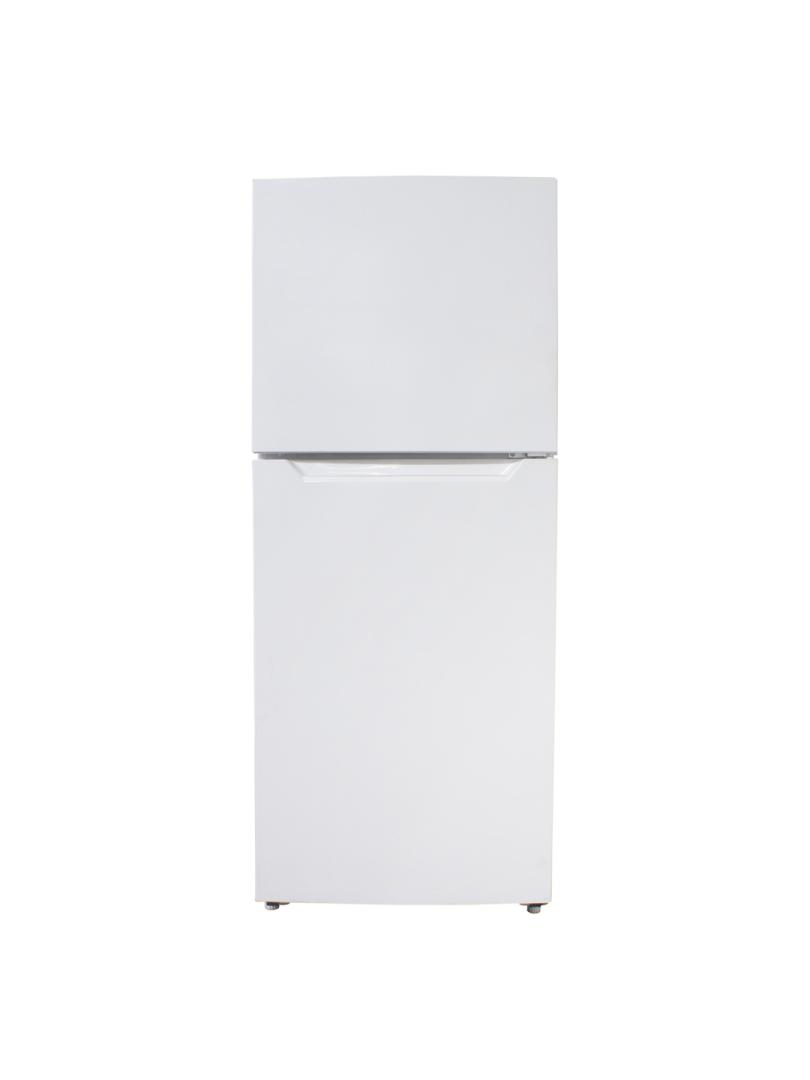
Credit: www.danby.com
Frequently Asked Questions
How Much Does A Standard Refrigerator Weigh?
A standard refrigerator typically weighs between 200 to 400 pounds. The exact weight depends on size and model. Larger refrigerators generally weigh more due to extra components. Always check the manufacturer’s specifications for precise weight details.
What Factors Affect A Refrigerator’s Weight?
Refrigerator weight is influenced by size, materials, and features. Larger capacity models use more metal and insulation. Additional features like ice makers or double doors add weight. Energy efficiency components may also impact the overall weight.
How Heavy Is A Mini Fridge On Average?
Mini fridges usually weigh between 20 and 50 pounds. Their compact size and fewer components make them lighter. They are easier to move and ideal for small spaces or dorm rooms.
Why Is Knowing Refrigerator Weight Important?
Knowing the refrigerator’s weight helps during moving or installation. It ensures proper handling to avoid damage or injury. Weight also affects transportation costs and compatibility with delivery equipment.
Conclusion
Knowing the average refrigerator weight helps with moving and installation. Most models weigh between 150 and 300 pounds. Larger fridges are heavier, while compact ones weigh less. Always check the product details before buying or moving. Proper planning makes handling easier and safer.
Remember, weight affects delivery and setup costs too. Keep these points in mind for a smooth experience.