Are you planning to move or install a new washer and dryer but wondering how much they actually weigh? Knowing the weight of your appliances is more important than you might think.
It affects everything from transportation and installation to the safety of your floors and the effort you’ll need to put in. You’ll discover the typical weights of washers and dryers, plus some handy tips to make handling them easier. Keep reading to avoid surprises and make your laundry setup smooth and stress-free.
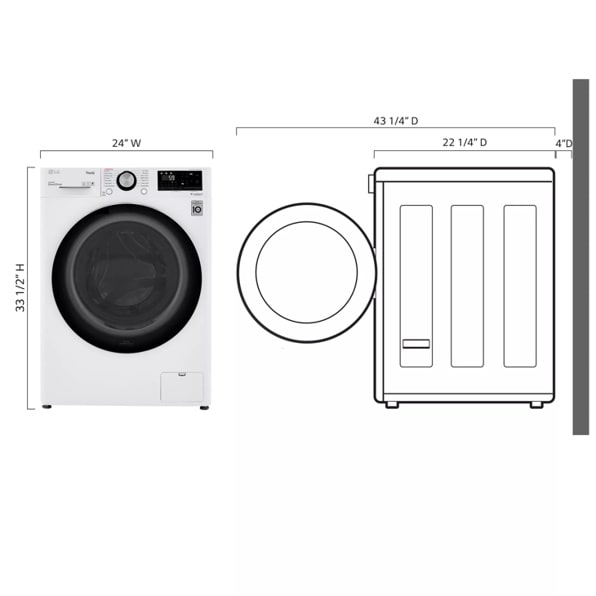
Average Washer Weight
Washers come in different sizes and styles. Their weight varies depending on the type and capacity.
Knowing the average weight helps with moving and installation. It also helps plan for space and support.
Top-loading Washers
Top-loading washers have a lid on top and load clothes from above. They are usually heavier than compact washers.
The average weight for top-loading washers ranges from 150 to 200 pounds. Larger models can weigh even more.
- Standard size: 150 to 200 pounds
- High capacity models: up to 220 pounds
- Weight depends on materials and motor size
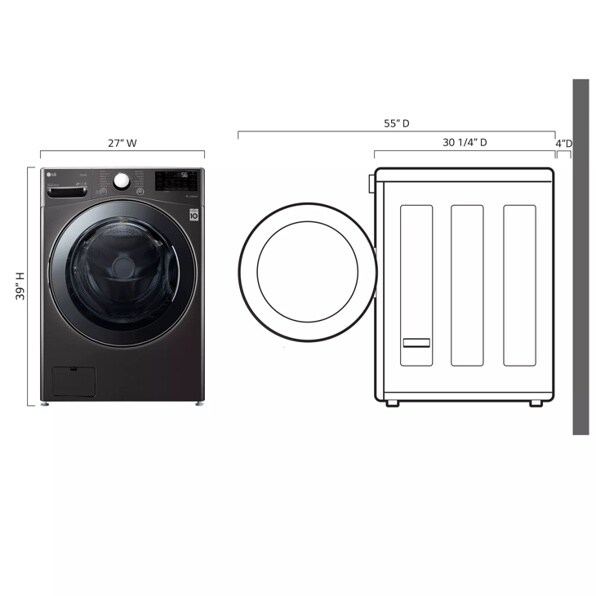
Front-loading Washers
Front-loading washers have a door on the front. They use less water and energy but can be heavier than top loaders.
These washers typically weigh between 175 and 250 pounds. High-end models may weigh more.
- Average weight: 175 to 250 pounds
- Heavy-duty models: up to 275 pounds
- Metal drums add to the weight
Compact Washers
Compact washers are smaller and fit in tight spaces. They weigh much less than full-size washers.
Most compact washers weigh between 70 and 110 pounds. They are easy to move and install.
- Weight range: 70 to 110 pounds
- Ideal for apartments and small homes
- Lightweight design with smaller drums

Credit: www.geappliances.com
Average Dryer Weight
Dryers come in different sizes and types. Each type has a different weight range.
Knowing the average weight helps with moving and installation plans.
Electric Dryers
Electric dryers use electricity to dry clothes. They are common in many homes.
The average electric dryer weighs between 100 and 140 pounds. Larger models may weigh more.
- Small electric dryers: around 100 pounds
- Standard electric dryers: 120 to 140 pounds
- Heavy-duty models: up to 150 pounds
Gas Dryers
Gas dryers use natural gas or propane to dry clothes. They need a gas line connection.
Gas dryers usually weigh a bit more than electric dryers. Their average weight is 120 to 150 pounds.
- Compact gas dryers: about 110 pounds
- Standard gas dryers: 130 to 150 pounds
- Large gas dryers: can exceed 150 pounds
Compact Dryers
Compact dryers are smaller and fit in tight spaces. They are good for small homes or apartments.
These dryers weigh less, typically between 50 and 90 pounds. They are easier to move.
- Smallest compact dryers: around 50 pounds
- Average compact dryers: 60 to 80 pounds
- Larger compact models: up to 90 pounds
Factors Affecting Weight
The weight of a washer and dryer depends on several key factors. These factors change the total heaviness of the machines.
Knowing these factors helps when moving or installing the appliances. It also affects shipping and handling costs.
Materials Used
Washers and dryers are made from different materials. The type and quality of materials affect their weight.
Metal parts like steel add more weight than plastic parts. Heavy-duty machines often use more metal.
- Steel frames and drums add durability and weight
- Plastic panels reduce the overall weight
- Glass doors add some extra weight compared to plastic doors
Size And Capacity
Larger washers and dryers weigh more than smaller ones. Size usually relates to the machine’s capacity.
Capacity is how much laundry the machine can hold. Bigger capacity means bigger and heavier parts.
- Small machines weigh less but hold fewer clothes
- Large machines have bigger drums and motors, increasing weight
- Stacked washer-dryer combos can weigh more than separate units
Additional Features
Extra features add weight to washers and dryers. Features often include more parts and heavier materials.
Some features require additional components like water heaters or sound insulation. These parts increase the total weight.
- Built-in water heaters add metal parts and weight
- Extra insulation for noise reduction adds material weight
- Advanced electronics and motors may increase weight slightly
Credit: www.lg.com
Why Weight Matters
The weight of a washer and dryer affects many things. It is important to know why weight matters before buying or moving these appliances.
Heavy appliances need special care during transport and installation. Also, their weight impacts floor support and energy use.
Transportation And Installation
Washers and dryers can weigh between 150 to 300 pounds. Moving heavy machines requires strong equipment and extra help.
- Use a dolly or hand truck for easier movement.
- Have at least two people to lift heavy appliances.
- Clear the path to avoid accidents during transport.
- Check door sizes to ensure the appliance fits through.
Floor Support And Placement
Heavy washers and dryers need strong floors for safe placement. Weak floors might crack or sag under the weight.
| Appliance | Average Weight (lbs) | Floor Support Needed |
|---|---|---|
| Washer | 150 – 250 | Strong and stable surface |
| Dryer | 100 – 200 | Even and firm floor |
| Washer & Dryer Set | 250 – 450 | Reinforced floor recommended |
Energy Efficiency Impact
Weight can influence energy use. Heavier machines may use more power to operate but often have better build quality.
- Heavier washers tend to have stronger motors.
- Strong motors can handle larger loads efficiently.
- Energy-efficient models balance weight and power use.
- Lighter machines may be less durable over time.
Tips For Moving Heavy Appliances
Moving a washer and dryer can be difficult due to their size and weight. These appliances often weigh between 150 and 250 pounds each. Preparing well makes the move safer and easier.
Using the right tools and taking safety steps protects you and your home. You can also consider hiring professionals for heavy lifting. Below are some useful tips for moving these appliances.
Proper Equipment To Use
Using the correct equipment helps you move heavy washers and dryers without injury. It also prevents damage to the appliances and your floors.
- Dolly or hand truck with straps for secure lifting
- Moving blankets or pads to protect surfaces
- Furniture sliders to move appliances across floors easily
- Heavy-duty gloves to improve grip and protect hands
- Rope or bungee cords to secure appliances during transport
Safety Precautions
Safety is very important when moving heavy appliances. These tips reduce the risk of injury and damage.
| Safety Tip | Reason |
| Lift with your legs, not your back | Prevents back strain and injury |
| Clear the path before moving | Avoids trips and falls |
| Wear closed-toe shoes | Protects feet from dropped objects |
| Do not move appliances alone | Heavy weight requires multiple people |
| Disconnect power and water | Prevents electrical shock and leaks |
Hiring Professional Movers
Professional movers have experience and tools to move heavy washers and dryers safely. They reduce your effort and risk.
- They handle lifting, loading, and unloading
- Have insurance for damage or injury
- Use proper equipment to protect appliances
- Can move appliances quickly and efficiently
- Offer packing and unpacking services if needed

Credit: www.lg.com
Frequently Asked Questions
How Much Does A Typical Washer Weigh?
A typical washing machine weighs between 150 to 250 pounds. The weight varies by model size and type. Front-load washers tend to be heavier than top-load washers.
What Is The Average Weight Of A Dryer?
Dryers usually weigh between 125 to 175 pounds. The exact weight depends on the brand and whether it’s electric or gas-powered.
Do Washer And Dryer Weights Affect Installation?
Yes, heavier washers and dryers may require professional installation. Proper handling ensures safety and prevents damage during setup.
How Do Compact Washers And Dryers Compare In Weight?
Compact washers and dryers typically weigh between 100 to 150 pounds. They are lighter and easier to move than standard full-size units.
Conclusion
Knowing the weight of washers and dryers helps with moving and installation. Most washers weigh between 150 to 250 pounds. Dryers usually weigh a bit less, around 100 to 200 pounds. This range depends on the model and size. Always check the specific weight before planning transport.
Proper handling avoids damage and injury. Understanding these weights makes your laundry setup easier and safer. Keep this info handy for smooth appliance handling.