Wondering how much it really costs to run your window air conditioner? You’re not alone.
When the summer heat hits, keeping your space cool without breaking the bank becomes a top priority. But the truth is, the cost can vary a lot depending on how you use it and your local electricity rates. You’ll discover simple ways to understand your air conditioner’s energy use and practical tips to keep your bills low.
Ready to save money while staying cool? Let’s dive in.
Factors Affecting Running Costs
Energy efficiency ratingsshow how much power a unit uses. Higher ratings mean lower electricity bills. Choosing a model with a good rating saves money over time.
Unit size and capacitymatter. Bigger rooms need bigger units. A too-small unit works hard and wastes energy. A too-large unit cools quickly but uses more power.
Usage duration and frequencyaffect costs. Running the unit all day costs more than a few hours. Using it only when needed keeps bills low.
Local electricity ratesvary by location. Higher rates mean higher running costs. Check your local price per kilowatt-hour to estimate expenses.
Calculating Daily And Monthly Expenses
Estimating power consumptionhelps find daily and monthly costs. Check the air conditioner’s wattage, usually on the label. Multiply watts by hours used per day for daily watt-hours. Divide by 1,000 to get kilowatt-hours (kWh). Multiply kWh by your electricity rate for cost.
| Usage Time | Power (Watts) | Energy Used (kWh) | Cost per kWh | Daily Cost | Monthly Cost (30 days) |
|---|---|---|---|---|---|
| 8 hours | 500 | 4.0 | $0.12 | $0.48 | $14.40 |
| 12 hours | 500 | 6.0 | $0.12 | $0.72 | $21.60 |
- Use online calculators to get quick estimates.
- Input wattage, usage hours, and electricity cost.
- Adjust numbers to see different scenarios.
- Helps plan your budget better and save money.
Ways To Reduce Energy Consumption
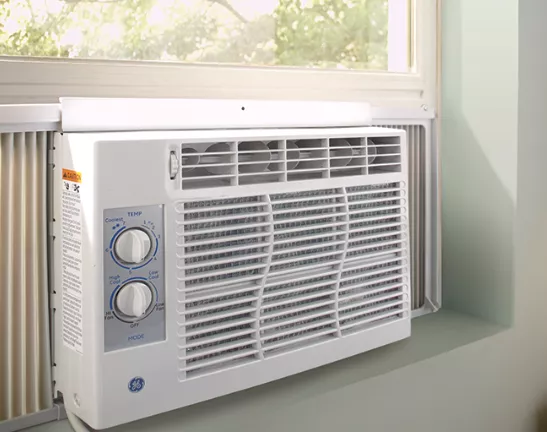
Proper installationhelps your air conditioner work better and use less energy. Make sure the unit fits snugly in the window to stop air leaks. Avoid placing it where the sun shines directly, as this makes the unit work harder.
Keep the unit clean by checking and changing filtersregularly. Dirt blocks airflow and lowers efficiency. Clean the coils and fins to keep cold air flowing freely.
Set the thermostat to an optimal temperature, usually around 78°F (25°C). Lower settings use more power. Use fans to help spread cool air, reducing the need for very cold temperatures.
- Use timers to turn the unit off when no one is home.
- Smart controls let you adjust settings remotely.
- These tools save energy and cut costs.
Credit: www.premium-electric.ca
Comparing Window Ac With Other Cooling Options
Portable AC unitscost more to run than window ACs. They use more energy because they need extra power to push air through a hose. These units cool small spaces but are less efficient for large rooms.
Central air conditioningcools entire homes but uses much more electricity. The running cost depends on home size and system efficiency. It is best for whole-house cooling but more expensive than window ACs.
Fans and evaporative coolersuse very little electricity. Fans only move air, so they cost the least to run. Evaporative coolers add moisture and cool air but work best in dry climates. Both options are cheaper but less effective for strong cooling.
Choosing The Right Window Ac For Savings
Energy Star certified modelsuse less power. They cost less to run each month. These models cool rooms efficiently without wasting energy. Choosing an Energy Star AC helps reduce electricity bills and lowers environmental impact.
Size matters. A unit too small will run all the time and use more power. A unit too big cools quickly but wastes energy by turning on and off often. A good size fits your room perfectly for best energy use.
| Room Size (sq. ft.) | Recommended BTU | Energy Use |
|---|---|---|
| 100-150 | 5,000-6,000 | Low |
| 150-250 | 6,000-8,000 | Moderate |
| 250-350 | 8,000-10,000 | Moderate to High |
Higher BTU units cost more but cool faster. Smaller units save money but may run longer. Balance cost and performance for your needs. Think about how often you use the AC and your budget.

Credit: dolphincooling.com
Seasonal And Long-term Cost Considerations
Peak usagetimes can cost more to run a window air conditioner. Rates often rise during hot afternoons when many people use AC units.
Using the air conditioner during off-peak hourscan lower energy bills. Early mornings or late evenings usually have cheaper rates.
The climateaffects how long the air conditioner runs. Hotter areas use more energy. Good home insulationhelps keep cool air inside, reducing costs.
Old or poorly sealed windows let warm air in and cold air out. This makes the AC work harder and use more electricity.
| Consideration | Impact |
|---|---|
| Age of Unit | Older models use more energy and cost more to run. |
| Energy Efficiency | Newer, efficient models save money over time. |
| Regular Maintenance | Keeps the unit running smoothly and reduces energy use. |
| Upgrade Timing | Replacing before failure can save on repair and energy costs. |

Credit: www.forbes.com
Frequently Asked Questions
How Much Does It Cost To Run A Window Air Conditioner?
Running a window air conditioner typically costs between $0. 50 and $1. 50 per hour. The exact cost depends on your unit’s wattage and local electricity rates. Efficient models consume less power, reducing overall expenses. Usage duration and temperature settings also affect the total cost.
What Factors Affect Window Ac Running Costs?
Energy consumption, unit size, efficiency rating, and local electricity rates impact running costs. Frequent use and higher cooling demands increase power usage. Proper maintenance and insulation help lower costs. Choosing an ENERGY STAR certified model can significantly reduce energy expenses.
How Can I Reduce My Window Ac Electricity Bill?
Use a programmable thermostat to control cooling times. Ensure proper sealing around the unit to prevent air leaks. Regularly clean or replace filters for optimal efficiency. Using fans alongside your AC can also reduce energy consumption. Lowering the temperature setting slightly saves electricity.
Is Running A Window Ac Cheaper Than Central Air?
Window AC units generally cost less to run than central air systems for small spaces. They cool individual rooms, avoiding energy waste in unused areas. However, central air may be more efficient for cooling entire homes. Cost-effectiveness depends on your specific cooling needs.
Conclusion
Running a window air conditioner does not have to be expensive. Costs depend on the unit’s size, efficiency, and your local electricity rates. Using the AC wisely can help you save money. Keep doors and windows closed to keep cool air inside.
Regular maintenance also keeps the unit running well. Understanding these factors helps you control your energy bills. Stay cool without worrying about high costs. Simple steps make a big difference.