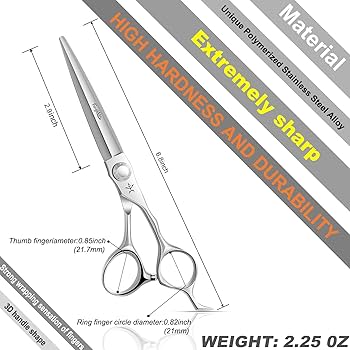
Have you ever wondered how long your shears will last before they need replacing? Knowing the durability of your shears can save you time, money, and frustration.
Whether you use them for gardening, crafting, or hair cutting, understanding their lifespan helps you make smarter choices. You’ll discover what affects your shears’ durability and how to get the most out of them. Keep reading to protect your investment and enjoy smooth, sharp cuts every time.

Credit: salonshearsdirect.com
Types Of Shears
Shears come in many types for different tasks. Each type has its own durability based on use and design.
Knowing the types helps you choose the right shears and understand how long they last.
Gardening Shears
Gardening shears cut plants and branches. They are strong and made to last long with regular use.
- Blade material affects sharpness and rust resistance.
- Handles must be sturdy to avoid breaking.
- Proper cleaning extends their life.
Hair Shears
Hair shears are sharp and precise. They need frequent sharpening to keep their edge.
They last long if stored well and cleaned after each use.
Fabric Shears
Fabric shears cut cloth smoothly. Their durability depends on blade quality and cutting technique.
| Factor | Impact on Durability |
| Blade Material | High-quality steel lasts longer |
| Cutting Surface | Sharp edges resist dulling |
| Usage | Only cut fabric for best life |
| Maintenance | Regular cleaning prevents rust |
Industrial Shears
Industrial shears cut tough materials like metal and plastic. They have the highest durability.
Durability features of industrial shears:
- Heavy-duty blades resist wear.
- Strong handles reduce breakage.
- Designed for high-frequency use.
- Require professional maintenance.
Materials Affecting Durability
The durability of shears depends largely on the materials used in their construction. Strong materials help shears last longer and perform better.
Understanding the key materials in blades, handles, and coatings helps you choose shears that stay sharp and sturdy over time.
Blade Materials
Blade material affects sharpness, rust resistance, and toughness. Common blade materials include stainless steel, carbon steel, and titanium.
- Stainless Steel:Resists rust and corrosion but may dull faster.
- Carbon Steel:Stays sharp longer but can rust without care.
- Titanium:Very light and strong, resists corrosion well.
Handle Construction
Handle strength and comfort come from the materials used. Plastic, metal, and rubber are common choices.
| Material | Durability | Comfort |
| Plastic | Moderate | Lightweight, less grip |
| Metal | High | Heavy, less cushioning |
| Rubber Coating | Varies | Better grip and comfort |
Coatings And Finishes
Coatings protect blades from rust and wear. They also reduce friction for smoother cuts.
- Teflon Coating:Reduces friction and resists rust.
- Black Oxide:Adds corrosion resistance and a sleek look.
- Chrome Plating:Protects against wear and adds shine.
Factors Influencing Shear Longevity
The durability of shears depends on several factors. Knowing these can help extend their life. Let’s explore what affects shear longevity.
Frequency Of Use
How often you use your shears impacts their durability. Frequent use causes wear and tear. This can shorten their lifespan if not managed well.
- Daily use can dull blades quickly.
- Occasional use prolongs sharpness.
- Heavy-duty tasks increase stress on the shears.
Maintenance Practices
Proper maintenance keeps shears in good condition. Cleaning and sharpening are key. This ensures they work efficiently for a long time.
- Regular sharpening keeps edges sharp.
- Oiling prevents rust and friction.
- Cleaning removes debris that can damage blades.
Storage Conditions
Where you store your shears affects their durability. Proper storage prevents damage. This helps maintain their quality over time.
- Keep shears in a dry place to avoid rust.
- Use protective covers to prevent accidental damage.
- Avoid storing in areas with extreme temperatures.
Signs Of Wear And Tear
Shears are useful tools that cut and trim many materials. Over time, they lose their sharpness and strength. It is important to spot signs of wear to know when to repair or replace them.
Wear and tear affect the shears’ performance and safety. Watch for changes in their parts and how they work. This helps keep your cutting tasks easy and safe.
Dull Blades
Dull blades make cutting hard and uneven. They need more force and can damage the material you cut. Signs of dull blades include:
- Leaves torn or crushed edges on plants
- Requires extra pressure to cut
- Blades look shiny or worn along the edges
- Blades do not close smoothly
Loose Joints
Loose joints make shears feel wobbly or unstable. This reduces control and can cause accidents. You may notice:
| Symptom | Effect |
| Wobbly handles | Hard to keep a steady cut |
| Blades separate easily | Cutting becomes unsafe |
| Noise or clicking | Joint parts may be worn |
Handle Damage
Handles can crack, chip, or break. Damaged handles reduce comfort and grip. Watch for:
- Cracks or splits in the handle material
- Loose or missing grip covers
- Handles feel uncomfortable or sharp
- Handles wobble or move independently
Maintenance Tips To Extend Life
Shears are tools that last long if you take good care of them. Proper maintenance helps keep them sharp and strong.
Simple habits like cleaning, sharpening, and oiling can make shears work well for years. These tips are easy to follow.
Cleaning Techniques
Cleaning shears after each use stops dirt and sap from building up. Use a soft cloth to wipe the blades clean.
For sticky residues, use warm soapy water or rubbing alcohol. Dry the shears well to prevent rust.
- Wipe blades with a soft cloth after every use
- Use warm soapy water for tough dirt
- Remove sap with rubbing alcohol
- Dry completely to avoid rust
Sharpening Methods
Sharp blades cut better and last longer. Use a sharpening stone or a fine file to keep edges sharp.
Hold the blade at the right angle and make smooth strokes. Check the sharpness often to avoid over-sharpening.
- Use a sharpening stone or fine file
- Keep blade angle steady while sharpening
- Make smooth, even strokes
- Test sharpness regularly
Proper Lubrication
Oiling shears reduces friction and stops rust. Apply a few drops of light oil to the pivot and blades.
Wipe off extra oil to keep shears clean. Lubricate regularly, especially after cleaning or sharpening.
- Use light machine oil or sewing machine oil
- Apply oil to pivot and blade edges
- Wipe off excess oil with cloth
- Oil after cleaning or sharpening
When To Replace Shears
Shears are useful tools for cutting many materials. Over time, their sharpness and strength wear out.
Knowing when to replace shears helps keep your work easy and safe. Look for clear signs before using them.
Performance Decline
Shears lose their sharpness after many uses. Dull blades make cutting harder and less clean.
If your shears tear or crush materials instead of cutting, it is time to replace them.
- Blades do not cut smoothly
- More effort is needed to cut
- Material edges look rough or frayed
Cost Vs Repair
Sometimes shears can be sharpened or fixed. But repairs cost time and money.
If repair costs approach the price of new shears, replacing is better.
- Check repair price before deciding
- New shears often last longer than repaired ones
- Consider how often you use the shears
Safety Concerns
Worn or damaged shears can cause accidents. Blades may slip or break while cutting.
Replace shears if you see cracks, loose parts, or blade misalignment to stay safe.
- Inspect shears regularly for damage
- Do not use shears with bent or broken blades
- Replace if handles are cracked or loose
Top Brands And Their Durability
Shears are essential tools for many tasks. Their durability depends on the brand and materials used.
Choosing the right brand can save money and effort over time. Let’s explore some premium and budget-friendly options.
Premium Options
Premium shears often use high-quality steel and ergonomic designs. These features improve their lifespan and comfort.
| Brand | Material | Durability Rating |
| Fiskars | High-carbon steel | 9/10 |
| Felco | Forged steel | 9.5/10 |
| ARS | Japanese steel | 9/10 |
These brands last for years with proper care. Their parts often can be replaced to extend use.
Budget-friendly Choices
Budget shears are good for light tasks. They usually have lower durability than premium ones.
- Walmart’s Mainstays: Affordable but wear out faster
- Fiskars Economy: Good value with decent durability
- Gonicc Basic: Sharp blades but less robust handles
These brands fit occasional users well. Regular maintenance helps them last longer than expected.

Credit: www.ebay.com

Credit: www.amazon.com
Frequently Asked Questions
How Long Do Shears Typically Last?
Shears usually last 5 to 10 years with proper care and regular sharpening. High-quality shears last longer and maintain sharpness better. Frequent use or poor maintenance shortens their lifespan. Storing shears properly also helps extend durability and performance.
What Factors Affect Shear Durability?
Shear durability depends on blade material, construction quality, and maintenance. Stainless steel blades resist rust and last longer. Frequent sharpening and cleaning preserve sharpness. Avoid cutting hard materials to prevent blade damage and reduce lifespan.
How Often Should You Sharpen Shears?
Sharpen shears every 3 to 6 months or when cutting feels dull. Regular sharpening ensures smooth cuts and prevents blade damage. Proper sharpening techniques extend shear lifespan and improve cutting performance.
Can Poor Maintenance Reduce Shear Durability?
Yes, neglecting cleaning and sharpening damages blades and reduces lifespan. Dirt and hair buildup cause rust and dullness. Always clean after use and oil blades to prevent corrosion. Proper storage also protects shears from damage.
Conclusion
Shears last longer when made with strong materials. Regular cleaning keeps blades sharp and working well. Avoid cutting hard objects to prevent damage. Proper storage stops rust and wear over time. Choose shears that match your cutting needs. Good care helps shears perform for years.
Durability depends on use and maintenance habits. Simple steps make shears a reliable tool. Quality shears save money by lasting longer. Take care, and your shears will serve you well.